Best Supplements for Women Over 40
Published: August 2026
At a Glance
- Supplements for healthy aging in women support bone, heart, muscle, brain and hormone-related health.
- Vitamin D, calcium and magnesium promote bone strength as estrogen levels change.
- Omega-3 fatty acids and vitamin B12 help maintain heart and cognitive health, while creatine is a muscle mass must-have.
- Consider ashwagandha for healthy stress management.
Reaching the big 4-0 has changed a lot for women in the past decade or two. Once seen as the start of a long slide into the golden years, the 40s are now recognized as a prime time for women's self-assurance, sexual and physical health, and professional power.
Society's embrace of healthy aging has helped to rebrand the female 40s—and the shift of perimenopause from a shameful secret to a natural (and manageable) part of a woman's journey has helped women come into their own during this time of change.
Being proactive about your health and wellness is key. For women in their 40s (and beyond!), strength training and self-care are at the top of the list, along with diet and targeted nutrition. As your body begins changing, we've got a list of the best supplements for women to help you hit your stride (not your slide) in this decade and the ones that follow.

1. Vitamin D for whole-body health

If any nutrient earns MVP status for women after 40, it's vitamin D. This fat-soluble vitamin is best known for bone support because it helps your body absorb calcium and shuttle it into your bones, where you need it most. But vitamin D's reach goes well beyond your skeleton, extending to immune, heart and cognitive health.
Why it's important:
Holding onto bone density gets harder as estrogen levels change after age 40, making daily bone support a bigger priority. Vitamin D helps your body put calcium to work in your bones, where it belongs. Vitamin D is also key for a strong immune system.Dosage:
The RDA is 600 IU (15 mcg), but most people need more to reach healthy blood levels of 50–80 ng/mL. Consider taking 2,000 IU up to 7,000 IU or higher depending on your needs, so get your blood levels checked regularly and dose to your numbers.How to get it:
Food sources are limited but include fatty fish, egg yolks, UV-exposed mushrooms, and fortified milk or cereal. And your body naturally produces vitamin D when exposed to sunlight. But be aware, even people in sunny climates may need to supplement to reach optimal levels.Other supplements to consider:
Vitamin D pairs especially well with vitamin K and calcium for bone support.
"As hormone levels shift in your 40s, your nutrient needs change, which moves nutrients like vitamin D, calcium, magnesium, and omega-3s higher up the priority list. The best routine reflects your current health goals, not the one you followed a decade ago."
2. Calcium for bone health

Calcium is the bone nutrient, quite literally: Your skeleton stores nearly all the calcium in your body to maintain bone structure and strength.
Why it's important:
After 40, shifts in estrogen and increased bone breakdown make maintaining bone density difficult, so keeping your calcium supply steady matters more than ever for bone health.Dosage:
Women 19–50 need 1,000 mg a day, and women 51 and up need 1,200 mg, counting food and supplements together.How to get it:
Dairy products like milk, yogurt, and cheese, plus fortified plant milks and juices, canned salmon or sardines, and greens like kale, broccoli and bok choy are sources. If you're coming up short from diet alone, a supplement can fill the gap.Other supplements to consider:
Advanced calcium formulas include vitamin D and vitamin K, which help steer calcium into your bones, as well as important minerals like magnesium, boron, zinc and silicon.
3. Magnesium for bone and nerve health

Magnesium works behind the scenes in hundreds of everyday reactions in your body, from energy production to nerve signaling.
Why it's important:
Magnesium supports cardiovascular and bone health, promotes energy metabolism and brain function, and helps maintain nervous system function along with already-healthy blood pressure levels. That broad reach makes magnesium especially valuable in midlife, when fluctuating hormone levels start touching so many parts of your health at once. Like vitamin D, magnesium is a supplement many women could benefit from.Dosage:
Women need about 310–320 mg a day from food and supplements combined. A supplement can easily provide the RDA or more. Be aware that some forms of magnesium are better-tolerated than others.How to get it:
Nuts, seeds, legumes, whole grains, spinach and other leafy greens, and fortified cereals, milk and yogurt, contain magnesium. Nutritional supplements also contain various forms, such as magnesium L-threonate for brain health, magnesium glycinate for whole-body health, and magnesium acetyl taurinate for a healthy stress response.Other supplements to consider:
Magnesium works alongside vitamin D and calcium for bone and heart support, and has been paired with potassium in a mineral formula for blood pressure support.
4. Omega-3 fatty acids for heart health

The omega-3 fatty acids eicosapentaenoic acid (EPA) and docosahexaenoic acid (DHA) are a cornerstone of heart and brain health, which makes them an easy priority in your 40s.
Why it's important:
Omega-3s support healthy heart and blood vessel function, promote blood flow, help maintain already-healthy blood pressure, and help inhibit inflammatory factors to support whole-body health. They also help maintain healthy triglyceride levels already within a normal range, encourage already-healthy levels of HDL (the "good" cholesterol), and support healthy aging and cognitive function. These are all areas worth extra attention as you get older.Dosage:
Aim for 2 to 4 grams daily of a high-quality fish oil that provides both EPA and DHA.How to get it:
Cold-water oily fish like salmon, mackerel, and anchovies are food sources. The American Heart Association recommends two servings of fatty fish per week, and fish oil supplements can help fill that gap if fish isn't a regular part of your diet.Other supplements to consider:
Omega-3s pair nicely with other heart-healthy staples like extra virgin olive oil and CoQ10.
5. Vitamin B12 for heart and brain health

Vitamin B12, also called cobalamin, is a workhorse for your brain and nerve health.
Why it's important:
This water-soluble vitamin provides energy, nerve and blood cell support, and it plays a role in DNA synthesis. Alongside vitamin B6 and folate, B12 helps convert homocysteine into methionine, an amino acid your body puts to good use, which in turn helps maintain healthy homocysteine levels. That matters because homocysteine is a marker of cardiovascular, neurological, and general health. Unfortunately, your stomach produces less acid with age, which can make B12 harder to absorb from food. Vegetarians are also prone to low B12 levels because this vitamin comes almost entirely from animal foods.Dosage:
You'll often find B12 in multivitamin or multi-ingredient formulas, ranging in dose from micrograms (mcg) to milligrams (mg). Methylcobalamin is the bioactive form, so your body can use it without a multistep conversion. Research shows that even moderate doses of B12 can help raise B12 and folate status in older adults.How to get it:
Animal foods like meat, dairy, and eggs contain vitamin B12. Vegetarian lozenges are a good choice for those with a restricted diet.Other supplements to consider:
Pair B12 with folate and other B vitamins for extra support for healthy homocysteine levels.
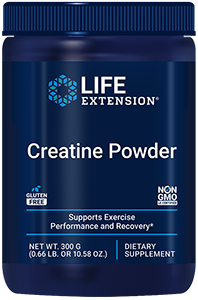
6. Creatine for energy and muscle health

Creatine isn't just for bodybuilders; it is also becoming a superstar supplement for women in midlife. Your body makes some creatine on its own (in the liver and kidneys from the amino acids arginine and glycine), but those levels tend to decline with age.
Why it's important:
Creatine circulates through your bloodstream to help support energy for your cells. It also supports muscle function and encourages exercise performance and recovery. Creatine is especially important for women over 40 because women carry 70 to 80% lower creatine stores than men to begin with, and they tend to get less of it from food. Studies have found creatine supplementation may help support strength and exercise performance in both pre- and postmenopausal women.Dosage:
The recommended daily dosage is 3-5 grams, and the most popular form is creatine monohydrate, an easy-to-mix, unflavored powder that can be blended into water, a smoothie, or any preferred beverage.How to get it:
Animal-based foods like red meat and fish contain creatine.Other supplements to consider:
Creatine pairs well with protein or HMB (a bioactive metabolite of the amino acid leucine) for muscle support. You can also take it with tart cherry for exercise recovery.
7. Adaptogens for stress management

If your 40s have turned up the volume on your daily stress, you might consider adding an adaptogen to your routine. Adaptogens are botanicals that support your body's healthy stress response, and ashwagandha is one of the best-studied among them. Quality varies widely, so choose an ashwagandha supplement with clinical support from a reputable company.
Why it's important:
Ashwagandha helps your body manage the physiological effects of stress. It promotes emotional well-being and encourages already-healthy levels of the stress hormone cortisol.Dosage:
Dosing depends on the specific product, so follow the supplement label or the instruction of your healthcare provider.How to get it:
Supplements are the best way to get clinically-studied levels of ashwagandha for healthy stress support. Habits like consistent sleep, daily exercise, mindfulness, time in nature, and caffeine and alcohol limits also support your body's healthy stress response.Other supplements to consider:
Ashwagandha pairs well with melatonin for sleep support and with other calming nutrients like GABA or L-theanine.
8. Probiotics for vaginal, digestive and immune health

Your gut and vaginal microbiomes don't stay the same forever, and your 40s are a time when it can start to shift, thanks to age, hormones, diet, and lifestyle. Strain-specific probiotics may help maintain a balanced microbiome.
Why it's important:
Probiotics are important for women's health because they promote the growth of cooperative, beneficial bacteria that help crowd out the not-so-good bacteria, encouraging vaginal health. Probiotics also produce metabolites that support gut health and a healthy immune response. The benefits of probiotics are specific to the strain. For instance, ROSELL® A helps replenish healthy vaginal flora and promote an optimal vaginal pH, while LAFTI® L10 encourages digestive health and immune system health.How to get it:
While fermented foods like yogurt, kefir, and kimchi contain live cultures that may support gut health, supplements are the best way to get clinically studied probiotic strains at effective doses.Other supplements to consider:
Pair your probiotic with gut-friendly extras like plant fiber and glutamine.
| Health goal | Why it matters for women 40+ | Recommended supplements | Lifestyle suggestions |
|---|---|---|---|
| Muscle health | Strength and lean muscle mass decline with age; maintaining muscle strength supports balance, metabolism and daily independence |
|
|
| Cardiovascular health | Heart health becomes more important with age and should be a top priority for anyone in midlife and beyond |
|
|
| Bone health | Bone maintenance becomes a major focus after midlife, especially around perimenopause and menopause |
|
|
| Brain health | Brain health also becomes a bigger focus with age |
|
|
| Microbiome health | Vaginal and gut microbiomes can shift with age, hormone changes and lifestyle |
|
|
| Stress management | Perimenopause may affect women's stress response, which may impact numerous aspects of health and well-being |
|
|

Explore Our Best Women's Health Supplements
How can women over 40 build a supplement routine?

As with any routine, women should start with a solid nutritional foundation and build their supplement stack slowly. The goal is consistency, not trying everything at once, so you stay on track without feeling overwhelmed.
It is important to remember that women over 40 need different supplements than they did in their 30s. "As hormone levels shift in your 40s, your nutrient needs change, which moves nutrients like vitamin D, calcium, magnesium, and omega-3s higher up the priority list," said Dr. Michael A. Smith, MD. "The best routine reflects your current health goals, not the one you followed a decade ago."
-
What supplements should women stop taking in their 40s?
Rather than eliminating supplements outright, it's smart to reassess your regimen and adjust it to your current needs. For example, many women no longer require as much iron once menstruation ends. The same goes for prenatal vitamins, which you may not need if pregnancy is behind you. How do I decide which supplements are right for me?
Start with three simple checks:- Look at your diet to spot nutritional gaps.
- Talk with your healthcare provider about your goals and consider blood testing (for vitamin D, B12, homocysteine, or omega-3 levels, for example) to see where you actually stand.
- Choose the supplements that match your health priorities and what you're not already getting from food.
Key Takeaways
- The best supplements for women over 40 target bone, heart, muscle, brain, mood and microbiome health.
- Women should start with a solid nutritional foundation and build their supplement stack slowly.
- The first step is checking your diet to spot nutritional gaps and talking with a healthcare provider.


References
- Bikle DD. "Vitamin D: Production, Metabolism, and Mechanism of Action." National Library of Medicine. June 2025. https://www.ncbi.nlm.nih.gov/books/NBK278935/
- Deshpande A, et al. "A randomized, double blind, placebo controlled study to evaluate the effects of ashwagandha (Withania somnifera) extract on sleep quality in healthy adults." Sleep Med. August 2020. https://pubmed.ncbi.nlm.nih.gov/32540634/
- Groenendijk I, et al. "Impact of magnesium on bone health in older adults: A systematic review and meta-analysis." Bone. January 2022. https://pubmed.ncbi.nlm.nih.gov/34666201/
- Harris S, et al. "Protein and Aging: Practicalities and Practice." Nutrients. July 2025. https://pubmed.ncbi.nlm.nih.gov/40806046/
- Kröse JL, de Baaij JHF. "Magnesium biology." Nephrol Dial Transplant. November 2024. https://pubmed.ncbi.nlm.nih.gov/38871680/
- Mishra DN, Kumar M. "Shoden promotes Relief from stress and anxiety: A randomized, double-blind, placebo-controlled study on healthy subjects with high stress levels." Heliyon. September 2024. https://www.cell.com/heliyon/fulltext/S2405-8440(24)12916-7
- Safaei P, et al. "Comparison of fish oil supplements and corn oil effects on serum lipid profile: a systematic review and meta-analysis of randomized controlled trials." Syst Rev. February 2024. https://pubmed.ncbi.nlm.nih.gov/38317191/
- Singh V, et al. "Studies on the Synergistic Interplay of Vitamin D and K for Improving Bone and Cardiovascular Health." Current Research in Nutrition and Food Science. November 2022. https://www.foodandnutritionjournal.org/volume10number3/studies-on-synergistic-interplay-of-vitamin-d-and-k-for-improving-bone-and-cardiovascular-health/
- Sun E, et al. "Magnesium treatment increases gut microbiome synthesizing vitamin D and inhibiting colorectal cancer: results from a double-blind precision-based randomized placebo-controlled trial." Am J Clin Nutr. November 2025. https://pubmed.ncbi.nlm.nih.gov/40946805/
- Voulgaridou G, et al. "Vitamin D and Calcium in Osteoporosis, and the Role of Bone Turnover Markers: A Narrative Review of Recent Data from RCTs." Diseases. February 2023. https://pubmed.ncbi.nlm.nih.gov/36810543/
- "Calcium." National Institutes of Health. June 2026. https://ods.od.nih.gov/factsheets/Calcium-HealthProfessional/
- "Magnesium." National Institutes of Health. January 2026. https://ods.od.nih.gov/factsheets/Magnesium-HealthProfessional/
- "Probiotics." National Institutes of Health. November 2025. https://ods.od.nih.gov/factsheets/Probiotics-Consumer/
- "Vitamin D." National Institutes of Health. June 2025. https://ods.od.nih.gov/factsheets/VitaminD-HealthProfessional/

Always be in the know!
Access the latest deals, wellness news, expert health tips & more!
Women's Health Favorite