How to Support Your Vitamin D Levels: Quick Ways That Work
Published: June 2021 | Updated: May 2026

At a Glance
- Low vitamin D levels are common. In the US alone, about 40% of people have insufficient levels of the sunshine vitamin.
- Getting sunlight exposure, eating vitamin D-rich foods and taking vitamin D supplements can help support optimal levels.
- Enhance absorption by taking vitamin D supplements with a balanced meal (and healthy fats).
There's no question about it, vitamin D is a star player in whole-body health: you need it for your bones, heart and immune health. It's why food manufacturers add it to popular foods we consume, including dairy products, cereals, and orange juice—our bodies need it to keep us healthy.
Unfortunately, as Life Extension's Director of Education, Michael Smith, MD, explained, insufficient vitamin D levels are common; about 40 percent of people in the U.S. (and 50 percent worldwide) are lacking in intake, defined as 20 ng/mL. Many more people than that have what he describes as being below the "optimal" range of 50-80 ng/mL.
Perhaps you're one of them and just found out by taking a 25-hydroxy-vitamin D blood test? The good news is that you can get your vitamin D where it needs to be fairly quickly with the right strategy and a vitamin D supplement. How? Dr. Smith sheds light on the most effective ways to support optimal vitamin D levels.
What are the most effective ways to support vitamin D levels?

There are three ways our bodies get vitamin D, essential for everything from bone to heart health to immune function:
1. Sun exposure
This is the primary way we get vitamin D: sunlight triggers the body to start making it. However, factors such as geographic location, time of day, light intensity, lifestyle habits and ethnicity can make it challenging to maintain optimal vitamin D levels through sunlight exposure alone.
What's more, clinically speaking, basking in the sunlight, especially without sunscreen, has its own troubling health consequences and is generally not recommended for vitamin D levels, pointed out Dr. Smith. That doesn't mean you can't (responsibly) enjoy sunny days. "Stay hydrated and be sure to reapply sunscreen, especially if you're spending time outside for more than a couple of hours."
“People struggling to manage a healthy weight, or people who follow a diet that’s low in vitamin D, may find it challenging to support vitamin D levels, especially if they are not supplementing.”
2. Vitamin D food sources
Nutrient-dense, whole foods should be your primary source of essential nutrients (think Mediterranean diet). Our bodies get about 5 mcg (200 IU) of vitamin D from foods. Salmon and other fatty fish are excellent sources of the sunshine vitamin. Other foods that provide vitamin D include:
- Cod liver oil
- Trout
- Mushrooms
- Eggs
- Beef
- Liver
- Cheddar cheese
- Fortified foods like dairy products and cereals
Of course, as Dr. Smith explained, sometimes it's challenging to get enough of any one nutrient from food alone because not everyone eats these foods, or in quantities that would make a difference. That's why complementing a balanced diet with a vitamin D3 supplement can help ensure your body has a steady supply of this whole-body health rockstar.

3. Supplements
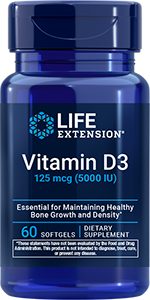
Adding a vitamin D3 supplement to your routine is a proactive way to support healthy vitamin D levels. Taking supplements between 5,000-8,000 IU (125-200 mcg) daily with a meal that contains fat can help reach optimal levels. Vitamin D3 has been shown to support vitamin D levels more efficiently than vitamin D2 (more on this later). "To ensure optimal vitamin D absorption, take supplements with a balanced meal that includes healthy fats (think avocados, nuts or some wild-caught fish)," Dr. Smith noted. You can check your levels with a vitamin D lab test. Dr. Smith recommends taking a single lab test to establish a baseline and a follow-up test within three to six months to track your progress. We suggest that optimal blood levels should be 50–80 ng/mL year-round.
Here's a quick chart summarizing how the body gets vitamin D.
| Method | How it works | Factors to consider |
|---|---|---|
Sun exposure |
The body makes vitamin D in response to sunshine. |
The process depends on light intensity, time of day, geographic location, ethnicity/melanin levels, how much skin receives sunshine. |
Food sources |
Foods rich in vitamin D can help support healthy levels. |
It's difficult to achieve optimal levels from food alone. |
Supplements |
Vitamin D supplements can help maintain healthy vitamin D levels and complement what we're not getting from the sun or food. |
Make sure your daily dosage is the recommended 5,000-8,000 IU (125-200 mcg) daily, or as recommended by your physician. |

Explore Our Best Vitamin D Supplements
Should I choose a vitamin D3 or D2 supplement?

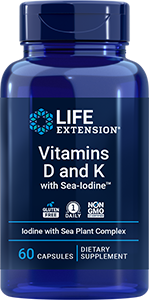
Both D3 and D2 supplements can help promote vitamin D levels in the body, Dr. Smith said, but keep in mind that vitamin D3 is more bioavailable to the body than vitamin D2. Let's take a step back to understand why. There are two main dietary forms of vitamin D: ergocalciferol (D2) and cholecalciferol (D3). While the body can absorb both forms of the sunshine vitamin, studies show that vitamin D3 is more effective at improving circulating vitamin D than D2. That's because vitamin D2 yields less 25-hydroxyvitamin D, which is the primary form of vitamin D in the blood, than an equal amount of vitamin D3, Dr. Smith explained. Pro tip: You can take vitamin D3 with K for greater bone and heart health benefits!
How long does it take to promote healthy vitamin D levels?

There's both a short and a long term approach when it comes to supporting vitamin D levels.
Short term:
You can promote positive changes in vitamin D within as little as one to two weeks by taking a vitamin D supplement and getting sunlight exposure. "Yes, vitamin D supplements alone will help; however, the best results are observed when taken in tandem with regular sunlight exposure," Dr. Smith noted. Take a vitamin D lab test as a baseline and recheck after 3 months to see if there's been an improvement; if it's not significant, your doctor may adjust the dosage.Long term:
While adding supplements will help you bounce back to where you need to be, it's important to address the reasons you were low on the sunshine vitamin in the first place. Low vitamin D intake can occur when you're not eating nutrient-dense foods, aren't properly digesting them, due to weight gain, genetic causes and a variety of other issues. Ideally, you'll tackle those in addition to the added supplements, Dr. Smith advised.
"While we're biologically designed to make this critical vitamin, people struggling to manage a healthy weight, or people who follow a diet that's low in vitamin D foods, may find it challenging to support optimal vitamin D levels, especially if they are not supplementing," Dr. Smith noted.
Key Takeaways
- Life Extension suggests optimal D levels should be between 50-80 ng/mL.
- A vitamin D lab test is the only way to check vitamin D levels.
- Enjoy sunny days responsibly by reapplying sunblock after a couple of hours.

References
- Alayed Albarri EM, et al. "Effectiveness of vitamin D2 compared with vitamin D3 replacement therapy in a primary healthcare setting: a retrospective cohort study." Qatar Med J. August 2022. https://pmc.ncbi.nlm.nih.gov/articles/PMC9372493/
- Bikle DD. Vitamin D: Production, Metabolism, and Mechanism of Action. June 2025. https://www.ncbi.nlm.nih.gov/books/NBK278935/
- Camozzi V, et al. "25-Hydroxycholecalciferol response to single oral cholecalciferol loading in the normal weight, overweight, and obese." Osteoporos Int. August 2016. https://pubmed.ncbi.nlm.nih.gov/27026331/
- Dominguez LJ, et al. "Vitamin D Sources, Metabolism, and Deficiency: Available Compounds and Guidelines for Its Treatment." Metabolites. April 2021. https://pmc.ncbi.nlm.nih.gov/articles/PMC8074587/
- Forrest KY, Stuhldreher WL. "Prevalence and correlates of vitamin D deficiency in US adults." Nutr Res. January 2011. https://pubmed.ncbi.nlm.nih.gov/21310306/
- Heaney RP, et al. "Vitamin D(3) is more potent than vitamin D(2) in humans." J Clin Endocrinol Metab. March 2011. https://pubmed.ncbi.nlm.nih.gov/21177785/
- Kift RC, Webb AR. "Globally Estimated UVB Exposure Times Required to Maintain Sufficiency in Vitamin D Levels." Nutrients. May 2024. https://pmc.ncbi.nlm.nih.gov/articles/PMC11124381/
- Logan VF, et al. "Long-term vitamin D3 supplementation is more effective than vitamin D2 in maintaining serum 25-hydroxyvitamin D status over the winter months." Br J Nutr. March 2013. https://pubmed.ncbi.nlm.nih.gov/23168298/
- Raymond-Lezman JR, Riskin SI. "Benefits and Risks of Sun Exposure to Maintain Adequate Vitamin D Levels." Cureus. May 2023. https://pmc.ncbi.nlm.nih.gov/articles/PMC10239563/
- "Vitamin D." Mayo Clinic. March 2025. https://www.mayoclinic.org/drugs-supplements-vitamin-d/art-20363792

Always be in the know!
Access the latest deals, wellness news, expert health tips & more!
Popular Supplement