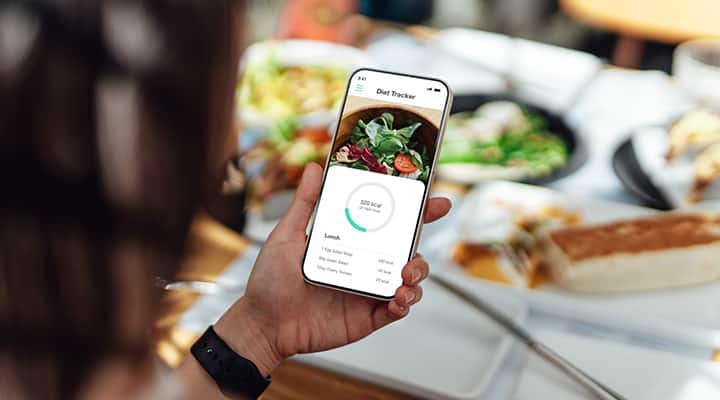
How Can You Manage Your Nutrition on a GLP-1?
Published: October 2026
At a Glance
- Lower food intake during weight loss can make daily nutrient needs harder to meet.
- Maintaining healthy nutrition during GLP-1 use starts with protein, fiber, fluids and key micronutrients.
- Adequate protein helps support lean body mass during body weight changes.
What happens to your body when you eat less—a lot less? Well, for one, there's weight loss, which is a welcome change for many. But as people taking GLP-1 receptor agonists (GLP-1 RAs) are discovering, those new eating habits can affect your body's energy, satiety, physical strength and overall well-being.
It's important to realize that a reduced appetite does not reduce your need for essential nutrients. Your body still needs enough protein, fiber, fluids, vitamins, minerals and healthy fats to support healthy muscle, bone, digestion, energy production and more.
Any healthy weight management journey requires strategic changes to your meal routine. This includes adequate protein intake and individual nutrition recommendations based on your weight and fitness goals and your nutrient status.
Let's go over the top foods and nutrients to focus on when you're eating less on a GLP-1, how to structure meals, and how supplements may help you fill the gaps in your new diet.

1. Prioritize protein
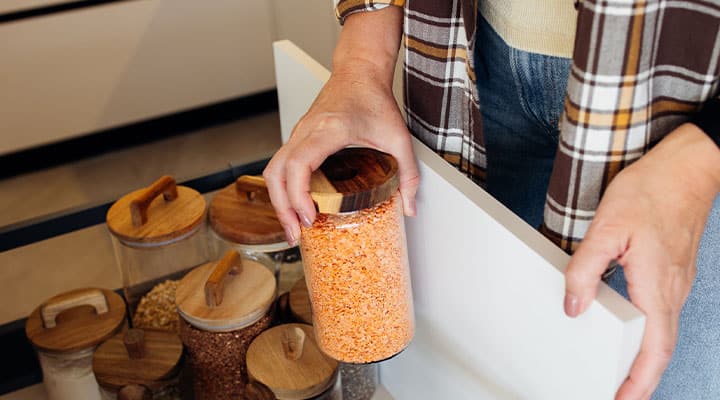
Protein should be among the first nutrients to prioritize during GLP-1-supported weight management. When appetite drops, it's natural to eat smaller meals. That reduction may support your weight goals, but it can also make it easier to miss your daily protein targets. You should discuss your optimal protein intake with your healthcare provider.
Protein helps support lean body mass, which includes muscle, bone and other non-fat tissues. This distinction matters. During weight loss, research shows some body weight can come from lean body mass, not just fat mass. Clinical studies have also explored how body composition changes may vary based on factors like sex, rate of weight reduction, and resistance training status.
Why it matters:
Protein helps support muscle mass, bone health, immune health, satiety and overall body composition.What to eat:
Lean meats, eggs, fish, poultry, Greek yogurt, cottage cheese, tofu, soy foods, protein powder and bone broth.How to start:
Eat protein first at meals. If a full meal feels too large, try breaking your meals into smaller, protein-rich options. The Recommended Dietary Allowance for protein is 0.8 grams per kilogram of body weight per day. During active weight management, higher protein intake may be appropriate for some adults, with guidance often pointing to 1.2 to 1.6 grams per kilogram per day to help support lean mass.Pro tip:
Protein distribution matters, because your body can only absorb so much at one time. Spread your intake across meals. For example, someone aiming for 90 grams of protein per day could aim for roughly 30 grams at each meal to support a more consistent daily intake.
2. Get enough fiber

Fiber is important during GLP-1 weight management because it supports fullness, digestive regularity, and overall diet quality. But fiber should be added gradually, especially if you are eating less than usual or dealing with diet-induced digestive discomfort.
A common target is 25 grams of fiber per day for women and 38 grams per day for men ages 19-50. Another way to measure it is about 14 grams of fiber for every 1,000 calories eaten. This calorie-based target may feel more realistic for people who aren't eating as much as they used to. Remember, the goal is not to force a huge amount of fiber at once; it is to build up gradually as your body adjusts.
Why it matters:
Fiber-rich foods help make smaller meals more satisfying and support digestive regularity. Fiber supplements made with konjac root have also been studied to support heart health and help maintain already-healthy blood sugar.What to eat:
Vegetables, berries, oats, beans, lentils, whole grains, nuts and seeds.How to start:
Add one fiber-rich food at a time. Try berries with Greek yogurt, spinach with eggs, beans in a bowl, oats at breakfast, or vegetables with lunch and dinner.Pro tip:
Fiber works best when fluid intake is adequate. It is important to add fluids to your diet when adding fiber-rich foods to support digestive health and comfort. If your fiber goal is difficult to reach through food alone, a supplement made from konjac root fiber can help support digestive regularity using a lower daily dose than psyllium husk fiber.
"It's important to realize that a reduced appetite does not reduce your need for essential nutrients. Your body still needs enough protein, fiber, fluids, vitamins, minerals and healthy fats to support healthy muscle, bone, digestion, energy production and more."
3. Eat a balanced diet
What you eat matters more than ever during weight management. A GLP-1 diet should be simple, repeatable and nutrient-dense.
Why it matters:
Because your appetite may be lower, it is important to build your meals around nutrient-dense foods that give you the protein, fiber and healthy fats you need in every bite. You need a dietary structure that helps you get enough nutrition before you feel too full.What to eat:
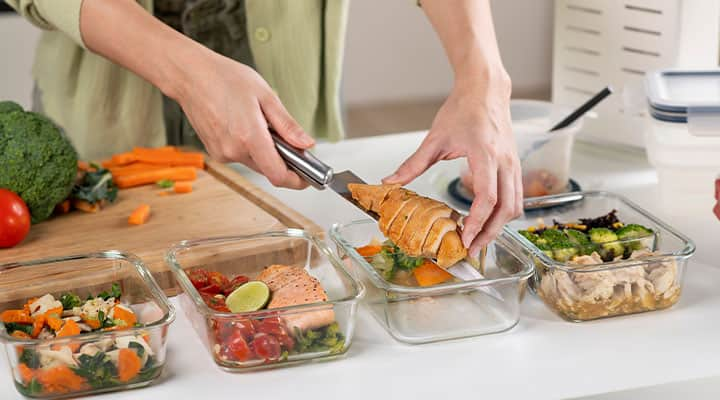
A smaller nutrient-dense meal might be Greek yogurt with berries and chia seeds, eggs with spinach and avocado, tofu with vegetables and rice, or chicken with roasted vegetables and beans. Be sure to include healthy fats with each meal, such as extra virgin olive oil, avocado, nuts, seeds, and fatty fish high in omega-3 EPA/DHA fatty acids, such as salmon or halibut.How to start:
You do not need a complicated diet. Start with protein, then add fiber-rich plant foods, healthy fats and fluids. This structure helps you cover the most important nutrients before fullness sets in.Pro tip:
Limit processed and ultra-processed foods that take up a lot of appetite without offering much nutrition. Sweets, sugary beverages, and heavily fried foods may be harder for your digestive system to tolerate, and these empty calories can crowd out the protein, fiber, fluids and micronutrients you need to be eating.
4. Stay hydrated

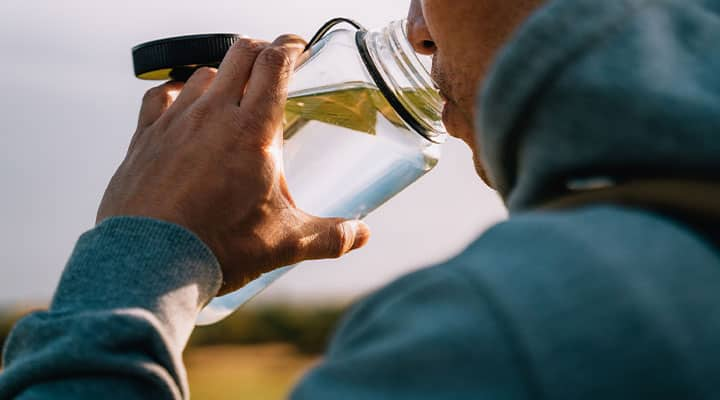
Hydration can be easy to miss if you aren't focused on it. When your appetite is lower, thirst may feel lower, and smaller meals may provide less fluid from food.
A general fluid target is about 9 cups per day for women and 13 cups per day for men, after accounting for water that comes from food. These daily fluid goals can vary based on body size, activity, sweat, climate and individual tolerance.
Why it matters:
Staying hydrated supports digestion, energy, satiety and overall comfort.What to drink:
Water is your best and most affordable fluid option, but herbal teas can also count toward your intake. Bone broth is another useful option because it provides fluids plus protein, and you can purchase ready-to-drink bone broth or powdered packets, or make your own homemade bone broth.Pro tip:
Limit your fruit juice; it is not the best hydration source because it can add a lot of sugar to your diet without much fullness. Also be aware, you may tolerate fluids between meals better than drinking with meals.
5. Supplement your nutrition
Eating less can make nutrient gaps more likely during a GLP-1 weight management journey. Also, weight loss may place its own metabolic demands on body systems, making optimal micronutrient intake even more necessary. No matter which nutrients you choose to take, remember that a supplement plan should support your food intake, not replace it.
Why it matters:
Lower food intake can make it harder to meet micronutrient needs from food alone.What to consider:
A quality multivitamin can provide daily nutritional support when intake is inconsistent. Other nutrients to consider include:- Vitamin D for whole-body health
- B vitamins for energy production
- Magnesium for muscle and nerve support
- Calcium for bone health
- Omega-3 fatty acids for heart and brain health
How to personalize it:
Speak with your healthcare provider about your nutrient concerns. Your doctor can order blood testing to identify nutrient gaps and make the best plan to fill them.
6. Plan your meals and start slow
During GLP-1 use, your meal routine is likely to change. Skipping meals may happen more easily. Some foods may sit heavier than expected. You're probably no longer a member of the "clean plate club." This is why it's important to plan out your meals in advance—and also not rush into a dramatic lifestyle change.
Why it matters:
Planning your meals helps you cover important nutrients without relying on large portions.What to eat:
Start with smaller, protein-first meals. Then add fiber-rich foods and healthy fats as tolerated.How to start:
Keep meals simple.- Weeks 1-4: Prioritize protein first, sip fluids throughout the day, and add fiber gradually.
- Month 2 and beyond: Build more consistency with vegetables, whole grains, legumes, fruit and healthy fats.
- Long-term plan: Continue to prioritize protein, hydration, and routine nutrition check-ins. As your calorie needs change, keep the same core habits in place to support muscle, micronutrient status, and overall health.
Pro tip:
Try to make every meal count. A simple day might include eggs or Greek yogurt at breakfast, bone broth or a protein shake between meals, chicken or tofu with vegetables at lunch, and fish with vegetables plus a fiber-rich carbohydrate at dinner.
Suggested Nutrients During GLP-1 Use
| Nutrition priority | Foods or supplements | Why it matters |
|---|---|---|
| Protein |
|
|
| Fiber |
|
|
| Fluids |
|
|
| Micronutrients |
|
|
| Healthy fats |
|
|
What you need to know about GLP-1s and nutrition
Anyone trying to manage their weight should pay special attention to what foods they are eating (as well as what foods they aren't).
I have no appetite. How can I get enough nutrition?
Start small and prioritize protein. Smaller meals and snacks may work better than large meals. Try Greek yogurt, cottage cheese, eggs, tofu, tuna, protein shakes, bone broth, or small portions of lean meat or fish. Fluids between meals may also help you avoid feeling too full at mealtime.
What should I eat while taking GLP-1 agonists to avoid losing muscle mass?
Eat protein-rich foods at each meal. Eggs, lean meats, fish, poultry, Greek yogurt, cottage cheese, tofu, soy foods, protein powder, and bone broth can all help support protein intake. Fiber-rich foods, healthy fats and fluids help round out the plan.
Do I need vitamins or supplements while on a GLP-1?
Maybe. Supplements can help fill nutrient gaps when food intake is lower, but needs vary from person to person. A multivitamin, vitamin D, magnesium, B vitamins, omega-3s, calcium, or iron may be useful depending on your diet, blood work and goals.
Key Takeaways
- Meal planning during GLP-1 will likely look different from your usual routine.
- Start with protein-first meals, then gradually add fiber, nutrient-dense foods and healthy fats.
- Supplements can help fill gaps when appetite is low or nutrient intake is inconsistent.


References
- Chaston TB, et al. "Changes in fat-free mass during significant weight loss: a systematic review." International Journal of Obesity. October 2006. https://www.nature.com/articles/0803483?utm_source=chatgpt.com
- Dekker IM, et al. "Calculation of protein requirements; a comparison of calculations based on bodyweight and fat free mass." Clinical Nutrition ESPEN. April 2022. https://www.sciencedirect.com/science/article/pii/S2405457722000250
- Heymsfield SB, Shapses SA. "Guidance on Energy and Macronutrients across the Life Span." The New England Journal of Medicine. April 2024. https://www.oeaie.org/content/uploads/2024/04/NEJMra2214275.pdf
- Heymsfield SB, et al. "Proportion of caloric restriction-induced weight loss as skeletal muscle." Obesity. October 2023. https://onlinelibrary.wiley.com/doi/abs/10.1002/oby.23910
- McKay NJ, et al. "Glucagon-like peptide-1 receptor agonists suppress water intake independent of effects on food intake." Am J Physiol Regul Integr Comp Physiol. December 2011. https://pmc.ncbi.nlm.nih.gov/articles/PMC3233845/
- Medeiros DM. "Dietary Reference Intakes: the Essential Guide to Nutrient Requirements edited by JJ Otten, JP Hellwig, and LD Meyers, 2006, 560 pages, hardcover, $44.96. The National Academies Press, Washington, DC." The American Journal of Clinical Nutrition. March 2007. https://ajcn.nutrition.org/article/S0002-9165(23)28003-X/fulltext
- Mozaffarian D, et al. "Nutritional priorities to support GLP-1 therapy for obesity: a joint Advisory from the American College of Lifestyle Medicine, the American Society for Nutrition, the Obesity Medicine Association, and The Obesity Society." The American Journal of Clinical Nutrition. July 2025. https://www.sciencedirect.com/science/article/pii/S0002916525002400?via%3Dihub
- Wharton S, et al. "Managing the gastrointestinal side effects of GLP-1 receptor agonists in obesity: recommendations for clinical practice." Postgraduate Medicine. November 2021. https://www.tandfonline.com/doi/full/10.1080/00325481.2021.2002616?utm_source=chatgpt.com
- Wilding JPH, et al. "Once-Weekly Semaglutide in Adults with Overweight or Obesity." The New England Journal of Medicine. February 2021. https://www.nejm.org/doi/full/10.1056/NEJMoa2032183?utm_source=chatgpt.com
- Winzeler B, et al. "A randomized controlled trial of the GLP-1 receptor agonist dulaglutide in primary polydipsia." J Clin Invest. October 2021. https://pubmed.ncbi.nlm.nih.gov/34473645/
- Winzeler B, et al. "Effects of glucagon-like peptide-1 receptor agonists on fluid intake in healthy volunteers." Endocrine. November 2020. https://pubmed.ncbi.nlm.nih.gov/32623637/
- "Dietary Fiber." EatRight.org. September 2025. https://www.eatright.org/health/essential-nutrients/carbohydrates/fiber
- Dietary Protein Recommendations For Adequate Intake and Optimal Health. Egg Nutrition Center. 2010. https://www.enc-online.org/protein/pdf/ENC%20Protein%20Tool%20Kit%20Leader%20Guide.pdf?utm_source=chatgpt.com
- Dietary Reference Intakes: The Essential Guide to Nutrient Requirements. National Academies. 2006. https://www.nationalacademies.org/read/11537/chapter/11
- "How Much Water Do You Need?" EatRight.org. May 2024. https://www.eatright.org/health/essential-nutrients/water/how-much-water-do-you-need?utm_source=chatgpt.com

Always be in the know!
Access the latest deals, wellness news, expert health tips & more!
Popular Supplement