17 Caffeine-Free Drinks for an Energized Lifestyle
Published: July 2025
Joe. Java. Magic beans. By whatever name, coffee is the go-to beverage for many—whether because of its distinct flavor, comforting warmth, or its pick-me-up properties. Of course, not everyone is a coffee fan; some prefer caffeinated drinks like tea, sodas or energy drinks.
However you take yours, a caffeine boost is a popular choice to support alertness, brain function, and even better athletic performance.
But what if caffeine gives you the jitters or impacts your sleep, stress or adrenal health? Are you doomed to sluggish energy levels? Absolutely not!
There are a heap of caffeine-free drinks that can fill your lifestyle with a jolt of goodness, ranging from turmeric tonics to wellness mocktails. Some have studied benefits for your energy levels, while others offer benefits for your heart, brain, and overall wellness.
So, without further ado, here are 17 caffeine-free alternatives to try!
Top caffeine-free teas
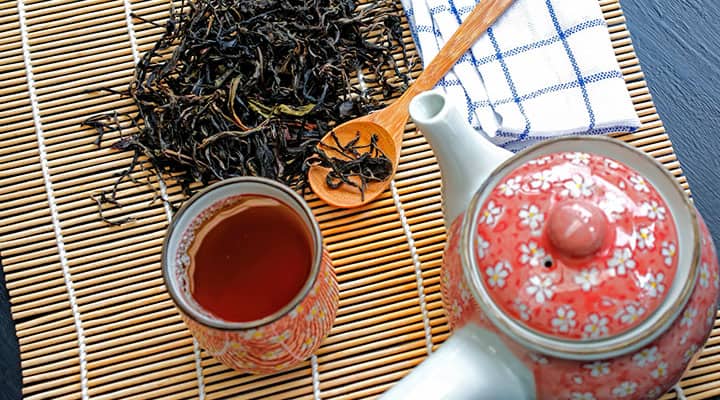
The yin to coffee's yang are nutrient-rich herbal teas. These caffeine-free alternatives deserve to be on your beverage menu not only because of their taste, but because of their health benefits.
1. Rooibos tea
Originating from Africa, rooibos (pronounced roy-bows), or red tea, is an herbal tea rich in antioxidants that's thought to support cardiovascular health—a healthy ticker will keep you going for many years to come!
Rooibos tea drinkers often describe the flavor as sweet and nutty (kind of like honey-roasted peanuts), though it depends on the brand and amount of tea. Some people say it tastes spicy, earthy, or fruity. Rooibos has a longer steep time than most teas, but over-steeping doesn't make it bitter.
To prepare a cup, use a tea filter to steep 1-1.5 teaspoons of loose rooibos for up to 10 minutes. For added flavor, mix in milk, honey, cinnamon, or ginger. Rooibos tea is excellent paired with a sweet treat like a lemon tart or a slice of blueberry cheesecake.
2. Peppermint tea
One of the most refreshing caffeine-free drink alternatives, peppermint tea, may be known for supporting digestive comfort, but studies show it can also help boost brain power and blood flow. While peppermint tea is delicious steeped, and served on its own, adding sweeteners like agave or maple syrup can make it extra tasty.
3. Ginger tea
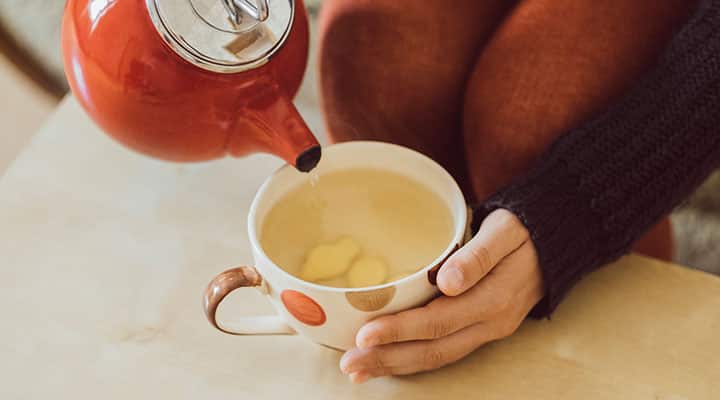
Another caffeine-free tea that has gained popularity over the years is ginger tea. Maybe it's ginger's unique spicy-warm-sweet flavor or its reputation for being a powerhouse tummy tamer that supports a healthy inflammatory response for whole-body health. Whatever the case, ginger teas are readily found in stores and online.
For homemade ginger tea, grab a fresh ginger root from the produce aisle (half a root should be enough, but the quantity will depend on your preference). Grate it to taste and add it to a 2-cup glass measuring cup. Fill up to the 1 ½ cup line with boiling water. Steep for 10 minutes, then strain into a large mug and spoon in sugar or a sugar substitute to your liking.
4. Chamomile tea
Chamomile has been used traditionally for thousands of years for its ability to calm the nervous system and promote comfort. One study showed that chamomile tea improved many aspects of sleep. While it may not directly boost your energy levels, by supporting restful sleep, your body can restore and replenish, so you wake up feeling fresh and ready to tackle the day!
To enjoy the light, floral, slightly sweet flavor of chamomile tea, steep a tea bag in about 8 ounces of hot water for 5-10 minutes. You can also use dried chamomile flowers placed in a tea infuser or tea ball. Add honey or lemon juice to suit your taste. If you don't have time to brew a cup before bedtime, you can always tap into chamomile's soothing benefits with a melatonin-free supplement.
Best hot coffee and tea alternatives
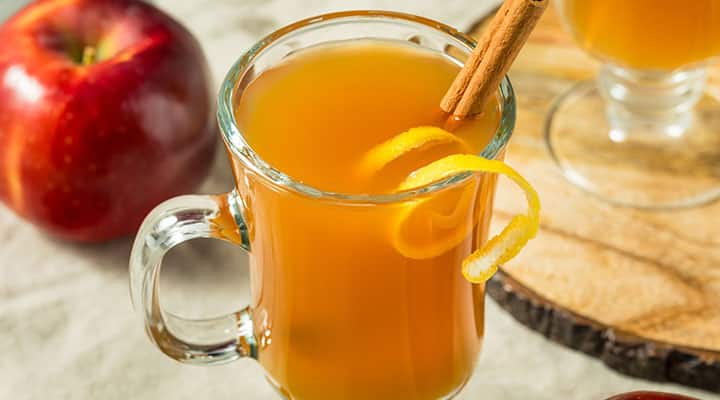
Want the rich warmth of a hot mug in your hands, without coffee or tea? Check out these hot beverages, both brimming with antioxidants!
1. Mulled apple cider
Making mulled cider is like making mulled wine: you add spices such as cloves, cinnamon, nutmeg, and cardamom along with fruits like mandarins and cranberries to your apple cider base, then simmer it in a slow cooker or crock pot. While mulled apple cider is perfect for cooler days, it is just as refreshing in hotter months, chilled and served over ice. Plus, its fruits and spices are packed with health benefits. The apples alone are rich in polyphenols like quercetin, pectin (a type of fiber), and vitamins C and E.
2. Ube latte
Ube is having such a moment; it's no surprise we included the purple yam drink in our list of tastebud-delighting beverages.
To craft an at-home version of the coffee shop iced drink, you'll need ube extract, powder or paste, sweet, condensed coconut milk, dark roast decaf coffee and a few other ingredients. Because of ube's vanilla-esque flavor, this drink will be tasty, frothy, and packed with antioxidants and fiber.
Most hydrating beverages
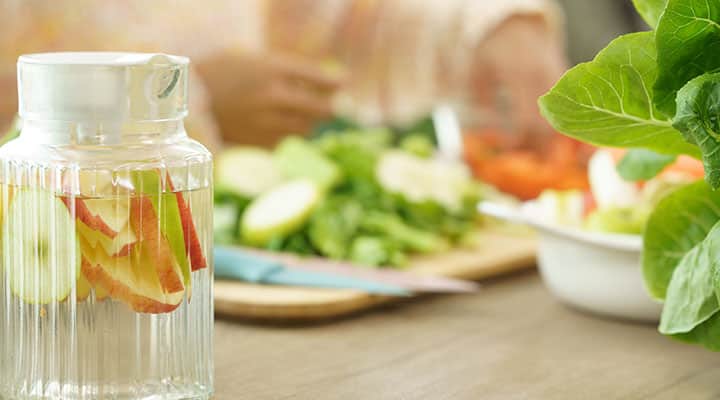
When you're optimally hydrated, you can take on the world. We are 60% water, after all! This next group of caffeine-free drinks are hydration heroes (and taste amazing, too!)
1. Water
No surprise here: drinking water is always a good idea: the hydration benefits are virtually untouchable. But is plain water boring? Fortunately, there are limitless ways to infuse your H2O with flavor and get some extra health benefits.
Squeeze in a lemon, orange, or lime to get the antioxidant benefits of Vitamin C, and toss in some cucumber for extra hydration or mint to refresh. You can try mixing and matching fruits (strawberries, watermelon, apples), vegetables (cucumbers) and herbs (mint, basil, ginger), creating single servings or a pitcher to sip throughout the day.
2. Coconut water
You don't need to be an island dweller to harness the nourishing power of coconut water. Rich in electrolytes, vitamins, and antioxidants, it provides a natural energy boost. Coconut water is also the perfect base for smoothies and blended drinks of all kinds.
3. Chia fresca
Popular in Mexico and Central America, the chia fresca is a simple yet refreshing drink made with water, chia seeds, and the juice of a lime or lemon (honey or sugar optional). As the nutrient-rich chia seeds absorb the water, the drink takes on a gelatinous texture for a uniquely hydrating and health-supporting boost. Salud!

Explore Our Best General Health & Wellness Supplements
Healthiest functional wellness drinks
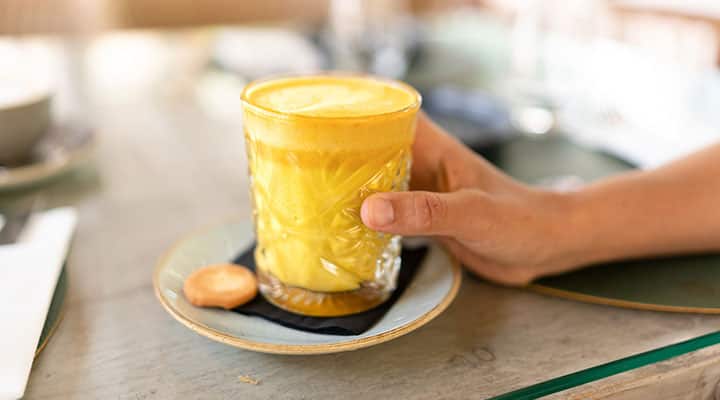
Looking for more than just a caffeine-free thirst quencher? You want a functional beverage. These drinks are crafted with specific ingredients like vitamins, minerals, or adaptogens to give you a wellness boost. Let's just say, they put the "fun" in "functional."
1. Golden milk (aka turmeric latte)
While no golden cows are needed to whip up this non-caffeinated beverage, it does require ground turmeric, the secret ingredient that gives it its golden appearance (and name). Also blended into the drink: spices like ginger, cinnamon, and black pepper.
Aside from giving the drink its golden color, turmeric is packed with antioxidants and active compounds that help promote a healthy inflammatory response (like polyphenol curcumin) and has been linked with several health benefits, including brain health and immune function.
To make golden milk at home, mix a teaspoon of ground turmeric into heated milk, then add ingredients like black pepper, cardamom, nutmeg, ginger, and maple syrup to taste. Some recipes call for dairy milk, but you can swap that out for a plant-based one.
2. Reishi mushroom elixir
If you're into wellness and coffee, chances are you've heard about (or maybe even tried) mushroom coffee, which typically blends coffee beans and ground mushrooms or mushroom extracts. However, this caffeine-free elixir has all the benefits of reishi mushrooms—immune system support, antioxidant properties, and benefits to brain and heart health, to name a few—without the caffeine.
Common recipes for reishi mushroom elixir have minimal ingredients: mushrooms and water. To make the drink more palatable, consider adding rosehips, licorice root, or cocoa powder.
3. Ashwagandha tonic
Go beyond energy support and, hydrate your body and give your mind and immune system some added benefits with each sip! Ashwagandha tonics are the healthy hydration drink you might be missing. The ancient Ayurvedic herb comes from a short, stubby plant with berries that resemble tomatoes and has a centuries-old reputation for supporting energy and well-being.
Ashwagandha has an intense, earthy flavor. There are numerous tonic recipes which include everything from Medjool date paste and honey to cinnamon, cardamom, and turmeric. Finding the perfect blend for your taste buds may take some experimentation and patience.
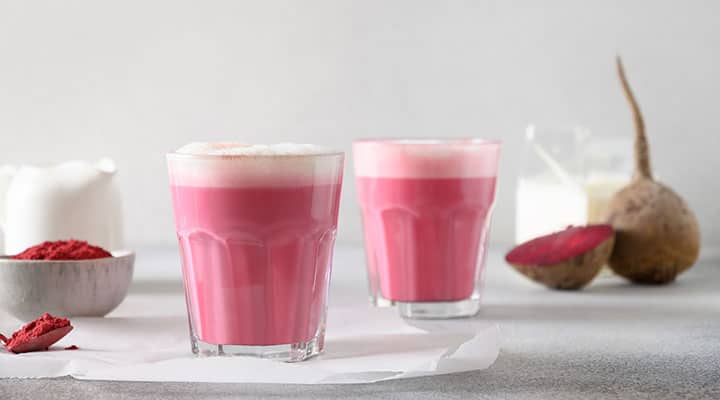
4. Beetroot latte
Combining the words "beetroot" and "latte" may not have been on your Bingo card for non-caffeinated drink options, but this drink is worth a try, especially if you're looking to give your blood and oxygen circulation a boost.
Beetroot is a nutrient-rich root veggie sometimes categorized as a superfood that pumps up nitric oxide production.
To make a beetroot latte (also called a "pink latte") you'll mix beetroot powder, warming spices and your choice of milk and sweetener and serve it hot or iced.
5. Mud water
If this caffeine-free beverage sounds a little murky, it is. Mud water is made from a blend of immune-supporting mushrooms like reishi, Chaga, and cordyceps and other ingredients, like cacao and turmeric, which are mixed together as a powder.
The mud mix is then added to hot water, tea, or milk to make a warm drink and comes out looking like, well, mud. While mud water is somewhat new to the Western wellness market, it has been used for centuries in countries such as Vietnam and China.
6. Maca
This last functional wellness drink has a lot to love. Maca, sometimes called Peruvian ginseng, is basically like if a parsnip and a potato had a baby. Maca is thought to support libido in both sexes, among other sexual health benefits.
For a delicious caffeine-free "coffee" that harnesses the powers of maca, you'll need maca powder, milk or water, cinnamon, vanilla extract, and a sweetener of your choice. You can also mix in cacao powder, cayenne pepper or coconut oil. A maca-coffee alternative is quick and easy to make and results in a sweet drink with earthy and nutty undertones.
Healthiest mocktails
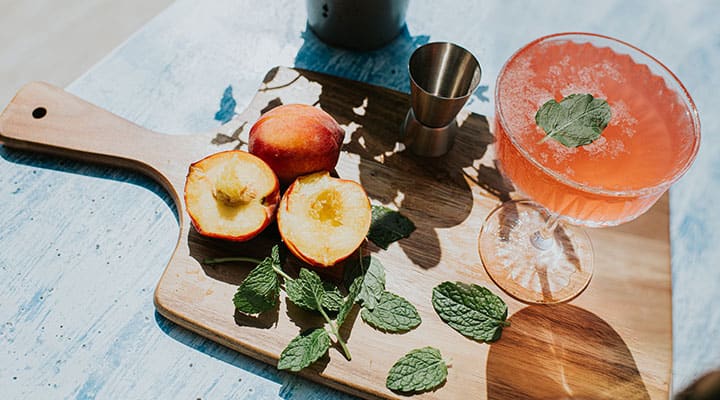
Another caffeine-free way to treat yourself is with a "mocktail," or a non-alcoholic mixed beverage. Not only are these a feast for the eyes as well as the tastebuds, but ingredients rich in vitamins and antioxidants add extra health benefits. Here are our faves:
1. Ginger honey mocktail
We already mentioned the health benefits of ginger. Add in some local honey for immune support, and you've got the bee's knees of a beverage to enjoy! For this drink, you'll mix honey, lime juice and fresh ginger with water for a spicy but soothing non-alcoholic beverage that starts the day off right or gives you a midday refresh.
2. Pomegranate lime spritzer
Another mocktail to consider? A spritzer sans alcohol. While pomegranates are prized for their antioxidant properties, limes contain vitamin C plus more antioxidants. This one-two punch (well, spritzer) just makes sense to give you a boost without caffeine. Start with muddled limes, then lime juice, pomegranate juice and simple syrup mixed with cold sparkling water.
If you're a mixologist at heart, feel free to use ingredients from any of these recipes and put them together for a signature drink. Either way, you can't go wrong. The ingredients are packed with benefits. Remember: watch the sugar content to support your wellness.
Caffeine or caffeine-free drinks: what’s better?
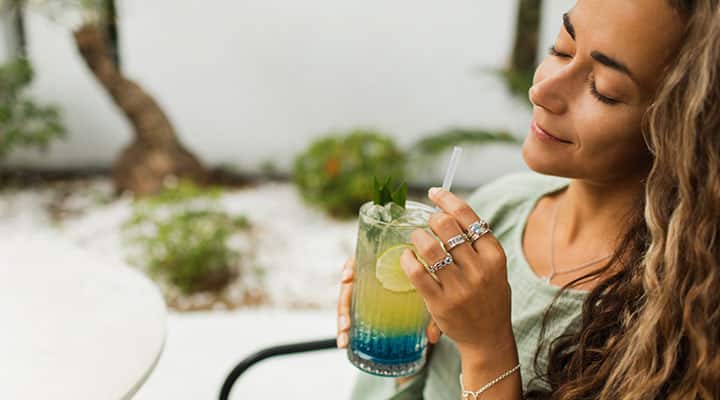
It's a matter of personal preference. Whether you love it, hate it, or have a love-hate relationship with it, caffeine is a forever staple in drinks to power your day…as long as your body tolerates it!
However, if you want health benefits without any potential negative effects, there are plenty of drinks to bring the energy—and added wellness benefits— to your life.
The choices are just a sip away.


References
- Kazemi A, et al. "Effects of chamomile (Matricaria chamomilla L.) on sleep: A systematic review and meta-analysis of clinical trials." Complement Ther Med. September 2024. https://pubmed.ncbi.nlm.nih.gov/39106912/
- Netzler L, et al. "A Randomized Placebo-Controlled Clinical Trial Exploring the Short-Term Cognitive and Cerebrovascular Effects of Consuming Peppermint Tea: A Mediation Study." Hum Psychopharmacol. May 2025. https://pubmed.ncbi.nlm.nih.gov/40189738/
- Saimaiti A, et al. "Dietary sources, health benefits, and risks of caffeine." Critical Reviews in Food Science and Nutrition. May 2022. https://www.tandfonline.com/doi/10.1080/10408398.2022.2074362

Always be in the know!
Access the latest deals, wellness news, expert health tips & more!
Customer Favorite