Probiotics for Seniors: Healthy Aging Starts in Your Gut
Published: September 2025
Want to stay energized and feel your best as you age? The secret starts in your gut. A healthy gut keeps digestion running smoothly, supports your immune system and encourages mood. It is even linked to brain health, thanks to the gut-brain axis.
At the center of it all is the gut microbiome, a community of trillions of bacteria and other microbes that live in the digestive tract and help keep your body in balance. But as we get older, the environment in our gut changes, leading to fewer beneficial microbes, which affects digestion, nutrient absorption and overall health.
The good news? While gut changes are a normal part of aging, you don't have to let them slow you down!
Probiotics, beneficial microbes that encourage a healthy microbiome, can do far more than support digestion. Probiotic strains for older adults can promote gut diversity and support heart health, nutrition levels and a healthy inflammatory response. There are also probiotics targeted for oral health and liver health to help you thrive in this stage of life. Let's explore what makes these formulas so beneficial for a youthful gut.
What are the benefits of probiotics for adults over 50?

As we age, keeping our gut microbiome balanced becomes more important than ever. The natural decline in beneficial gut bacteria over time can affect many aspects of health and well-being.
- Supplementing with probiotics for seniors can help maintain a diverse microbiome and promote system-wide health so you can age gracefully.
- Probiotics are well-known for their support of GI tract health and regularity. They also help relieve occasional gas, bloating and other digestive discomforts.
- Probiotics' benefits extend to immune support. After all, about 70% of your immune system resides in your gut.
- Probiotics support physical and mental well-being through a two-way connection known as the gut-brain axis.
How do probiotics support longevity and healthy aging?
Thanks to the role your gut plays in so many aspects of health, probiotics can help your whole body age better. A balanced gut microbiome supports digestion, heart and metabolic health, and brain function, all of which are key players in healthy aging.
We know gut bacteria levels shift over time. But targeted probiotic supplements can help maintain a more "youthful" gut microbiome and the benefits that come with it:
Cardiometabolic health:
Certain strains of probiotics have been shown to help maintain already-healthy cholesterol levels, supporting heart health as we age.Healthy inflammatory response:
Balanced gut bacteria promote a healthy response to inflammation, which supports whole-body health.Nutritional status:
Probiotics enhance the uptake of essential nutrients from your diet, supporting metabolism and energy levels.Brain and cognitive support:
By influencing the gut-brain axis, probiotics help maintain mental sharpness and overall brain health.
Did You Know?
Your gut isn't your only microbiome. You also have an oral microbiome in your mouth, and specific probiotic strains can help maintain a healthy balance of bacteria there. Supplementing with these targeted probiotics supports gum health, fresher breath, and a healthy oral environment.

Explore Our Best Prebiotic & Probiotic Supplements
5 probiotics for senior health
Whether you're looking to support digestion, heart health, oral health or more, probiotics can be a simple, daily step toward aging well and feeling your best. These top probiotics for seniors are targeted for the following:
1. Healthy aging.
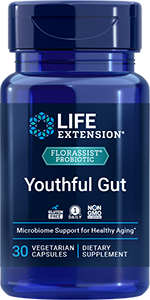
Time naturally changes your gut microbiome, but you can get some help "turning back the clock" by supporting a healthier, more youthful gut environment with specific probiotic strains and a postbiotic which promote a healthy inflammatory response, nutritional status, already-healthy cholesterol levels and other key biomarkers of healthy aging.
These strains include:
- Lactobacillus rhamnosus IMC 501
- Lactobacillus paracasei IMC 502
- Lactobacillus plantarum ECGC 13110402
2. Digestive health and comfort.
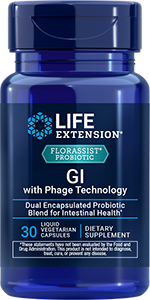
Some of these same strains, as well as a postbiotic that has been shown to help relieve occasional abdominal discomfort, gas and bloating will keep your tummy happy as you age. With probiotic formulas, the delivery system really matters, which is why you want a digestive formula that includes a bacteriophage blend. These microscopic bundles of DNA or RNA help inhibit unwanted bacteria, reducing their presence while supporting the growth of beneficial species. The result is a healthier, more balanced gut environment that promotes digestion, regularity, and overall well-being.
Choose a formula that includes:
- Lactobacillus rhamnosus IMC 501
- Lactobacillus paracasei IMC 502
- Postbiotic HT§ B. longum ES1
- TetraPhage blend

3. Cardiovascular health.
Did you know there is a probiotic strain clinically studied to support cardiovascular wellness? Lactobacillus reuteri NCIMB 30242 has been shown to help maintain already-healthy cholesterol, apolipoproteins, C-reactive protein (CRP), and fibrinogen levels, all key markers of heart health. Used daily, this probiotic can complement a heart-healthy lifestyle and help seniors maintain cardiovascular health, an important part of aging well.
4. Healthy liver function.
Your gut and liver are closely connected, and a healthy microbiome can support liver function. Fortunately, you can find a liver health probiotic that combines seven clinically studied probiotic strains with a prebiotic to help these beneficial bacteria thrive. In clinical studies, this synbiotic formula promoted healthy levels of liver enzymes and other markers and helped inhibit inflammatory factors to support liver health.
Choose a formula that includes:
- Fructooligosaccharide
- Lactobacillus paracasei PXN® 37
- Lactobacillus rhamnosus PXN® 54
- Streptococcus thermophilus PXN® 66
- Lactobacillus helveticus PXN® 35
- Bifidobacterium breve PXN® 25
- Bifidobacterium longum PXN® 30
- Lactobacillus bulgaricus PXN® 39
5. Oral health and healthy gum tissue.
Maintaining healthy teeth and gums is about more than brushing and flossing. Choose an oral probiotic lozenge that combines a probiotic with a postbiotic in a convenient, mint-flavored lozenge to help inhibit unwanted oral bacteria and promote healthy gums. In clinical trials, this probiotic helped participants maintain a balanced oral microbiome, and it supported a healthy inflammatory response.
Includes:
- BLIS M18™ S. salivarius M18
- Immuno-LP20® (HT§ L. plantarum L-137)
Which Probiotic Strain Is Best for Seniors?
There's no one-size-fits-all probiotic, but there is a best choice for your goals. We've broken down the best probiotic strains for older adults for easy comparison.
| Strain | CFU Range in Billions | Primary Benefit | Ideal For |
|---|---|---|---|
| Lactobacillus rhamnosus IMC 501 and Lactobacillus paracasei IMC 502 | 5B | Healthy inflammatory response Improved nutritional status in elderly participants |
Healthy aging |
| Lactobacillus plantarum ECGC 13110402 | 2B | Already-healthy cholesterol levels | Cardiovascular health |
| Lactobacillus reuteri (NCIMB 30242) | 2.5B | Already-healthy cholesterol, apolipoproteins, CRP, and fibrinogen levels | Healthy heart and healthy clot formation |
| S. salivarius M18 | 2.5B | Oral cleanliness/hygiene, healthy inflammatory response | Oral health |
Which probiotic foods should seniors add to their diet?
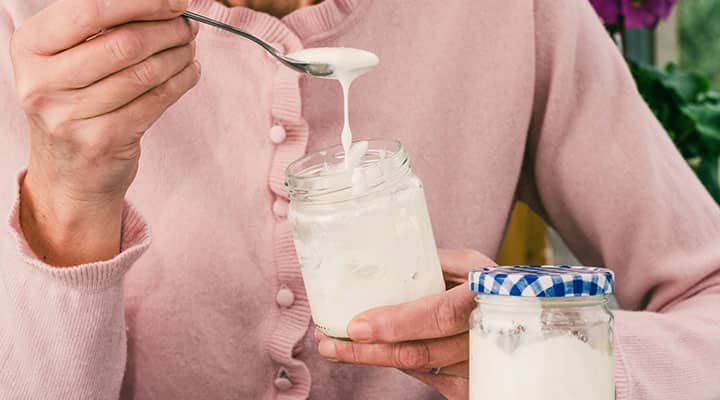
Eating probiotic foods is a delicious way to support gut health and healthy aging. These foods and drinks naturally contain beneficial bacteria that can help maintain a balanced microbiome:
Yogurt.
Look for "live and active cultures" on the ingredient list.Kefir.
This fermented milk drink is packed with probiotics; try it in smoothies.Sauerkraut.
Fermented cabbage is rich in probiotics; add it to sandwiches or as a side.Kimchi.
Go for spicy with fermented Korean cabbage, usually served as a condiment.Miso.
This fermented soybean paste is used in soups, marinades or dressings.Tempeh.
Fermented soybean cake can be grilled or added to a stir-fry.Natto.
These fermented soybeans with a sticky, stringy texture are commonly eaten on rice. This is a popular breakfast dish in Japan.Kombucha.
This fizzy, fermented tea beverage has a tangy flavor.Pickles.
Look for naturally fermented pickles; vinegar-based pickles don't contain probiotics, as vinegar kills off the beneficial bacteria.Sourdough bread.
This naturally fermented bread has live cultures.Cheese.
Some aged or fermented cheeses contain probiotics, particularly soft, raw or unpasteurized varieties like Gouda, mozzarella, cheddar, feta and Swiss.
Can probiotics be taken daily to support healthy aging?

Yes, you should take probiotics daily to help maximize their benefits and support gut health. Daily supplementation, whether through probiotic foods or standardized supplements, helps maintain gut balance and encourages a diverse microbiome that supports healthy aging.
How to choose (and use!) probiotics for seniors
When it comes to probiotics, not all products are created equal. Here are some things to keep in mind:
Match the probiotic to your needs.
Different strains support different health goals. Talk with your healthcare provider about which probiotic may be right for you and take a health quiz for recommendations based on your needs.Look for quality and transparency.
Choose supplements from reputable companies that don't compromise on quality. You should be able to request a Certificate of Analysis (COA) for every product you take.Check the label.
A high-quality probiotic should list the specific strains of bacteria, the number of live cultures (CFUs), and an expiration date. They should also be formulated to survive stomach acid, so the bacteria reach the intestines where they're most effective.Start low and go slow.
Some people may experience mild bloating or gas at first, so you may want to build up to the recommended dose if you experience discomfort. Never exceed the recommended dose or the advice of a healthcare provider and monitor how your body responds.Use consistently.
Probiotics work best when taken regularly.


References
- Babina K, et al. "A Three-Month Probiotic (the Streptococcus salivarius M18 Strain) Supplementation Decreases Gingival Bleeding and Plaque Accumulation: A Randomized Clinical Trial." Dent J (Basel). July 2024. https://pubmed.ncbi.nlm.nih.gov/39057009/
- Babina K, et al. "Antigingivitis and Antiplaque Effects of Oral Probiotic Containing the Streptococcus salivarius M18 Strain: A Randomized Clinical Trial." Nutrients. September 2023. https://pubmed.ncbi.nlm.nih.gov/37764667/
- Badal VD, et al. "The Gut Microbiome, Aging, and Longevity: A Systematic Review." Nutrients. December 2020. https://pubmed.ncbi.nlm.nih.gov/33297486/
- Costabile A, et al. "An in vivo assessment of the cholesterol-lowering efficacy of Lactobacillus plantarum ECGC 13110402 in normal to mildly hypercholesterolaemic adults." PLoS One. December 2017. https://pubmed.ncbi.nlm.nih.gov/29228000/
- Eslamparast T, et al. "Synbiotic supplementation in nonalcoholic fatty liver disease: a randomized, double-blind, placebo-controlled pilot study." Am J Clin Nutr. March 2014. https://pubmed.ncbi.nlm.nih.gov/24401715/
- Febvre HP, et al. "PHAGE Study: Effects of Supplemental Bacteriophage Intake on Inflammation and Gut Microbiota in Healthy Adults." Nutrients. March 2019. https://pubmed.ncbi.nlm.nih.gov/30897686/
- Holzer P, et al. "Gut Signals and Gut Feelings: Science at the Interface of Data and Beliefs." Front Behav Neurosci. July 2022. https://pmc.ncbi.nlm.nih.gov/articles/PMC9296981/
- Jones ML, et al. "Cholesterol lowering and inhibition of sterol absorption by Lactobacillus reuteri NCIMB 30242: a randomized controlled trial." Eur J Clin Nutr. November 2012. https://pubmed.ncbi.nlm.nih.gov/22990854/
- Jones ML, et al. "Cholesterol-lowering efficacy of a microencapsulated bile salt hydrolase-active Lactobacillus reuteri NCIMB 30242 yoghurt formulation in hypercholesterolaemic adults." Br J Nutr. May 2012. https://pubmed.ncbi.nlm.nih.gov/22067612/
- Keleszade E, et al. "The cholesterol lowering efficacy of Lactobacillus plantarum ECGC 13110402 in hypercholesterolemic adults: a double-blind, randomized, placebo controlled, pilot human intervention study." Journal of Functional Foods. February 2022. https://www.sciencedirect.com/science/article/pii/S1756464622000093
- Khan R, et al. "The contribution of age-related changes in the gut-brain axis to neurological disorders." Gut Microbes. January 2024. https://pubmed.ncbi.nlm.nih.gov/38237031/
- Mofidi F, et al. "Synbiotic supplementation in lean patients with non-alcoholic fatty liver disease: a pilot, randomised, double-blind, placebo-controlled, clinical trial." Br J Nutr. March 2017. https://pubmed.ncbi.nlm.nih.gov/28345499/
- Salazar N, et al. "Age-Associated Changes in Gut Microbiota and Dietary Components Related with the Immune System in Adulthood and Old Age: A Cross-Sectional Study." Nutrients. July 2019. https://pubmed.ncbi.nlm.nih.gov/31370376/
- Salvesi C, et al. "Impact of a probiotic diet on well-being of healthy senior: THE PROBIOSENIOR PROJECT." J Appl Microbiol. November 2022. https://pubmed.ncbi.nlm.nih.gov/35938351/
- Salvesi C, et al. "Six-Month Synbio® Administration Affects Nutritional and Inflammatory Parameters of Older Adults Included in the PROBIOSENIOR Project." Microorganisms. March 2023. https://pubmed.ncbi.nlm.nih.gov/36985374/
- Srinivasan M, et al. "Comparing the Effect of Probiotic Streptococcus Salivarius K12 and M18 on the Streptococcus Mutans Count, Salivary Ph and Buffer Capacity: A Randomized Double Blinded Clinical Trial." Cumhuriyet Dental Journal. March 2022. http://cdj.cumhuriyet.edu.tr/en/pub/issue/67901/941928
- Srivastava S, et al. "A randomized double-blind, placebo-controlled trial to evaluate the safety and efficacy of live Bifidobacterium longum CECT 7347 (ES1) and heat-treated Bifidobacterium longum CECT 7347 (HT-ES1) in participants with diarrhea-predominant irritable bowel syndrome." Gut Microbes. January 2024. https://pubmed.ncbi.nlm.nih.gov/38630015/

Always be in the know!
Access the latest deals, wellness news, expert health tips & more!
Digestive Health Favorite