Best Supplements for Men Over 50
Published: July 2026
At a Glance
- Men over 50 may need nutritional support as hormone levels, muscle mass and nutrient status change.
- Protein and creatine help maintain muscle mass and strength, as well as fitness.
- Pomegranate, cacao and luteolin may help support healthy testosterone and male vitality.
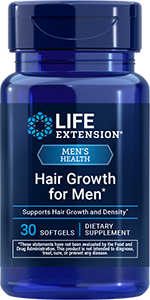
- Saw palmetto has been studied for prostate health, urinary function and hair health.
- Vitamin D3, magnesium and NAD+ boosters support whole-body health and healthy aging.
Getting older has a way of sneaking up on you. One day, you're effortlessly tossing your kids up in the air. The next, those same kids are helping you with the yardwork because your back, joints and energy are not quite what they used to be.
For men over 50, these changes can feel more noticeable. Muscle mass can decline with age, hormones shift and your vitamin D levels may need closer attention. Even if you eat better now than you did years ago, nutrient absorption can change, which means your body may need more targeted nutritional support.
That said, not every product marketed to men 50 and older is worth taking. The best supplements help support clear wellness strategies, like muscle preservation, heart health, prostate health, cognitive function, testosterone support, bone health and healthy aging.
We've compiled a list of supplements for men based on specific goals and nutritional needs after 50, so you can create the perfect supplement stack to complement the lifestyle practices—like exercise and stress management—that are key to healthy aging.
1. Creatine for strength and power
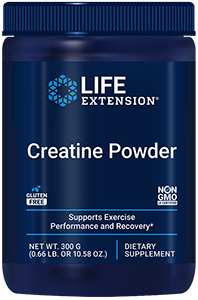
Creatine is one of the most well-studied dietary supplements for muscle strength, power and exercise performance. Creatine is a protein primarily found in muscle cells and the brain. It helps replenish ATP, the cellular fuel that muscles use during short bursts of high-effort activity (like the lifting you do during a garage cleanup, the sprinting you do on a pickleball court or repeated sets in the gym).
Why it's important:
Creatine may be especially useful for men over 50 because adults lose muscle mass as they age, so preserving muscle mass and strength becomes more urgent over time.What the science says:
A meta-analysis of older adults found that creatine plus resistance training significantly improved fat-free mass, chest press strength, leg press strength, and 30-second chair stand performance compared with resistance training alone.Dosage:
A common recommended dose is 3 to 5 grams daily.Pro tip:
Creatine supplementation may be more effective when combined with caffeine because caffeine helps facilitate creatine uptake in muscles.
2. Pomegranate and cacao extract for testosterone support

Healthy testosterone levels support more than sexual health. Testosterone also plays a role in sleep (which affects mood and energy levels), metabolic health, mental health, bone health and muscle health.
Why it's important:
Targeted nutrition helps support healthy testosterone levels, which can shift with age, usually starting at 40. Because levels change, it is important to test your free and total testosterone to ensure they are at optimal levels.What the science says:
Standardized pomegranate and cacao extracts have been studied for male vitality and healthy testosterone support. A clinical study showed men ages 36 to 55 benefited from the pomegranate and cacao extract blend after eight weeks of supplementation. Participants had higher free testosterone levels, lower stress measures, improved well-being, and greater hand-grip strength compared with baseline.Dosage:
The trial studied a dose of 400 mg of a pomegranate-cacao seed extract blend daily.Pro tip:
Testing your free and total testosterone levels is the best place to start when considering supplementation.Other supplements to consider: Luteolin.
Luteolin is a flavonoid found in foods like parsley, celery and green peppers. For men over 50, luteolin may be useful because it has been studied for free testosterone support, especially when paired with fenugreek fibers. In a clinical study, luteolin with fenugreek fibers helped support healthy levels of total testosterone, free testosterone and sex hormone-binding globulin, also called SHBG. SHBG is a protein that binds to hormones and can affect how much free testosterone is available. Luteolin may be a good fit for men who want targeted support for male vitality and healthy aging.
3. Saw palmetto for prostate and hair support

Saw palmetto (Serenoa repens) is a plant native to the southeastern United States with dense populations throughout Florida. Saw palmetto berries are a rich source of the bioactive compound beta-sitosterol, which has been clinically studied to support prostate health and normal urinary health. Saw palmetto also supports healthy levels of the hormone dihydrotestosterone (DHT), which is involved in the hair growth cycle and prostate health.
Why it's important:
Prostate health and maintaining normal urinary patterns become more important as men age. Hair health can also be a concern, especially when changes in DHT are involved.What the science says:
Saw palmetto has been studied at different dosages. In one study, 100 mg of saw palmetto oil daily helped support hair density and reduce hair shedding after 16 weeks of supplementation. Blood testing also showed support for healthy DHT levels. In another study, 320 mg of saw palmetto extract daily helped support peak urinary flow and prostate scores compared with placebo.Dosage:
Saw palmetto has been studied at dosages ranging from 100 mg to 320 mg daily.Pro tip:
Look for formulas that combine beta-sitosterol and saw palmetto with boron, stinging nettle and pygeum for comprehensive prostate support.
4. NAD+ boosters for healthy aging and cellular energy

NAD+ is an important coenzyme that is required for hundreds of vital cellular functions. It helps the body generate cellular energy in the form of ATP and supports cellular metabolism. Nicotinamide mononucleotide (NMN) and nicotinamide riboside (NR) are the two NAD precursors that can be used to boost NAD+ levels and support healthy aging.
Why it's important:
NAD+ levels decline with age, which means that by age 50, your levels will likely be far from where they were in your youth. Lifestyle factors like poor sleep hygiene and poor diet can also affect NAD+ status.What the science says:
Both NMN and NR have been shown to boost NAD+ levels, but NMN is more cost effective. In clinical studies, NMN supplementation has been shown to support NAD+ levels and walking performance, as well as sleep quality in older adults.Dosage:
NR and NMN have been studied in doses ranging from 100 mg to several hundred milligrams daily. A good dose to start with is 100–300 mg.Pro tip:
Healthy lifestyle choices and foods with vitamin B3, such as poultry, fish, legumes and nuts, can also support NAD+ production naturally.
5. Supplements for your functional fitness

Functional fitness isn't just about gym gains; it's whether you can carry in the groceries, open that stubborn jar, or take an after-dinner walk with your wife. Extracts of a plant you've probably never heard of, Sphaeranthus indicus, combined with Mangifera indica (aka mango), have been shown to improve aerobic fitness, support functional fitness, and promote overall health when combined with regular exercise.
Why it's important:
Strength matters at every age, but it becomes even more important after 50. Muscle, power and endurance tend to decline with age, which can affect everyday balance and independence as well as fitness.What the science says:
A randomized controlled study found this nutrient combination, when used with a bodyweight resistance program, supported healthy vitality, leg strength, muscle endurance, hand-grip strength, walking and sit-to-stand performance when compared with participants who did the resistance program with a placebo.Pro tip:
Sphaeranthus indicus is not a staple food, so most diets don't have it. Some may enjoy eating mango, but the specialized extract found in supplements is formulated to deliver clinical benefits.
6. Protein for muscle preservation

Our bodies rely on protein; it is in every tissue and cell in the body. You get protein from foods, and there are many different types of supplemental protein. Whey protein is the most popular choice, and pea or soy protein is a popular choice among vegans and those who avoid dairy. These types of protein also have the most clinical research.
Why it's important:
Muscle mass tends to decline with age, which makes protein one of the most important nutrients for men over 50. Protein supports lean muscle mass, muscle protein synthesis, immune health and healthy aging.What the science says:
A clinical trial found that whey and pea protein supplementation both supported healthy tissue building and muscle protein synthesis in participants compared with collagen supplementation. Protein intake is also important for supporting immune health. Whey protein naturally contains bovine immunoglobulins such as albumin and lactoferrin, which may further support immune system function.Dosage:
A good target for many men over 50 is about 0.45 to 0.55 grams of protein per pound of body weight per day.Pro tip:
You can get protein from foods like eggs, poultry, fish, beef, dairy, soy, lentils, chickpeas and legumes. Supplemental protein can be especially beneficial when appetite is lower, meals are inconsistent, or daily protein goals are hard to reach through foods alone.
7. Magnesium for whole-body health

Magnesium is one of the most important minerals in your body, and it is necessary for the function of over 600 enzymes. It plays a role in muscle function, nerve function, heart health, bone health, immune system health, brain and nerve health, healthy metabolism, and healthy stress management.
Why it's important:
It is vital that we obtain enough of this health-supporting mineral at any life stage, but some data suggests that magnesium levels may decline with age in certain parts of the body. For this reason, older adults should pay closer attention.What the science says:
One observational study found that intracellular magnesium in muscle was negatively associated with age and positively associated with knee-extension strength. A meta-analysis of 19 studies totaling 532,979 people found that both high dietary magnesium intake and serum magnesium concentrations supported cardiovascular health. Different types of magnesium have been studied for different areas of health, so choose the form that best fits your health goals.Pro tip:
Food sources of magnesium include pumpkin seeds, almonds, cashews, spinach, black beans, edamame and dark chocolate.
8. Vitamin D3 for bone and immune health

We require vitamin D for whole-body health, including heart health, brain, bones, kidneys, muscles, immune function and more. The vitamin D receptor is found on almost every cell in the body. Vitamin D also helps the body absorb calcium, which supports healthy bones and teeth, muscle contraction and nerve function.
Why it's important:
Vitamin D becomes especially important with age because the skin's ability to make vitamin D from sunlight declines over time. A blood test to determine your vitamin D levels is recommended before and during supplementation.What the science says:
Vitamin D has been well-studied for a number of health benefits. Clinical trials have found healthy vitamin D levels help maintain cognitive function and correspond with better scores on cognitive health tests. Vitamin D also plays a vital role in healthy immune function, and it promotes a healthy inflammatory response in the cardiovascular system.Dosage:
Life Extension recommends about 5,000 to 8,000 IU, or 125 to 200 mcg, of vitamin D3 per day to help achieve an optimal blood level of 50 to 80 ng/mL.Pro tip:
Vitamin D can help your body make the best use of calcium-containing foods like dairy products and fortified foods, sardines and leafy greens. The best food sources of vitamin D include salmon and other fatty fish, eggs, mushrooms, beef and liver.
| Goal | Supplements to consider | Why it matters after 50 |
|---|---|---|
| Strength and fitness |
|
Muscle, strength and daily movement can decline with age. |
| Testosterone and vitality |
|
Healthy testosterone levels support sexual health, quality sleep, metabolic health, mental health, bone health and muscle health. |
| Prostate and hair support |
|
Prostate health and DHT-related changes become more relevant with age. |
| Healthy aging |
|
NAD+ supports cellular energy, and levels in the body decline with age. |
| Whole-body health |
|
These nutrients are vital for muscle, bone, brain, immune and heart health. |

Explore Our Best Anti-Aging & Longevity Supplements
Frequently asked questions about supplements for men over 50
Supplements are intended to fill in the gaps in your daily nutrition, and age is a factor. "With age, many changes occur," said Dr. Michael A. Smith, MD. "By age 50, men should consider certain supplements to help support their aging bodies."
What age-related changes affect nutrient needs in men over 50?
As men get older, muscle mass and testosterone levels may decline, their bodies' vitamin D production from sunlight can decrease, and nutrient absorption may not be as efficient. Some men may also need to pay more attention to calcium, vitamin B12, magnesium and protein intake levels depending on their diet, lifestyle, blood work and health goals.
"With age, many changes occur. By age 50, men should consider certain supplements to help support their aging bodies."
Do men over 50 need a multivitamin?
With factors like modern soil quality, lifestyles and age, your healthy diet might not deliver the daily recommended amount of everything your body needs to be healthy. A multivitamin can help fill those nutrient gaps and maintain a healthy nutritional foundation for optimal wellness.How can men over 50 build a daily routine to complement supplements?
Men over 50 should start with the basics: strength training, regular movement, protein-rich meals, quality sleep, morning sunlight, stress management, and routine checkups. Supplements work best when they complement these healthy habits, not replace them.
Key Takeaways
- Multivitamins belong in any supplement stack for men over 50.
- Supplements for men over 50 can support strength, cellular energy, prostate health and healthy aging.
- A smart supplement routine starts with testing, nutrient-rich foods and evidence-backed products.
- Diet, exercise, sleep and stress management still matter most in maintaining optimal health.


References
- Bikle DD. Vitamin D: Production, Metabolism, and Mechanism of Action. National Library of Medicine. June 2025. https://www.ncbi.nlm.nih.gov/books/NBK278935/
- Devries MC, Phillips SM. "Creatine supplementation during resistance training in older adults-a meta-analysis." Med Sci Sports Exerc. June 2014. https://pubmed.ncbi.nlm.nih.gov/24576864/
- Elizondo-Montemayor L, et al. "Seasonal Variation in Vitamin D in Association with Age, Inflammatory Cytokines, Anthropometric Parameters, and Lifestyle Factors in Older Adults." Mediators of Inflammation. September 2017. https://onlinelibrary.wiley.com/doi/10.1155/2017/5719461
- Feldman HA, et al. "Age Trends in the Level of Serum Testosterone and Other Hormones in Middle-Aged Men: Longitudinal Results from the Massachusetts Male Aging Study." The Journal of Clinical Endocrinology & Metabolism. February 2002. https://academic.oup.com/jcem/article-abstract/87/2/589/2846777
- Harris S, et al. "Protein and Aging: Practicalities and Practice." Nutrients. July 2025. https://pubmed.ncbi.nlm.nih.gov/40806046/
- Ijaz A, et al. "Enhancing Muscle Quality: Exploring Leucine and Whey Protein in Sarcopenic Individuals." Journal of Cachexia, Sarcopenia and Muscle. September 2025. https://onlinelibrary.wiley.com/doi/10.1002/jcsm.70060
- Kröse JL, de Baaij JHF. "Magnesium biology." Nephrol Dial Transplant. November 2024. https://pubmed.ncbi.nlm.nih.gov/38871680/
- McKendry J, et al. "The effects of whey, pea, and collagen protein supplementation beyond the recommended dietary allowance on integrated myofibrillar protein synthetic rates in older males: a randomized controlled trial." Am J Clin Nutr. July 2024. https://pubmed.ncbi.nlm.nih.gov/38762187/
- Morifuji M, et al. "Ingestion of β-nicotinamide mononucleotide increased blood NAD levels, maintained walking speed, and improved sleep quality in older adults in a double-blind randomized, placebo-controlled study." Geroscience. October 2024. https://pubmed.ncbi.nlm.nih.gov/38789831/
- Pandit SL, et al. "A proprietary blend of standardized Punica granatum fruit rind and Theobroma cocoa seed extracts mitigates aging males' symptoms: A randomized, double-blind, placebo-controlled study." Int J Med Sci. July 2022. https://pubmed.ncbi.nlm.nih.gov/35928723/
- Qu X, et al. "Magnesium and the risk of cardiovascular events: a meta-analysis of prospective cohort studies." PLoS One. 2013. https://pubmed.ncbi.nlm.nih.gov/23520480/
- Sudeep HV, et al. "Oral and Topical Administration of a Standardized Saw Palmetto Oil Reduces Hair Fall and Improves the Hair Growth in Androgenetic Alopecia Subjects - A 16-Week Randomized, Placebo-Controlled Study." Clin Cosmet Investig Dermatol. November 2023. https://pubmed.ncbi.nlm.nih.gov/38021422/
- Van Deelen TR. "Serenoa repens, saw palmetto." U.S. Department of Agriculture. August 1991. https://research.fs.usda.gov/feis/species-reviews/serrep
- Ye Z, et al. "Efficacy and Safety of Serenoa repens Extract Among Patients with Benign Prostatic Hyperplasia in China: A Multicenter, Randomized, Double-blind, Placebo-controlled Trial." Urology. July 2019. https://pubmed.ncbi.nlm.nih.gov/30880074/
- Yi L, et al. "The efficacy and safety of β-nicotinamide mononucleotide (NMN) supplementation in healthy middle-aged adults: a randomized, multicenter, double-blind, placebo-controlled, parallel-group, dose-dependent clinical trial." Geroscience. February 2023. https://pmc.ncbi.nlm.nih.gov/articles/PMC9735188/
- "Vitamin D." Mayo Clinic. March 2025. https://www.mayoclinic.org/drugs-supplements-vitamin-d/art-20363792

Always be in the know!
Access the latest deals, wellness news, expert health tips & more!
Popular Supplement