Best Supplements by Age: What to Take in Your 30s, 40s, 50s, and 60s
Published: September 2025
From your kids' favorite snacks to a college-era ramen supply, your pantry often speaks to where you are along your journey. While some staples may remain steady on your shelf, your go-tos likely won't stay constant as you age. This is also the case when it comes to dietary supplements.
Nutritional needs naturally shift with age. You may have picked up on small dips in your energy, your recall, or how your body feels as you rise out of bed each morning. Such change is inevitable, but it doesn't have to mean it's all downhill from here!
It does mean, however, that you should periodically review your supplement routine to make sure everything you're taking is relevant to your current health needs. While every adult should take a science-based multivitamin and other "core" supplements, the same doesn't hold for all products. It's normal for the PMS support and ashwagandha that you prize in your 30s to give way to gut health and hormone support in your 40s and bone, bladder and energy formulas in your 50s and 60s.
In addition to your core supplements, meet your body's changing needs with informed, age-specific supplements tailored to your journey. In the breakdown below, we'll show you how.
Supplements to Take in Your 30s

Your 30s are all about building a strong foundation with support for stress management, energy balance, healthy skin, and muscle strength. Along with your core supplements, here are some specific suggestions for making the most of your 30s:
1. Omega-3 fatty acids for whole-body health
Technically a core supplement for all adults, Omega-3 fatty acids EPA and DHA provide a great foundation for heart health, supporting blood vessel function and helping to maintain already-healthy blood pressure and cholesterol levels. Omega-3s promote healthy cognitive function and mood health and help inhibit inflammatory factors to support joint health. Omega-3s are also easy to get into your diet with fatty fish (like salmon), chia seeds and flax seeds.
2. Ashwagandha for stress management
Your 30s can be intense. Ashwagandha is well-known as a calming adaptogen with roots in the Ayurvedic tradition. Ashwagandha encourages a healthy response to stress, including stress-related muscle tension. It can also support healthy memory and concentration and help your body maintain already-healthy cortisol levels.
Ashwagandha can be found in many tea recipes, like moon milk, but more conveniently as a standardized extract in daily capsules to help you manage your day-to-day routine.
3. Creatine for muscle strength
Muscle mass and strength naturally decline with age. Now is the time to position yourself for good health in your 30s and onward. Creatine monohydrate supplementation is great for power in and outside of the gym. As one of the best-studied nutrients for lean muscle mass, creatine has become a staple for supporting exercise performance and recovery down to the cellular level, with support for ATP (adenosine triphosphate) production.
Creatine is naturally produced in the liver and kidneys but is primarily found in the diet through foods like red meat or poultry. Unflavored creatine powders can be easily mixed into water or your morning smoothie for the benefits of consistent creatine supplementation.

4. For women: PMS support
For women of reproductive age, that time of the month may call for extra support. Your cycle shouldn't stand in the way of your goals. Ingredients like ginger extract, magnesium, and vitamin B6 have been clinically studied to relieve PMS-related physical and emotional discomforts.
PMS isn't a one-size-fits-all experience for women, from fatigue and nausea to those tough menstrual cramps. It's best to choose a comprehensive PMS formula to help you stay your best throughout all stages of your menstrual cycle.
BONUS: Make headway on aging with magnesium
In your 30s, aging and longevity may not be at the top of your priorities, but now is the perfect time to get ahead. Magnesium, participating in over 600 biochemical reactions in the body, is a superstar for long-term health. It helps maintain calcium levels and supports healthy bone density. It also promotes heart, nerve, and muscle health.
It's important to remember that not all magnesium is the same. Magnesium glycinate is a popular form of this vital mineral bound to a pair of glycine amino acids. This results in a well-absorbed form of magnesium that your body can easily make use of.
Supplements to Take in Your 40s

Your 40s are often a time of growth—of your family, your career, and your responsibilities. Throw in changes to your hormones and metabolism, and this decade is definitely a challenge for most. Good news: Along with your core supplements, these supplements may help.
1. Probiotics for gut health
As you manage work, family and wellness, your gut is managing its own ecosystem: the gut microbiome. Stress, diet and age-related changes can throw you off your game. Probiotics promote optimized digestion and nutrient uptake in your gut while fighting off bad bacteria, helping you maintain daily balance from the inside out.
The best probiotics are clinically studied to relieve digestive discomforts, such as occasional gas and bloating, and help keep you regular. Formulas that use bacteriophage technology to target unwanted bacteria can help you maintain a healthy and balanced microbiome.
2. Collagen for skin and joints
Your 40s are when you might start noticing changes to your skin (and joints). Whether you are stretching or smiling, this powerful protein helps your skin and joints bounce back. Collagen helps to reduce the appearance of wrinkles while also promoting joint health, cartilage health and joint comfort, so you can continue to move freely.
Although collagen makes up about one-third of your body's protein, the collagen typically found in foods can be difficult for your body to absorb. Opting for hydrolyzed collagen as part of your supplement routine may help offset the slowing of collagen production that happens as you age.
3. Healthy hair support
Your schedule isn't slowing down, but your hair growth might be. Maintain your luscious locks with clinically studied extracts for healthy hair. Both men and women will be looking to maintain normal levels of DHT (dihydrotestosterone), a hormone linked to hair follicle health. Saw palmetto extract has been shown to reduce shedding and promote hair regrowth for both him and her by supporting healthy DHT levels.
When choosing a hair growth supplement, women should keep an eye out for formulas with ceramides, a well-known lipid with clinically studied potential to preserve collagen integrity and promote hair health on the cellular level. Men, on the other hand, should look for formulas featuring the plant power of black rice and prickly pear extracts to support hair growth.

4. Vitamin D3 and K2 for bone health
As you get older, you want to prioritize healthy bones. It's not just about calcium; there are a few key players to watch. Vitamin D3 is important in calcium absorption, while vitamin K2 helps direct calcium to build strong bones and promote proper circulation by inhibiting calcium build-up in the arteries.
There are extensive benefits to maintaining healthy vitamin D levels. Even if you spend a lot of time in the sun, there's a chance your body is still not producing enough of this important vitamin. If you haven't already, your 40s are the perfect time to add a balanced vitamin D formula into your supplement lineup.
5. Lutein and zeaxanthin for ocular health
Changes in your vision become more common in your 40s and beyond. This power duo provides antioxidants to help you stay focused on eye health. Lutein and zeaxanthin are macular carotenoids: a class of phytonutrients found in abundance in the macula in the back of your eye. With the nutritive support of these carotenoids, the macula can better perform its role in protecting your eyes' delicate photoreceptor cells from excess blue and ultraviolet light.
For optimal absorption, you will want to pair lutein and zeaxanthin with phospholipids. You can find phospholipids in dietary sources like eggs or fish, or in a standardized eye support supplement.
6. For men and women: hormone and mood support
Adults often start experiencing hormonal changes in their 40s. For women, perimenopause may be a concern. Fenugreek is a Mediterranean herb that has been studied to support the body's natural pathways for estrogen production and encourage healthy mood, sleep and overall well-being.
As male testosterone levels decline with age, stress, and poor nutrition, men can support healthy free testosterone levels with clinically studied ingredients like pomegranate or cacao extracts. Healthy testosterone levels can help maintain male sex drive, muscle and bone mass, and physical strength.
BONUS: NAD+ for cellular energy that lasts
NAD+ (nicotinamide adenine dinucleotide) is a coenzyme that is crucial for the production of ATP, your cells' energy currency. It is found in every cell in the body and is necessary for cellular energy metabolism—but levels begin to decline in middle age. On the bright side, an NAD supplement can help increase blood levels of NAD+ to support the production of cellular energy.
Supplements to Take in Your 50s

Ease into your 50s with support for inflammation health, cardiovascular health, menopause and more. In addition to core supplements, adapt and overcome all the changes coming your way with the following nutrients.
1. Complete bone support
Lifelong support for bone health is important but now is when it starts to be a pressing concern. Look for well-rounded bone support formulas with clinically studied ingredients like menaquinone-4 (MK-4), a special form of vitamin K2 tested for its effectiveness in maintaining bone mineral density, especially in postmenopausal women.
A blend of calcium, D3, K2, and trace minerals can help you maintain strong, resilient bones. A good option is a Bone Restore formula, which has four different types of calcium plus vitamin D3 (essential for calcium absorption from the digestive tract to the bloodstream). Trace minerals, like boron, zinc, and manganese, are also essential for healthy bone density.
2. Curcumin for inflammation health support
Behind turmeric's golden glow are curcuminoids, the active compounds responsible for its long-standing tradition as a powerful Ayurvedic spice. Curcuminoids promote a healthy inflammatory response to support joint and vital organ health. Curcumin also supports immune system health, cardiovascular health, and even healthy brain function with neuro-protective benefits.
Although turmeric root contains curcumin, it is found in low concentrations and with low bioavailability, meaning the body has a hard time absorbing it. For this reason, those looking to experience curcumin's full-body benefits should consume a standardized supplement with complementary fenugreek fiber to boost absorption.
3. Omega-3s for heart health
Your 50s are about pushing forward, not slowing down. Omega-3 fatty acids help your heart keep up. EPA and DHA omega-3 fatty acids support already-healthy LDL and HDL cholesterol and triglyceride levels. These healthy fats promote blood flow, healthy blood vessel function, and maintain healthy blood pressure.
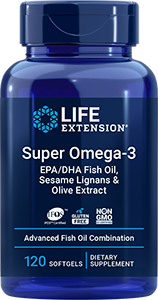
Not all sources of omega-3 are made the same. Look for a daily supplement with IFOS-certified fish oil and the added cardiovascular support of olive extract or sesame lignans, which mirror the health benefits of the popular Mediterranean diet.

4. Bladder health support
From waking up in the middle of the night to one too many bathroom trips during your workday, "nature's call" interrupts the daily routine of many older adults. Your bladder is a muscle, and like many others in the body, its strength often declines with age. Fortunately, men and women can find gender-specific dietary formulas to promote urinary tract health as well as bladder structure and function.
5. For men and women: prostate support and menopause relief
Prostate changes are common with aging; urinary health and prostate support can help to ease these transitions. Complementary ingredients like saw palmetto and pygeum can help to maintain healthy prostate size and function, as well as prostate-specific antigen (PSA) levels. When it comes to sensitive prostate cells, you will want to make sure you are choosing a supplement with comprehensive support.
Women also see a lot of changes with age. Menopausal discomforts are common in women as estrogen levels start to change, causing discomforts like hot flashes, mood swings, vaginal dryness and weight gain. Hormonal changes may also affect healthy bone mineral density. A menopause relief supplement can help relieve common menopausal discomforts and support joint and muscle comfort as well as healthy sexual function.
BONUS: Resveratrol to age like fine wine
Resveratrol is a well-known healthy aging nutrient found in the skins of fruit such as grapes, blueberries, and raspberries. This powerful polyphenol supports both heart and brain health. On the cellular level, resveratrol can help to support mitochondrial function and shield your cells from oxidative stress. From staying sharp to staying strong, resveratrol is a must-have in your wellness lineup. Look for formulas with the increased bioavailability of trans-resveratrol to get the most from your supplement.

Explore Our Best Multivitamin Supplements
Supplements to Take in Your 60s and Beyond

In your 60s and beyond, maintaining cognitive health, muscle strength, and immune support will help keep you sharp and steady.
1. Multivitamin for comprehensive wellness
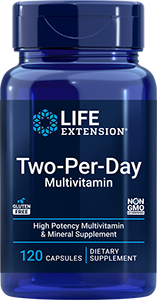
Even if you have perfected your diet, it can be particularly difficult to meet your body's needs with age. You will want to look for a multivitamin formula that goes above and beyond conventional formulas. Look for a high-potency dietary supplement that meets, or exceeds, the Recommended Dietary Allowance (RDA) for your key vitamins, minerals, and health-promoting nutrients.
A good multivitamin can be the difference between getting through your day and making the most of it. Beyond general health benefits, recent research even suggests that regular use of multivitamins promotes cognitive health with age.
2. Creatine for muscle mass
From chasing grandkids to carrying in groceries, maintaining muscle mass is the key to maintaining quality of life. Creatine promotes strong muscles and healthy endurance by supporting higher levels of ATP (adenosine triphosphate), the body's energy currency. Creatine has been found to have positive effects on strength and body composition in older adults, especially when paired with resistance training.
If you are also looking to fuel your mind muscles, consider combining creatine with the cognitive support of a 2 g dosage of acetyl-L-carnitine. Acetyl-L-carnitine has been studied to encourage both mental and physical energy as well as cognitive function.
3. Methylcobalamin for brain power
Feeling vibrant in your 60s, 70s and 80s isn't about doing everything under the sun. It's about giving your body what it needs to stay sharp and energized. Vitamin B12, also known as cobalamin, is a water-soluble vitamin commonly found in animal-based foods. Digestive changes with age can affect absorption, impacting B12 intake in older adults.
To overcome these challenges, vitamin B12-fortified foods and supplements are highly recommended. B12 helps to maintain healthy homocysteine levels while supporting brain health, cognition, and red blood cell production. Methylcobalamin is a form of B12 that is readily bioavailable and active in the central nervous system.
4. Magnesium for cognitive support
With age comes wisdom, but also those pesky "senior moments" that will have you questioning where you left your glasses. (Hint: They're on your head.) A special form of magnesium, L-threonate, is a smart choice for cognitive function. This essential mineral has been well-studied to support healthy memory, quick thinking and overall cognitive health. Lithium is another nutrient prized for its role in keeping your mind and memory sharp. It promotes brain health and function and supports your body's process for clearing proteins from the brain.
5. Melatonin for sleep support
Another sign of getting older: You may have a harder time falling asleep and staying asleep. Supplementing with melatonin, your body's sleep hormone, promotes falling asleep and restful sleep, with added immune health benefits and the antioxidant protection that promotes cellular DNA health. Alternatives to melatonin, like ashwagandha and GABA, can also help you relax and get that much-needed shut-eye.

BONUS: Crack the aging code
Ergothioneine is a mushroom-derived amino acid with powerful cell-protecting properties. This cutting-edge nutrient is found in almost every cell in the body and it promotes healthy aging by protecting against oxidative stress. This antioxidant activity has full-body health benefits.
As we age, ergothioneine levels naturally decline. Our bodies do not naturally produce this amino acid, so dietary supplementation is necessary. Ergothioneine is most popularly found in foods like mushrooms or beans but is also in convenient 25 mg daily capsules for healthy aging support.
Outsmart Aging: Supplements by Decade
| Age Group | Focus | Recommended Supplements |
|---|---|---|
| Core supplements for every adult |
General support | Multivitamin with B vitamins, D3 & minerals Omega-3s (fish oil) CoQ10 Probiotics Curcumin |
| 30s | Stress management Energy balance Healthy skin Muscle strength |
Omega-3s Ashwagandha Creatine PMS support Magnesium glycinate |
| 40s | Hormonal shifts Metabolic changes Early signs of aging |
Probiotics Collagen Healthy hair support Vitamin D3 & K2 Hormone & mood support Lutein and zeaxanthin NAD+ |
| 50s | Inflammation health support Menopause Cardiovascular health |
Complete bone support Curcumin Omega-3s Bladder health support Prostate support & menopause Relief Resveratrol |
| 60s and beyond | Cognitive health Muscle maintenance Immune support Sleep health |
Comprehensive multivitamin Creatine Vitamin B12 (methylcobalamin) Melatonin Magnesium L-threonate Ergothioneine |
Do I need different supplements for menopause?

While you may not need different supplements for menopause, many women find relief from menopause-specific symptoms with specialized formulas. Ingredients like Siberian rhubarb extract may help ease menopausal discomforts like hot flashes and irritability, while bone health supplements may play a critical role in promoting long-term skeletal health.
Do men and women need different nutrients as they age?
While their foundational nutrients are the same, men and women often benefit from different dosages and targeted formulas. For example, women may need more iron pre-menopause, while men may focus more on prostate health and muscle preservation. Ensure you're getting your core supplements, then choose additional supplements tailored to your sex, age, and health goals.
Should you take supplements if you already eat healthy?
A healthy diet may look different from one person to the next, especially as your body changes with age. Supplements can help fill in the gaps and offer targeted support where your diet may fall short. You should consult your doctor before starting any supplement regimen or making any significant lifestyle changes.
Looking to refine your supplement routine? Discover the path to achieving your health goals with our personalized health quiz.


About the Author: Kylie Long is a student at Nova Southeastern University working toward becoming a registered dietitian. She is excited to combine her passion for nutrition and marketing to make wellness more accessible. This summer, she joined Life Extension as a Copy and Content Intern.
References
- An P, et al. "Micronutrient Supplementation to Reduce Cardiovascular Risk." Journal of the American College of Cardiology. 2022;80(24):2269-2285. doi:10.1016/j.jacc.2022.09.048
- Antonio J, et al. "Common questions and misconceptions about creatine supplementation: what does the scientific evidence really show?" J Int Soc Sports Nutr. February 2021. https://pmc.ncbi.nlm.nih.gov/articles/PMC7871530/
- Candow DG, et al. "Effectiveness of Creatine Supplementation on Aging Muscle and Bone: Focus on Falls Prevention and Inflammation." J Clin Med. April 2019. https://pmc.ncbi.nlm.nih.gov/articles/PMC6518405/
- Cestone E, et al. "Efficacy of Oryza Sativa L. (Black Rice) and Opuntia Ficus Indica L. Blend in Men with Androgenetic Alopecia: A Randomized, Double-Blind, Placebo-Controlled Clinical Trial." Journal of Cosmetology & Trichology. 2023. https://www.hilarispublisher.com/open-access/efficacy-of-oryza-sativa-l-black-rice-and-opuntia-ficus-indica-l-blend-in-men-with-androgenetic-alopecia-a-randomized-do.pdf
- Dubey VP, et al. "Efficacy evaluation of standardized Rheum rhaponticum root extract (ERr 731®) on symptoms of menopause: A systematic review and meta-analysis study." J Biomed Res. April 2024. https://pubmed.ncbi.nlm.nih.gov/38646867/
- Dudonné S, et al. "Efficacy of a wheat polar lipid complex in reducing hair loss and improving hair growth in healthy women: A randomized, double-blind, placebo-controlled clinical study." Int J Cosmet Sci. April 2024. https://pubmed.ncbi.nlm.nih.gov/37935579/
- Huang Y, et al. "Associations of fish oil supplementation with incident dementia: Evidence from the UK Biobank cohort study." Front Neurosci. 2022;16:910977. doi:10.3389/fnins.2022.910977
- Khanna A, et al. "Efficacy of a novel extract of fenugreek seeds in alleviating vasomotor symptoms and depression in perimenopausal women: A randomized, double-blinded, placebo-controlled study." Journal of Food Biochemistry. October 2020. https://onlinelibrary.wiley.com/doi/10.1111/jfbc.13507
- Pu SY, et al. "Effects of Oral Collagen for Skin Anti-Aging: A Systematic Review and Meta-Analysis." Nutrients. April 2023. https://pmc.ncbi.nlm.nih.gov/articles/PMC10180699/
- Srivastava MK, et al. "A Combination of Punica granatum Fruit Rind and Theobroma cacao Seed Extracts Enhances Sexual Function in Aging Males in a Randomized, Double-blind, Placebo-controlled Study." International Journal of Medical Sciences. January 2025. https://www.medsci.org/v22p0383.htm
- Sudeep HV, et al. "Oral and Topical Administration of a Standardized Saw Palmetto Oil Reduces Hair Fall and Improves the Hair Growth in Androgenetic Alopecia Subjects - A 16-Week Randomized, Placebo-Controlled Study." Clin Cosmet Investig Dermatol. November 2023. https://pubmed.ncbi.nlm.nih.gov/38021422/
- Yeung LK, et al. "Multivitamin Supplementation Improves Memory in Older Adults: A Randomized Clinical Trial." The American Journal of Clinical Nutrition. July 2023. https://ajcn.nutrition.org/article/S0002-9165(23)48904-6/fulltext
- "Adult Vision: 41 to 60 Years of Age." American Optometric Association. https://www.aoa.org/healthy-eyes/eye-health-for-life/adult-vision-41-to-60-years-of-age
- "Aging and Your Eyes." National Institute on Aging. https://www.nia.nih.gov/health/vision-and-vision-loss/aging-and-your-eyes
- "How can strength training build healthier bodies as we age?" National Institute on Aging. June 2022. https://www.nia.nih.gov/news/how-can-strength-training-build-healthier-bodies-we-age
- "Osteoporosis: What You Need to Know as You Age." Johns Hopkins Medicine. https://www.hopkinsmedicine.org/health/conditions-and-diseases/osteoporosis/osteoporosis-what-you-need-to-know-as-you-age
- "Sleep and Older Adults." National Institute on Aging. https://www.nia.nih.gov/health/sleep/sleep-and-older-adults
- "Chance of B12 deficiency increases as people age." UCLA Health. March 2022. https://pmc.ncbi.nlm.nih.gov/articles/PMC10180699/
- Int J Mol Sci. 2023;24(3)
- Biol Trace Elem Res. 2023;201(12):5640-5651.
- ACS Omega. 2022;7(50):46825-46832.
- Curr Opin Gastroenterol. 2023;39(2):125-128.
- FEBS Lett. 2022;596(10):1270-1278.

Always be in the know!
Access the latest deals, wellness news, expert health tips & more!
Customer Favorite