



Life Extension Magazine®

Broccoli Protects the Aging Brain
Sulforaphane, a compound found in broccoli, was shown in clinical studies to improve multiple aspects of cognitive function, including processing speed and memory in adults.
Scientifically reviewed by: Gary Gonzalez, MD, in November 2025. Written by: Roger Stanton.
Everyone knows that broccoli and other cruciferous vegetables are good for you.
One reason is a cruciferous nutrient called sulforaphane that has been shown to have potent anti-cancer activity.1,2
Researchers are now finding preclinical evidence indicating sulforaphane offers protection for our aging brain as well.3-7
In animal models it defends against various forms of degenerative brain damage, from strokes to Alzheimer’s.8-12
In two studies of healthy older humans, it has been shown to improve mood and cognitive function.13,14
Sulforaphane Defends Cells
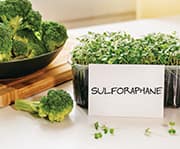
Broccoli, cabbage, Brussels sprouts, and other cruciferous vegetables give off a pungent odor when they are cooking. That’s because sulfur-containing compounds are being released, called glucosinolates, such as glucoraphanin.15
Glucoraphanin is a precursor to sulforaphane.
When we eat cruciferous vegetables, the precursor mixes with an enzyme in the plants called myrosinase, producing sulforaphane.16
Sulforaphane is recognized as an anti-inflammatory compound linked to a wide range of health benefits.3
Sulforaphane works by activating Nrf2, a protein that is involved in cellular detoxification and that switches on protective genes, enabling cells to defend against stress and harmful toxins.17,18
Preclinical and some clinical evidence has shown some of the other ways sulforaphane protects cells and tissues, including:
- Improving mitochondrial health. Studies show that it helps restore mitochondrial function in aging tissues, increases ATP output, and protects against oxidative damage. These benefits are linked to better muscle and heart performance, as well as some protection against age-related cognitive decline in animal models.12,19-21
- Reducing inflammation. Sulforaphane inhibits the activity of NF-kB (nuclear factor-kappa B), the master regulator of harmful chronic inflammation that drives age-related diseases, as well as cancer.22,23
- Improving insulin sensitivity. Human and animal studies show that sulforaphane improves cellular metabolism, insulin sensitivity, and blood sugar levels, suggesting its potential as an anti-diabetic nutrient that may help mitigate the effects of high blood sugar.24-28
- Protecting against glycation. In diabetics and healthy adults, glucose can attach to other molecules in the body. This process, called glycation, contributes to accelerated aging and risk for disease. Sulforaphane reduces damage from glycation, including in brain cells.29-31
Protecting the Brain
All these actions have direct benefits for the brain.
Oxidative stress,32 neuroinflammation,32 mitochondrial dysfunction,33 and glycation32 all contribute to neurodegenerative disease and risk for cognitive impairment.
Metabolic dysfunction and insulin resistance in the brain are so closely connected to the development of dementia that some researchers refer to Alzheimer’s as type III diabetes.34
In preclinical models, sulforaphane has been shown to help mitigate these risks.
Cell and animal models indicate that sulforaphane provides protection against brain injury and loss of cognitive function.
For example, in rodent models of neurodegeneration, including Alzheimer’s and Parkinson’s, sulforaphane reduces signs of pathology in the brain and improves cognitive function.4,9,35,36
Researchers have also found that in preclinical models, sulforaphane has been shown to defend against acute and chronic ischemic brain damage (impaired blood flow to the brain), including strokes.10,11,37-39
In models of acute stroke, and chronic vascular impairment in the brain, sulforaphane intake reduces damage done to the brain while protecting against cognitive impairment that normally results from these injuries.
In a piglet model of ischemic injury, for example, giving the animals sulforaphane resulted in an almost doubling of neuron viability in affected brain regions.39
In models of traumatic brain injury and surgical anesthesia, sulforaphane protects against cognitive dysfunction.8,40
Human Studies
Human studies provide evidence of sulforaphane’s effects on the brain and mental function.
In one trial, healthy, older adults took sulforaphane or a placebo daily for 12 weeks. While the placebo had no effect, taking sulforaphane led to significant improvements on tests of cognitive function, including overall processing speed and memory.13
What You Need To Know
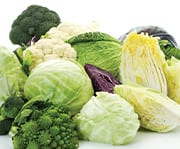
How Broccoli Boosts Brain Power
- Scientists have long recognized the health benefits of cruciferous vegetables like broccoli, cabbage, Brussels sprouts, and kale.
- Sulforaphane, a sulfur-containing compound derived from these vegetables, has been shown to be responsible for many of these benefits, including anticancer activity.
- Scientists have found in preclinical studies that sulforaphane also supports brain health and reduces risk for disease in the brain.
- In animal models, sulforaphane has demonstrated benefits for various neurological conditions, including cognitive decline, dementia, and stroke.
- Human trials show that sulforaphane intake can improve cognitive performance and mood.
In another trial of healthy, older adults, sulforaphane intake led to improvement in cognitive function and a decrease in negative mood.14
In two clinical studies in patients being treated for the serious psychotic disorder schizophrenia, the addition of sulforaphane resulted in some symptomatic improvement, and in one study improved inflammatory status as measured by C-reactive protein (CRP) and antioxidant status as measured by superoxide dismutase.41,42
In a six-week clinical trial of patients with a recent history of heart procedures experiencing mild to moderate depression, sulforaphane significantly reduced depressive symptoms, producing a greater drop in depression evaluation scores and higher clinical response rates (30% vs. 6.7%) than placebo.
These results suggest potential benefit and safety in this specific population (heart surgery patients who suffer post-surgery depression) and warrant larger similar studies.43
There are currently several ongoing clinical trials of sulforaphane in the U.S. for conditions including Alzheimer’s,44 Parkinson’s,45 brain injury,46 and more. But the compound’s neuroprotective benefits are already promising.
Maximize Sulforaphane Delivery
Broccoli contains glucoraphanin (a sulforaphane precursor) and an enzyme called myrosinase, which converts glucoraphanin into sulforaphane.
These two compounds are found in different parts of broccoli cells. When we eat the vegetable, they mix together to form sulforaphane.
Sulforaphane is unstable, making it difficult to take orally. Inspired by nature, scientists created a formula that includes the precursor glucoraphanin from broccoli seeds and a robust and stable form of the enzyme myrosinase from mustard seed powder.
When taken this way, the two compounds only combine during digestion, releasing sulforaphane in the gut. That allows it to be rapidly absorbed and circulated throughout the body.
Summary
Sulforaphane is a potent cellular defender derived from cruciferous vegetables like broccoli.
It has shown beneficial activities in the brain, including in animal models of stroke, Alzheimer’s, and other neurodegenerative diseases.
In human studies, sulforaphane intake improved cognitive performance in healthy adults. Clinical trials for various neurological and psychological conditions are currently in progress.
If you have any questions on the scientific content of this article, please call a Life Extension Wellness Specialist at 1-866-864-3027.
References
- Asif Ali M, Khan N, Kaleem N, et al. Anticancer properties of sulforaphane: current insights at the molecular level. Front Oncol. 2023;13:1168321.
- Russo M, Spagnuolo C, Russo GL, et al. Nrf2 targeting by sulforaphane: A potential therapy for cancer treatment. Crit Rev Food Sci Nutr. 2018 May 24;58(8):1391-405.
- Calabrese EJ, Kozumbo WJ. The phytoprotective agent sulforaphane prevents inflammatory degenerative diseases and age-related pathologies via Nrf2-mediated hormesis. Pharmacol Res. 2021 Jan;163:105283.
- Kim J. Pre-Clinical Neuroprotective Evidences and Plausible Mechanisms of Sulforaphane in Alzheimer’s Disease. Int J Mol Sci. 2021 Mar 13;22(6). Santos CL, Weber FB, Bello-Klein A, et al. Glioprotective Effects of Sulforaphane in Hypothalamus: Focus on Aging Brain. Neurochem Res. 2024 Sep;49(9):2505-18.
- Schepici G, Bramanti P, Mazzon E. Efficacy of Sulforaphane in Neurodegenerative Diseases. Int J Mol Sci. 2020 Nov 16;21(22).
- Uddin MS, Mamun AA, Jakaria M, et al. Emerging promise of sulforaphane-mediated Nrf2 signaling cascade against neurological disorders. Sci Total Environ. 2020 Mar 10;707:135624.
- Hua D, Luo A, Wu Z, et al. Sulforaphane improves cognitive dysfunction after surgery and anesthesia in mice: The role of Keap1-Nrf2 signaling. Brain Res Bull. 2022 Apr;181:1-11.
- Khan WU, Salman M, Ali M, et al. Neuroprotective Effects of Sulforaphane in a rat model of Alzheimer’s Disease induced by Abeta (1-42) peptides. Neurochem Int. 2024 Li Q, Fadoul G, Ikonomovic M, et al. Sulforaphane promotes white matter plasticity and improves long-term neurological outcomes after ischemic stroke via the Nrf2 pathway. Free Radic Biol Med. 2022 Nov 20;193(Pt 1):292-303.
- Li X, Ying H, Zhang Z, et al. Sulforaphane Attenuates Chronic Intermittent Hypoxia-Induced Brain Damage in Mice via Augmenting Nrf2 Nuclear Translocation and Autophagy. Front Cell Neurosci. 2022;16:827527.
- Shimizu S, Kasai S, Yamazaki H, et al. Sulforaphane Increase Mitochondrial Biogenesis-Related Gene Expression in the Hippocampus and Suppresses Age-Related Cognitive Decline in Mice. Int J Mol Sci. 2022 Jul 29;23(15).
- Nouchi R, Hu Q, Saito T, et al. Brain Training and Sulforaphane Intake Interventions Separately Improve Cognitive Performance in Healthy Older Adults, Whereas a Combination of These Interventions Does Not Have More Beneficial Effects: Evidence from a Randomized Controlled Trial. Nutrients. 2021 Jan 25;13(2).
- Nouchi R, Hu Q, Ushida Y, et al. Effects of sulforaphane intake on processing speed and negative moods in healthy older adults: Evidence from a randomized controlled trial. Front Aging Neurosci. 2022;14:929628.
- Agagunduz D, Sahin TO, Yilmaz B, et al. Cruciferous Vegetables and Their Bioactive Metabolites: from Prevention to Novel Therapies of Colorectal Cancer. Evid Based Complement Alternat Med. 2022;2022:1534083.
- Vanduchova A, Anzenbacher P, Anzenbacherova E. Isothiocyanate from Broccoli, Sulforaphane, and Its Properties. J Med Food. 2019 Feb;22(2):121-6.
- Houghton CA, Fassett RG, Coombes JS. Sulforaphane and Other Nutrigenomic Nrf2 Activators: Can the Clinician’s Expectation Be Matched by the Reality? Oxid Med Cell Longev. 2016;2016:7857186.
- Cascajosa-Lira A, Prieto AI, Pichardo S, et al. Protective effects of sulforaphane against toxic substances and contaminants: A systematic review. Phytomedicine. 2024 Jul 25;130:155731.
- Jardim FR, Almeida FJS, Luckachaki MD, et al. Effects of sulforaphane on brain mitochondria: mechanistic view and future directions. J Zhejiang Univ Sci B. 2020 Apr.;21(4):263-79.
- Lilley T, Camera DM, Kwa FAA. Repairing muscle with broccoli-derived sulforaphane: A preclinical evaluation for the treatment of mitochondrial myopathies. Drug Discov Today. 2025 Jan;30(1):104283.
- Bose C, Alves I, Singh P, et al. Sulforaphane prevents age-associated cardiac and muscular dysfunction through Nrf2 signaling. Aging Cell. 2020 Nov;19(11):e13261.
- Treasure K, Harris J, Williamson G. Exploring the anti-inflammatory activity of sulforaphane. Immunol Cell Biol. 2023 Oct;101(9):805-28.
- Mazarakis N, Anderson J, Toh ZQ, et al. Examination of Novel Immunomodulatory Effects of L-Sulforaphane. Nutrients. 2021 Feb 12;13(2):602.
- Axelsson AS, Tubbs E, Mecham B, et al. Sulforaphane reduces hepatic glucose production and improves glucose control in patients with type 2 diabetes. Sci Transl Med. 2017 Jun 14;9(394).
- Mthembu SXH, Mazibuko-Mbeje SE, Moetlediwa MT, et al. Sulforaphane: A nutraceutical against diabetes-related complications. Pharmacol Res. 2023 Oct;196:106918.
- Tian S, Wang Y, Li X, et al. Sulforaphane Regulates Glucose and Lipid Metabolisms in Obese Mice by Restraining JNK and Activating Insulin and FGF21 Signal Pathways. J Agric Food Chem. 2021 Nov 10;69(44):13066-79.
- Dwibedi C, Axelsson AS, Abrahamsson B, et al. Effect of broccoli sprout extract and baseline gut microbiota on fasting blood glucose in prediabetes: a randomized, placebo-controlled trial. Nat Microbiol. 2025 Mar;10(3):681-93.
- Tian S, Lei Y, Zhao F, et al. Improving insulin resistance by sulforaphane via activating the Bacteroides and Lactobacillus SCFAs-GPR-GLP1 signal axis. Food Funct. 2024 Aug 27;15(17):8644-60.
- Subedi L, Lee JH, Gaire BP, et al. Sulforaphane Inhibits MGO-AGE-Mediated Neuroinflammation by Suppressing NF-kappaB, MAPK, and AGE-RAGE Signaling Pathways in Microglial Cells. Antioxidants (Basel). 2020 Aug 26;9(9).
- Lv J, Bao S, Liu T, et al. Sulforaphane delays diabetes-induced retinal photoreceptor cell degeneration. Cell Tissue Res. 2020 Dec;382(3):477-86.
- Angeloni C, Malaguti M, Rizzo B, et al. Neuroprotective effect of sulforaphane against methylglyoxal cytotoxicity. Chem Res Toxicol. 2015 Jun 15;28(6):1234-45.
- Li J, Liu D, Sun L, et al. Advanced glycation end products and neurodegenerative diseases: mechanisms and perspective. J Neurol Sci. 2012 Jun 15;317(1-2):1-5.
- Singh A, Kukreti R, Saso L, et al. Oxidative Stress: A Key Modulator in Neurodegenerative Diseases. Molecules. 2019 Apr 22;24(8).
- Gonzalez A, Calfio C, Churruca M, et al. Glucose metabolism and AD: evidence for a potential diabetes type 3. Alzheimers Res Ther. 2022 Apr 20;14(1):56.
- Hou TT, Yang HY, Wang W, et al. Sulforaphane Inhibits the Generation of Amyloid-beta Oligomer and Promotes Spatial Learning and Memory in Alzheimer’s Disease (PS1V97L) Transgenic Mice. J Alzheimers Dis. 2018;62(4):1803-13.
- Lee S, Choi BR, Kim J, et al. Sulforaphane Upregulates the Heat Shock Protein Co-Chaperone CHIP and Clears Amyloid-beta and Tau in a Mouse Model of Alzheimer’s Disease. Mol Nutr Food Res. 2018 Jun;62(12):e1800240.
- Kapoor S, Kala D, Svoboda J, et al. The effect of sulforaphane on perinatal hypoxic-ischemic brain injury in rats. Physiol Res. 2022 Jul 29;71(3):401-11.
- Mao L, Yang T, Li X, et al. Protective effects of sulforaphane in experimental vascular cognitive impairment: Contribution of the Nrf2 pathway. J Cereb Blood Flow Metab. 2019 Feb;39(2):352-66.
- Wang B, Kulikowicz E, Lee JK, et al. Sulforaphane Protects Piglet Brains from Neonatal Hypoxic-Ischemic Injury. Dev Neurosci. 2020;42(2-4):124-34.
- Dash PK, Zhao J, Orsi SA, et al. Sulforaphane improves cognitive function administered following traumatic brain injury. Neurosci Lett. 2009 Aug 28;460(2):103-7.
- Hei G, Smith RC, Li R, et al. Sulforaphane Effects on Cognition and Symptoms in First and Early Episode Schizophrenia: A Randomized Double-Blind Trial. Schizophr Bull Open. 2022 Jan;3(1):sgac024.
- Zeng J, Zhang W, Lu X, et al. The association of SOD and HsCRP with the efficacy of sulforaphane in schizophrenia patients with residual negative symptoms. Eur Arch Psychiatry Clin Neurosci. 2024 Aug;274(5):1083-92.
- Ghazizadeh-Hashemi F, Bagheri S, Ashraf-Ganjouei A, et al. Efficacy and safety of sulforaphane for treatment of mild to moderate depression in patients with history of cardiac interventions: A randomized, double-blind, placebo-controlled clinical trial. Psychiatry and Clinical Neurosciences. 2021;75(8):250-5.
- Available at: https://clinicaltrials.gov/study/NCT04213391?cond=Alzheimer%20Disease&intr=sulphoraphane&rank=1. Accessed October 1, 2025.
- Available at: https://clinicaltrials.gov/study/NCT05084365. Accessed October 1, 2025.
- Available at: https://clinicaltrials.gov/study/NCT04252261? Accessed October 1, 2025.


Wellness
Specialists
1-800-226-2370 - This service is FREE
7:30 AM - 12 AM (ET) Mon-Fri | 9 AM - 12 AM (ET) Sat-Sun