

Life Extension Magazine®

Slow Biological Aging and Increase Healthspan
Adults taking a standardized plant extract for 12 weeks showed no increase in epigenetic age, while preserving telomere length and stabilizing DNA methylation.
By Michael Downey.
Scientists have identified 12 hallmarks of aging that contribute to degenerative processes and the risk of age-related disorders.1-3
A plant extract has been found that targets five of the recognized contributors to aging.
In preclinical work, the extract was shown to reduce:4
- Telomere shortening,
- Oxidative damage,
- Genomic instability,
- Cellular senescence, and
- Chronic inflammation.
In a clinical study published in 2025, adults taking this extract for 12 weeks had no significant increase in epigenetic age, a major determinant of biological age.
The epigenetic age of placebo recipients, on the other hand, increased 1.7 years.4 (You don’t want an older epigenetic age.)
Compared to placebo, the extract led to improvements in leukocyte telomere length and stabilization of DNA methylation age.
These results indicate the potential for this extract to slow multiple contributors of biological age and increase healthspan, the number of years lived in good health.
Biological Vs. Chronological Aging
Many biological processes are associated with degenerative aging.5
Scientists have identified 12 of these biological processes that are called "hallmarks of aging."1,3
Over the years, adverse changes in these processes determine our biological age.5,6
This is different from our chronological age, the number of years we have lived.
Compared to others of the same chronological age, those with accelerated biological aging may seem more frail, are more likely to develop age-related diseases, and have reduced healthspan.5,6
Researchers have searched for ways to slow the rate of changes within one or more of these hallmarks of aging, hoping to decrease biological aging and increase healthspan.
After testing other candidates, they identified a plant called scarlet beebalm, with abilities to target five of the hallmarks of aging.
Beebalm

Scarlet beebalm is an herb native to North America. It has long been used safely by Native Americans to treat respiratory infections and dental disorders.7
This herb is abundant with beneficial flavonoids, including didymin.8 In preclinical studies didymin is known to boost the function of mitochondria (the energy- generating "powerhouses" of cells)7,9 and of endothelial cells lining the insides of blood vessels.7,10
An extract of scarlet beebalm, standardized to 4% didymin, has been demonstrated to slow mechanisms of aging.4
In lab studies, this extract:
- Reduced Oxidative Stress. The extract reduced markers of oxidative damage in stressed cells,11 and lowered levels of protein carbonylation, a type of damage that occurs in proteins exposed to oxidative stress.4
- Slowed Telomere Shortening. Telomeres are like "protective caps" that help shield DNA and keep genetic material stable.12,13 Telomere length and, more importantly, the rate of telomere attrition are strong predictors of species lifespan.14 Telomere shortening is associated with chronic disease, aging, and higher risk of mortality.12,15 Cells treated with scarlet beebalm extract had a significant reduction in the rate of telomere shortening compared to untreated cells.4
- Protected Against DNA Damage. In cells exposed to harmful substances or conditions that damage DNA, the extract reduced markers of DNA damage, showing improved DNA repair and genomic stability.4
- Decreased Cellular Senescence. Dysfunctional senescent cells damage tissues and drive aging.16 Scarlet beebalm extract decreased a common aging marker in aged human cells, indicating reduced cellular senescence.4
- Reduced Inflammation and Improved Endothelial Function. The extract reduced pro-inflammatory markers in endothelial cells, and decreased permeability (leakage) in microvascular endothelial cells. Excess permeability can increase risk for tissue damage and disease.4
Together, these results indicate anti-aging effects and potential cardiovascular benefits.
Healthier Aging
C. elegans are a type of roundworm that live only two or three weeks, making them ideal to study aging.17,18
In a study, worms were divided into three groups. One group received no treatment, another was given sulfamethoxazole, a compound known to extend health and lifespan in C. elegans, and the third group was treated with the scarlet beebalm extract.
Over seven days, the beebalm extract-treated worms showed:19
- Increased time spent moving,
- Improved speed, and
- Greater distances moved.
In other words, the extract enhanced physical activity and vitality over a significant period of the worms’ lifetimes.19
Clinical Trial
In a human study published in 2025, 81 participants aged 45-65 took either 100 mg of scarlet beebalm extract or a placebo daily for 12 weeks.4
Two markers of biological aging showed favorable outcomes in those who took the beebalm extract:
- DNA methylation age, and
- Telomere length.
DNA Methylation Age
DNA methylation is a critical epigenetic process and considered as a predictor of healthspan. Scientists measure DNA methylation age by analyzing chemical tags (called methyl groups) attached to DNA. It is often used to help determine biological age.20
In this study the placebo group’s DNA methylation age increased by 1.7 years in 12 weeks. The scarlet beebalm group, on the other hand, showed no significant increase.4
This stabilization of DNA methylation aging shows support for cellular function and longer healthspan.
What You Need To Know

Counter Aging Processes with Scarlet Beebalm
- An extract of the scarlet beebalm plant addresses five of the known mechanisms or hallmarks of aging, based on cell-based studies.
- In a recent human trial, those who took scarlet beebalm extract showed no significant epigenetic aging during the study, while a placebo group aged epigenetically by 1.7 years.
- This extract also significantly lengthened telomeres (the protective caps on chromosomes) compared to a placebo, and improved quality of life.
- By targeting multiple drivers of aging, this plant extract may slow biological aging and lead to longer healthspan, years of healthy life.

12 Hallmarks of Aging
Scientists have identified 12 aging hallmarks that increase risk of age-related disease and reduced healthspan:1,6,22
- Oxidative damage,
- Telomere shortening,
- Genomic instability,
- Cellular senescence,
- Chronic inflammation,
- Loss of proteostasis (protein balance),
- Disabled autophagy (cellular "housekeeping"),
- Deregulated nutrient-sensing,
- Mitochondrial dysfunction,
- Stem cell exhaustion,
- Altered intercellular communication, and
- Dysbiosis (imbalance of gut microbes).
Researchers have identified a plant called scarlet beebalm with abilities to target five hallmarks of aging in preclinical studies, with clinical findings validating two of these effects.4
Telomere Length
Telomere shortening is a biomarker of cellular aging and is associated with age-related disease and mortality.21
The beebalm-supplemented group showed an increase in leukocyte (a type of immune cell) telomere length compared to the placebo group, which experienced a decline during the study period.
This suggests that beebalm beneficially lengthened telomeres rather than merely preventing their loss.4
Slowing DNA methylation aging and reducing telomere shortening may contribute to a longer healthspan.
In addition, according to a quality-of-life questionnaire, those who took the beebalm extract engaged in more frequent and vigorous physical activity, suggesting they felt healthier as they aged.
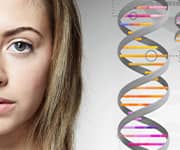
Human Mortality and Telomeres
A 2003 study published in The Lancet examined telomere length in a group of individuals aged 60 or older.
Those with shorter telomeres had an associated 3.18-fold higher mortality rate from heart disease and an 8.54-fold higher mortality rate from infectious disease.23
Summary
An extract of scarlet beebalm has been shown to reduce five drivers of biological aging, including epigenetic alterations and telomere shortening.
In a clinical study, those who took this extract for 12 weeks had no significant increase in epigenetic age, while a placebo group’s epigenetic age increased by 1.7 years.
Leukocyte telomere length increased among treated participants compared to the placebo, indicating potential for longer healthspan.
If you have any questions on the scientific content of this article, please call a Life Extension Wellness Specialist at 1-866-864-3027.
References
- Lopez-Otin C, Blasco MA, Partridge L, et al. Hallmarks of aging: An expanding universe. Cell. 2023 Jan 19;186(2):243-78.
- Lopez-Otin C, Blasco MA, Partridge L, et al. The hallmarks of aging. Cell. 2013 Jun 6;153(6):1194-217.
- Baechle JJ, Chen N, Makhijani P, et al. Chronic inflammation and the hallmarks of aging. Mol Metab. 2023 Aug;74:101755.
- Campisi M, Cannella L, Paccagnella O, et al. Unveiling the geroprotective potential of Monarda didyma L.: insights from in vitro studies and a randomized clinical trial on slowing biological aging and improving quality of life. Geroscience. 2025 Jun;47(3):4253-90.
- Kuiper LM, Polinder-Bos HA, Bizzarri D, et al. Epigenetic and Metabolomic Biomarkers for Biological Age: A Comparative Analysis of Mortality and Frailty Risk. J Gerontol A Biol Sci Med Sci. 2023 Oct 9;78(10):1753-62.
- Elliott ML, Caspi A, Houts RM, et al. Disparities in the pace of biological aging among midlife adults of the same chronological age have implications for future frailty risk and policy. Nat Aging. 2021 Mar;1(3):295-308.
- Yao Q, Lin MT, Zhu YD, et al. Recent Trends in Potential Therapeutic Applications of the Dietary Flavonoid Didymin. Molecules. 2018 Oct 6;23(10).
- Gontar L, Geszprych A, Drutowska A, et al. Essential oil and phenolic compounds in different organs and developmental stages of Monarda didyma L., and their biological activity. Planta. 2025 Jan 15;261(2):37.
- Yang JW, Zou Y, Chen J, et al. Didymin alleviates metabolic dysfunction-associated fatty liver disease (MAFLD) via the stimulation of Sirt1-mediated lipophagy and mitochondrial biogenesis. J Transl Med. 2023 Dec 19;21(1):921.
- Shukla K, Sonowal H, Saxena A, et al. Didymin prevents hyperglycemia-induced human umbilical endothelial cells dysfunction and death. Biochem Pharmacol. 2018 Jun;152:1-10.
- Morelli S, Piscioneri A, Salerno S, et al. Neuroprotective effect of didymin on hydrogen peroxide-induced injury in the neuronal membrane system. Cells Tissues Organs. 2014;199(2-3):184-200.
- Gruber HJ, Semeraro MD, Renner W, et al. Telomeres and Age-Related Diseases. Biomedicines. 2021 Sep 27;9(10).
- Vaiserman A, Krasnienkov D. Telomere Length as a Marker of Biological Age: State-of-the-Art, Open Issues, and Future Perspectives. Front Genet. 2020;11:630186.
- Whittemore K, Vera E, Martinez-Nevado E, et al. Telomere shortening rate predicts species life span. Proc Natl Acad Sci U S A. 2019 Jul 23;116(30):15122-7.
- Chakravarti D, LaBella KA, DePinho RA. Telomeres: history, health, and hallmarks of aging. Cell. 2021 Jan 21;184(2):306-22.
- Zhang L, Pitcher LE, Yousefzadeh MJ, et al. Cellular senescence: a key therapeutic target in aging and diseases. J Clin Invest. 2022 Aug 1;132(15).
- Zhang S, Li F, Zhou T, et al. Caenorhabditis elegans as a Useful Model for Studying Aging Mutations. Front Endocrinol (Lausanne). 2020;11:554994.
- Zavagno G, Raimundo A, Kirby A, et al. Rapid measurement of ageing by automated monitoring of movement of C. elegans populations. Geroscience. 2024 Apr;46(2):2281-93.
- File. SdDo. MonaJuventa Nu significantly improves the healthspan in nematodes. 2025.
- Unnikrishnan A, Freeman WM, Jackson J, et al. The role of DNA methylation in epigenetics of aging. Pharmacol Ther. 2019 Mar;195:172-85.
- Schneider CV, Schneider KM, Teumer A, et al. Association of Telomere Length With Risk of Disease and Mortality. JAMA Intern Med. 2022 Mar 1;182(3):291-300.
- Belsky DW, Caspi A, Houts R, et al. Quantification of biological aging in young adults. Proc Natl Acad Sci U S A. 2015 Jul 28;112(30):E4104-10.
- Cawthon RM, Smith KR, O’Brien E, et al. Association between telomere length in blood and mortality in people aged 60 years or older. Lancet. 2003;361(9355):393-5.


Wellness
Specialists
1-800-226-2370 - This service is FREE
7:30 AM - 12 AM (ET) Mon-Fri | 9 AM - 12 AM (ET) Sat-Sun