

Life Extension Magazine®

Impact of Slightly Low Vitamin B12 on Brain Aging
A recent study suggests that standard B12 levels may be slightly lower than optimal, which could raise the risk of cognitive impairment and dementia in older adults.
Scientifically reviewed by: Gary Gonzalez, MD, in July 2025. Written by: Brad Taylor.
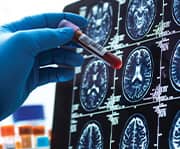
A recent study challenges the definition of what constitutes vitamin B12 deficiency.
The results, published in Annals of Neurology in 2025, suggest that low blood vitamin B12 levels are associated with early neurological changes even at levels previously considered to be adequate in older adults.1
This data adds to a growing body of research indicating that even slightly low B12 levels are associated with harmful changes in the brain and increased risk for cognitive impairment and dementia.2-6
Oral vitamin B12 can maintain adequate levels to help ward off that increased risk.
Getting Enough Vitamin B12
Vitamin B12 is found in animal sources such as beef, lamb, fish, seafood, poultry, and dairy foods. It is not produced in plants, which means vegetarians and especially vegans have an elevated risk of low B12 levels.7
In addition, many individuals have difficulty absorbing vitamin B12 due to factors such as gastritis, gastrointestinal surgeries or abnormalities, certain medications (including antacids and metformin), and other underlying conditions.8
Vitamin B12 is critical for the development, function, and maintenance of the nervous system. It plays a key role in DNA synthesis and supports enzymes essential for nerve health.8
A deficiency in B12 can lead to megaloblastic anemia and serious neurological problems.8,9 These B12-deficiency related neurological problems can include cognitive impairment, psychosis, nerve damage, and balance concerns, even without signs of anemia.
Neurological pathologies caused by B12 deficiency may not become evident until years after the initial deficiency begins. At this point vitamin B12 supplementation can no longer correct the damage, and neurological recovery may no longer be feasible. Early diagnosis and intervention are essential to prevent permanent damage, especially in older adults.10
The most commonly used initial test for diagnosing B12 deficiency is a simple vitamin B12 blood test with a reading of 148 pmol/L or lower often used to indicate deficiency. This level has been historically linked to the onset of clinical symptoms like anemia and neuropsychiatric issues.11
But a growing number of scientists have criticized this cutoff.1,12,13 That’s because even in people with modest reductions in B12 levels that fall within the normal range, damaging changes can occur in the brain that may be associated with a range of neurodegenerative conditions, including Alzheimer’s, Parkinson’s, and multiple sclerosis.1-4,6
B12 and Brain Health
The new (2025) study,1 led by researchers at the University of California, San Francisco, took a fresh approach to evaluating the impact of vitamin B12 on brain aging.
Most studies test for total vitamin B12 in blood. But B12 exists in more than one form in the bloodstream. Therefore, in this study researchers tested the participants for both forms of B12 using both the bioavailable and total B12 blood tests.1
Some circulating B12 is bound to a protein called transcobalamin. This form can be readily used by cells and is considered the active form of vitamin B12.
B12 can also be bound to a protein called haptocorrin. Most cells in the body cannot access haptocorrin-bound B12, making this form functionally inactive.
B12 Blood Test Ranges
According to LabCorp, a nationwide laboratory, the current range for acceptable B12 levels is 232−1245 pg/mL.18
Life Extension has long advocated for maintaining serum vitamin B12 levels above 400 pg/mL to support overall health.
Current research now supports this position, suggesting that ideal B12 concentrations for cognitive support range from, approximately, above 350 pmol/L, though values may vary.1
Individuals with lower levels can easily correct deficiencies through oral B12 supplementation.
Those taking B12 from various supplements often have high B12 levels, which is typical since the lab reference range was created from the general population, and not from those taking B12. Typically, any excess B12 is eliminated in the urine since B12 is a water soluble vitamin.
This 2025 published study enrolled 231 healthy older adults, median age about 71, with no history of cognitive decline or dementia. Researchers also performed various tests of the structure and function of their nervous system.
They found that lower levels of the available formof vitamin B12 correlated with:
- Slower conduction of signals in the brain,
- Slower cognitive processing speeds (how quickly we take in, interpret, and react to information), and
- Increased abnormalities in brain white matter, the nerve fibers that connect different areas of the brain to each other and to the spinal cord.
Many of the subjects with lower bioavailable B12 levels were in the normal range for total B12. But they were still susceptible to the negative effects of low B12.
This suggests that many older adults with “normal” B12 levels may in fact be functionally vitamin B12 deficient, and thus at elevated risk of neurodegenerative disease and cognitive decline.
This frequently goes unrecognized because normal B12 lab levels are assumed to mean “healthy.” Older adults can benefit from taking oral vitamin B12 to keep their active B12 levels in a higher range.
B12 Boosts Cognitive Function
The 2025 published study is not the first to demonstrate that low B12 levels are connected to accelerated brain aging.
A prospective observational study of 107 adult volunteers aged 61 to 87 years, found that low levels of B12 were associated with greater loss of brain volume. Those with the lowest B12 levels had over six times the risk of brain atrophy compared to those with the highest levels.14
In another observational study of older adults, researchers found that markers of vitamin B12 deficiency were associated with smaller total brain volume and poorer cognitive function, including memory.15
A systematic review and meta-analysis of 12 observational studies including participants aged 7 to 70 years, found that vitamin B12 deficiency was associated with cognitive decline and structural (as seen on MRI) and functional brain abnormalities across all age groups.
What You Need To Know
B12 Protects the Brain
- Deficiency of vitamin B12 can lead to nervous system disorders.
- A recent study of older adults found that even low normal levels of the active form of vitamin B12 are associated with slower brain processing speeds and damage to the brain.
- This and other studies suggest that many more adults than previously realized may be at risk for cognitive decline due to suboptimal vitamin B12 levels.
- Oral B12 intake can keep levels of active vitamin B12 high to help reduce risk of brain aging.
In three of these studies that included cognitive testing after vitamin B12 replacement, there was partial to complete recovery of cognitive function.16
These data sets show a clear link between B12 status and brain health. The newest study reveals that many more adults may have dangerously low B12 levels than previously understood.
Taking oral B12 may help to prevent structural brain damage and loss of cognitive function.
Summary
A study published in 2025 reveals that the lower end of “normal” vitamin B12 levels is associated with loss of cognitive function and harmful changes in the brain in older adults.
This study and others suggest that people with both deficient, or low “normal” levels of vitamin B12 should urgently consider taking a vitamin B12 supplement to support brain health, help slow brain aging, and ward off cognitive decline.
If you have any questions on the scientific content of this article, please call a Life Extension Wellness Specialist at 1-866-864-3027.
Two Bioactive Forms of Vitamin B12

Many people already take methylcobalamin, one of two bioactive forms of vitamin B12, in their multivitamin.
But there is another active B12 form—adenosylcobalamin—that may play its own particular role in the body.7
Preclinical research has shown therapeutic potential for adenosylcobalamin. Scientists performed a series of experiments in in-vitro models, worms, and mice.17
Worms with a Parkinson’s-related mutation show impaired movement and accelerated loss of dopamine-producing neurons. However, when treated with adenosylcobalamin during their larval stage, these worms exhibited normal movement and significantly improved neuron survival.17
In a related mouse study, brain slices treated with adenosylcobalamin maintained stable dopamine levels during stimulation, unlike untreated slices, which showed a 20% drop in dopamine release. This suggests that adenosylcobalamin may help preserve dopamine function in Parkinson’s-like conditions.17
These findings suggest that vitamin B12 may offer a novel therapeutic approach targeting processes involved in pathogenesis of Parkinson’s disease.
A combination of both active forms of vitamin B12 offers protection for aging brain cells.
References
- Beaudry-Richard A, Abdelhak A, Saloner R, et al. Vitamin B12 Levels Association with Functional and Structural Biomarkers of Central Nervous System Injury in Older Adults. Ann Neurol. 2025 Jun;97(6): 1190-204.
- Grober U, Kisters K, Schmidt J. Neuroenhancement with vitamin B12-underestimated neurological significance. Nutrients. 2013 Dec 12;5(12):5031-45.
- Kobe T, Witte AV, Schnelle A, et al. Vitamin B-12 concentration, memory performance, and hippocampal structure in patients with mild cognitive impairment. Am J Clin Nutr. 2016 Apr;103(4):1045-54.
- Moore E, Mander A, Ames D, et al. Cognitive impairment and vitamin B12: a review. Int Psychogeriatr. 2012 Apr;24(4):541-56.
- Smith AD, Refsum H. Vitamin B-12 and cognition in the elderly. Am J Clin Nutr. 2009 Feb;89(2):707S-11S.
- McCaddon A. Vitamin B12 in neurology and ageing; clinical and genetic aspects. Biochimie. 2013 May;95(5):1066-76.
- Available at: https://ods.od.nih.gov/factsheets/VitaminB12-HealthProfessional/#h3. Accessed June 20, 2025.
- Green R, Allen LH, Bjorke-Monsen AL, et al. Vitamin B(12) deficiency. Nat Rev Dis Primers. 2017 Jun 29;3:17040.
- Green R. Vitamin B(12) deficiency from the perspective of a practicing hematologist. Blood. 2017 May 11;129(19):2603-11.
- Mathew AR, Di Matteo G, La Rosa P, et al. Vitamin B12 Deficiency and the Nervous System: Beyond Metabolic Decompensation-Comparing Biological Models and Gaining New Insights into Molecular and Cellular Mechanisms. Int J Mol Sci. 2024 Jan 2;25(1).
- Harrington DJ. Laboratory assessment of vitamin B12 status. J Clin Pathol. 2017 Feb;70(2):168-73.
- Solomon LR. Cobalamin-responsive disorders in the ambulatory care setting: unreliability of cobalamin, methylmalonic acid, and homocysteine testing. Blood. 2005 Feb 1;105(3):978-85; author reply 1137.
- Yetley EA, Pfeiffer CM, Phinney KW, et al. Biomarkers of vitamin B-12 status in NHANES: a roundtable summary. Am J Clin Nutr. 2011 Jul;94(1):313S-21S.
- Vogiatzoglou A, Refsum H, Johnston C, et al. Vitamin B12 status and rate of brain volume loss in community-dwelling elderly. Neurology. 2008 Sep 9;71(11):826-32.
- Tangney CC, Aggarwal NT, Li H, et al. Vitamin B12, cognition, and brain MRI measures: a cross-sectional examination. Neurology. 2011 Sep 27;77(13):1276-82.
- Alghamdi A. Structural and Functional Brain Changes Associated with Vitamin B12 Deficiency using Magnetic Resonance Imaging: A Systematic Review and Meta-analysis. Curr Med Imaging. 2023;19(4):312-26.
- Schaffner A, Li X, Gomez-Llorente Y, et al. Vitamin B(12) modulates Parkinson’s disease LRRK2 kinase activity through allosteric regulation and confers neuroprotection. Cell Res. 2019 Apr;29(4):313-29.
- Available at: https://www.labcorp.com/tests/001503/vitamin-b12. Accessed June 26, 2025.


Wellness
Specialists
1-800-226-2370 - This service is FREE
7:30 AM - 12 AM (ET) Mon-Fri | 9 AM - 12 AM (ET) Sat-Sun