



Life Extension Magazine®

Activate AMPK For Optimal Metabolic Health
Activated AMPK may delay certain aging processes. In separate clinical trials, two AMPK-activating plant extracts trimmed belly fat, lowered blood glucose, and improved blood vessel activity.
Scientifically reviewed by: Gary Gonzalez, MD, in December 2025. Written by: Robert Friedman.
AMPK is an enzyme found in nearly every cell.1
In youth, AMPK is more active than in older age.
Activated AMPK promotes vital processes such as:
- Healthy metabolism of lipids (fats) and glucose (sugars),2,3
- Cellular housekeeping (autophagy),2-4
- Insulin sensitivity (glucose control),3 and
- Mitochondrial function.2,3
The age-related decline in AMPK activity5,6 can increase risks of metabolic disorders, cardiovascular disease, and other chronic illnesses.4,7
Two nutrients have each been shown in separate human trials to activate AMPK.
What is AMPK?
The enzyme AMPK (AMP-activated protein kinase) acts as a master controller of cellular metabolism.8 It regulates over 100 critical proteins that affect nearly all aspects of cell function.9
AMPK activity declines significantly with age, leading to impaired cellular function and a higher risk of degenerative illnesses.
Preclinical studies have shown that when activated, AMPK helps:
- Maintain cellular energy balance,9-11
- Regulate lipid metabolism, including fat oxidation,3,9,12
- Improve insulin sensitivity and glucose uptake by cells, lowering blood sugar,13
- Process and extract energy from carbohydrates,9
- Promote autophagy, or "cellular housekeeping,"2,3
- Promote the replacement of old mitochondria with new ones, the energy-generating "powerhouses" of the cell,3
- Activate sirtuins, signaling proteins that play critical roles in regulating metabolism,14 and
- Reduce harmful inflammation.15
AMPK activation in animals has been shown to contribute to longer lifespans.4 Scientists believe that AMPK activation is capable of delaying the aging process.6
The Problem with Low AMPK Activity
For many modern humans, periods of nutrient scarcity (calorie reduction) that boost AMPK activity are rare.
Instead, constant access to calories causes AMPK activity to remain chronically low.
Impaired AMPK activity is associated with disrupted cellular metabolism, obesity, and inflammation16 Preclinical evidence suggests it also plays a role in the development of type 2 diabetes,5,16 cardiovascular disease,5,16 and osteoarthritis.5
Fortunately, there are ways to increase AMPK activity.
Boosting AMPK
Caloric restriction or intermittent fasting are effective AMPK activators. In animal models, restricting calories extends lifespan.17 However, these types of restrictive diets are difficult for people to maintain.
Exercise is another AMPK activator known to prolong healthy life.18
Scientists have discovered that some plant-derived compounds act as caloric restriction or exercise mimetics, mimicking their biological effects, including by activating AMPK. These include:
- Hesperidin, and
- Gynostemma pentaphyllum extract.
Hesperidin Helps Blood Vessels
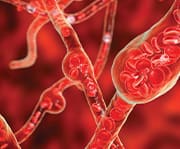
Hesperidin is a flavonoid found in citrus fruits.19
In mice fed a high-fat diet, hesperidin intake for 16 weeks led to improvements in metabolic health, including reduced body weight and fat, improved blood glucose and lipid levels, lower insulin levels, and enhanced insulin sensitivity.20
The effectiveness of hesperidin has also been validated in human trials.19,21
In one clinical study, 24 adults with metabolic syndrome took 500 mg of hesperidin or a placebo daily for three weeks. Those receiving hesperidin had improved blood vessel reactivity (the ability of vessels to constrict or relax when needed) and reduced systemic inflammation.19
What You Need To Know

Support Healthy Metabolism
- AMPK is a master regulator of cellular metabolism. It is activated when nutrient availability is scarce and inhibited when calories are abundant.
- Modern diets and advancing age tend to keep AMPK activity low, contributing to poor metabolic health and increased risk of disease.
- In separate human trials, the plant compounds hesperidin and an extract of the herb Gynostemma pentaphyllum have been shown to boost AMPK activity, leading to improvements in metabolic and overall health.
Gynostemma Targets Fat
Gynostemma pentaphyllum is a plant native to Asia22 that is sometimes referred to as the "immortality herb" in local cultures. It contains beneficial compounds called saponins.23
Animal and cell studies show that Gynostemma extract can activate AMPK and lead to weight loss and improved cholesterol levels.22,24-27
Human studies confirm these findings. One study randomized obese adults to receive 450 mg of Gynostemma extract or a placebo daily for 12 weeks, with no changes to diet or exercise. Compared to placebo, those taking Gynostemma had declines in:22,28
- Body mass index (BMI),
- Body weight,
- Body fat mass,
- Percent body fat, and
- Total abdominal fat area.
Abdominal fat is considered particularly dangerous and is associated with chronic inflammation and poor metabolic health. In this study, Gynostemma led to a remarkable 11% reduction in abdominal fat deposits.
Those receiving Gynostemma also lost an average of one inch off their waistline, equal to roughly one belt notch.
In another clinical trial, 16 healthy young untrained men took 450 mg of Gynostemma extract or a placebo daily for four weeks and were tested during exercise. Results indicated that the extract improved exercise performance, activated muscle AMPK (after 60-minute exercise), slowed the fat-associated hormone leptin, and improved blood glucose levels.29
These two nutrients can be taken as part of a balanced diet and regular exercise routine to achieve optimal results.
Summary

AMPK is a master regulator of cellular metabolism. Aging is associated with reduced AMPK activity, driving metabolic disease, and risk for age-related disorders.
The polyphenol hesperidin and an extract of the herb Gynostemma pentaphyllum have each been found to boost AMPK activity, improving metabolic health markers. n
If you have any questions on the scientific content of this article, please call a Life Extension Wellness Specialist at 1-866-864-3027.
References
- Trefts E, Shaw RJ. AMPK: restoring metabolic homeostasis over space and time. Mol Cell. 2021 Sep 16;81(18):3677-90.
- Herzig S, Shaw RJ. AMPK: guardian of metabolism and mitochondrial homeostasis. Nat Rev Mol Cell Biol. 2018 Feb;19(2):121-35.
- Langer HT, Rohm M, Goncalves MD, et al. AMPK as a mediator of tissue preservation: time for a shift in dogma? Nat Rev Endocrinol. 2024 Sep;20(9):526-40.
- Salminen A, Kaarniranta K. AMP-activated protein kinase (AMPK) controls the aging process via an integrated signaling network. Ageing Res Rev. 2012 Apr;11(2):230-41.
- Penugurti V, Manne RK, Bai L, et al. AMPK: The energy sensor at the crossroads of aging and cancer. Semin Cancer Biol. 2024 Nov;106-107:15-27.
- Stancu AL. AMPK activation can delay aging. Discoveries (Craiova). 2015 Dec 31;3(4):e53.
- Marin-Aguilar F, Pavillard LE, Giampieri F, et al. Adenosine Monophosphate (AMP)-Activated Protein Kinase: A New Target for Nutraceutical Compounds. Int J Mol Sci. 2017 Jan 29;18(2).
- Salminen A, Kaarniranta K, Kauppinen A. Age-related changes in AMPK activation: Role for AMPK phosphatases and inhibitory phosphorylation by upstream signaling pathways. Ageing Res Rev. 2016 Jul;28:15-26.
- Steinberg GR, Hardie DG. New insights into activation and function of the AMPK. Nat Rev Mol Cell Biol. 2023 Apr;24(4):255-72.
- Chauhan S, Singh AP, Rana AC, et al. Natural activators of AMPK signaling: potential role in the management of type-2 diabetes. J Diabetes Metab Disord. 2023 Jun;22(1):47-59.
- Sharma A, Anand SK, Singh N, et al. AMP-activated protein kinase: An energy sensor and survival mechanism in the reinstatement of metabolic homeostasis. Exp Cell Res. 2023 Jul 1;428(1):113614.
- Foretz M, Even PC, Viollet B. AMPK Activation Reduces Hepatic Lipid Content by Increasing Fat Oxidation In Vivo. Int J Mol Sci. 2018 Sep 19;19(9).
- Entezari M, Hashemi D, Taheriazam A, et al. AMPK signaling in diabetes mellitus, insulin resistance and diabetic complications: A pre-clinical and clinical investigation. Biomed Pharmacother. 2022 Feb;146:112563.
- Dong HW, Zhang LF, Bao SL. AMPK regulates energy metabolism through the SIRT1 signaling pathway to improve myocardial hypertrophy. Eur Rev Med Pharmacol Sci. 2018 May;22(9):2757-66.
- Abdul Khaliq H, Alhouayek M, Quetin-Leclercq J, et al. 5’AMP-activated protein kinase: an emerging target of phytochemicals to treat chronic inflammatory diseases. Crit Rev Food Sci Nutr. 2024;64(14):4763-88.
- Lyons CL, Roche HM. Nutritional Modulation of AMPK-Impact upon Metabolic-Inflammation. Int J Mol Sci. 2018 Oct 9;19(10):3092.
- Jeon SM. Regulation and function of AMPK in physiology and diseases. Exp Mol Med. 2016 Jul 15;48(7):e245.
- Spaulding HR, Yan Z. AMPK and the Adaptation to Exercise. Annu Rev Physiol. 2022 Feb 10;84:209-27.
- Rizza S, Muniyappa R, Iantorno M, et al. Citrus polyphenol hesperidin stimulates production of nitric oxide in endothelial cells while improving endothelial function and reducing inflammatory markers in patients with metabolic syndrome. J Clin Endocrinol Metab. 2011 May;96(5):E782-92.
- Pu P. [Protection mechanisms of hesperidin on mouse with insulin resistance]. Zhongguo Zhong Yao Za Zhi. 2016 Sep;41(17):3290-5.
- Martínez Noguera FJ, Alcaraz PE, Carlos Vivas J, et al. 8 weeks of 2S-Hesperidin supplementation improves muscle mass and reduces fat in amateur competitive cyclists: randomized controlled trial. Food Funct. 2021 May 11;12(9):3872-82.
- Park SH, Huh TL, Kim SY, et al. Antiobesity effect of Gynostemma pentaphyllum extract (actiponin): a randomized, double-blind, placebo-controlled trial. Obesity (Silver Spring). 2014 Jan;22(1):63-71.
- Ahmed A, Saleem MA, Saeed F, et al. Gynostemma pentaphyllum an immortal herb with promising therapeutic potential: a comprehensive review on its phytochemistry and pharmacological perspective. International Journal of Food Properties. 2023 2023/09/22;26(1):808-32.
- Dong C, Xie Z, Yu Y, et al. Discovery, synthesis, and structure-activity relationships of 20S-dammar-24-en-2alpha,3beta,12beta,20-tetrol (GP) derivatives as a new class of AMPKalpha2beta1gamma1 activators. Bioorg Med Chem. 2016 Jun 15;24(12):2688-96.
- Gauhar R, Hwang SL, Jeong SS, et al. Heat-processed Gynostemma pentaphyllum extract improves obesity in ob/ob mice by activating AMP-activated protein kinase. Biotechnol Lett. 2012 Sep;34(9):1607-16.
- Nguyen PH, Gauhar R, Hwang SL, et al. New dammarane-type glucosides as potential activators of AMP-activated protein kinase (AMPK) from Gynostemma pentaphyllum. Bioorg Med Chem. 2011 Nov 1;19(21):6254-60.
- Wang J, Ha TKQ, Shi YP, et al. Hypoglycemic triterpenes from Gynostemma pentaphyllum. Phytochemistry. 2018 Nov;155:171-81.
- Park SH, Huh TL, Kim SY, et al. Erratum: Antiobesity effect of Gynostemma pentaphyllum extract (actiponin): A randomized, double-blind, placebo-controlled trial. Obesity (Silver Spring). 2015 Dec;23(12):2520.
- Nayyar D, Yan X, Xu G, et al. Gynostemma Pentaphyllum Increases Exercise Performance and Alters Mitochondrial Respiration and AMPK in Healthy Males. Nutrients. 2023 Nov 8;15(22).


Wellness
Specialists
1-800-226-2370 - This service is FREE
7:30 AM - 12 AM (ET) Mon-Fri | 9 AM - 12 AM (ET) Sat-Sun