

Life Extension Magazine®

Relief for Neck Pain
Neck pain is often caused by a variety of correctable lifestyle factors. A new clinical study showed that two plant compounds reduced neck pain and stiffness by targeting underlying inflammatory mechanisms.
Scientifically reviewed by: Gary Gonzalez, MD, in October 2026. Written by: Marsha McCulloch.
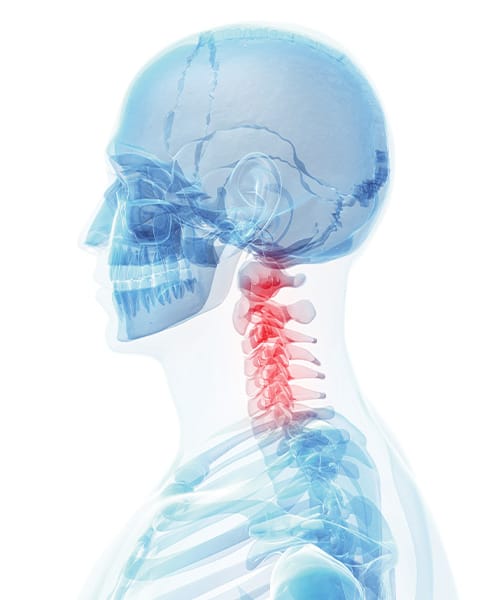
Neck pain is remarkably common.1
High-income North America has the highest disability burden from neck pain of any world region, along with the largest national increase in neck pain disability.2
When it strikes, everyday activities like getting dressed, working, driving, reading, or sleeping can become unexpectedly difficult.3
While many people turn to painkillers, heat pads, or massage, the management of chronic neck pain remains challenging, and no single therapy has demonstrated consistent long-term benefit.4
This has pushed scientists to look deeper, investigating plant-based compounds that target the inflammatory mechanisms underlying neck discomfort.
A recent clinical trial in adults with moderate spondylitis (arthritis of the spine) found that a bioavailability-enhanced blend of turmeric and Boswellia serrata:5
- Reduced neck disability by 53%, and
- Relieved pain and stiffness by 70%.
This botanical combination may represent an emerging approach to managing inflammation associated with neck discomfort.
Risk Factors for Neck Pain
Neck pain affects more than 200 million people worldwide at any given time.1
Common risk factors for neck discomfort include:
- Older age, with prevalence peaking in middle age and in the 45 to 74-year range,6,7
- Female sex,7,8
- Insufficient physical activity,9 and obesity,10
- Improper physical activity/poor form,11,12
- Prolonged screen-based device use, particularly mobile phones and computers,13
- Sedentary behavior and prolonged sitting, with risk increasing as daily duration rises,13
- Sustained neck flexion and poor sitting posture,8
- Prior neck or low back pain, and previous neck or shoulder trauma such as whiplash,8,14
- Psychological strain, including anxiety and stress,8,15
- Neuromusculoskeletal disorders, including osteoarthritis,6 and
- Autoimmune diseases, such as rheumatoid arthritis and ankylosing spondylitis (arthritis of the spine).6
Approximately 30% to 50% of patients with cervical pain continue to report symptoms at one-year follow-up, despite most patients' symptoms resolving or significantly improving by that time.16
Curcumin’s Role in Reducing Inflammation
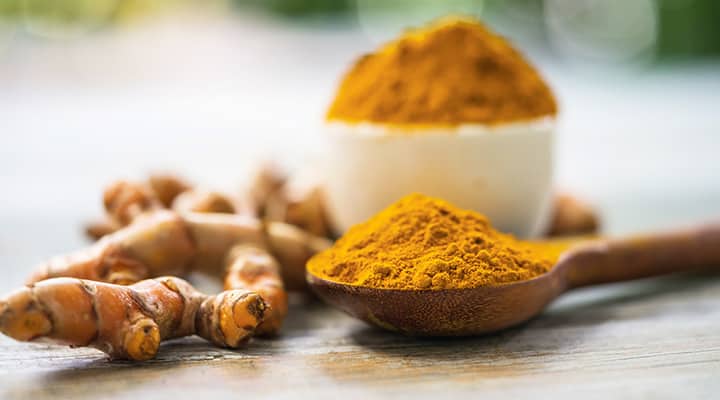
Turmeric, a plant in the ginger family, is used in traditional Chinese and Indian medicine for joint pain and inflammation.17,18
Turmeric supplies curcumin and related curcuminoids. These compounds help reduce oxidative stress and inflammation, including by inhibiting NF-kB (nuclear factor-kappa B), a protein complex associated with harmful chronic inflammation.18
Curcumin, as shown in preclinical studies, may also inhibit the activation of NLRP3 inflammasome, a key inflammation-triggering complex that promotes pain.17,18
But not all turmeric extracts are the same. Because curcumin and the curcuminoids are poorly water-soluble and unstable in the gastrointestinal tract, how the extract is formulated largely determines how much is absorbed and how much of it is bioavailable to reach the tissues that need it the most.18
Boswellia Calms Inflammation
Boswellia serrata is an ancient tree native to India, the Middle East, and Africa.19,20
Boswellia resin has been used for centuries in traditional health practices to ease pain and calm inflammation.19-21
The health properties of Boswellia are primarily attributed to boswellic acids, potent anti-inflammatory compounds.19,21
Among the boswellic acids, AKBA (acetyl-11-keto-beta-boswellic acid) shows the strongest inhibitory activity against 5-LOX (5-lipoxygenase), a key enzyme driving inflammation in soft tissues and joints.5,21
As with curcumin and curcuminoids, a challenge with Boswellia extract and AKBA is poor absorption in the intestinal tract and bioavailibility in tissues.22
Maximizing Bioavailability
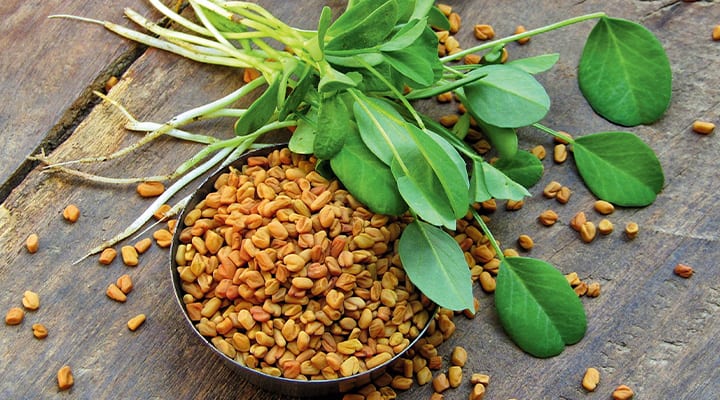
To optimize the bioavailability of oral curcuminoids and boswellic acids, scientists turned to fenugreek, an herb with seeds rich in the fiber galactomannan.23,24
In the presence of water, galactomannan forms a stable gel. This gel slows the movement of intestinal material, promoting sustained release of its contents.25
Based on this functionality, scientists combined turmeric and Boswellia extracts in a fenugreek fiber matrix and tested the absorption.
In healthy volunteers, this proprietary fenugreek-based formulation led to a 25-fold increase in curcuminoid bioavailability and a 7-fold increase in AKBA bioavailability, compared to standard curcuminoids and boswellic acids.25
Easing Neck Pain and Stiffness
In a clinical trial published in 2025, 93 adults with a history of mild to moderate spondylitis (spinal arthritis) were given either the bioavailable curcuminoids-Boswellia combination, Boswellia alone, or a placebo.5
Most participants (69%) identified neck pain as their primary concern at the start of the trial.
What You Need To Know
Powerful Plant-Based Neck Support
- America has the highest disability burden from neck pain of any world region. Many people use painkillers, heat pads, or massage, but management of chronic neck pain remains challenging.
- Turmeric and Boswellia serrata contain compounds with anti-inflammatory activity, but absorption of their active constituents is limited.
- In healthy volunteers, a fenugreek-based formulation increased curcuminoid bioavailability 25-fold and AKBA bioavailability 7-fold compared with standard preparations.
- After 28 days in a clinical trial, participants receiving the combination reported average reductions of 53% in neck disability and relieved pain by 70%.
The combination formula included 16.2% total boswellic acids, 9.5% AKBA, and 34.3% curcuminoids.
All subjects responded to a standardized musculoskeletal questionnaire and a separate neck discomfort questionnaire before the study began, after 14 days, and after 28 days.
Both treatment groups reported improvements during the study, but the curcuminoids-Boswellia combination produced consistently superior outcomes. These findings suggest the combination may have provided greater benefit than Boswellia alone under the conditions of this study.
After just two weeks, compared with baseline, those who took 400 mg of the bioavailable curcuminoids-Boswellia combination daily reported on average, a:5
- 22% reduction in neck, hip, and back pain,
- 46% reduction in morning stiffness, and
- 32% reduction in overall neck disability.
- After 28 days, the curcuminoids-Boswellia group had, on average:
- 76% reduction in neck, hip, and back pain,
- 70% reduction in morning stiffness,
- 53% reduction in overall neck disability,
- 56% improvement in reading difficulty,
- 56% improvement in driving difficulty, and
- 51% improvement in work difficulty.
Compared with baseline and placebo, the combination also reduced inflammatory markers, lowering NLRP3 inflammasome by 39% and IL-1B (interleukin-1 beta) by 59%.
NLRP3 activation is associated with the release of inflammatory mediators involved in pain signaling.
Participants were permitted to use over-the-counter pain medicine as needed during the study. Use dropped in both treatment groups but increased in the placebo group, suggesting a reduced need for rescue pain medication among participants receiving the active interventions.5
Summary
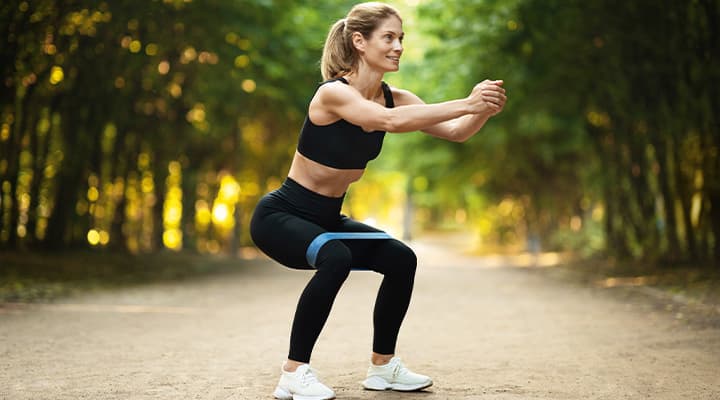
Neck pain affects millions, and its lingering discomfort takes a toll on their quality of life.
In a clinical trial, daily intake of a bioavailability-enhanced turmeric and Boswellia serrata extract blend was associated with reductions in pain, stiffness, and neck disability measures after two weeks, with larger improvements reported after four weeks.
If you have any questions on the scientific content of this article, please call a Life Extension Wellness Specialist at 1-866-864-3027.
References
- Zhu Y, Yang Y, Yi H, et al. Global, regional, and national burden of disease in neck pain: statistical analysis of incidence, prevalence, and DALYS, with projections to 2036. Eur Spine J. 2026 Apr;35(4):2131-45.
- Shin DW, Shin JI, Koyanagi A, et al. Global, regional, and national neck pain burden in the general population, 1990-2019: An analysis of the global burden of disease study 2019. Front Neurol. 2022;13:955367.
- Hey HWD, Lim JXY, Ong JZ, et al. Epidemiology of Neck Pain and Its Impact on Quality-of-Life-A Population-Based, Cross Sectional Study in Singapore. Spine (Phila Pa 1976). 2021 Nov 15;46(22):1572-80.
- Cohen SP, Hooten WM. Advances in the diagnosis and management of neck pain. BMJ. 2017 Aug 14;358:j3221.
- Mamatha K, Prabhakaran P, Syam Das S, et al. A full-spectrum Boswellia serrata extract with enhanced bioavailability, and its co-delivered system with curcumin alleviate pain and stiffness associated with moderate spondylitis: a randomized double-blind, placebo-controlled, 3-arm study. Front Pharmacol. 2025;16:1577429.
- Collaborators GBDNP. Global, regional, and national burden of neck pain, 1990-2020, and projections to 2050: a systematic analysis of the Global Burden of Disease Study 2021. Lancet Rheumatol. 2024 Mar;6(3):e142-e55.
- Safiri S, Kolahi AA, Hoy D, et al. Global, regional, and national burden of neck pain in the general population, 1990-2017: systematic analysis of the Global Burden of Disease Study 2017. Bmj. 2020 Mar 26;368:m791.
- Gao Y, Chen Z, Chen S, et al. Risk factors for neck pain in college students: a systematic review and meta-analysis. BMC Public Health. 2023 Aug 8;23(1):1502.
- Yakdan S, Benedict B, Singh P, et al. Association of activity with the risk of developing musculoskeletal pain in the All of Us research program. J Pain. 2025 Oct;35:105516.
- Nilsen TI, Holtermann A, Mork PJ. Physical exercise, body mass index, and risk of chronic pain in the low back and neck/shoulders: longitudinal data from the Nord-Trondelag Health Study. Am J Epidemiol. 2011 Aug 1;174(3):267-73.
- Hlavenka TM, Christner VFK, Gregory DE. Neck posture during lifting and its effect on trunk muscle activation and lumbar spine posture. Appl Ergon. 2017 Jul;62:28-33.
- Available at: https://www.health.harvard.edu/pain/is-your-workout-giving-you-a-stiff-neck. Accessed July 13, 2026,
- Meng Y, Xue Y, Yang S, et al. The associations between sedentary behavior and neck pain: a systematic review and meta-analysis. BMC Public Health. 2025 Feb 4;25(1):453.
- Expert Panel on Neurological I, Eldaya RW, Parsons MS, et al. ACR Appropriateness Criteria(R) Cervical Pain or Cervical Radiculopathy: 2024 Update. J Am Coll Radiol. 2025 May;22(5S):S136-S62.
- Hogg-Johnson S, van der Velde G, Carroll LJ, et al. The burden and determinants of neck pain in the general population: results of the Bone and Joint Decade 2000-2010 Task Force on Neck Pain and Its Associated Disorders. Spine (Phila Pa 1976). 2008 Feb 15;33(4 Suppl):S39-51.
- Eldaya RW, Parsons MS, Hutchins TA, et al. ACR Appropriateness Criteria® Cervical Pain or Cervical Radiculopathy: 2024 Update. Journal of the American College of Radiology. 2025;22(5):S136-S62.
- Available at: https://www.nccih.nih.gov/health/turmeric. Accessed July 27, 2026.
- Peng Y, Ao M, Dong B, et al. Anti-Inflammatory Effects of Curcumin in the Inflammatory Diseases: Status, Limitations and Countermeasures. Drug Des Devel Ther. 2021;15:4503-25.
- Sun X, Yang Y, Peng C, et al. Frankincense from Boswellia: a review of species, traditional uses, phytochemistry, pharmacology and toxicology. Chinese Herbal Medicines. 2025.
- Available at: https://www.nccih.nih.gov/health/boswellia. Accessed July 27, 2026.
- Peng C, Yang Y, Wang Y, et al. From bench to bedside, boswellic acids in anti-inflammatory therapy - mechanistic insights, bioavailability challenges, and optimization approaches. Front Pharmacol. 2025;16:1692443.
- Ragab EA, Abd El-Wahab MF, Doghish AS, et al. The journey of boswellic acids from synthesis to pharmacological activities. Naunyn Schmiedebergs Arch Pharmacol. 2024 Mar;397(3):1477-504.
- Available at: https://www.nccih.nih.gov/health/fenugreek. Accessed July 27, 2026.
- Faisal Z, Irfan R, Akram N, et al. The multifaceted potential of fenugreek seeds: From health benefits to food and nanotechnology applications. Food Sci Nutr. 2024 Apr;12(4):2294-310.
- Abhilash MB, Kumar D, Deepti A, et al. Enhanced absorption of curcuminoids and 3-Acetyl-11-keto-β-boswellic acid from fenugreek galactomannan hydrogel beadlets: a natural approach to the co-delivery of lipophilic phytonutrients. J Funct Foods. 2021;79:104405.


Wellness
Specialists
1-800-226-2370 - This service is FREE
7:30 AM - 12 AM (ET) Mon-Fri | 9 AM - 12 AM (ET) Sat-Sun