




Life Extension Magazine.

Gut Microbiome in People Who Live Past 100
To recreate centenarians’ unique microbiome, researchers studied three probiotics that lowered inflammation, slowed telomere shortening, and lowered cholesterol in separate trials.
Scientifically reviewed by: Gary Gonzalez, MD, in November 2026. Written by: Marsha McCulloch.
Most of us associate our gut microbiome with digestive health.
Researchers are now uncovering how the gut microbiome shapes the way we age—and how aging, in turn, reshapes the microbiome.1,2
A healthy gut microbiome supports normal metabolism and helps keep inflammation in check, whereas an unhealthy microbiome, known as dysbiosis, can promote chronic inflammation that contributes to age-related disease.3,4
Improving our microbiome with probiotics has emerged as a promising strategy to support healthier aging.5-7
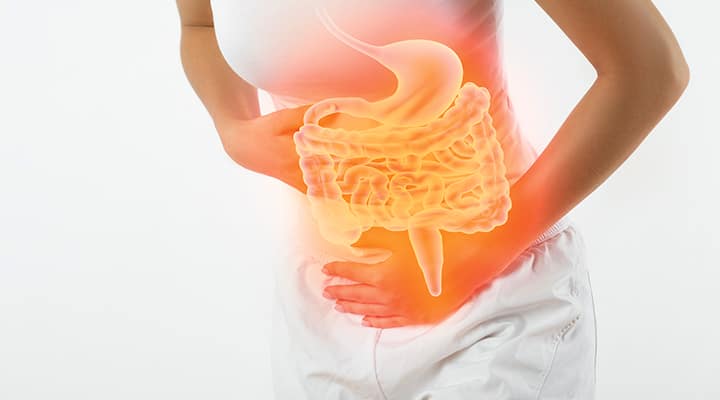
- In a small preliminary human trial, a blend of two probiotics slowed age-related telomere shortening in older adults,8 and, in other human studies, reduced inflammatory markers.9,10
- A third probiotic, in another human trial, modestly lowered LDL ("bad") cholesterol, with larger reductions in people with high baseline cholesterol, a cardiovascular risk factor,11 and
- In animal studies, a non-living, heat-treated form of a beneficial bacterium (a 'postbiotic') extended lifespan in worms and improved gut, physical, and thinking ability in older mice.12
Carefully selected probiotics, and possibly postbiotics, may support healthy aging and a healthier microbiome.
Targeting Drivers of Aging
Scientists have identified several "hallmarks of aging"—underlying biological processes that contribute to degenerative decline.13
One of these is gut dysbiosis, or microbial imbalance.
As people age, this imbalance often develops and may contribute to chronic inflammation creating a cascade of health problems.13-15
An unhealthy gut microbiome can weaken the gut barrier, allowing harmful compounds to enter the bloodstream and promote inflammation.16,17
Dysbiosis and chronic inflammation are linked to a higher risk of age-related diseases, including:
- Obesity,13
- Type 2 diabetes,13
- Cancer,13
- Frailty and sarcopenia,18
- Cardiovascular disease,13 and
- Neurological conditions such as cognitive decline.19
Dysbiosis is not inevitable.
Healthy centenarians (people 100 years or older) often retain a diverse, well-balanced gut microbiome that in several respects resembles that of younger adults—preserving microbial diversity and populations of beneficial gut bacteria rather than the dysbiosis commonly seen with aging.20,21
Long-lived individuals tend to have higher levels of beneficial bacteria such as Akkermansia and Bifidobacterium.22,23 These microbes produce short-chain fatty acids that strengthen the gut lining and help control inflammation.16,24,25
Early evidence suggests that carefully selected probiotics, and possibly postbiotics, may help shift the aging gut microbiome toward a more beneficial profile, though human trial results are still mixed, and the benefits appear modest.5,14
Taking a carefully selected mix of probiotics and a postbiotic may help promote a healthier microbiome to support healthier aging.
Proven Probiotic Duo
Researchers isolated two beneficial bacterial (probiotic) strains from healthy older adults and confirmed that they can survive digestion and adhere to the intestinal lining.26-28
- Lacticaseibacillus rhamnosus IMC 501®
- Lacticaseibacillus paracasei IMC 502®
Together, these probiotics have been studied for their role in healthy aging.
In a clinical trial of 97 older adults, participants who received the probiotic blend experienced several positive changes compared with those who did not receive the probiotics. These included:10
- Increased beneficial bacteria, including Lactobacillus, Akkermansia, and Bifidobacterium,
- Reduced levels of potentially harmful Proteobacteria,
- Lower CRP (C-reactive protein), a marker of low-grade inflammation associated with cardiovascular risk, and
- Increased production of short-chain fatty acids, which help support gut and immune health.
Additional studies of the same probiotic combination found further benefits, including:
- Reduced inflammatory cytokines,9
- Increased IGF-1 (insulin-like growth factor-1), which helps support muscle maintenance,9
- Improved nutritional status and lower risk of malnutrition,9 and
- Slowed shortening of telomeres in white blood cells, a marker associated with healthy aging and cardiovascular health.8,29
In a separate 15-day study of premenopausal women, daily supplementation with 5 billion CFU of the same probiotic blend also reduced levels of harmful vaginal bacteria.30
Heart Health
Heart disease is the leading cause of death worldwide. In 2023, about one in six cardiovascular deaths occurred before age 65.31
Targeted probiotics, including certain Lactobacillus strains, may help support heart health by altering bile acid metabolism and promoting cholesterol clearance.32,33
Lactobacillus plantarum ECGC 13110402 was selected for its cholesterol-reducing capacity, along with good survival through the digestive tract.34
In a six-week, double-blind, randomized, placebo-controlled pilot trial of 16 adults with elevated cholesterol (total cholesterol about 232 mg/dL), daily intake of 4 billion CFU of L. plantarum ECGC 13110402 produced significant improvements in cholesterol measurements compared with placebo, including a:11
- 35% reduction in total cholesterol,
- 28% reduction in LDL ("bad") cholesterol,
- 18% reduction in non-HDL cholesterol (atherogenic cholesterol), and
- 29% reduction in apoB (apolipoprotein B), an atherogenic lipid-carrying protein.
What You Need To Know
Nurture a Youthful Microbiome
- People who live past 100 tend to have gut microbiomes that look surprisingly youthful, which prompted researchers to identify bacterial strains that could support healthy aging.
- A probiotic blend of Lacticaseibacillus rhamnosus IMC 501® and Lacticaseibacillus paracasei IMC 502® has been clinically shown to reduce inflammation and slow telomere shortening associated with aging.
- Another probiotic, Lactobacillus plantarum ECGC 13110402, significantly lowered LDL and total cholesterol in a clinical trial, which could reduce the risk of cardiovascular disease.
- Heat-treated Lactobacillus paracasei D3-5, a postbiotic, extended lifespan in an animal model and improved digestive comfort in a small human study and improved gut health measures in animal studies.
- A combination of these probiotic and postbiotic formulas may help promote a balanced, youthful microbiome to support optimal aging.
Postbiotic Protection
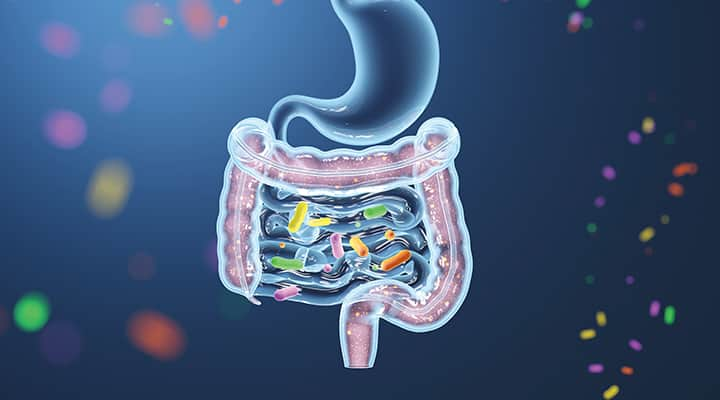
Postbiotics are non-living bacterial compounds that support gut, immune, and microbiome health. They complement probiotics and help promote a healthy gut microbiome.35,36
Lactobacillus paracasei D3-5 is a heat-treated, non-living postbiotic that has shown promising benefits.
In studies of older mice, L. paracasei D3-5 and one of its natural components helped:12
- Strengthen the gut barrier,
- Decrease inflammation,
- Support metabolic health and immune function, and
- Regulate the gut-brain axis to improve physical performance and cognition.
In the roundworm C. elegans, a standard aging model,37 a heat-killed (no longer alive) form of L. paracasei D3-5 improved physical function and extended lifespan.12
In a small human pilot study of healthy older adults, daily intake of heat-treated L. paracasei D3-5 for one month eased digestive discomfort and supported emotional well-being.38
Pairing this postbiotic with proven probiotics could reinforce microbial balance and support healthier aging.
Summary
A healthy microbiome can support healthy metabolism and modulate inflammatory response, while an unhealthy microbiome may promote age-related
disease.
A probiotic blend of L. rhamnosus IMC 501® and
L. paracasei IMC 502® has been clinically shown to lower inflammation and slow telomere shortening.
A third probiotic strain, L. plantarum ECGC 13110402, reduces harmful cholesterol.
Heat-treated L. paracasei D3-5, a postbiotic, increased lifespan in an animal aging model and eased digestive symptoms in a small human study.
Combining these probiotic and postbiotic approaches may help promote a more youthful microbiome to support healthy aging.
If you have any questions on the scientific content of this article, please call a Life Extension Wellness Specialist at 1-866-864-3027.
References
- Bautista J, López-Cortés A. The microbiome-gerogene axis: a new frontier in precision geromedicine. Front Aging. 2026;7:1794192.
- Mehl A, Blacher E. Gut microbiome and aging-A dynamic interplay of microbes, metabolites, and the immune system. FEBS Lett. 2026 Mar 10.
- de Vos WM, Tilg H, Van Hul M, et al. Gut microbiome and health: mechanistic insights. Gut. 2022 May;71(5):1020-32.
- Al Bander Z, Nitert MD, Mousa A, et al. The Gut Microbiota and Inflammation: An Overview. Int J Environ Res Public Health. 2020 Oct 19;17(20).
- Hutchinson AN, Bergh C, Kruger K, et al. The Effect of Probiotics on Health Outcomes in the Elderly: A Systematic Review of Randomized, Placebo-Controlled Studies. Microorganisms. 2021 Jun 21;9(6).
- Chenhuichen C, Cabello-Olmo M, Barajas M, et al. Impact of probiotics and prebiotics in the modulation of the major events of the aging process: A systematic review of randomized controlled trials. Exp Gerontol. 2022 Jul;164:111809.
- Zhuang K, Luo H, Zeng M, et al. Effects of probiotics, prebiotics, and synbiotics on gut microbiota in older adults: a systematic review and meta-analysis of randomized controlled trials. Nutr J. 2025 Sep 29;24(1):147.
- Coman MM, Torbidoni-Baldassari B, Occhigrossi L, et al. Probiotic Supplementation in Aged Human Subjects Counteracts Leukocyte Telomere Attrition Rate. J Med Food. 2026 Jul;29(7):438-43.
- Salvesi C, Silvi S, Fiorini D, et al. Six-Month Synbio((R)) Administration Affects Nutritional and Inflammatory Parameters of Older Adults Included in the PROBIOSENIOR Project. Microorganisms. 2023 Mar 21;11(3).
- Salvesi C, Silvi S, Fiorini D, et al. Impact of a probiotic diet on well-being of healthy senior: THE PROBIOSENIOR PROJECT. J Appl Microbiol. 2022 Nov;133(5):2941-53.
- Keleszade E, Kolida S, Costabile A. The cholesterol lowering efficacy of Lactobacillus plantarum ECGC 13110402 in hypercholesterolemic adults: a double-blind, randomized, placebo controlled, pilot human intervention study. Journal of Functional Foods. 2022 2022/02/01/;89:104939.
- Wang S, Ahmadi S, Nagpal R, et al. Lipoteichoic acid from the cell wall of a heat killed Lactobacillus paracasei D3-5 ameliorates aging-related leaky gut, inflammation and improves physical and cognitive functions: from C. elegans to mice. Geroscience. 2020 Feb;42(1):333-52.
- Lopez-Otin C, Blasco MA, Partridge L, et al. Hallmarks of aging: An expanding universe. Cell. 2023 Jan 19;186(2):243-78.
- Ticinesi A, Maggi S, Nouvenne A, et al. The gut microbiome and ageing trajectories: mechanisms and clinical implications. Nat Rev Endocrinol. 2026 Jun;22(6):323-37.
- Ferrucci L, Fabbri E. Inflammageing: chronic inflammation in ageing, cardiovascular disease, and frailty. Nat Rev Cardiol. 2018 Sep;15(9):505-22.
- Di Vincenzo F, Del Gaudio A, Petito V, et al. Gut microbiota, intestinal permeability, and systemic inflammation: a narrative review. Intern Emerg Med. 2024 Mar;19(2):275-93.
- Mohammad S, Thiemermann C. Role of Metabolic Endotoxemia in Systemic Inflammation and Potential Interventions. Front Immunol. 2020;11:594150.
- Pepke ML, Hansen SB, Limborg MT. The ageing holobiont: crosstalk between telomere dynamics, oxidative stress and the gut microbiome. Biol Rev Camb Philos Soc. 2026 Aug;101(4):1877-903.
- Gao W, Lee HY, Min KJ. Aging and the microbiome: implications for health and disease. BMB Rep. 2026 Jan;59(1):40-50.
- Kadyan S, Park G, Singh TP, et al. Microbiome-based therapeutics towards healthier aging and longevity. Genome Med. 2025 Jul 1;17(1):75.
- Pang S, Chen X, Lu Z, et al. Longevity of centenarians is reflected by the gut microbiome with youth-associated signatures. Nat Aging. 2023 Apr;3(4):436-49.
- Biagi E, Franceschi C, Rampelli S, et al. Gut Microbiota and Extreme Longevity. Curr Biol. 2016 Jun 6;26(11):1480-5.
- Wu J, Ren W, Chen L, et al. Age-Related Changes in the Composition of Intestinal Microbiota in Elderly Chinese Individuals. Gerontology. 2022;68(9):976-88.
- Mann ER, Lam YK, Uhlig HH. Short-chain fatty acids: linking diet, the microbiome and immunity. Nat Rev Immunol. 2024 Aug;24(8):577-95.
- Cani PD, Depommier C, Derrien M, et al. Akkermansia muciniphila: paradigm for next-generation beneficial microorganisms. Nat Rev Gastroenterol Hepatol. 2022 Oct;19(10):625-37.
- Verdenelli MC, Ghelfi F, Silvi S, et al. Probiotic properties of Lactobacillus rhamnosus and Lactobacillus paracasei isolated from human faeces. Eur J Nutr. 2009 Sep;48(6):355-63.
- Verdenelli MC, Silvi S, Cecchini C, et al. Influence of a combination of two potential probiotic strains, Lactobacillus rhamnosus IMC 501(R) and Lactobacillus paracasei IMC 502(R) on bowel habits of healthy adults. Lett Appl Microbiol. 2011 Jun;52(6):596-602.
- Silvi S, Verdenelli MC, Cecchini C, et al. Probiotic-enriched foods and dietary supplement containing SYNBIO positively affects bowel habits in healthy adults: an assessment using standard statistical analysis and Support Vector Machines. Int J Food Sci Nutr. 2014 Dec;65(8):994-1002.
- Salih AM, Galazzo IB, Menegaz G, et al. Leukocyte Telomere Length and Cardiac Structure and Function: A Mendelian Randomization Study. J Am Heart Assoc. 2024 Feb 6;13(3):e032708.
- Pino A, Rapisarda AMC, Vaccalluzzo A, et al. Oral Intake of the Commercial Probiotic Blend Synbio((R)) for the Management of Vaginal Dysbiosis. J Clin Med. 2022 Dec 20;12(1).
- Available at: https://www.cdc.gov/heartdisease/facts.htm. Accessed September 8, 2026.
- Zuo J, Huang D, Liu J, et al. Effect of Probiotics Containing Lactobacillus plantarum on Blood Lipids: Systematic Review, Meta-Analysis, and Network Pharmacological Analysis. Foods. 2025 Sep 23;14(19).
- Wang J, Chen J, Gao M, et al. Research Progress on the Mechanism of Action and Screening Methods of Probiotics for Lowering Blood Lipid Levels. Foods. 2025 Apr 30;14(9).
- Costabile A, Buttarazzi I, Kolida S, et al. An in vivo assessment of the cholesterol-lowering efficacy of Lactobacillus plantarum ECGC 13110402 in normal to mildly hypercholesterolaemic adults. PLoS One. 2017;12(12):e0187964.
- Salminen S, Collado MC, Endo A, et al. The International Scientific Association of Probiotics and Prebiotics (ISAPP) consensus statement on the definition and scope of postbiotics. Nature Reviews Gastroenterology & Hepatology. 2021 2021/09/01;18(9):649-67.
- Zhao X, Liu S, Li S, et al. Unlocking the power of postbiotics: A revolutionary approach to nutrition for humans and animals. Cell Metab. 2024 Apr 2;36(4):725-44.
- Zhang F, He F, Li L, et al. Bioavailability Based on the Gut Microbiota: a New Perspective. Microbiol Mol Biol Rev. 2020 May 20;84(2).
- Lloyd A, Warren-Walker A, Holt N, et al. Safety and Effects of Heat-Inactivated Lactobacillus Paracasei D3.5 (Lpd3.5) on Mental Wellbeing in Older Adults. Innovation in Aging. 2024;8(Supplement_1):1273-.


Wellness
Specialists
1-800-226-2370 - This service is FREE
7:30 AM - 12 AM (ET) Mon-Fri | 9 AM - 12 AM (ET) Sat-Sun