


Life Extension Magazine.

In the News: Vitamin D Deficiency Associated with Increased Cataract Risk
Vitamin D deficiency linked to cataracts; cruciferous vegetables may reduce colon cancer risk; magnesium lowered blood pressure in trial; vitamin B12 deficiency associated with atrophy in memory area of brain.
Scientifically reviewed by Gary Gonzalez, MD, in February 2026.
A study published in the British Journal of Ophthalmology found that severe vitamin D deficiency is linked with an increased risk of cataracts, particularly in adults under age 50.*
The researchers included a cross-sectional study on 442,255 participants, which found that low vitamin D levels were associated with cataracts.
They then conducted a longitudinal analysis, a type of research design that involves repeated observations of the same variable over extended periods.
After about 11 years, participants with severe baseline vitamin D deficiency (<10 ng/mL) had an 11% higher risk of developing cataracts compared to those with insufficiency (20-30 ng/mL).
The association was even stronger in adults under age 50. Those with severe baseline vitamin D deficiency had a 27% higher risk of cataract compared to those with insufficiency.
Note that minimum vitamin D levels to be considered “sufficient” are 30 ng/mL with optimal ranges between 50-80 ng/mL.
Editor’s Note: “These findings suggest a potential critical period in early adulthood when vitamin D supplementation may be most effective for cataract prevention, warranting further investigation into age-specific intervention strategies,” the researchers concluded.
* Br J Ophthalmol. 2025 Aug 18:bjo-2024-326716.
Eating Cruciferous Veggies May Reduce the Odds of Getting Colon Cancer

A meta-analysis combining data from 7 cohort and 10 case-control studies with a total of nearly 100,000 participants found that higher intake of cruciferous vegetables is associated with 20% reduced odds for colon cancer.*
This protective effect was attributed to bioactive compounds such as glucosinolates and isothiocyanates, which promote carcinogen detoxification, apoptosis, and cell cycle arrest. (Glucosinolates convert into sulforaphane in the body.)
Cruciferous vegetables include broccoli, Brussels sprouts, cabbage, cauliflower, and others. Making dietary changes is a key modifiable risk factor in the development of colon cancer.
Editor’s note: Colon cancer is the third most diagnosed cancer and the second leading cause of cancer mortality globally.
* BMC Gastroenterol. 2025 Aug 11;25(1):575.
Magnesium Linked with Reduced High Blood Pressure
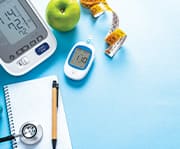
Findings from a systematic review and meta-analysis affirmed a reduction in blood pressure in association with the addition of magnesium to the diet.*
Researchers analyzed 38 randomized controlled trials that compared the blood pressure benefit of additional magnesium with a placebo among a total of 2,709 participants with and without hypertension. Magnesium doses ranged from 82-637 mg administered for a 12-week median period.
The participants who received magnesium experienced average reductions of about 3 mmHg systolic blood pressure and 2 mmHg diastolic blood pressure compared with the placebo groups.
Editor’s Note: Greater reductions in blood pressure from magnesium supplementation compared with the placebo groups were found in those also taking hypertensive medication, who had systolic and diastolic reductions of about 8 mmHg and 3 mmHg, respectively. Those with low magnesium levels had systolic and diastolic reductions of about 6 mmHg and 5 mmHg, respectively.
* Hypertension. 2025 Nov;82(11):1844-1856.
Vitamin B12 Deficiency Linked with Wasting of Brain Area Involved in Memory

A study revealed an association between vitamin B12 deficiency and atrophy (wasting) of the hippocampus, an area of the brain involved in memory and learning.*
The study included 567 participants who visited a dementia clinic and subsequently underwent a brain MRI.
A Mini Mental State Examination was used to assess cognitive function and blood samples were analyzed for vitamin B12 and other factors.
Magnetic resonance imaging of the brain’s hippocampus revealed atrophy among 43% of the group. Individuals with hippocampal atrophy were significantly older than those whose hippocampus was normal.
Vitamin B12 deficiency was associated with greater hippocampal atrophy (brain shrinkage).
Those with hippocampal atrophy were more likely to have low Mini Mental State Examination scores.
Editor’s Note: B vitamins, which are part of the metabolic network, are involved in nutrient signaling and biosynthesis, oxidation– reduction homeostasis, and epigenetics.
* J Prev Alzheimers Dis. 2025 Sep;12(8):100265.


Wellness
Specialists
1-800-226-2370 - This service is FREE
7:30 AM - 12 AM (ET) Mon-Fri | 9 AM - 12 AM (ET) Sat-Sun