


Life Extension Magazine.

Superfoods: Chickpeas
Chickpeas offer slow digestion, low fat, and unusually high protein and fiber content. Studies show they improved total and LDL cholesterol, body weight, and after-meal blood sugar spikes.
Scientifically reviewed by: Gary Gonzalez, MD, in March 2026. Written by: Laurie Mathena.
Chickpeas, also known as garbanzo beans, are a nutrient-packed legume with well-researched health benefits.
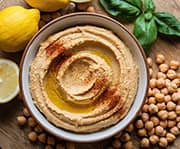
Common in Middle Eastern, Indian, and Mediterranean cuisines, chickpeas not only add a nutty flavor and grainy texture to meals, but may also help support healthy blood sugar, cholesterol, and body weight.
They have an unusually high amount of protein and fiber for a plant food (14 grams and 12 grams per cup, respectively).1 They provide about 4 grams of fat per cup,1 which is relatively lower compared to other legumes, and a majority of the fats are unsaturated.2
This unique nutritional profile makes chickpeas beneficial for satiety, weight management, nutrient absorption, blood sugar control, and more.2
Preclinical studies also support broader metabolic benefits. In a study of rats on a high-fat diet, adding chickpeas reduced abdominal fat, improved blood lipid profiles, lowered triglyceride levels in fat and liver, normalized fat-processing enzymes, and enhanced sensitivity and blood sugar control, compared to rats on a high-fat diet alone.3
Chickpeas may also support heart health. In a randomized, crossover trial involving 47 adults, eating chickpeas every day for at least five weeks lowered total cholesterol by 3.9% and reduced LDL (“bad”) cholesterol by 4.6%, compared to those on a wheat- supplemented diet.4

A review of 28 studies found that people who ate chickpeas had much lower post-meal blood sugar spikes compared to those who ate similar carbohydrate foods.5
Another meta-analysis of 12 studies involving 182 healthy adults found that chickpeas were more effective at reducing after-meal blood sugar spikes than potatoes or wheat. The researchers suggested that this benefit comes from chickpeas’ slow digestion and their high protein and fiber content, which help support healthy blood sugar responses.6
Overall, these findings suggest that including chickpeas in your regular diet could be a simple and effective strategy for supporting blood sugar regulation, heart health, and metabolic wellness.
References
- Available at: https://fdc.nal.usda.gov/food-details/173757/nutrients. Accessed December 29, 2025,
- Salaria S, Boatwright JL, Johnson N, et al. Fatty acid composition and genome-wide associations of a chickpea (Cicer arietinum L.) diversity panel for biofortification efforts. Sci Rep. 2023 Aug 27;13(1):14002.
- Yang Y, Zhou L, Gu Y, et al. Dietary chickpeas reverse visceral adiposity, dyslipidaemia and insulin resistance in rats induced by a chronic high-fat diet. Br J Nutr. 2007 Oct;98(4):720-6.
- Pittaway JK, Ahuja KD, Cehun M, et al. Dietary supplementation with chickpeas for at least 5 weeks results in small but significant reductions in serum total and low-density lipoprotein cholesterols in adult women and men. Ann Nutr Metab. 2006;50(6):512-8.
- Mah E, Uffelman CN, Blonquist TM, et al. Chickpea attenuates postprandial blood glucose responses: a systematic review and meta-analysis. Nutr J. 2025 Jul 14;24(1):111.
- Nam T, Kim A, Oh Y. Effectiveness of Chickpeas on Blood Sugar: A Systematic Review and Meta-Analysis of Randomized Controlled Trials. Nutrients. 2023 Oct 27;15(21).


Wellness
Specialists
1-800-226-2370 - This service is FREE
7:30 AM - 12 AM (ET) Mon-Fri | 9 AM - 12 AM (ET) Sat-Sun