


Life Extension Magazine.

Improve Digestion with Enzymes
With age, the body produces fewer digestive enzymes, which may cause bloating, gas, general discomfort, and nutrient deficiencies. Taking digestive enzymes before meals offers a solution.
Scientifically reviewed by: Gary Gonzalez, MD, in March 2026. Written by: Laurie Mathena.
With age, our body produces fewer of the enzymes necessary to efficiently break down food.1
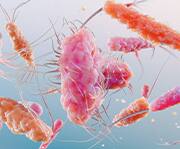
Without sufficient enzymes, undigested food can pass into the colon, where it may cause bloating, gas, diarrhea, and cramping.2
Incomplete digestion limits the body’s ability to extract all the nutrients needed for optimal health. This may result in nutrient deficiencies in older adults.1,3
Supplemental digestive enzymes, when taken before a meal, may provide additional digestive support to break down food.
This can help relieve digestive concerns and improve nutrient absorption for better overall health.
The Importance of Digestive Enzymes
In people with recurring abdominal pain or discomfort, supplementing with various types of enzyme supplements has been associated with reduced symptoms of digestive discomfort, such as:
- Flatulence/belching,4
- Bloating,4,5
- Feeling of fullness,4,5 and
- Abdominal pain.5
Each major food group—such as protein, fat, milk, sugar, carbohydrates, and more—has specific enzymes responsible for its breakdown.6 A deficiency in any one of these enzymes may lead to a wide range of common intestinal troubles.
Let’s look at the enzymes one at a time.
Protease

Proteases break down protein.7 Aging can impact how the body digests, absorbs, and utilizes protein. Low digestive enzyme activity may reduce protein breakdown, slow digestion, and may increase the risk of protein deficiency and muscle loss in older adults.1
Aging individuals often benefit from boosting protein intake. Supplementing with protease enzymes may support protein digestion efficiency.
Bromelain Protease
Bromelain is a protease enzyme extracted from pineapple stem that contains protein-digesting enzymes (proteases). By breaking down dietary proteins, bromelain may support protein digestion and nutrient absorption.8 This may be particularly relevant for individuals whose pancreas does not produce enough digestive enzymes (a condition called exocrine pancreatic insufficiency).
Lactase
Lactase is an enzyme that breaks down milk sugar (lactose). Lactase activity naturally declines with age, and low lactase activity affects about 70% of people worldwide. This may contribute to lactose malabsorption, leading to symptoms such as bloating, gas, and diarrhea in people with lactose intolerance.9
Avoiding dairy products may alleviate unpleasant symptoms, but it can also result in inadequate calcium intake, increasing the risk of osteoporosis and fractures.10
Fortunately, supplementation with lactase helps reduce the symptoms of abdominal discomfort in individuals with lactase insufficiency.11
Lipase

Lipase is an enzyme that breaks down fat. If undigested fats pass through the gastrointestinal tract, they may produce greasy, fatty stools, and cramping. Lack of lipase may also prevent the body from absorbing fat-soluble vitamins like D, K, E, and A.12,13
In healthy adults, taking a lipase supplement before a high‑fat meal significantly reduced feelings of stomach fullness 10 minutes after eating, compared with a placebo.14
Cellulase
Cellulose is the name for indigestible plant fiber. Humans cannot digest dietary plant fibers on our own, but intestinal bacteria (friendly flora, our intestinal microbiota) help break them down. However, high-fiber plant foods can cause excessive gas and bloating for many people.15,16
Intestinal bacteria use the enzyme cellulase to help break down plant fibers (cellulose).17 Cellulase supplementation may support tolerance of high-fiber foods so people can reap the benefits of a plant-centric diet, without the unpleasant effects of high amounts of plant fibers.
Amylase
Amylase is an enzyme that breaks down carbohydrates and starches. If carbohydrates are not properly broken down and absorbed, they can ferment in the colon, which may contribute to gas, bloating, abdominal pain, and diarrhea.18
Summary

With age, reduced amounts of digestive enzymes may contribute to poor digestion. When food is not properly digested, it may cause bloating, gas, and general discomfort. It can also lead to nutrient deficiencies that can threaten overall health.
When taken orally before a meal, supplemental digestive enzymes may help reduce digestive discomfort, while supporting the body’s ability to absorb the nutrients it needs for optimal health and wellness.
If you have any questions on the scientific content of this article, please call a Life Extension Wellness Specialist at 1-866-864-3027.
References
- Qiu L, Huang Q, Li W, et al. Aging influences protein digestion, absorption and amino acid metabolism. Biogerontology. 2025 Jul 19;26(4):146.
- Laugier R, Bernard JP, Berthezene P, et al. Changes in pancreatic exocrine secretion with age: pancreatic exocrine secretion does decrease in the elderly. Digestion. 1991;50(3-4):202-11.
- Rémond D, Shahar DR, Gille D, et al. Understanding the gastrointestinal tract of the elderly to develop dietary solutions that prevent malnutrition. Oncotarget. 2015 Jun 10;6(16):13858-98.
- Suarez F, Levitt MD, Adshead J, et al. Pancreatic supplements reduce symptomatic response of healthy subjects to a high fat meal. Dig Dis Sci. 1999 Jul;44(7):1317-21.
- Ullah H, Di Minno A, Piccinocchi R, et al. Efficacy of digestive enzyme supplementation in functional dyspepsia: A monocentric, randomized, double-blind, placebo-controlled, clinical trial. Biomedicine & Pharmacotherapy. 2023 2023/12/31/;169:115858.
- Available at: https://www.hopkinsmedicine.org/health/wellness-and-prevention/digestive-enzymes-and-digestive-enzyme-supplements. Accessed January 21, 2026.
- Apoorva OS, Shukla K, Khurana A, et al. Proteases: Role in Various Human Diseases. Curr Pharm Biotechnol. 2024 Sep 23.
- Kansakar U, Trimarco V, Manzi MV, et al. Exploring the Therapeutic Potential of Bromelain: Applications, Benefits, and Mechanisms. Nutrients. 2024 Jun 28;16(13).
- Forsgard RA. Lactose digestion in humans: intestinal lactase appears to be constitutive whereas the colonic microbiome is adaptable. Am J Clin Nutr. 2019 Aug 1;110(2):273-9.
- Rizzoli R. Dairy products and bone health. Aging Clin Exp Res. 2022 Jan;34(1):9-24.
- Sanders SW, Tolman KG, Reitberg DP. Effect of a single dose of lactase on symptoms and expired hydrogen after lactose challenge in lactose-intolerant subjects. Clin Pharm. 1992 Jun;11(6):533-8.
- Omer E, Chiodi C. Fat digestion and absorption: Normal physiology and pathophysiology of malabsorption, including diagnostic testing. Nutr Clin Pract. 2024 Apr;39 Suppl 1:S6-S16.
- Loli H, Narwal SK, Saun NK, et al. Lipases in Medicine: An Overview. Mini Rev Med Chem. 2015;15(14):1209-16.
- Levine ME, Koch SY, Koch KL. Lipase Supplementation before a High-Fat Meal Reduces Perceptions of Fullness in Healthy Subjects. Gut Liver. 2015 Jul;9(4):464-9.
- Available at: https://www.uclahealth.org/news/article/increasing-fiber-in-your-diet-may-increase-gas Accessed January 21, 2026.
- Mutuyemungu E, Singh M, Liu S, et al. Intestinal gas production by the gut microbiota: A review. Journal of Functional Foods. 2023 2023/01/01/;100:105367.
- Fujimori S. Humans have intestinal bacteria that degrade the plant cell walls in herbivores. World J Gastroenterol. 2021 Dec 7;27(45):7784-91.
- Fernandez-Banares F. Carbohydrate Maldigestion and Intolerance. Nutrients. 2022 May 4;14(9).


Wellness
Specialists
1-800-226-2370 - This service is FREE
7:30 AM - 12 AM (ET) Mon-Fri | 9 AM - 12 AM (ET) Sat-Sun