

Life Extension Magazine®

Magnesium L-Threonate Reduces Estimated Brain Age
A highly bioavailable form of magnesium was shown in a recent clinical trial to improve function-based estimates of cognitive age by more than 7 years within six weeks.
Scientifically reviewed by: Gary Gonzalez, MD, in April 2026. Written by: Charles Ludlow.
Roughly 65% of adults consume insufficient magnesium in their diets.
That number rises to more than 80% in adults over 70 years of age.1
Low status of this mineral has been tied to impaired cognitive function and increased risk for dementia.2-4
A form of magnesium called magnesium L-threonate has been shown in animal studies to increase magnesium concentrations in the brain.5-8
A 2026 clinical trial found that adults who took 2,000 mg of magnesium L-threonate daily for six weeks, compared to placebo, experienced a 7.5 year improvement in function-based estimates of cognitive age.9 This included improvements in:
- Overall cognition,
- Memory, and
- Reaction time.
Based on favorable data emanating from a major university, magnesium L-threonate has become enormously popular. Many readers of this magazine have been supplementing with it daily.
Magnesium’s Effects in the Brain
Hundreds of enzymes in every cell rely on magnesium to function. 2
Observational studies have linked inadequate magnesium intake or low body levels with accelerated biological aging,10 This includes accelerated development of age-associated conditions, including neurodegenerative disorders. 2,11,12
Brain cells require magnesium to reason, process complex information, plan and make decisions, and learn and form memories.13
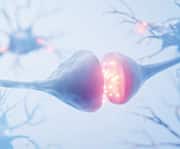
Preclinical studies have shown that magnesium plays an especially critical role in synaptic transmission, the communication between brain cells that is central to complex cognitive functions such as learning and memory formation.13-15
Magnesium has also been shown to influence synaptic plasticity, the ability of synapses to adapt in response to experience.
In animal studies, magnesium intake:
- Improves synaptic plasticity,5,7,16
- Increases the formation of new synapses,5,17
- Stimulates new cell growth in areas of the brain important for learning and memory,17 and
- Protects cognitive function in models of brain aging,17,18 cognitive decline,12 neurodegenerative disease,8,19,20 brain injury,20-23 and mood.11,23

A Better Magnesium for the Brain
Not all forms of magnesium deliver equal benefits for brain health.
That’s because absorption of magnesium can differ for different forms, and the blood-brain barrier may impede magnesium from reaching brain cells.6,7,24
The solution to these problems came from neuroscientists at a major university, who developed magnesium L-threonate.
Preclinical studies indicate that this formulation more effectively raises brain magnesium levels compared with other common forms of magnesium.6-8
Improved Cognitive Function
Preclinical studies have found that magnesium L-threonate is associated with improved brain function.6,8,17,20,21
In animal models, this form of magnesium has enhanced cognitive function.5,7,25 Models of brain disease reveal that magnesium L-threonate is capable of protecting brain cell viability.22,25,26
In a study published in 2024, magnesium L-threonate improved cognition, including learning and memory, in a mouse model of Alzheimer’s disease. It also improved the makeup of the gut microbiome, which the study authors believe may benefit the brain through the gut-brain axis.25
In another study, giving aged rats magnesium L-threonate increased the density of synapses and led to improvements in learning, working memory, and short- and long-term memory.7
When scientists studied magnesium L-threonate in humans, they found impressive benefits for cognition and memory.
In one controlled clinical trial, older adults with signs of cognitive decline took either 1,500-2,000 mg of magnesium L-threonate or a placebo daily for 12 weeks. Those receiving the magnesium had improvements in cognitive function, including memory, executive function (the ability to plan, adapt, focus, and make decisions), and cognitive processing speed.27
In an open-label trial in subjects with mild to moderate dementia, 12 weeks of magnesium L-threonate consumption resulted in considerable improvements in regional metabolism in the brain, as well as better overall cognitive functioning.28
In a recent 2026 published randomized, double-blind, placebo-controlled trial, 100 adults received 2000 mg daily of magnesium L-threonate or placebo for six weeks. Compared to placebo, the magnesium L-threonate group had greater improvement in overall cognitive performance as measured by the National Institutes of Health (NIH) Total Cognition Composite Score. There were even greater benefits for both working and episodic memory.9
Using a separate metric known as NIH Toolbox Total Cognition Composite Change Sensitive Score, researchers calculated a "cognitive age." This is a measure of age-related decline in cognitive functions such as memory, processing speed, and executive functions compared to average scores for one’s similar-aged peers.
Six weeks of magnesium L-threonate consumption resulted in a 7.5-year improvement in this cognitive function-based estimate of "cognitive age."9
This form of magnesium has shown benefits for other aspects of brain health. For example, in one study in 15 adult patients with moderate severity attention deficit hyperactivity disorder (ADHD), magnesium L-threonate resulted in improved clinical status in nearly half the participants.29
Another human study published in 2024 enrolled adults with sleep problems and randomized them to receive 1,000 mg daily of magnesium L-threonate or a placebo. Those receiving the magnesium maintained better sleep quality and were more productive, more alert, and less grouchy during the day.30
Additional benefits are still being explored, but magnesium L-threonate has already shown a clear ability to help support optimal brain health.
Summary
Magnesium is critical for brain function, and poor magnesium status is associated with cognitive decline and risk for dementia.
Magnesium L-threonate is a form of magnesium which boasts excellent bioavailability as well as an ability to boost brain levels of magnesium.
In human trials, taking magnesium L-threonate has improved cognitive function. A trial published in 2026 showed that just six weeks of consumption improved function-based estimates of cognitive age by more than seven years.
What You Need To Know
Improve Cognitive Functioning with Magnesium L-Threonate
- Magnesium plays critical roles in brain health. Inadequate magnesium status is common in the elderly and is associated with increased risk for dementia.
- Magnesium L-threonate is a form of magnesium that is well absorbed and is able to deliver magnesium to the brain.
- Animal and human studies show that magnesium L-threonate is capable of boosting brain function, even in cases of neurological disease such as cognitive impairment and Alzheimer’s.
- A recently published clinical trial showed that magnesium L-threonate consumption resulted in improved cognitive function and reduced "cognitive age."
If you have any questions on the scientific content of this article, please call a Life Extension Wellness Specialist at 1-866-864-3027.
References
- Kostov K, Halacheva L. Role of Magnesium Deficiency in Promoting Atherosclerosis, Endothelial Dysfunction, and Arterial Stiffening as Risk Factors for Hypertension. Int J Mol Sci. 2018 Jun 11;19(6).
- Barbagallo M, Veronese N, Dominguez LJ. Magnesium in Aging, Health and Diseases. Nutrients. 2021 Jan 30;13(2).
- Chen F, Wang J, Cheng Y, et al. Magnesium and Cognitive Health in Adults: A Systematic Review and Meta-Analysis. Adv Nutr. 2024 Aug;15(8):100272.
- Li G, Zhou N, Wang H, et al. Association of magnesium depletion score with cognitive function in older adults: An analysis of US National Health and Nutrition Examination Survey (NHANES) 2011 to 2014. Medicine (Baltimore). 2025 Oct 17;104(42):e45231.
- Sun Q, Weinger JG, Mao F, et al. Regulation of structural and functional synapse density by L-threonate through modulation of intraneuronal magnesium concentration. Neuropharmacology. 2016 Sep;108:426-39.
- Sadir S, Tabassum S, Emad S, et al. Neurobehavioral and biochemical effects of magnesium chloride (MgCl2), magnesium sulphate (MgSO4) and magnesium-L-threonate (MgT) supplementation in rats: A dose dependent comparative study. Pak J Pharm Sci. 2019 Jan;32(1(Supplementary)):277-83.
- Slutsky I, Abumaria N, Wu LJ, et al. Enhancement of learning and memory by elevating brain magnesium. Neuron. 2010 Jan 28;65(2):165-77.
- Shen Y, Dai L, Tian H, et al. Treatment Of Magnesium-L-Threonate Elevates The Magnesium Level In The Cerebrospinal Fluid And Attenuates Motor Deficits And Dopamine Neuron Loss In A Mouse Model Of Parkinson’s disease. Neuropsychiatr Dis Treat. 2019;15:3143-53.
- Lopresti AL, Smith SJ. The effects of magnesium L-threonate (Magtein®) on cognitive performance and sleep quality in adults: a randomised, double-blind, placebo-controlled trial. Frontiers in Nutrition. 2026 2026-January-12;Volume 12 - 2025.
- Dominguez LJ, Veronese N, Barbagallo M. Magnesium and the Hallmarks of Aging. Nutrients. 2024 Feb 9;16(4).
- Xu P, Cui D, Jin M, et al. Magnesium ions and dementia. Journal of Neurorestoratology. 2024;12(1):1000094.
- Scibior A, Llopis J, Dobrakowski PP, et al. Magnesium (Mg) and Neurodegeneration: A Comprehensive Overview of Studies on Mg Levels in Biological Specimens in Humans Affected Some Neurodegenerative Disorders with an Update on Therapy and Clinical Trials Supplemented with Selected Animal Studies. Int J Mol Sci. 2024 Nov 23;25(23).
- Hou H, Wang L, Fu T, et al. Magnesium Acts as a Second Messenger in the Regulation of NMDA Receptor-Mediated CREB Signaling in Neurons. Mol Neurobiol. 2020 Jun;57(6):2539-50.
- Billard JM. Brain free magnesium homeostasis as a target for reducing cognitive aging. In: Vink R, Nechifor M, editors. Magnesium in the Central Nervous System. Adelaide (AU)2011.
- Collingridge GL. Long-term potentiation in the hippocampus: From magnesium to memory. Neuroscience. 2025 Jul 10;578:126-31.
- Zhou H, Bi GQ, Liu G. Intracellular magnesium optimizes transmission efficiency and plasticity of hippocampal synapses by reconfiguring their connectivity. Nat Commun. 2024 Apr 22;15(1):3406.
- Jia S, Liu Y, Shi Y, et al. Elevation of Brain Magnesium Potentiates Neural Stem Cell Proliferation in the Hippocampus of Young and Aged Mice. J Cell Physiol. 2016 Sep;231(9):1903-12.
- Varga P. The Role of Magnesium in Depression, Migraine, Alzheimer’s Disease, and Cognitive Health: A Comprehensive Review. Nutrients. 2025 Jul 4;17(13).
- Maier JAM, Locatelli L, Fedele G, et al. Magnesium and the Brain: A Focus on Neuroinflammation and Neurodegeneration. Int J Mol Sci. 2022 Dec 23;24(1).
- Huang Y, Huang X, Zhang L, et al. Magnesium boosts the memory restorative effect of environmental enrichment in Alzheimer’s disease mice. CNS Neurosci Ther. 2018 Jan;24(1):70-9.
- Liu C, Cheng Y, Guo Y, et al. Magnesium-L-threonate alleviate colonic inflammation and memory impairment in chronic-plus-binge alcohol feeding mice. Brain Res Bull. 2021 Sep;174:184-93.
- Xiong Y, Ruan YT, Zhao J, et al. Magnesium-L-threonate exhibited a neuroprotective effect against oxidative stress damage in HT22 cells and Alzheimer’s disease mouse model. World J Psychiatry. 2022 Mar 19;12(3):410-24.
- Varga P, Lehoczki A, Fekete M, et al. The Role of Magnesium in Depression, Migraine, Alzheimer’s Disease, and Cognitive Health: A Comprehensive Review. Nutrients. 2025 Jul 4;17(13).
- Uysal N, Kizildag S, Yuce Z, et al. Timeline (Bioavailability) of Magnesium Compounds in Hours: Which Magnesium Compound Works Best? Biol Trace Elem Res. 2019 Jan;187(1):128-36.
- Liao W, Wei J, Liu C, et al. Magnesium-L-threonate treats Alzheimer’s disease by modulating the microbiota-gut-brain axis. Neural Regen Res. 2024 Oct 1;19(10):2281-9.
- Li W, Yu J, Liu Y, et al. Elevation of brain magnesium prevents synaptic loss and reverses cognitive deficits in Alzheimer’s disease mouse model. Mol Brain. 2014 Sep 13;7:65.
- Liu G, Weinger JG, Lu ZL, et al. Efficacy and Safety of MMFS-01, a Synapse Density Enhancer, for Treating Cognitive Impairment in Older Adults: A Randomized, Double-Blind, Placebo-Controlled Trial. J Alzheimers Dis. 2016;49(4):971-90.
- Wroolie TE, Watson K, Chen K, et al. Open Label Trial of Magnesium L-Threonate in Patients with Dementia. Innov Aging. 2017 Jul Jun 30;1(Suppl 1):170. doi: 10.1093/geroni/igx004.661. eCollection 2017 Jul.
- Surman C, Vaudreuil C, Boland H, et al. L-Threonic Acid Magnesium Salt Supplementation in ADHD: An Open-Label Pilot Study. J Diet Suppl. 2021;18(2):119-31.
- Hausenblas HA, Lynch T, Hooper S, et al. Magnesium-L-threonate improves sleep quality and daytime functioning in adults with self-reported sleep problems: A randomized controlled trial. Sleep Med X. 2024 Dec 15;8:100121.


Wellness
Specialists
1-800-226-2370 - This service is FREE
7:30 AM - 12 AM (ET) Mon-Fri | 9 AM - 12 AM (ET) Sat-Sun