

Life Extension Magazine®

Colorectal Cancer: A Growing Threat to Younger Adults
Life Extension® has historically advocated for earlier colorectal cancer screening. Now, younger adults are increasingly diagnosed with colorectal cancer. Specific nutrients, dietary patterns and screening can protect against this growing risk.
Scientifically reviewed by: Gary Gonzalez, MD, in May 2026. Written by: Patrick Sturges.
Colorectal cancer is the second most common cause of cancer-related death in the U.S.1
The American Cancer Society estimates there will be approximately 55,000 deaths from colorectal cancer nationwide in 2026.2
Recent years have seen a notable shift. While rates of colorectal cancer have declined slightly among older adults, they have increased among adults younger than 50.2-4
The good news is, over the past several decades, evidence from observational studies as well as experimental research suggests that certain nutrients5,6 and overall dietary patterns5-7 are associated with a lower risk of cancer of the colon and rectum.
Improving diet quality and adopting healthy lifestyle habits, including adequate intake of these nutrients, may help support colorectal health.
Individuals at high risk may want to consider discussing supplementation with a healthcare provider.
Early diagnosis using various screening options can prevent many of these deaths.
The Changing Landscape of Colorectal Cancer
Colorectal cancers, cancers of the colon (large intestine) and the rectum, were until recently considered diseases of older age. Routine screenings like colonoscopies were recommended for those over 50 years old.8,9
Over the last few decades, an increasing number of adults under 50 have been diagnosed with colon cancer, suggesting that risk factors may begin early in life and contribute to disease later on,4 often in advanced stages that are more difficult to treat.
In 1995, the proportion of cases in younger adults was about 11%. By 2022, it was up to 22%. Colorectal cancer is now the leading cause of cancer deaths among men under 50 years old.3
The American Cancer Society now recommends that adults start getting screened for colorectal cancer at age 45 instead of 50.10 However, risk may still be present in younger individuals.4
Life Extension® has historically advocated earlier colorectal cancer screening than what was once standard.11-13 In recent years, leading medical organizations have moved in this direction as well, advising that average-risk adults begin colorectal cancer screening discussions with their physicians at age 45.10,14
Fortunately, there are steps people can take that may help reduce the risk of developing colorectal cancer, including avoiding smoking, maintaining a healthy weight, and improving diet and nutrient intake.15
How Diet Impacts Colorectal Cancer Risk
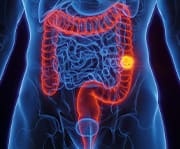
Poor diet is considered a significant contributor to colorectal cancer risk.16
The cells that line the colon and rectum are directly exposed to food components that have passed through the mouth, stomach, and small intestine. Diet also influences the gut microbiome, the mix of microorganisms in the digestive tract.17,18
Healthy gut bacteria help ward off disease. Harmful bacteria create toxins, damage the lining of the intestines, and contribute to chronic inflammation, which are associated with increased cancer incidence.17,18
One population-level modeling study estimated that approximately 38% of colorectal cancer cases in the U.S. could be attributed to suboptimal diet.7
Eating lots of fruits and vegetables, fish, nuts, legumes, and whole grains is associated with lower cancer risk, while excessive intake of red meats, sugary drinks, and alcohol increases risk.10
A pooled analysis of 27 studies involving about 30,000 colorectal cancer cases found that each quartile increase in red meat consumption was associated with a 30% increased risk, while each quartile increase in processed meat consumption was associated with a 40% increased risk of colorectal cancer.19
Specific nutrients have been tied to lower risk of colorectal cancer.
Dietary Fiber
Dietary fiber may help protect against cancer—especially colorectal cancer—by working on several levels at once.20
Many plant foods contain indigestible fiber, which helps reshape the gut microbiome, reducing harmful bacteria and helping beneficial gut bacteria thrive. When healthy microbes ferment fiber, they can produce butyrate, a fatty acid that has demonstrated anti-tumor effects in preclinical research.20,21
At the same time, fiber may help lower inflammation and support immune responses that help the body recognize and fight tumor cells.20
In addition, bile acids secreted into the gut by the liver can contribute to the development of colon cancer. Dietary fiber may interfere with the metabolism of these bile acids, which may help limit their tumor-promoting effects.21
What You Need To Know
Reduce Risk for Colon and Rectal Cancer
- Colorectal cancer, cancer of the colon and rectum, is responsible for tens of thousands of deaths in the U.S. annually.
- Younger adults are increasingly diagnosed with these tumors.
- High-fiber, plant-based diets are associated with lower risk of colorectal cancer.
- Specific nutrients have been associated with potential protective effects against colon cancer, including vitamin D, calcium, polyphenols, and sulforaphane.
Epidemiological studies show that low fiber intake is associated with increased risk of colorectal cancer, while a diet high in fiber is associated with reduced risk.21
Pooled evidence from multiple meta-analyses shows that higher dietary fiber intake is associated with a 22% reduction in cancer risk and a 17% reduction in cancer‑related mortality.22
Low fiber intake is common in Western countries and may be one contributing factor to rising colorectal cancer rates.21
A landmark study of over 1,500 patients with colorectal cancer found that each 5 gram per day increase in post‑diagnosis fiber intake was associated with a 22% reduction in colorectal cancer-specific mortality, with an 18% reduction among those who increased fiber intake after diagnosis.23
Calcium

In epidemiological studies, those who consume the most calcium have lower rates of colorectal cancer.24
A study published in 2025 of almost 500,000 subjects aged 50 to 71 found those with the highest calcium intake were 29% less likely to develop colorectal cancer, for up to 22 years, than those with the lowest intake.25
One way in which calcium may be protective is by binding to potentially harmful compounds like bile acids and free fatty acids.24
In a follow-up analysis of a randomized controlled trial, participants who had received 1,200 mg of elemental calcium supplementation daily for four years experienced reductions in adenoma formation for as long as five years after calcium supplementation ended.26
Vitamin D
Preclinical studies suggest that vitamin D and its metabolites have demonstrated anti-tumor activity, inhibiting the formation of cancerous tumors.27-29
In population studies, those with the lowest vitamin D levels have the highest rates of cancers, including colorectal cancer,29-31 and the highest risk of death from cancer.32,33
Pooled data from eight prospective observational studies, including the Physicians' Health Study, showed a 34% lower risk of developing colorectal cancer for those with the highest versus lowest vitamin D levels.34
Polyphenols
Polyphenols are plant compounds found in many foods that have been studied for potential health benefits.
In preclinical studies polyphenols have demonstrated anti-cancer activity, including effects on tumor formation, progression, and cell survival.35-38 Human observational studies have linked higher polyphenol intake to lower risk of colorectal cancer.39
Evidence from studies of individual polyphenols provides additional context to these associations:
- In animal models, curcumin has been shown to inhibit colorectal tumor growth through diverse mechanisms,40,41 including by reducing harmful secondary bile acids linked to colon cancer risk.42
- In preclinical settings, green tea polyphenols known as catechins, including the well-known epigallocatechin-3-gallate (EGCG), have been studied for their potential to inhibit carcinogenesis in various cancers, including colorectal cancers.43 A meta-analysis of five randomized controlled trials found that long-term EGCG supplementation was associated with reduced colorectal cancer recurrence after polyp removal.44
- In preclinical studies polyphenols such as resveratrol have been shown to support gut health by strengthening the intestinal barrier, reducing inflammation, balancing the gut microbiome, and showing antitumor activity with potential for cancer prevention and treatment.36
- Animal studies indicate that quercetin has shown potential to influence pathways associated with colorectal cancer by reducing tumor growth, precancerous lesions, inflammation, and oxidative stress.45 In a pilot study, patients with familial adenomatous polyposis who took curcumin and quercetin for six months experienced reduction in polyp numbers by about 60% and polyp size by about 50%.46
- A systematic review and meta-analysis of 39 preclinical studies showed that the polyphenol flavonoid apigenin has been shown to reduce cancer cell viability, slow cell growth, and induce apoptosis and cell cycle arrest in vitro.47 In an animal model with colorectal cancer, it was associated with reduced tumor growth and limited metastasis to the liver and lungs.48
Sulforaphane
Sulforaphane, a compound produced by the digestion of cruciferous vegetables like broccoli has demonstrated anti-cancer activity in preclinical studies.49,50
In a cell study, sulforaphane was shown to block the proliferation, invasion, and spread of colon cancer cells. It did this by helping to block gene expression and pathways tied to cancer progression.51
Increasing intake of cruciferous vegetables may influence processes involved in cancer growth and spread by blocking harmful processes inside cancer cells.
Summary
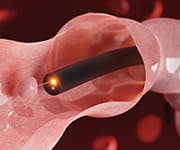
In recent decades, the rate of colorectal cancer diagnoses in younger adults has been increasing.
Increasing intake of calcium, fiber, vitamin D, polyphenols, and sulforaphane may support gut health. Low intake has been associated with factors linked to colorectal cancer risk.
If you have any questions on the scientific content of this article, please call a Life Extension Wellness Specialist at 1-866-864-3027.
References
- Siegel RL, Wagle NS, Star J, et al. Colorectal cancer statistics, 2026. CA Cancer J Clin. 2026 Mar-Apr;76(2):e70067.
- Available at: https://www.cancer.org/cancer/types/colon-rectal-cancer/about/key-statistics.html. Accessed April 20, 2026.
- Siegel RL, Wagle NS, Cercek A, et al. Colorectal cancer statistics, 2023. CA Cancer J Clin. 2023 May-Jun;73(3):233-54.
- Downham L, Laversanne M, Perdomo S, et al. Increase of early-onset colorectal cancer: a cohort effect. J Natl Cancer Inst. 2026 Apr 1;118(4):751-6.
- Song M, Garrett WS, Chan AT. Nutrients, foods, and colorectal cancer prevention. Gastroenterology. 2015 May;148(6):1244-60 e16.
- Vallis J WP. Gastrointestinal Cancers. In: JA M-D, ed. The Role of Diet and Lifestyle in Colorectal Cancer Incidence and Survival. National Librarary of Medicine: Exon Publications; 2022: https://www.ncbi.nlm.nih.gov/books/NBK585999/
- Zhang FF, Cudhea F, Shan Z, et al. Preventable Cancer Burden Associated With Poor Diet in the United States. JNCI Cancer Spectr. 2019 Jun;3(2):pkz034.
- Shaukat A, Kahi CJ, Burke CA, et al. ACG Clinical Guidelines: Colorectal Cancer Screening 2021. Am J Gastroenterol. 2021 Mar 1;116(3):458-79.
- Benard F, Barkun AN, Martel M, et al. Systematic review of colorectal cancer screening guidelines for average-risk adults: Summarizing the current global recommendations. World J Gastroenterol. 2018 Jan 7;24(1):124-38.
- Available at: https://www.cancer.org/cancer/types/colon-rectal-cancer/detection-diagnosis-staging/acs-recommendations.html. Accessed April 22, 2026.


Wellness
Specialists
1-800-226-2370 - This service is FREE
7:30 AM - 12 AM (ET) Mon-Fri | 9 AM - 12 AM (ET) Sat-Sun