



Life Extension Magazine®

In the News: New Research on Multivitamin and Mineral Health Benefits
Multivitamin/mineral use linked to greater health benefits; CoQ10 reduces statin associated muscle symptoms; gotu kola increases macular
Scientifically reviewed by: Gary Gonzalez, MD, in July 2026.
New Data on Health Benefits of Multivitamin/Mineral Supplement Use
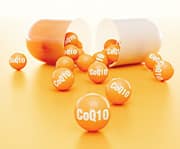
A review of 19 meta-analyses that included 214 studies with a total of about 5.5 million people, consolidated the evidence for the health benefits of multivitamin/mineral use.*
Analysis of randomized, controlled trials found that multivitamin/ mineral use was associated with better global cognition, episodic memory, and immediate recall in cognitively intact or older adults.
The scientists also found decreased psychological symptoms in healthy individuals, and lower systolic blood pressure among people with high blood pressure or chronic diseases.
In observational studies, multivitamin/ mineral use was associated with lower risks of cataracts, coronary heart disease, colorectal cancer, and hip fracture in adults.
Editor's Note: Meta-analyses of studies that evaluated the use of multivitamin/mineral formulas among pregnant women found reductions in the risks of giving birth to infants who were small for their gestational age, had neural tube defects, or developed cancer.
* Ageing Res Rev.. 2026 Jan:114:102965..
CoQ10 Effects Against Statin-Induced Muscle Symptoms
CoQ10 has been studied as a possible treatment for statin-associated muscle symptoms since the late 1980s, with mixed results in clinical trials. A new systematic review and meta-analysis of clinical trials concluded that CoQ10 may be more likely to have a benefit.*
Statin-associated muscle symptoms include muscle pain, cramps, weakness, stiffness, and, less often, a condition characterized by muscle tissue breakdown. Because CoQ10 is depleted by statin drugs, the addition of CoQ10 to a nutritional regimen has been suggested for statin users to protect against statin-associated muscle symptoms and other side effects.
The meta-analysis included seven randomized, controlled trials that enrolled a total of 389 patients. Trial duration ranged from 30 to 90 days and daily CoQ10 doses ranged from 100 mg to 600 mg. Statin dosages ranged from 10 mg to 80 mg per day. The meta-analysis showed that the pooled results found a significant reduction in statin-associated muscle side effects in CoQ10-treated individuals.
Editor's Note: CoQ10 is a molecule that is made by the body and occurs in some foods. It is essential for producing energy by the cells’ “power plants” known as mitochondria, but declines with aging.
* J Nutr Sci. 2025 Oct 10:14:e72.
Gotu Kola Increases Macular Pigment Optical Density

A randomized, controlled trial found that Centella asiatica (known as gotu kola) significantly improved macular pigment optical density, a biomarker of macular antioxidant status, among middle-aged adults.*
The researchers hypothesized that gotu kola would enhance macular pigment optical density by improving the retinal antioxidant environment.
The clinical trial included men and women between the ages of 45 to 65 years. A total of 80 people were split to receive 300 mg per day of a standardized gotu kola extract or a placebo for 180 days. Macular pigment optical density was measured before the treatment period, on the 60th and 120th days, and at the end of the trial.
Significant improvements were shown beginning at 120 days in the participants who received gotu kola for macular pigment optical density in the left eye, right eye, and the average of both eyes compared with the placebo. An even greater improvement was shown at the 180-day mark.
Editor's Note: The participant selection included middle-aged adults with relatively low baseline MPOD.
* Nutrients. 2026 Mar 12;18(6):905.
Fish Oil Shown to Help Protect Kidney Dialysis Patients from Cardiovascular Events
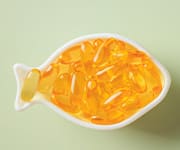
A randomized, controlled trial revealed a significantly lower risk of serious cardiovascular events among individuals undergoing hemodialysis who received fish oil supplements, compared with those who received a placebo.*
The trial included 1,228 dialysis patients who received 4 grams of omega-3 polyunsaturated fatty acids or a placebo daily with a median follow-up of 3.5 years.
During a median 3.5 years of follow-up, the rate of serious cardiovascular events was 43% lower among participants who received fish oil compared with those who received a placebo.
Participants who received fish oil had a 44% lower risk of fatal and nonfatal heart attack, a 43% lower risk of peripheral vascular disease that led to amputation, a 63% lower risk of fatal and nonfatal stroke, and a 27% lower risk of a first cardiovascular event or death from any cause, compared with the placebo recipients.
Editor's Note:Noncardiac deaths were 33% lower and cardiac deaths were 45% lower among those who received fish oil.
* N Engl J Med. 2026 Jan 8;394(2):128-137.


Wellness
Specialists
1-800-226-2370 - This service is FREE
7:30 AM - 12 AM (ET) Mon-Fri | 9 AM - 12 AM (ET) Sat-Sun