




Life Extension Magazine.

Quercetin Reduces Atherosclerosis and Supports Heart Health
Preclinical research shows that the flavonoid quercetin may help mitigate development and progression of atherosclerosis.
Scientifically reviewed by: Gary Gonzalez, MD, in September 2026. Written by: Richard Templeton.
It's difficult to overstate just how dangerous and common atherosclerosis is.
Atherosclerosis is the progressive buildup of plaque in the arteries and is a leading cause of cardiovascular disease, including coronary artery disease (CAD), peripheral artery disease (PAD), and cerebrovascular disease.1
Preclinical research over the last few years has shown that quercetin can play a role in mitigating the development and progression of atherosclerosis, helping to protect the heart and potentially reduce risk for these dangerous conditions.
How Atherosclerosis Drives Cardiovascular Disease
Atherosclerosis-driven coronary artery disease develops over time as lipids, inflammatory cells, smooth muscle cells, and dead cell debris accumulate beneath the vessel's inner endothelial lining.
Its major complications, including myocardial infarction and stroke, substantially contribute to morbidity, loss of independence, and reduced quality of life.2
Nearly half of U.S. adults have at least one major risk factor for coronary heart disease, such as high blood pressure, high lipids, or smoking. Meanwhile, 12% have diabetes, a serious risk factor; and 115 million adults have prediabetes, yet another potential contributor.4
As plaque accumulates, several pathological changes can occur:2
- Endothelial dysfunction, in which the endothelium loses its protective role, leading to reduced vasodilation, increased inflammation, and endothelial cell senescence.5 Endothelial dysfunction is also the first step in the process that initiates atherosclerosis.6
- Narrowing of blood vessels (often > 50%), which reduces blood flow and causes angina, particularly during physical exertion or stress,2 and
- Blood clot formation can be triggered by rupture-prone fat and inflammation-rich plaques, blocking blood flow to the heart, causing a heart attack, or traveling to the brain resulting in stroke.2
Emerging preclinical research suggests that quercetin may influence several biological processes involved in atherosclerosis progression.
What Is Quercetin?
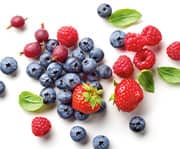
Quercetin is a naturally occurring compound found in a variety of plant foods, including onions, leafy green vegetables such as kale, cruciferous vegetables like broccoli and cabbage, as well as tea, berries, and certain herbs.7
Quercetin has been studied for its role in mitigating age-related deterioration and disease, largely because of its antioxidant and anti-inflammatory effects.7 Preclinical studies also suggest quercetin may have senolytic activity, meaning it may help target senescent cells, though this has primarily been demonstrated in experimental models.8,9
Recent research suggests that quercetin may influence key biological processes involved in atherosclerosis. Evidence from animal and human cell studies indicates that quercetin reduces plaque formation and improves vascular health.
Activating Cellular Defenses
Preclinical studies suggest that quercetin's antioxidant10 and anti-inflammatory effects11,12 target key processes involved in atherosclerotic plaque formation.
Quercetin also activates specific cell pathways critical to cellular defense and rejuvenation in blood vessels.
One way quercetin may support cellular defenses is by increasing activity of a protein called Nrf2. When activated, Nrf2 switches on protective genes that defend cells against threats like oxidative damage.13,14
Nrf2 activity can be suppressed when it binds to another protein, KEAP1. A study found that quercetin binds to KEAP1 and causes it to separate from Nrf2, allowing Nrf2 to activate cellular defenses. As a result, Nrf2 activation helps reduce inflammatory cell death in macrophages.13
Quercetin also increases the production and activity of another cellular defender, SIRT1.15-17 SIRT1 and other sirtuins are proteins vital to cellular defense and rejuvenation.
Activating SIRT1 has been associated with prolonged cellular lifespan in experimental models.15,18 Quercetin boosts SIRT1 expression and activity, which may contribute to its observed effects in atherosclerosis.17
In preclinical studies, quercetin has also been shown to increase the activity of AMPK, an enzyme that plays a key role in metabolic regulation (including blood sugar, lipids, and insulin resistance).15,19,20 Reduced AMPK activity is tied to insulin resistance and metabolic syndrome, major risk factors for cardiovascular disease including atherosclerosis.21
Through all these actions, quercetin can further block the oxidative damage and inflammation that contribute to atherosclerosis.
For example, it impedes the oxidation of LDL cholesterol, which contributes to fat deposits in arterial plaques.14,15
These effects of quercetin have been associated with protection against atherosclerosis in animal models.
Blocking Dangerous Abnormalities
Several types of cells are damaged or altered in atherosclerosis, worsening the condition.
Quercetin has been shown in preclinical studies to protect against damage to:
- Macrophages. A type of immune system cell, damaged macrophages can invade arterial plaques and transform into foam cells, which rapidly accelerate plaque buildup. Quercetin has been shown to reduce transformation of macrophages into forms that promote atherosclerosis.13,15,22
- Endothelial cells. These cells line the inside of arteries and are critical to healthy blood flow. When these cells become damaged, they drive atherosclerosis. Quercetin has been shown to block endothelial cell damage and death.12,14,15
- Vascular smooth muscle cells. Smooth muscle cells in arterial walls allow the vessel to constrict or dilate to regulate blood flow. In atherosclerosis, these cells spread and migrate to abnormal locations within the vessel. This is associated with inflammation, calcification, and thickening of the plaque.23 Quercetin has been shown to inhibit the harmful proliferation and migration of these cells.24,25
Improving Gut Health
A healthy mix of gut microbes benefits the heart and overall health.26
In preclinical models, quercetin intake has been associated with improvements in gut microbial composition.27-29 In turn, healthy gut microbes metabolize quercetin into bioactive compounds that circulate throughout the body.
Higher levels of these metabolites have been linked to reduced atherosclerosis in experimental animals.26 In one animal study quercetin intake not only altered the gut microbiota but also reduced harmful lipid metabolites.30
A review of 30 preclinical studies suggests that quercetin supplementation, across a range of doses, may exert cardioprotective effects in experimental high-fat diet models.31 Clinical trials are needed to determine whether these findings translate to human atherosclerosis.
Sumamry
Cardiovascular disease is the leading killer in the world. Atherosclerotic plaque in blood vessels is its most common driver.
Quercetin has been studied for its potential effects on atherosclerosis formation and progression. By boosting cellular defenses and blocking damaging processes that contribute to atherosclerosis in cell and animal models, it shows promise for lowering the burden of atherosclerosis in humans.
If you have any questions on the scientific content of this article, please call a Life Extension Wellness Specialist at 1-866-864-3027.
References
- Della Corte V, Todaro F, Cataldi M, et al. Atherosclerosis and Its Related Laboratory Biomarkers. Int J Mol Sci. 2023 Oct 24;24(21).
- Bjorkegren JLM, Lusis AJ. Atherosclerosis: Recent developments. Cell. 2022 May 12;185(10):1630-45.
- Available at: https://www.nhlbi.nih.gov/health/coronary-heart-disease/risk-factors. Accessed April 27, 2026.
- Available at: https://diabetes.org/about-diabetes/statistics/about-diabetes. Accessed May 1, 2026.
- Xu S, Ilyas I, Little PJ, et al. Endothelial Dysfunction in Atherosclerotic Cardiovascular Diseases and Beyond: From Mechanism to Pharmacotherapies. Pharmacol Rev. 2021 Jul;73(3):924-67.
- Jebari-Benslaiman S, Galicia-Garcia U, Larrea-Sebal A, et al. Pathophysiology of Atherosclerosis. Int J Mol Sci. 2022 Mar 20;23(6).
- Aghababaei F, Hadidi M. Recent Advances in Potential Health Benefits of Quercetin. Pharmaceuticals (Basel). 2023 Jul 18;16(7).
- Luo G, Xiang L, Xiao L. Quercetin alleviates atherosclerosis by suppressing oxidized LDL-induced senescence in plaque macrophage via inhibiting the p38MAPK/p16 pathway. J Nutr Biochem. 2023 Jun;116:109314.
- Zhang L, Pitcher LE, Prahalad V, et al. Targeting cellular senescence with senotherapeutics: senolytics and senomorphics. FEBS J. 2023 Mar;290(5):1362-83.
- Luo M, Tian R, Lu N. Quercetin Inhibited Endothelial Dysfunction and Atherosclerosis in Apolipoprotein E-Deficient Mice: Critical Roles for NADPH Oxidase and Heme Oxygenase-1. J Agric Food Chem. 2020 Sep 30;68(39):10875-83.
- Li H, Xiao L, He H, et al. Quercetin Attenuates Atherosclerotic Inflammation by Inhibiting Galectin-3-NLRP3 Signaling Pathway. Mol Nutr Food Res. 2021 Aug;65(15):e2000746.
- Wang YM, Chu TJ, Wan RT, et al. Quercetin ameliorates atherosclerosis by inhibiting inflammation of vascular endothelial cells via Piezo1 channels. Phytomedicine. 2024 Sep;132:155865.
- Luo X, Weng X, Bao X, et al. A novel anti-atherosclerotic mechanism of quercetin: Competitive binding to KEAP1 via Arg483 to inhibit macrophage pyroptosis. Redox Biol. 2022 Nov;57:102511.
- Lv Y, Weng X, Zhu Y, et al. Quercetin alleviates postmenopausal atherosclerosis by suppressing endothelial cell ferroptosis via regulating the KEAP1/NRF2/GPX4 signalling pathway. Br J Pharmacol. 2026 Feb;183(3):620-43.
- Cui Z, Zhao X, Amevor FK, et al. Therapeutic application of quercetin in aging-related diseases: SIRT1 as a potential mechanism. Front Immunol. 2022;13:943321.
- Liu LQ, Zhang P, Qi YZ, et al. Quercetin Attenuates Atherosclerosis via Modulating Apelin Signaling Pathway Based on Plasma Metabolomics. Chin J Integr Med. 2023 Dec;29(12):1121-32.
- Ungurianu A, Zanfirescu A, Margina D. Exploring the therapeutic potential of quercetin: A focus on its sirtuin-mediated benefits. Phytother Res. 2024 May;38(5):2361-87.
- Rogina B, Tissenbaum HA. SIRT1, resveratrol and aging. Front Genet. 2024;15:1393181.
- Yamashita Y, Jiang H, Okada F, et al. Single oral administration of quercetin glycosides prevented acute hyperglycemia by promoting GLUT4 translocation in skeletal muscles through the activation of AMPK in mice. J Clin Biochem Nutr. 2024 Jan;74(1):37-46.
- Cao P, Wang Y, Zhang C, et al. Quercetin ameliorates nonalcoholic fatty liver disease (NAFLD) via the promotion of AMPK-mediated hepatic mitophagy. J Nutr Biochem. 2023 Oct;120:109414.
- Ruderman NB, Carling D, Prentki M, et al. AMPK, insulin resistance, and the metabolic syndrome. J Clin Invest. 2013 Jul;123(7):2764-72.
- Huwait EA, Saddeek SY, Al-Massabi RF, et al. Antiatherogenic Effects of Quercetin in the THP-1 Macrophage Model In Vitro, With Insights Into Its Signaling Mechanisms Using In Silico Analysis. Front Pharmacol. 2021;12:698138.
- Frausto L, Scott ML, Orr AW, et al. Smooth muscle cell phenotypic modulation during atherosclerosis. Vascul Pharmacol. 2026 Mar;162:107570.
- Shi R, Liu Z, Yin J, et al. Quercetin relieves coronary atherosclerosis via regulating fibroblast growth factor 2. Cell Mol Biol (Noisy-le-grand). 2023 Dec 31;69(15):223-9.
- Xiang L, Wang Y, Liu S, et al. Quercetin Attenuates KLF4-Mediated Phenotypic Switch of VSMCs to Macrophage-like Cells in Atherosclerosis: A Critical Role for the JAK2/STAT3 Pathway. Int J Mol Sci. 2024 Jul 15;25(14).
- Kasahara K, Kerby RL, Aquino-Martinez R, et al. Gut microbes modulate the effects of the flavonoid quercetin on atherosclerosis. NPJ Biofilms Microbiomes. 2025 Jan 10;11(1):12.
- Shi T, Bian X, Yao Z, et al. Quercetin improves gut dysbiosis in antibiotic-treated mice. Food Funct. 2020 Sep 23;11(9):8003-13.
- Su L, Zeng Y, Li G, et al. Quercetin improves high-fat diet-induced obesity by modulating gut microbiota and metabolites in C57BL/6J mice. Phytother Res. 2022 Dec;36(12):4558-72.
- Mi W, Hu Z, Xu L, et al. Quercetin positively affects gene expression profiles and metabolic pathway of antibiotic-treated mouse gut microbiota. Front Microbiol. 2022;13:983358.
- Nie J, Zhang L, Zhao G, et al. Quercetin reduces atherosclerotic lesions by altering the gut microbiota and reducing atherogenic lipid metabolites. J Appl Microbiol. 2019 Dec;127(6):1824-34.
- Espirito-Santo DA, Cordeiro GS, Santos LS, et al. Cardioprotective effect of the quercetin on cardiovascular remodeling and atherosclerosis in rodents fed a high-fat diet: A systematic review. Chem Biol Interact. 2023 Oct 1;384:110700.


Wellness
Specialists
1-800-226-2370 - This service is FREE
7:30 AM - 12 AM (ET) Mon-Fri | 9 AM - 12 AM (ET) Sat-Sun