



Is Rye Bread Good for Weight Loss? Benefits, Comparisons & Tips
Is Rye Bread Good for Weight Loss? Benefits, Comparisons & Tips
If you've been ordering that turkey sub on wheat because you think this grain is better for your waistline, it might be time to ask yourself, "Rye not?" and switch to this darker, crustier loaf. Emerging research shows that rye bread, especially whole-grain rye, may help support weight loss goals.
In a 12-week-long randomized study, 242 overweight or obese participants on a low-calorie diet received either high-fiber rye products or refined wheat products. Participants in the rye group lost an average of 6.4 pounds and more body fat compared to those in the wheat group, who only lost 4 pounds. The overall takeaway: while whole-grain rye and wheat bread can both be part of a weight loss strategy, the unique components of rye give it an extra edge in supporting healthy body weight.
Why would rye be better than other types of bread for weight reduction? A number of studies suggest that due to its high fiber content and unique effect on appetite-regulating hormones, rye keeps you feeling fuller longer and helps maintain steady blood sugar levels.
Let's break down the science behind rye bread and weight loss, so you can compare it to other types of bread and choose the best option for your health goals.

5 reasons why rye bread may help you lose weight

Rye bread may be the best kind of bread for dieting because its components are different from those of wheat, white, and other types of bread.
Here are five reasons why rye bread is good for weight loss, compared to other types of bread.
1. Rye is a low glycemic bread
Consuming rye bread may help stabilize blood sugar levels. One study comparing rye intake versus wheat intake found that participants had slightly lower blood glucose and better glycemic control following consuming rye. (Glycemic index is a metric that reflects how your blood sugar levels fluctuate depending on the types of foods you eat.) This is because the components in rye bread make it a low glycemic bread, so it won't raise blood sugar levels as much as white bread does.
While the support for this study is modest, as a general rule, choosing low glycemic foods is always going to be a good idea because blood sugar plays a role in how your body stores and uses energy, and maintaining stable levels is directly involved in weight management.
2. Rye may improve the gut microbiome
Sugar can disrupt your gut bacteria. High fiber food, on the other hand, helps your gut microbiome flourish. And if you're looking for a high-fiber bread, rye makes an excellent choice!
In a randomized controlled study comparing it to wheat bread, high-fiber rye bread induced more positive changes in gut microbiota composition, including increasing the abundance of gut-friendly bacteria, which "crowd out" less friendly gut bacteria that have been linked to inflammation and metabolic issues.
3. Rye is more filling than other breads
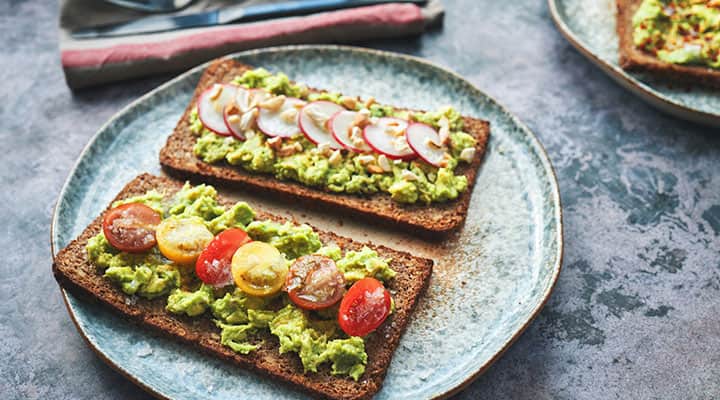
Speaking of fiber, another reason that rye bread could contribute to weight loss is that it's a great source of soluble fiber, which can slow digestion. Fiber helps keep you fuller, so you have less room in your stomach for more food.
Think about it this way: What would keep you full longer, high fiber rye toast or a croissant? (Don't get us wrong, we love a buttery, flaky croissant, but it won't do much to satiate you.) Rye toast, on the other hand, is more satiating and lower in fat and calories. (Pro tip: add a few slices of avocado, feta cheese, radishes and cherry tomatoes, and turn those slices into a delicious, satisfying snack or light lunch!)
4. Rye bread and GLP-1: a connection?
Some preliminary research suggests that high fiber rye grains (the main ingredient in earthy, slightly sour-tasting bread) may modulate hormones involved in satiety. This type of bread may also impact GLP-1, a hormone that regulates blood sugar and appetite. (Important disclaimer: These findings are still up for discussion, and more research is needed, as there are conflicting results.)
5. Post-meal insulin response
Consuming rye may reduce the body's post-meal insulin response, likely due to its ability to slow down glucose uptake in the intestines. This is another reason why rye may make you feel full and satisfied longer versus other bread types, while also helping your body use glucose more efficiently. Both factors can be beneficial in maintaining a healthy body weight.
By the Numbers: Rye vs. Wheat vs. White
The following comparison table breaks down the health benefits of rye bread compared with other choices:
| Bread Type | Fiber (g/slice) | Glycemic Index | Satiety Score | Best For |
|---|---|---|---|---|
| Whole-grain rye | 3–5 g | ~50–58 | High | Weight loss, gut health |
| Whole wheat | 2–3 g | ~68–75 | Moderate | General use |
| White bread | <1 g | ~75–85 | Low | Occasional use |
None of this is to say, though, that whole wheat or white bread is bad for you (although white bread is definitely in the "eat sparingly" category); rather, when it comes to rye versus wheat bread for weight loss, the former wins.
Best types of rye bread for weight loss
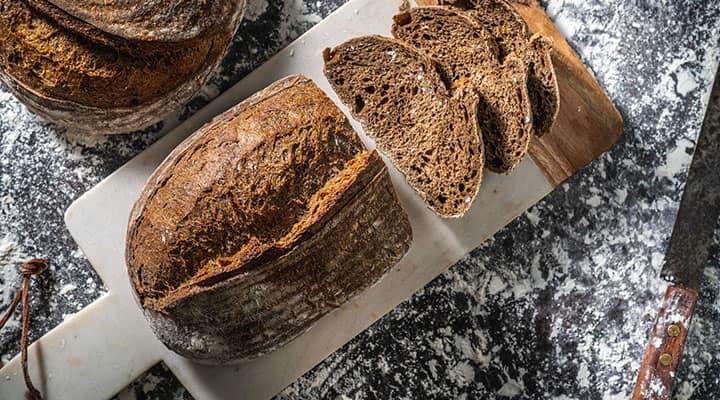
Now that you know rye may be the best bread for losing weight, how do you choose the best bread? As a rule of thumb, focus on three key points:
Minimally processed:
To get all of rye's benefits, you want to choose the least processed rye bread possible. For this reason, avoid light rye or mixed wheat-rye loaves. Light rye, for instance, is typically made with processed flour, while dark rye uses whole grains.Whole food ingredients:
Check the ingredient label and prioritize brands with a short ingredient list of items you can pronounce. For example: dark rye flour, water, active dry yeast, salt, melted grass-fed butter. Avoid brands with long ingredient lists, added sugars and other preservatives. If your local chain grocery store is short on options, you might have better luck at an actual bakery. Pro tip: Consider putting this bread in the refrigerator: When it's freshly baked, it won't last as long on the counter or in the pantry. (That's a good thing because it lacks the preservatives of other loaves.)Higher fiber, more benefits:
And, of course, look for rye bread with the most fiber content. This isn't just about your bread: Fiber is a healthy part of every individual's diet.
How to incorporate rye bread into a weight loss plan

Rye is tasty and nutritious but it's not a magic pill. Follow these tips and tricks to make sure you're getting the most from your loaf!
Moderation is key:
While it's absolutely true that you can eat bread and lose weight, consuming anything in excess can thwart your progress. Limit yourself to one to two slices of bread per meal, so that you adequately manage your carb intake. Pay attention to your hunger cues and stop eating when you are satisfied. Speak with a nutritionist to get guidance on what best works for you.Go for balance:
You've already got the healthy carbs, so pair it with protein and healthy fats to boost satiety and get more macronutrients and micronutrients in every bite. For example, try a slice of avocado toast with eggs or cottage cheese on top.Make it sweet or savory:
To curb those sugar cravings, try spreading a dollop of Greek yogurt on your rye bread and topping it with fruit. For something savory, smother it in hummus, add a slice or two of turkey, drizzle a touch of olive oil, and sprinkle a little bit of red pepper flakes.
Is switching to rye bread worth it?
"I hate bread," said no one ever. If you're going to eat it, you might as well eat the good kind, right? This easy swap can work wonders for your blood glucose and satiety, so the next time you're grocery shopping, check the ingredients and fiber content of the rye loaves available to you.
Is rye bread healthier than whole wheat for weight loss?
Yes! Rye bread tends to have more fiber and a lower glycemic index than whole wheat bread, which may support better blood sugar control and longer-lasting fullness, which are critical aspects of managing a healthy weight. Another reason to consider rye bread is that it's typically less processed than many commercial wheat and white loaves. The more you focus your diet on minimally processed foods, the more you can fill up on whole foods.
Can I eat rye bread every day and still lose weight?
Yes, in moderation. Choosing high-fiber bread for dieting is your best bet. In addition, opt for whole-grain rye bread and incorporate it into balanced meals to support a healthy weight loss plan.
References
- Åberg S, et al. "Postprandial Effects of Four Test Meals Containing Wholegrain Rye or Refined Wheat Foods on Circulating Incretins, Ghrelin, Glucose, and Inflammatory Markers." J Nutr. January 2025. https://pubmed.ncbi.nlm.nih.gov/39515756/
- Clark MJ, Slavin JL. "The effect of fiber on satiety and food intake: a systematic review." J Am Coll Nutr. 2013. https://pubmed.ncbi.nlm.nih.gov/23885994/
- Iversen KN, et al. "The Effect of Rye-Based Foods on Postprandial Plasma Insulin Concentration: The Rye Factor." Front Nutr. June 2022. https://pubmed.ncbi.nlm.nih.gov/35757252/
- Iversen KN, et al. "The Effects of High Fiber Rye, Compared to Refined Wheat, on Gut Microbiota Composition, Plasma Short Chain Fatty Acids, and Implications for Weight Loss and Metabolic Risk Factors (the RyeWeight Study)." Nutrients. April 2022. https://pubmed.ncbi.nlm.nih.gov/35458231/
- Iversen KN, et al. "A hypocaloric diet rich in high fiber rye foods causes greater reduction in body weight and body fat than a diet rich in refined wheat: A parallel randomized controlled trial in adults with overweight and obesity (the RyeWeight study)." Clinical Nutrition. October 2021. https://www.clinicalnutritionespen.com/article/S2405-4577(21)00258-8/fulltext
- Lee I, et al. "Effects of whole-grain rye porridge with added inulin and wheat gluten on appetite, gut fermentation and postprandial glucose metabolism: a randomised, cross-over, breakfast study." Br J Nutr. December 2016. https://pubmed.ncbi.nlm.nih.gov/28069076/
- Sandberg JC, et al. "Rye-Based Evening Meals Favorably Affected Glucose Regulation and Appetite Variables at the Following Breakfast; A Randomized Controlled Study in Healthy Subjects." PLoS One. March 2016. https://pubmed.ncbi.nlm.nih.gov/26990559/
About Our Story Sources
The Life Extension Health News team delivers accurate information about vitamins, nutrition and aging. Our stories rely on multiple, authoritative sources and experts. We keep our content accurate and trustworthy, by submitting it to a medical reviewer.


