



Life Extension Magazine®

Reduce Nighttime Bathroom Visits
In a clinical trial, a combination of five compounds helped reduce nocturia symptoms in men. After 60 days, not a single subject reported waking more than once a night to urinate.
Scientifically reviewed by: Gary Gonzalez, MD, in October 2025. Written by: Laurie Mathena.
As men get older, it is common to experience an increase in lower urinary tract symptoms such as urgency, incontinence, dribbling, and weak urine stream.1
One of the most common and bothersome of these symptoms is nocturia, which is waking to urinate one or more times during the night.1,2 This disrupts sleep, while increasing the risk of falls and other serious health problems.3
Fortunately, nocturia does not have to be a normal part of life.
A novel combination of five compounds has been shown to help markedly reduce nocturia symptoms in men.4
Five Ways to Support Urinary Health
2017–2020 NHANES data show that about 40% of U.S. men aged 40 and older are affected.5 After age 70, up to 60% of men need to urinate at least twice per night.6
These nighttime bathroom trips contribute to increased risk of falls, sleep disturbance, depression, reduced daytime activity and work productivity, and elevated morbidity and mortality.3
Two of the underlying causes of nocturia include enlargement of the prostate gland (benign prostatic hyperplasia, or BPH) and overactive bladder.1
The following five compounds have been shown to address men’s urinary health from a variety of angles.

- Beta-sitosterol is a plant compound that can help mitigate underlying causes of LUTS (lower urinary tract symptoms) associated with prostate enlargement.7 In a clinical study of men with enlarged prostates, beta-sitosterol reduced urinary symptom severity by 50%.8
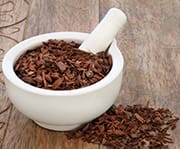
- Pygeum bark extracts have been shown to help improve lower urinary tract symptoms and quality of life in men with BPH.9 One meta-analysis of clinical trials found that Pygeum extracts reduced nocturia by 19%, reduced residual volume by 24%, and increased peak urine flow by 23% in men with BPH.10
- Lycopene is a carotenoid that was shown in a study to improve lower urinary tract symptoms, quality of life, and maximum urine flow rate in men with BPH.11
- Boron has been shown in preclinical studies to reduce markers of inflammation,12,13 modulate sex-hormone production,13 and reduce the impact of growth factors that may contribute to prostate enlargement.14
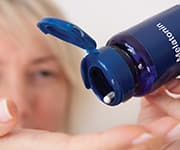
- Melatonin, a hormone that helps some people sleep better,15 has been shown to reduce nocturia. In elderly men, supplementation was associated with less frequent nighttime urination and improved quality of life.16
Better Together
Based on the ability of these compounds to address numerous aspects of urinary health, Life Extension conducted a clinical trial to determine if they could work together to reduce the number of nighttime bathroom visits in men suffering from nocturia.4
For the trial, 30 healthy men from 45 to 75 years old with mild lower urinary tract symptoms took a blend of these five compounds every night before bed for 60 days.
They answered questions on the International Prostate Symptom Score (IPSS), a questionnaire that assesses the severity of lower urinary tract symptoms at the beginning and end of the study.4
After 60 days, there was a 16.3% decrease (improvement) in the overall IPSS scores from baseline. The impact on nocturia was especially notable.
At the beginning of the study, 87% of the men had some degree of nocturia. After 60 days, only 23% reported nocturia symptoms.
In the 37% of men with severe nocturia (waking two to three times per night to urinate), none of them reported waking more than once per night after treatment.
In fact, by the end of the study, not a single man reported waking more than once per night to urinate.
Summary
Nocturia affects more than half of men over age 50. It is associated with an increased risk of falls and other serious health problems.
A novel combination of compounds can help reduce the frequency of nighttime urination while improving other lower urinary tract symptoms.
These compounds include beta-sitosterol, Pygeum bark extract, lycopene, boron, and melatonin.
If you have any questions on the scientific content of this article, please call a Life Extension Wellness Specialist at 1-866-864-3027.
References
- Brown A, Burden H. Lower urinary tract symptoms: initial management in men. Prescriber. 2021;32(6):13-8.
- Wei JT, Dauw CA, Brodsky CN. Lower Urinary Tract Symptoms in Men: A Review. JAMA. 2025.
- Bliwise DL, Wagg A, Sand PK. Nocturia: A Highly Prevalent Disorder With Multifaceted Consequences. Urology. 2019;133:3-13.
- Hirsh SP, Pons M, Joyal SV, et al. Self-Assessed Benefits of a Prostate Health Formulation on Nocturia in Healthy Males With Mild Lower Urinary Tract Symptoms: An Open Label Study. Glob Adv Health Med. 2020;9:2164956120973639.
- Luo Z, Wang J, Huang S, et al. Decadal changes in nocturia among American middle-aged and older men. Geriatr Gerontol Int. 2024 Dec;24(12):1308-14.
- Kowalik CG, Cohn JA, Delpe S, et al. Nocturia: Evaluation and Current Management Strategies. Rev Urol. 2018;20(1):1-6.
- Kim TH, Lim HJ, Kim MS, et al. Dietary supplements for benign prostatic hyperplasia: an overview of systematic reviews. Maturitas. 2012 Nov;73(3):180-5.
- Berges RR, Windeler J, Trampisch HJ, et al. Randomised, placebo-controlled, double-blind clinical trial of beta-sitosterol in patients with benign prostatic hyperplasia. Beta-sitosterol Study Group. Lancet. 1995 Jun 17;345(8964):1529-32.
- Cambronero J, Osca-Garcia JM, Merino-Salas S, et al. [Effectiveness of treatment with Pygeum africanum in patients with lower urinary tract symptoms and benign prostatic hyperplasia: a cross-sectional study in the real-world clinical practice in Spain (The PROFIT Study)]. Arch Esp Urol. 2022 Apr;75(3):219-27.
- Ishani A, MacDonald R, Nelson D, et al. Pygeum africanum for the treatment of patients with benign prostatic hyperplasia: a systematic review and quantitative meta-analysis. Am J Med. 2000 Dec 1;109(8):654-64.
- Li YZ, Liang WN, Zhang GW, et al. [Efficacy and safety of lycopene in the treatment of benign prostatic hyperplasia with lower urinary tract symptoms]. Zhonghua Nan Ke Xue. 2019 Nov;25(11):1001-4.
- Pizzorno L. Nothing Boring About Boron. Integr Med (Encinitas). 2015 Aug;14(4):35-48.
- Naghii MR, Mofid M, Asgari AR, et al. Comparative effects of daily and weekly boron supplementation on plasma steroid hormones and proinflammatory cytokines. J Trace Elem Med Biol. 2011 Jan;25(1):54-8.
- Gallardo-Williams MT, Chapin RE, King PE, et al. Boron supplementation inhibits the growth and local expression of IGF-1 in human prostate adenocarcinoma (LNCaP) tumors in nude mice. Toxicol Pathol. 2004 Jan-Feb;32(1):73-8.
- Duffy JF, Wang W, Ronda JM, et al. High dose melatonin increases sleep duration during nighttime and daytime sleep episodes in older adults. J Pineal Res. 2022 Aug;73(1):e12801.
- Sugaya K, Nishijima S, Miyazato M, et al. Effects of melatonin and rilmazafone on nocturia in the elderly. J Int Med Res. 2007 Sep-Oct;35(5):685-91.


Wellness
Specialists
1-800-226-2370 - This service is FREE
7:30 AM - 12 AM (ET) Mon-Fri | 9 AM - 12 AM (ET) Sat-Sun