



Life Extension Magazine®

Extra Virgin Olive Oil: More Benefits Discovered
Extra virgin olive oil is associated with decreased risks of dementia, cardiovascular disease, and non-alcoholic fatty liver, along with improved cognitive function.
Scientifically reviewed by: Gary Gonzalez, MD, in August 2025. Written by: Laurie Mathena.
Many of the health benefits associated with the Mediterranean diet are thought to be due, in part, to one of its key components: extra virgin olive oil.1
Consumption of olive oil has been shown to be associated with improvement in:
Symptoms of mild cognitive impairment and biomarkers of Alzheimer's disease,2,3
- Insulin resistance biomarkers,4
- Cardiovascular disease,5
- Type 2 diabetes,5,6 and
- Cancer.7
It has also been associated in different studies with a lower risk of death from cardiovascular events, cancer, and from any cause.5,8,9
But not all olive oil is equal. For optimal health benefits, choose a cold-pressed extra virgin olive oil high in polyphenols.
Brain Protection

Extra virgin olive oil (EVOO) and its phenolic compounds help combat key processes involved in the development of Alzheimer's disease.
Evidence from preclinical studies, summarized in a comprehensive review published in 2024, suggests that this includes reducing the buildup of harmful plaques, easing inflammation, enhancing the brain's protective barrier, and lowering oxidative stress.10
In human studies examined in that same 2024 review, it was found that regular consumption of extra virgin olive oil improved not only cognitive function but also biomarkers and indices associated with developing mild cognitive impairment and Alzheimer's.10
It may also reduce the risk of dying from dementia.
In an analysis of data from two large prospective cohorts—the Nurses' Health Study in 60,582 women and the Health Professional Follow-up Study in 31,801 men, followed for 28 years—it was found that those who consumed more than 7 grams (just over half a tablespoon) of olive oil per day had a 29% lower risk of dementia-related death than those who consumed little or no olive oil.9
Boost Metabolic Health
Olive oil has been identified as a key contributor to the cardiovascular benefits of the Mediterranean diet.11,12
Research has highlighted the polyphenol content of olive oil, revealing that its anti-inflammatory effects play a major role in improving lipid profiles and blood vessel function, promoting healthy arteries and blood pressure.13,14 As a result, extra virgin olive oil polyphenols may lower the risk of heart attack, stroke, and sudden cardiac death.14
A famous multicenter trial involved about 7,500 people aged between 55-80 years, who were at high cardiovascular risk but without any diagnosed disease at the start of the study. Participants were assigned to one of three groups and followed for nearly five years:
- Mediterranean diet supplemented with extra virgin olive oil group,
- Mediterranean diet supplemented with mixed nuts, and
- Controlled diet (with advice to reduce dietary fat).
The olive oil group consumed, on average, roughly two-thirds of a tablespoon of extra virgin olive oil daily and had a 31% reduced risk of a major cardiovascular event (including myocardial infarction, stroke, or cardiovascular death), compared to those following a low-fat diet.15
A systematic review and meta-analysis of 29 clinical trials and four cohort studies found that higher olive oil intake is associated with a significantly reduced risk of developing type 2 diabetes. Individuals with the highest intake had a 16% lower risk of incident type 2 diabetes compared to those with the lowest intake.
In people with established type 2 diabetes, olive oil supplementation also improved glycemic control, leading to a significant reduction in HbA1c levels and fasting plasma glucose.6
One review found that extra virgin olive oil (EVOO) outperformed other dietary fats in several key areas of health. It was more effective at lowering blood pressure and LDL (“bad”) cholesterol, while also increasing HDL (“good”) cholesterol. Additionally, EVOO contributed to better glucose control and supported healthy weight management. These benefits are believed to stem from EVOO's rich polyphenol content.1
In an early randomized controlled trial, 23 people with high blood pressure were randomly assigned to follow either a diet high in monounsaturated fatty acids (MUFA) from extra virgin olive oil or a diet high in polyunsaturated fatty acids (PUFA) from sunflower oil for six months, after which they crossed over to the alternate diet for another six months. At the end of six months, blood pressure drug dosage was reduced by 48% in the extra virgin olive oil group as compared to the sunflower oil group.16
Fight Against Fatty Liver Disease
Non-alcoholic fatty liver disease (NAFLD) is a growing health concern in the U.S., characterized by excess fat buildup in the liver.
Cases have surged in recent years, and a 2018 forecast determined that by 2030, more than 100 million Americans would have the condition—a whopping 21% increase from 2018 levels.17
In a study of 2,436 adults, those who consumed more than 2.7 tbs of extra virgin olive oil per day had a 27% lower chance of having NAFLD compared to those who consumed 0–1.75 tbs daily.
The benefits in people with excess weight were impressive:
- 18% lower risk of NAFLD in overweight individuals, and
- 26% lower risk of NAFLD in those with obesity.18
In another observational study of 2,754 people with and without non-alcoholic fatty liver disease, those who consumed 2.25 tbs or more of extra virgin olive oil per day had a 27%-34% lower risk of all-cause mortality compared to those who consumed about 1.5 tbs or less, with greater protection associated with higher levels of daily extra virgin olive oil.
In those with NAFLD (non-alcoholic fatty liver disease), the protective effect was even greater.8
Reduced Cancer Mortality
Consuming a Mediterranean-style diet is associated with a reduced risk of numerous types of cancer, including breast, colorectal, prostate, gastric, bladder, head and neck, and lung cancers.19
Olive oil may play an important role in this benefit.
What You Need To Know

The Protective Effects of Extra Virgin Olive Oil
- Olive oil is a key component of the Mediterranean diet that is likely responsible for many of its health benefits.
- Consuming higher amounts of extra virgin olive oil is associated with a reduced risk of dementia, cancer, heart disease, and liver disease.
- It has also been connected to a lower risk of dying from cancer, dementia, or any cause at all.
- Cold-pressed extra virgin olive oil is the least processed olive oil and contains higher amounts of polyphenols, plant compounds responsible for many health benefits.
In a 17-year observational study, researchers analyzed dietary intake of olive oil and compared it to mortality data. Results showed that consuming20 about 2.25 – 3.75 tbs per day was linked to a 24% lower risk of all-cause mortality. Consuming about 3.75 tbs or more daily was linked to a significant reduction in death from cancer, including a:
- 60% lower mortality for gastrointestinal cancer, and
- 50% reduction in mortality from other cancers.
Virtues of Cold-Pressed Olive Oil
All olive oil isn't the same. Cold-pressed extra virgin olive oil is the highest-quality variety. It is the champagne of olive oil.
Cold pressing uses a mechanical press to extract oil without heat or chemicals, helping preserve more of its health benefits by promoting compounds such as polyphenols, which also provide flavor.21,22
Greater dietary intake of polyphenols helps improve lipid profiles and lower blood pressure, insulin resistance, and systemic inflammation.23
The polyphenol content of olive oil varies based on factors including the climate, ripeness of the olives, how the oil is extracted, and the storing process.22
Olive oil is also high in monounsaturated fatty acids (primarily oleic acid), which can lower LDL cholesterol, another potential contributor to olive oil's abundant health benefits.11
Olive Oil and Oral Health

Olive oil may even help reduce gingival inflammation24 and dental plaque.24,25
In a clinical study, 75 adults with gingivitis (early gum disease) caused by plaque bacteria used extra virgin olive oil as a daily mouthwash. After 30 days, they had a 48% reduction in plaque formation and a 64% reduction in gum bleeding.24
Participants in this study held one tablespoon of extra virgin olive oil in their mouths and swished it around for five minutes, one time per evening before going to bed, after brushing and flossing.
Summary
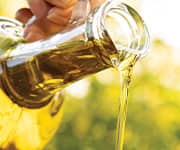
Extra virgin olive oil is a key component of the Mediterranean diet that is thought to contribute to many of the diet's health benefits.
Consuming higher amounts of extra virgin olive oil is associated with a reduced risk of numerous age-related health conditions, as well as a lower risk of dying from heart events, strokes, dementia, cancer, or any cause at all.
For the greatest health benefits, choose a cold-pressed extra virgin olive oil with a high polyphenol content.
If you have any questions on the scientific content of this article, please call a Life Extension Wellness Specialist at 1-866-864-3027.
References
- Flynn MM, Tierney A, Itsiopoulos C. Is Extra Virgin Olive Oil the Critical Ingredient Driving the Health Benefits of a Mediterranean Diet? A Narrative Review. Nutrients. 2023 Jun 27;15(13).
- Tzekaki EE, Papaspyropoulos A, Tsolaki M, et al. Restoration of BMI1 levels after the administration of early harvest extra virgin olive oil as a therapeutic strategy against Alzheimer's disease. Exp Gerontol. 2021 Feb;144:111178.
- Kaddoumi A, Denney TS, Jr., Deshpande G, et al. Extra-Virgin Olive Oil Enhances the Blood-Brain Barrier Function in Mild Cognitive Impairment: A Randomized Controlled Trial. Nutrients. 2022 Dec 1;14(23).
- Morvaridzadeh M, Cohen AA, Heshmati J, et al. Effect of Extra Virgin Olive Oil on Anthropometric Indices, Inflammatory and Cardiometabolic Markers: a Systematic Review and Meta-Analysis of Randomized Clinical Trials. J Nutr. 2024 Jan;154(1):95-120.
- Martinez-Gonzalez MA, Sayon-Orea C, Bullon-Vela V, et al. Effect of olive oil consumption on cardiovascular disease, cancer, type 2 diabetes, and all-cause mortality: A systematic review and meta-analysis. Clin Nutr. 2022 Dec;41(12):2659-82.
- Schwingshackl L, Lampousi AM, Portillo MP, et al. Olive oil in the prevention and management of type 2 diabetes mellitus: a systematic review and meta-analysis of cohort studies and intervention trials. Nutr Diabetes. 2017 Apr 10;7(4):e262.
- Psaltopoulou T, Kosti RI, Haidopoulos D, et al. Olive oil intake is inversely related to cancer prevalence: a systematic review and a meta-analysis of 13,800 patients and 23,340 controls in 19 observational studies. Lipids Health Dis. 2011 Jul 30;10:127.
- Bonfiglio C, Cuccaro F, Campanella A, et al. Effect of Intake of Extra Virgin Olive Oil on Mortality in a South Italian Cohort with and without NAFLD. Nutrients. 2023 Oct 29;15(21).
- Guasch-Ferre M, Li Y, Willett WC, et al. Consumption of Olive Oil and Risk of Total and Cause-Specific Mortality Among U.S. Adults. J Am Coll Cardiol. 2022 Jan 18;79(2):101-12.
- Alkhalifa AE, Al-Ghraiybah NF, Kaddoumi A. Extra-Virgin Olive Oil in Alzheimer's Disease: A Comprehensive Review of Cellular, Animal, and Clinical Studies. Int J Mol Sci. 2024 Feb 5;25(3).
- Milena E, Maurizio M. Exploring the Cardiovascular Benefits of Extra Virgin Olive Oil: Insights into Mechanisms and Therapeutic Potential. Biomolecules. 2025 Feb 14;15(2).
- Marcelino G, Hiane PA, Freitas KC, et al. Effects of Olive Oil and Its Minor Components on Cardiovascular Diseases, Inflammation, and Gut Microbiota. Nutrients. 2019 Aug 7;11(8).
- George ES, Marshall S, Mayr HL, et al. The effect of high-polyphenol extra virgin olive oil on cardiovascular risk factors: A systematic review and meta-analysis. Crit Rev Food Sci Nutr. 2019;59(17):2772-95.
- Schwingshackl L, Christoph M, Hoffmann G. Effects of Olive Oil on Markers of Inflammation and Endothelial Function-A Systematic Review and Meta-Analysis. Nutrients. 2015 Sep 11;7(9):7651-75.
- Estruch R, Ros E, Salas-Salvado J, et al. Primary Prevention of Cardiovascular Disease with a Mediterranean Diet Supplemented with Extra-Virgin Olive Oil or Nuts. N Engl J Med. 2018 Jun 21;378(25):e34.
- Ferrara LA, Raimondi AS, d'Episcopo L, et al. Olive oil and reduced need for antihypertensive medications. Arch Intern Med. 2000 Mar 27;160(6):837-42.
- 1Estes C, Razavi H, Loomba R, et al. Modeling the epidemic of nonalcoholic fatty liver disease demonstrates an exponential increase in burden of disease. Hepatology. 2018 Jan;67(1):123-33. 18. Tedesco CC, Bonfiglio C, Notarnicola M, et al. High Extra Virgin Olive Oil Consumption Is Linked to a Lower Prevalence of NAFLD with a Prominent Effect in Obese Subjects: Results from the MICOL Study. Nutrients. 2023 Nov 4;15(21).
- Mentella MC, Scaldaferri F, Ricci C, et al. Cancer and Mediterranean Diet: A Review. Nutrients. 2019 Sep 2;11(9).
- Bonfiglio C, Reddavide R, Cisternino AM, et al. Protective Effect of Extra Virgin Olive Oil on Cancers, Gastrointestinal Cancers, and All-Cause Mortality: A Competing Risk Analysis in a Southern Italian Cohort. Cancers (Basel). 2024 Oct 23;16(21).
- Fernandez-Prior A, Cardoso JC, Bermudez-Oria A, et al. Application of a Cold-Pressing Treatment to Improve Virgin Olive Oil Production and the Antioxidant Phenolic Profile of Its by-Products. Antioxidants (Basel). 2023 May 27;12(6).
- Gorzynik-Debicka M, Przychodzen P, Cappello F, et al. Potential Health Benefits of Olive Oil and Plant Polyphenols. Int J Mol Sci. 2018 Feb 28;19(3).
- Kiyimba T, Yiga P, Bamuwamye M, et al. Efficacy of Dietary Polyphenols from Whole Foods and Purified Food Polyphenol Extracts in Optimizing Cardiometabolic Health: A Meta-Analysis of Randomized Controlled Trials. Adv Nutr. 2023 Mar;14(2):270-82.
- Zumbo G, Corridore D, Sciscione S, et al. Oil Pulling and Polyphenols: Treatment of Gingivitis Patients with ‘Itri Extra-Virgin Olive Oil'. J Clin Med. 2023 Aug 12;12(16).
- Pretty IA, Gallagher MJ, Martin MV, et al. A study to assess the effects of a new detergent-free, olive oil formulation dentifrice in vitro and in vivo. J Dent. 2003 Jul;31(5):327-32.


Wellness
Specialists
1-800-226-2370 - This service is FREE
7:30 AM - 12 AM (ET) Mon-Fri | 9 AM - 12 AM (ET) Sat-Sun