

Life Extension Magazine®

Conference Report: Revolution Against Aging and Death (RAADfest 2025)
Research projects funded by Life Extension® plus scientific advances made by other groups demonstrate how far regenerative technologies have advanced in the last year
By William Faloon.
If anyone doubted the ability of science to overcome the scourge of degenerative aging, attending the annual RAADfest conference might change their mind.
A record number of speakers presented findings about decelerating degeneration now with experimental indices of systemic age-reversal in the near future.
In my opening keynote address, I covered a wide range of research projects funded by Life Extension®.
I also described initiatives and advances made by other groups who seek to restore youthful functionality to our aged bodies.
This article includes many of my PowerPoint slides along with descriptive verbiage so you can see how far rejuvenation research has advanced in less than a year’s time.
I open my presentations by letting newcomers know that our Life Extension® group was established 48 years ago and that we have a track record of introducing biomedical innovations before they are recognized by mainstream medicine.
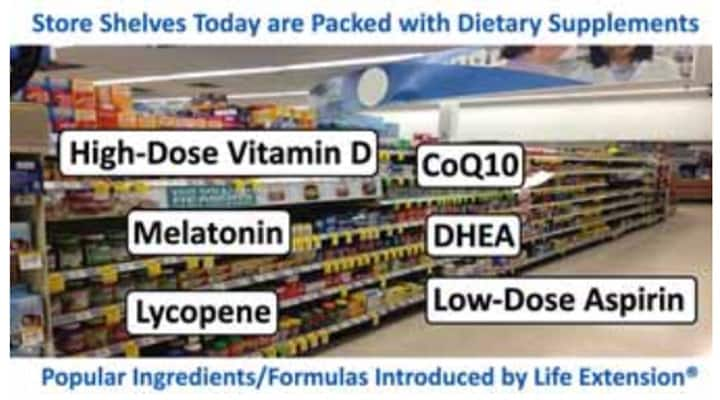
I showed a slide of pharmacy shelves packed with dozens of brands of low-cost nutrients/drugs that were introduced to Americans by our Life Extension® group.
I briefly describe our multi-decade battle to keep these products on the shelves, including our precedent-setting legal cases against the government and our role in passing legislation in 1994 that allows consumers to learn how dietary supplements function in the body.
By way of example, the next slide reports on a recent placebo-controlled clinical trial that showed supplementing with just 2,000 IU/day of vitamin D reduced telomere shortening by 76% compared to the average base pair loss over a four-year period based on population studies.1,2
What Are Telomeres?
Telomeres are protective DNA caps at the ends of chromosomes that shorten each time a cell divides. Telomere shortening is a driver of biological aging. As telomeres erode, stem cells weaken, immunity declines, and age-related disorders become more likely.
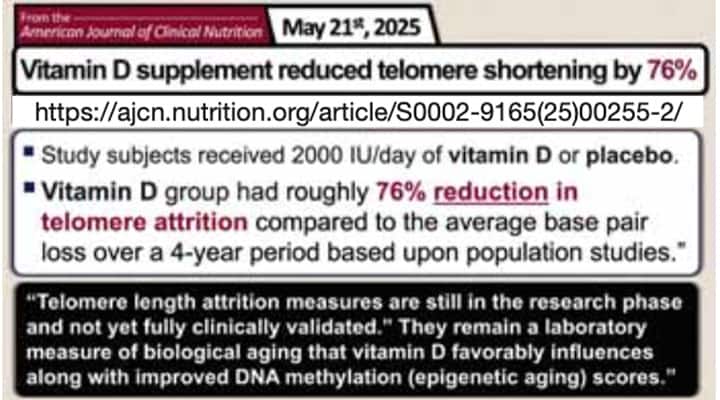
The above human study was published six weeks before RAADfest 2025, and reenforced previous data indicating that vitamin D can slow telomere attrition, which may enable longer lifespans.
I then clicked to a graph showing people born in 1880 had an average life expectancy of only 40 years, with only a slight improvement by 1900.3
I gave examples of why 1880 was not that long ago, such as many in the audience in their younger years knew people born in 1880.
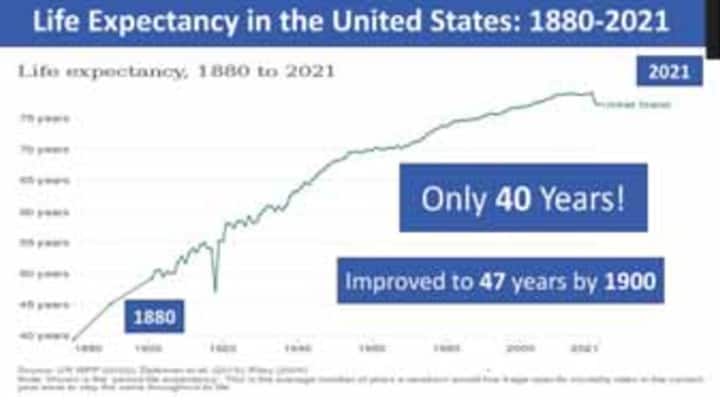
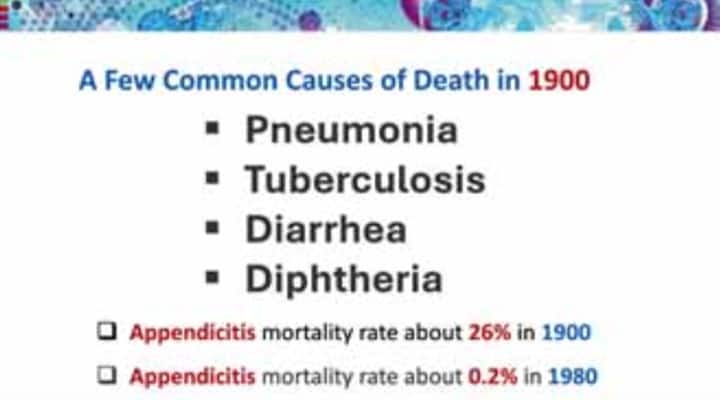
The most common diseases that killed Americans in 1900 have largely been vanquished in immune-competent individuals.3
Current life expectancy in the U.S. is around 79 years,4 but can you imagine how it will be extended in the next decades or so?
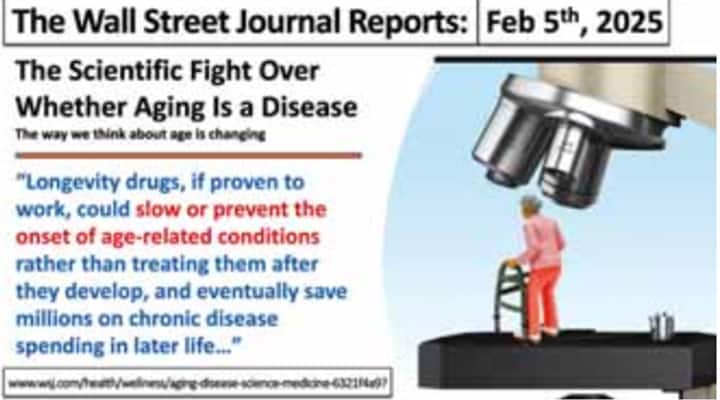
I then presented slides from respected media that describe longevity drugs being developed to "slow or prevent the onset of age-related conditions."5,6
Even more optimistic are reports predicting that if we can live into the 2030s, we might achieve super-longevity, as reported by a Microsoft newsletter and other articles.7,8

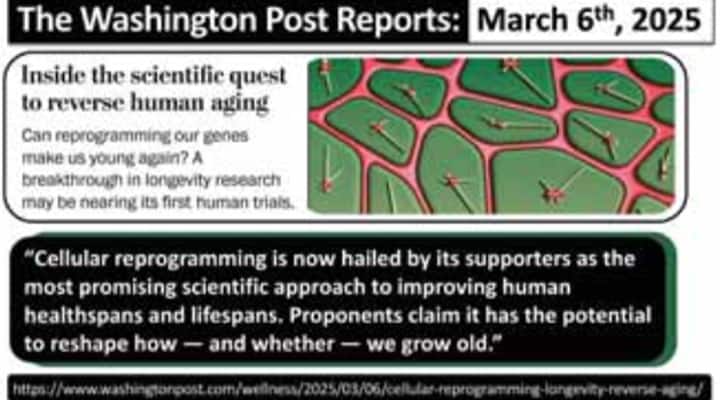
The Washington Post reported on the scientific quest to reverse human aging using a technique called "cellular reprogramming" that you will read a lot about in this article.9
How to Live Longer Today
Before getting into age-reversal research, I present new data on what our supporters can do now to live longer.
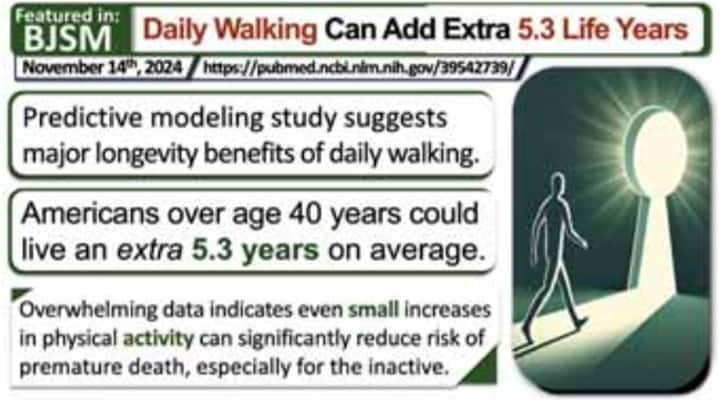
The most important findings published in the past year are about getting more physical activity. A large human study found that more daily walking added 5.3 more life years.10
The importance of reenforcing longevity data cannot be over-emphasized. I know supporters who engage in experimental attempts to restore their youth but omit consistent data showing the need to avoid sedentary lifestyles.
And my reinforcement of a healthy lifestyle includes following diets that avoid deadly foods.
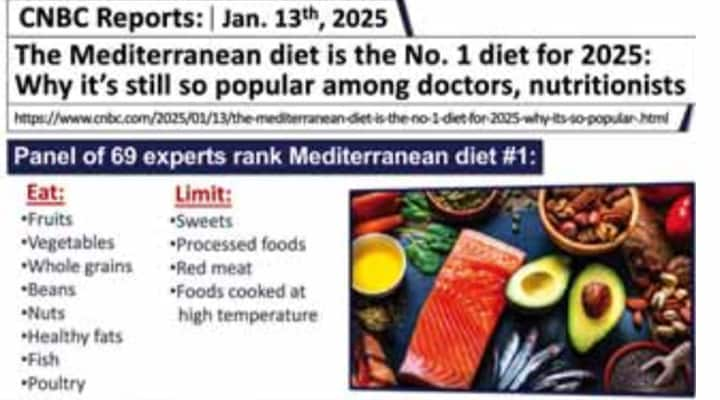
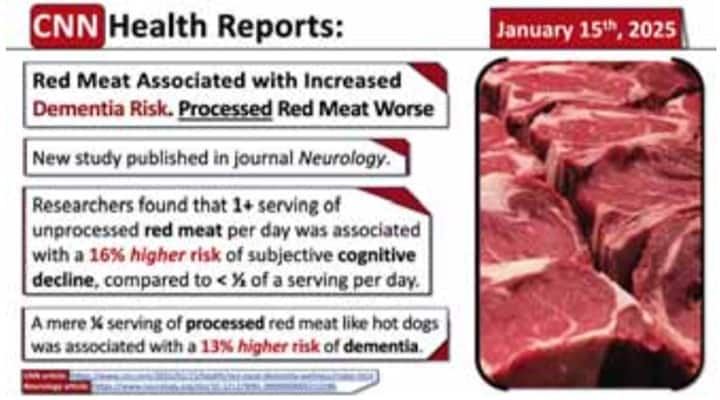
I showed a survey released in 2025 where the Mediterranean diet continues to rank #1 and slides showing the dementia risks of consuming red meat, especially processed red meats.11,12
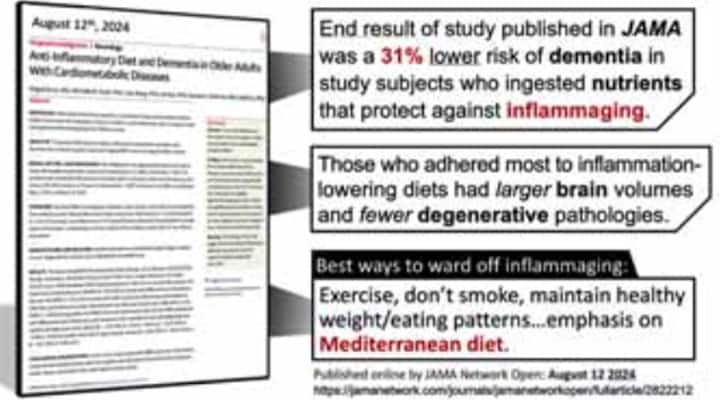
Anti-Inflammatory Diet and Dementia in Older Adults with Cardiometabolic Diseases13
CNN Health Reports:14,15
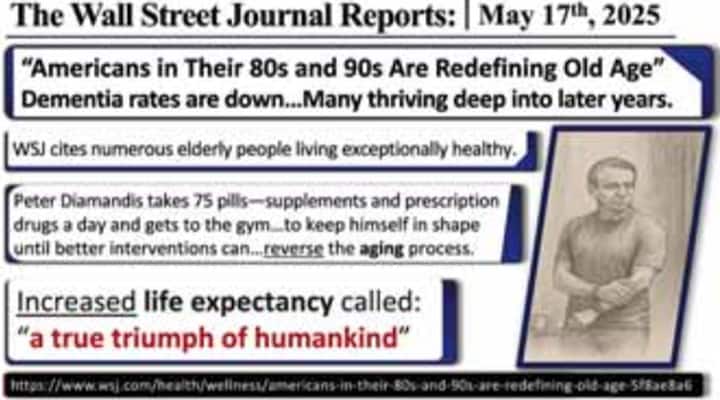
Just eight weeks before RAADfest 2025, the Wall Street Journal published an extensive article on how Americans in their 80s and 90s are redefining old age.16 One doctor was quoted stating, this is "a true triumph of humankind."
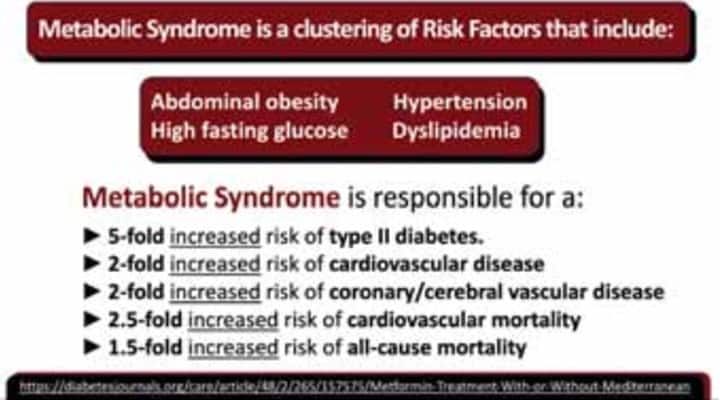
On the flip side are one in three Americans who suffer from the deadly metabolic syndrome. As seen on the following slide, metabolic syndrome sharply increases risks of early diseases and death.17-20
Metformin Counteracts Metabolic Syndrome
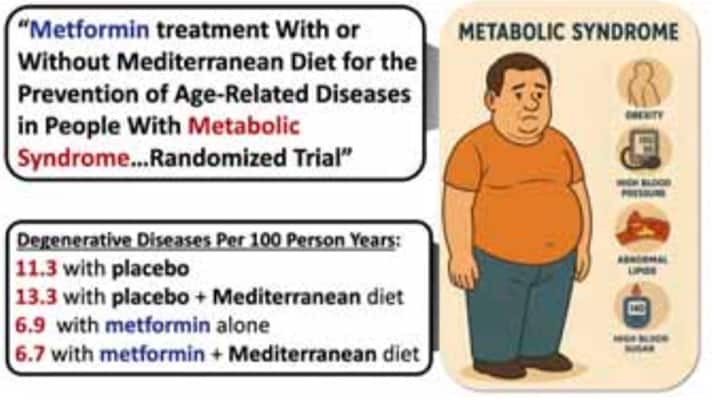
The fantastic news comes from a 2025 published clinical trial whereby those who took 850 mg of metformin twice a day reduced their number of diseases and enjoyed an 80% lower rate of developing type 2 diabetes.21
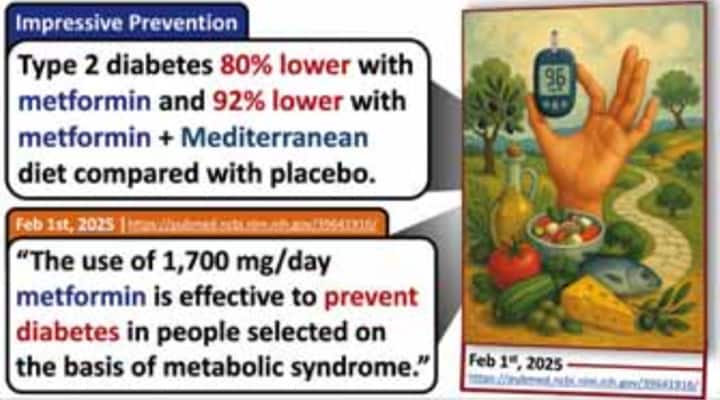
Combining metformin with a Mediterranean diet lowered type 2 diabetes incidence by 92% compared to placebo as seen on the following slide:21
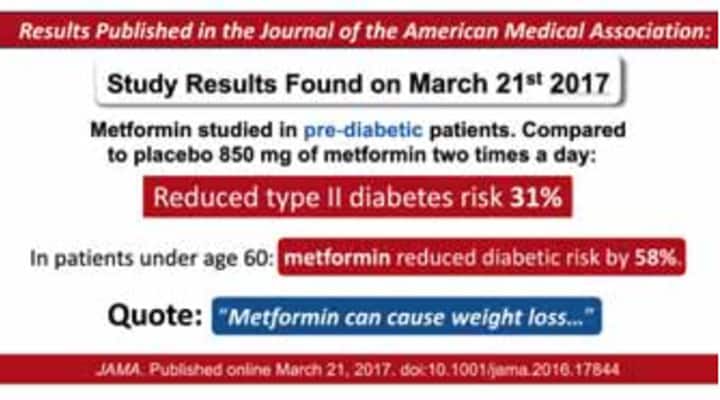
My next slide showed similar data published in 2017 in JAMA. I criticized the needless delays in incorporating published research findings (like prescribing metformin) into conventional medical practice.22
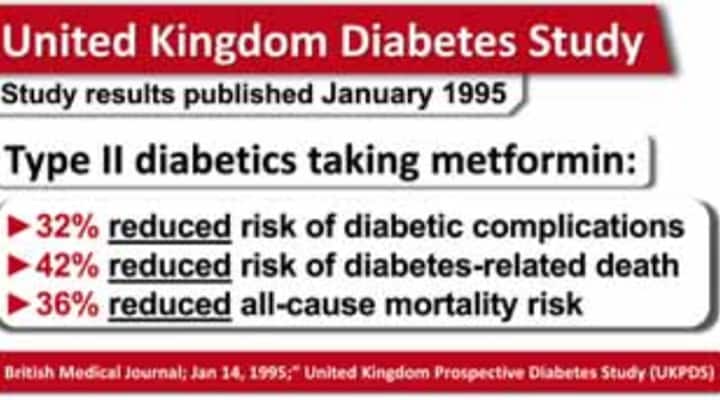
To emphasize this point, I went further back in time to January 1995, when a published study showed huge reductions in diabetes-related complications, death and all-cause mortality in those prescribed metformin.23
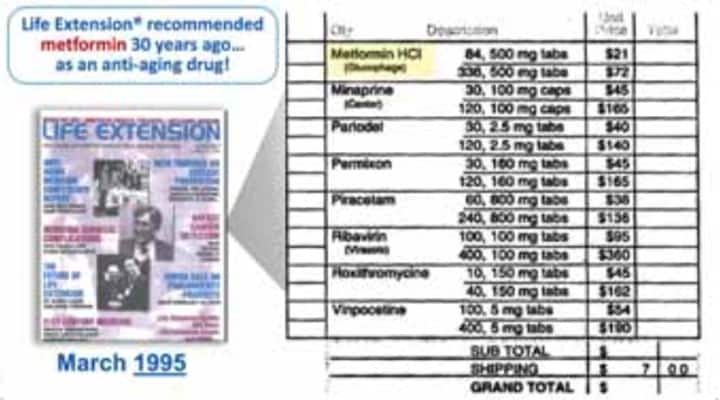
In response to this 1995 study, I showed a list of medications available in other countries that we published in the March 1995 issue of Life Extension Magazine®…with metformin at the top of the list.
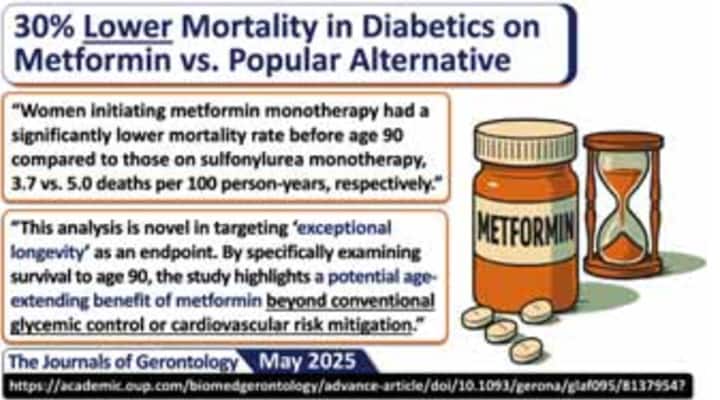
I then showed details from a May 2025 study showing 30% lower mortality in type 2 diabetics prescribed metformin compared to the previously most popular anti-diabetic drug class.24 (Refer to slide below).
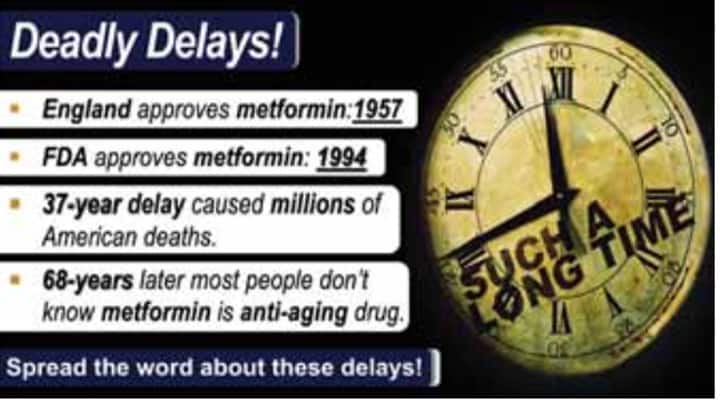
And I reminded the audience about the 37-year delay in metformin being available to Americans compared to people in England.25
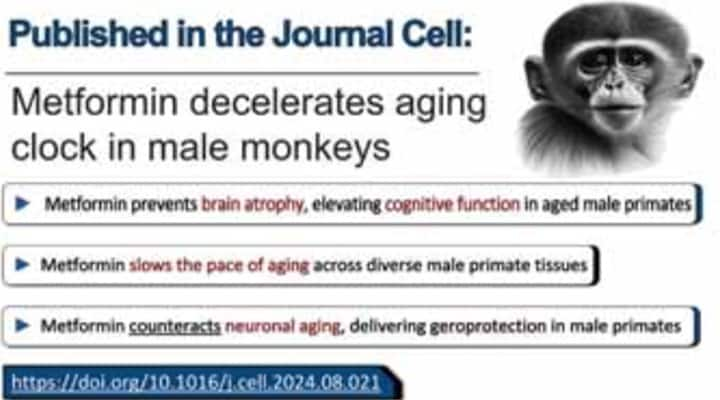
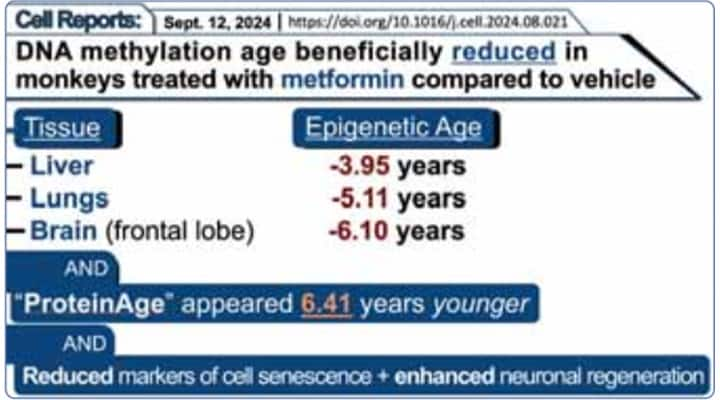
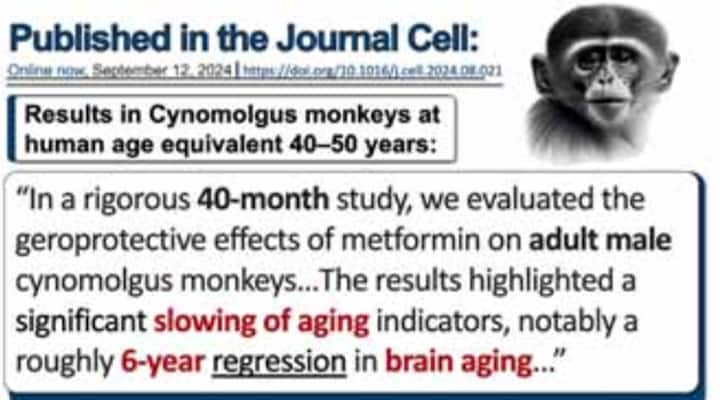
The next three slides described a study published right after RAADfest 2024 showing metformin decelerated aging across a broad range of tissues in middle-aged male monkeys, including a six-year regression in measures of brain aging.
Greenland Sharks Live for 400 Years
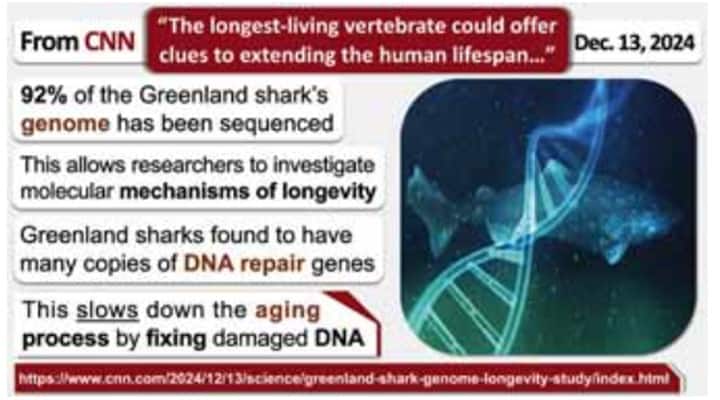
A study published at the end of 2024 surprised the world by showing that Greenland sharks live for about 400 years.27,28
Scientists sequenced 92% of these sharks’ genome and found one reason for this super-longevity is that they have many copies of DNA repair genes.
This mechanism enables rapid repair of DNA strands. It’s why so many people today supplement with NAD+ precursors to facilitate more youthful DNA repair, but ideally, we might want to reprogram our cells, to have many more DNA repair genes like the Greenland shark. Scientists are studying how to do this.
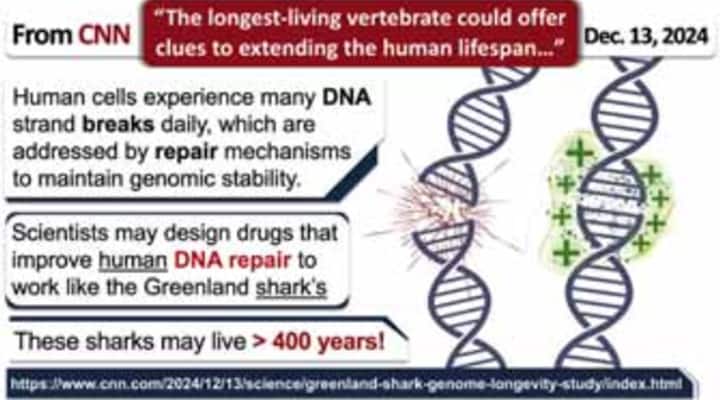
Cellular Reprogramming: Research in Motion
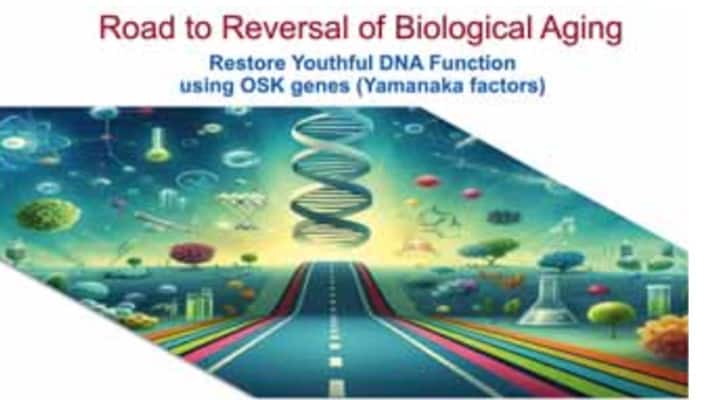
In 2006, Shinya Yamanaka showed that introducing four transcription factors to cell DNA in vitro could partially or completely reverse aging.29,30
In 2022-2024, published research demonstrated that administration of three or four of these "Yamanaka factors" induced systemic age reversal in live mice.31
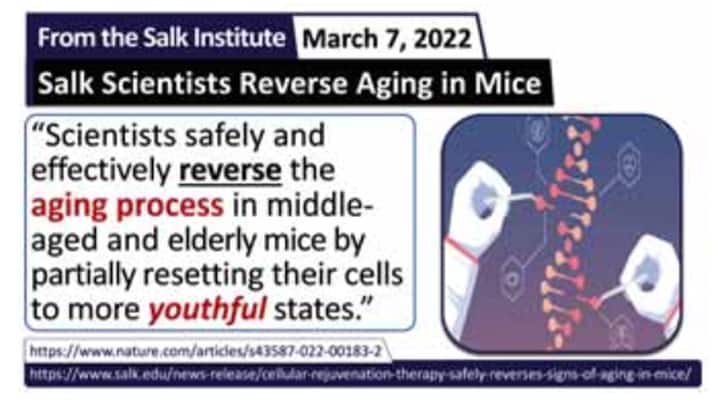
Source: Salk Scientists Reverse Aging in Mice 32,33
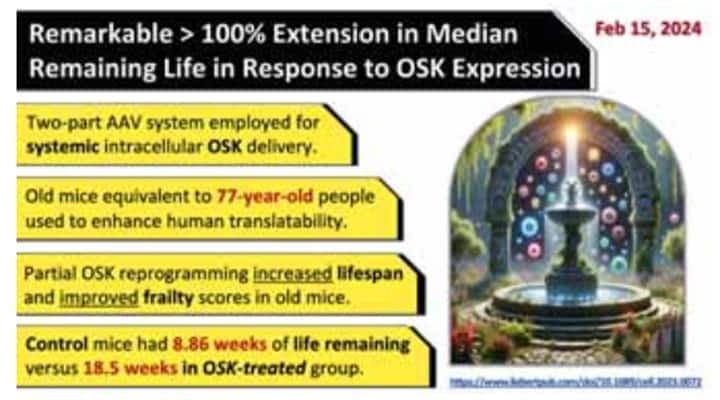
Source: Remarkable > 100% Extension in Median Remaining Life in Response tO OSK Expression.31
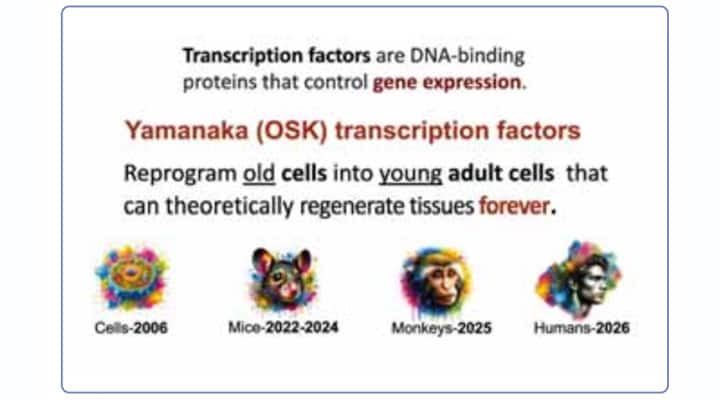
Update: Our scientists continue to identify more efficient ways of inducing OSK* (Yamanaka factors OCT4, SOX2, and KLF4) in vivo expression. We first validate these methods in mice and initiated OSK gene addition in monkeys on December 9, 2025. The goal is to rejuvenate old monkeys by utilizing more effective OSK delivery methods. We are targeting OSK clinical projects for the end of 2026, assuming the monkeys grow biologically younger.
(*Note that OSK is the acronym for three of the four Yamanaka transcription factors.)
Delivering (transfecting) Yamanaka Factors on to DNA
There are several ways of adding Yamanaka factors to DNA. Many researchers utilize viral delivery methods, but our research focuses on other methods that we believe to be more practical.
The following slides show these differing delivery methods. The next slide shows how lipid nanoparticles (LNPs) deliver OSK into DNA of mice, monkeys, and we hope soon, aged humans.

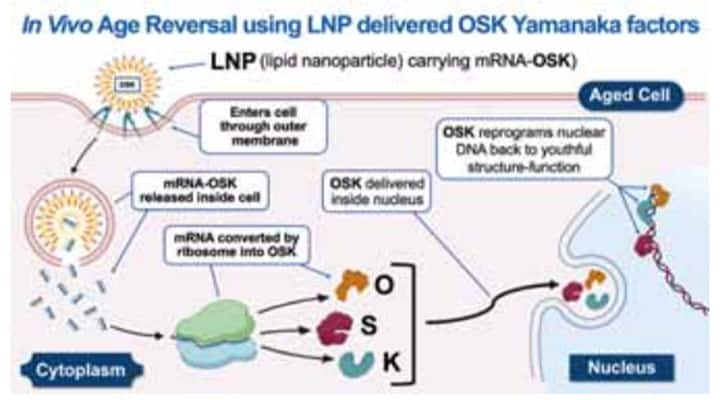
We are funding multiple research projects that will study the effects of differing OSK delivery platforms in old mice and monkeys. The goal is systemic reversal of aging biomarkers and robust extension of remaining lifespans.
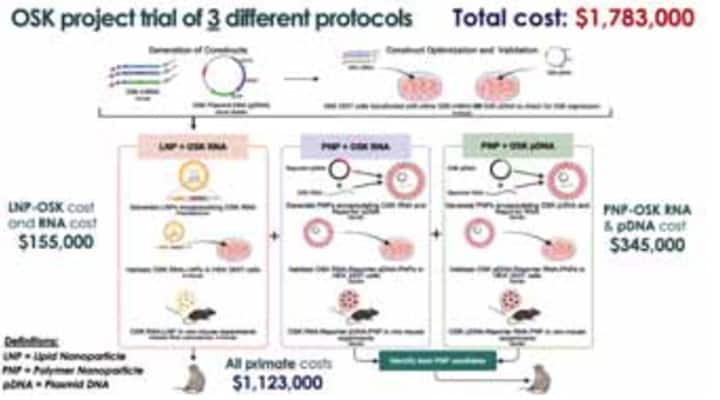
I described the meticulous processes we are funding that first validate delivery of OSK to nuclear DNA of mice using lipid nanoparticles, polymer mRNA or polymer pDNA. We then use what works best in mice to deliver OSK into old African green monkeys. These were study costs as of July 10, 2025.34
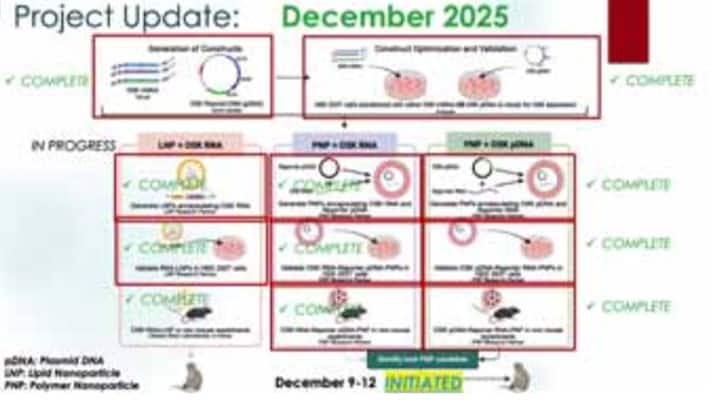
Within six months of the OSK validation accomplished by July 10, 2025 (see below), we completed multiple steps needed to initiate primate in vivo OSK delivery.
The Major Advance as of July 10, 2025
When designing and building OSK constructs, the only way of knowing if these are effectively binding to cell nuclear DNA is to attach a fluorescent protein (called "mCherry").31
It often involves many attempts (trial and error) before a significant amount of OSK transfects (binds) onto nuclear DNA.
Our experienced scientific team was able to achieve robust OSK delivery and OSK gene expression the first time they tried in live mice.
The slides on this page show multi-organ robust OSK expression in these live mice using pDNA-OSK, which moved this closer to in vivo monkey research.
We followed through with testing lipid nanoparticle and polymer mRNA in live mice and achieved similar results.
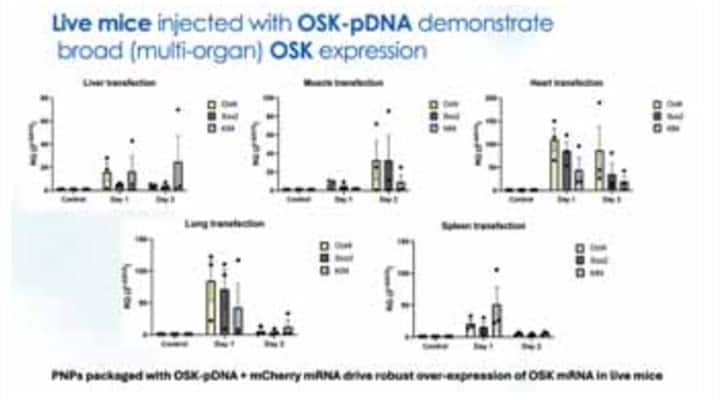
The following slide shows broad (multi-organ) expression of OSK using polymer pDNA. Note that controls show zero OSK whereas there is a marked OSK increase on Day 1.
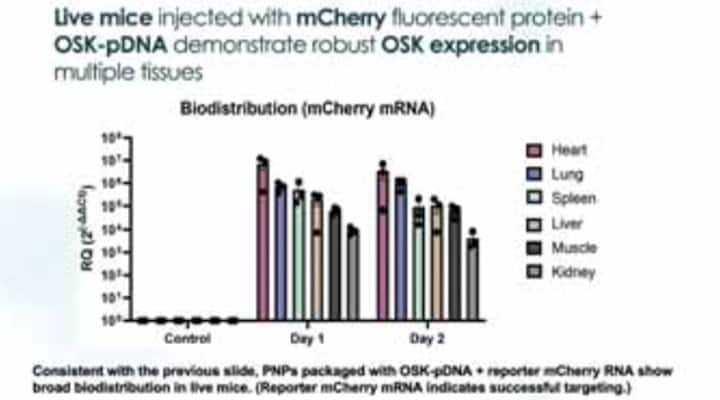
This slide confirms broad biodistribution of polymer packaged OSK-pDNA demonstrating successful transfection of OSK into cellular nuclear DNA.
Sam Altman (ChatGPT founder) May Be Ahead of Us
We are not the only group engaged in OSK rejuvenation research.
Silicon Valley billionaires are pouring huge amounts of money into research to "conquer death."
In January 2025, researchers funded by Sam Altman announced they are able to change two of the Yamanaka factors to be 50 times more effective than the natural OSK we are using.35
We hope they succeed in showing their improved Yamanaka factors induce even more beneficial age reversal.
This does not deter us from our project aimed at showing systemic age reversal in monkeys and then in humans as quickly as possible using natural-to-the-body OSK.
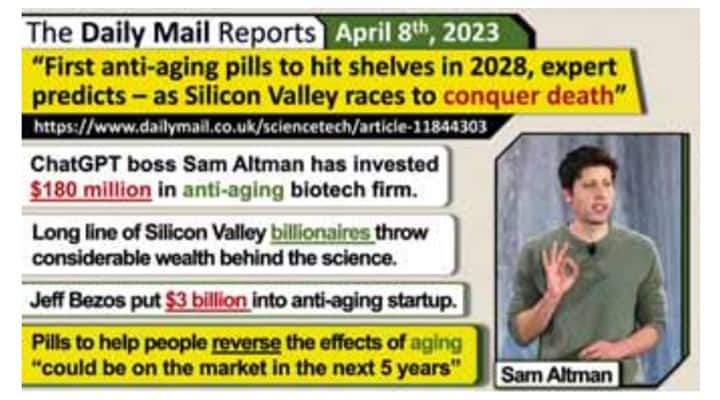
Source: Daily Mail reports36
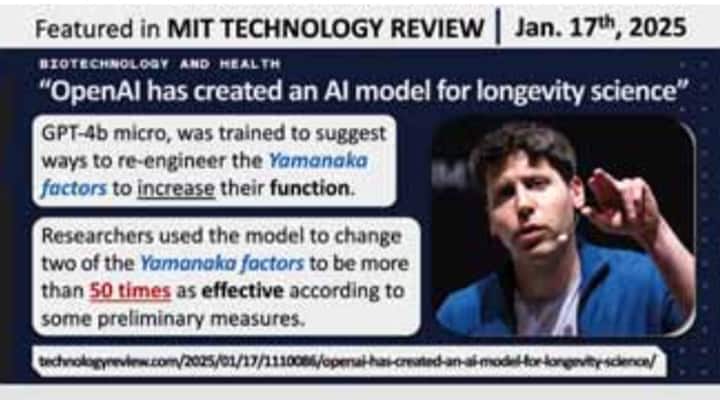
Source: MIT Technology Review9
New FDA Commissioner Supports this Research
The FDA historically has been the greatest impediment to lifesaving biomedical advances.
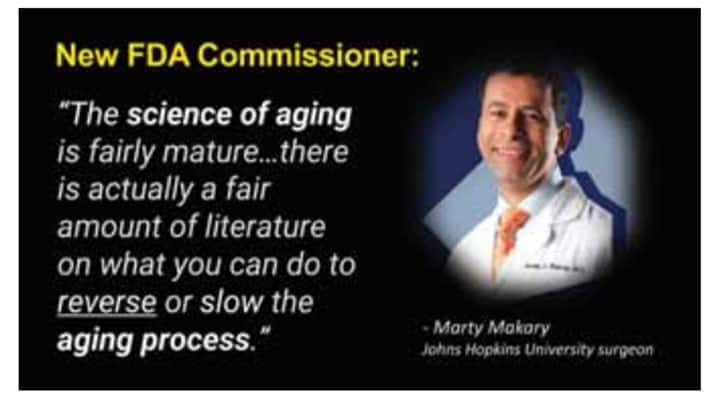
The new FDA Commissioner, however, is aware of how Yamanaka factors function and has made public comments (prior to assuming the FDA Commissioner role) that this research may lead to the "reversal of the aging process."37
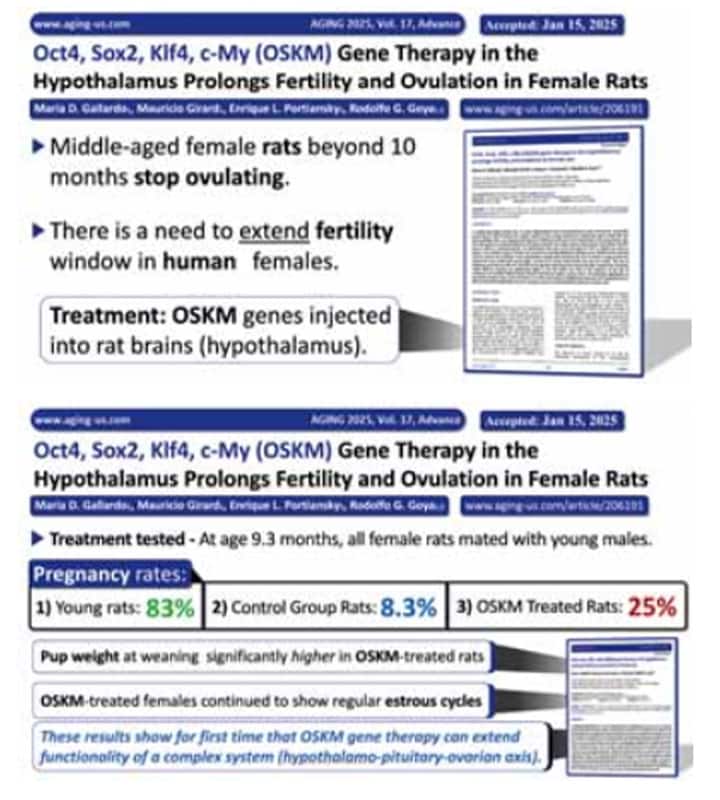
Restored Fertility in Rats using OSKM
The Life Extension® group funds large and small projects involving cellular reprogramming.
The next two slides show the results of a study whereby OSKM (in viral vector delivery form) was injected into the brains of middle-aged female rats.38
The results show that the OSKM-treated rats improved pregnancy rates three times more than control rats, and the pups were healthier.
This study has ramifications in extending human reproductive capability whereby an increasing percent of women seek to have children after age 30-40 years but are unable to conceive.
OSK or OSKM treatment could restore fertility and improve the health of offspring. (Note OSKM is all four Yamanaka factors.)38
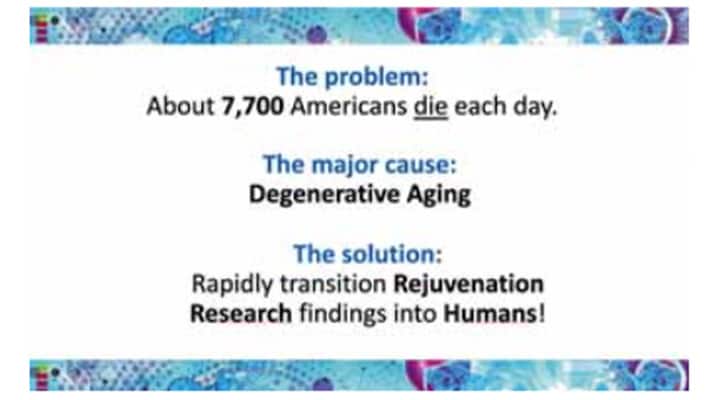
I then reminded the audience of the sense of urgency that drives our regenerative medicine initiatives.39
Stated succinctly, we don’t have time for delayed age-reversal research. We need to rapidly identify what interventions are effective so as not to miss out on life-saving opportunities.
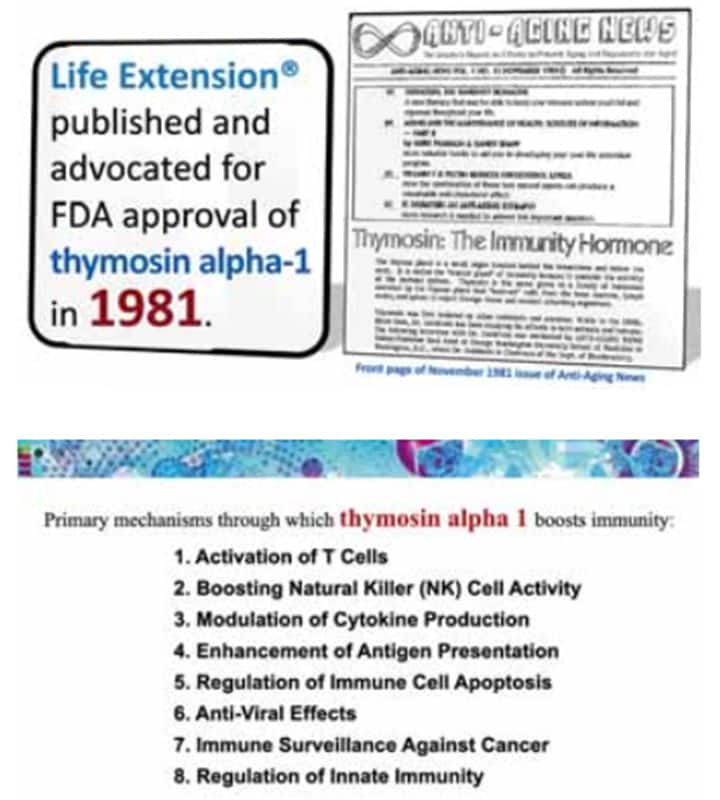
By way of example, I once again described the potential for improved outcomes in cancer patients if an immune-boosting hormone (thymosin alpha I) was administered along with checkpoint inhibitor drugs (like Keytruda®) and conventional treatments.
I reminded the group that hard data sets in the early 1980s indicated that thymosin alpha 1 could save lives, but the FDA rejected clinical trial results that were accepted by other countries.
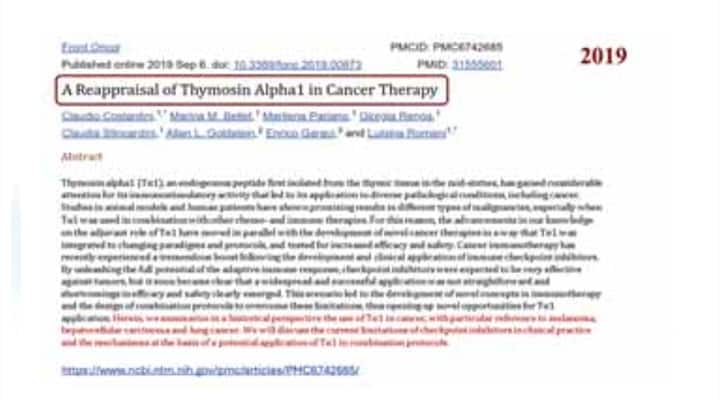
I presented numerous published abstracts about thymosin alpha 1 from the years 2018-2024 (like the one at the top of the next column) indicating potential lifesaving benefits if it were available.40
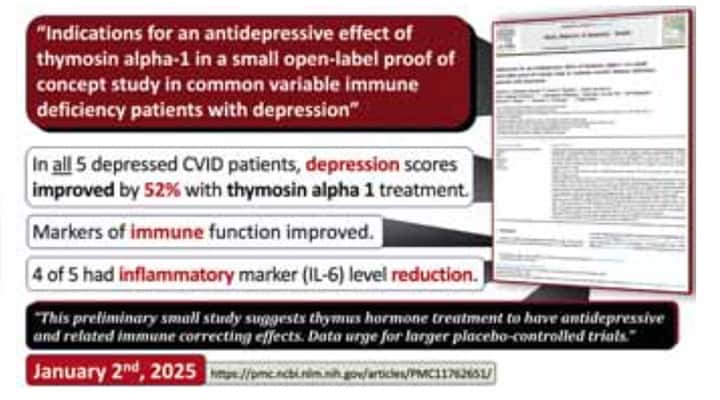
I then showed a January 2025 published study that found thymosin alpha 1 not only boosts immune functions but also improved depression scores by 52%. Thymosin likely did this by suppressing inflammatory processes in the brain that are linked to certain forms of depression.41
I commented that my self-experimentation with thymosin alpha 1 in late 2024 made me feel better, even though I am not depressed. I thought my feeling better might be a placebo effect but then one month later, a published study showed that thymosin alpha 1 had shown anti-depressant effects.
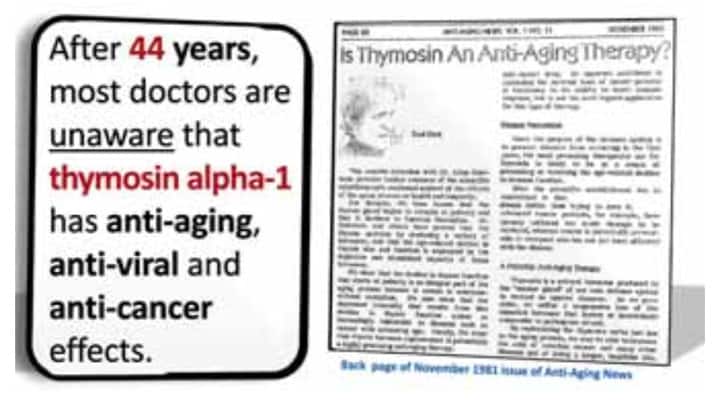
Thymosin alpha 1 is a stark example of a drug that should have been studied for treating a wide range of disorders, including immune senescence that impacts all elderly people. Yet bureaucratic barriers continue to deny Americans access to it.37
Overcoming Regulatory Barriers
The biosciences are rapidly advancing.
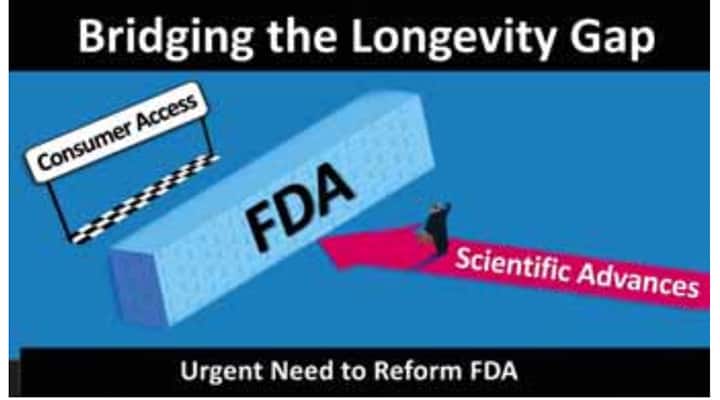
The major obstacles to consumer access are outdated regulations and the inability of many regulators to understand these novel areas of regenerative research.
Major efforts are being made by groups that seek to tear down regulatory barriers that impede or deny Americans access to potential lifesaving therapies.
To review what is being done to persuade the FDA to classify "aging as a disease" and other health freedom initiatives log on to: www.age-reversal.net/FDA
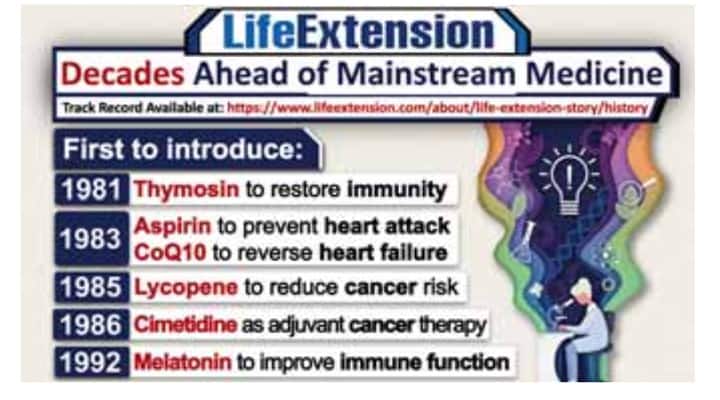
To bolster our argument, I presented a slide that contained just a few of the innovations introduced by the Life Extension group in earlier decades.42
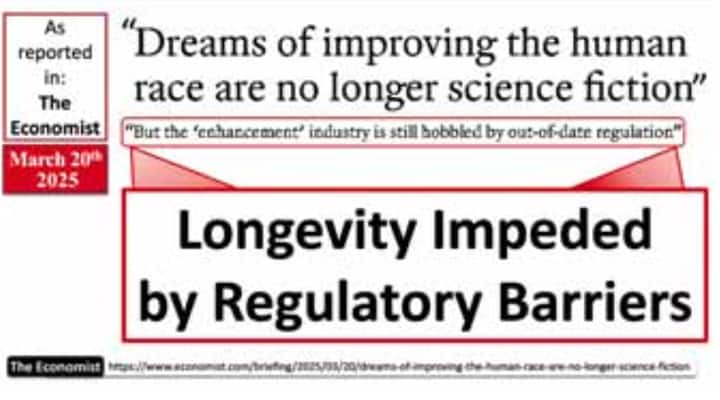
The encouraging news is that more mainstream researchers are recognizing the need to reform antiquated regulations that are stifling lifesaving biomedical innovations.43
The slide at the top of the next column describes a report published in The Economist about regulatory delays impeding advances in human longevity.
Life-Saving Value of Blood Tests
Encouraging data published by the American Medical Association revealed the importance of blood markers with which most readers of Life Extension Magazine® are familiar.
A study published in JAMA looked at a wide range of data available from comprehensive blood tests.
The findings corroborate the importance of blood tests that most readers of Life Extension Magazine have done every year.
The slide below shows reduced death rates are associated with lower levels of homocysteine, C-reactive protein and other measures identified with comprehensive blood tests.44,45
In earlier years, conventional medicine ignored many of these blood markers and did not test their patients’ blood for them.
Sadly, most medical offices today omit these blood tests that can reveal correctable disease risk markers.
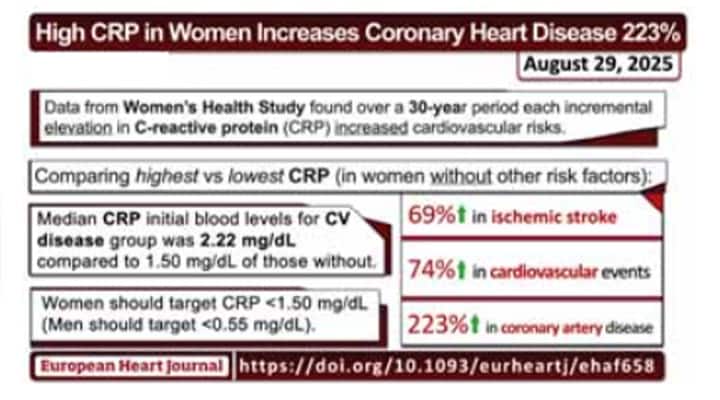
Yet the data is consistent as it relates to markers like C-reactive protein that when elevated, sharply increase mortality risks.
Our Life Extension® group recommended C-reactive protein (CRP) screening in the late 1990s. But in 2002, the American Heart Association discouraged universal CRP screening citing insufficient evidence (in their opinion).
In a major turnaround in September 2025, based on large-scale clinical studies, the American College of Cardiology Foundation now recommends CRP blood tests as a long-term predictor of cardiovascular outcomes, as prognostic as LDL cholesterol.
We were nearly 30 years ahead of conventional cardiology in recommending CRP screening. This is one example of why staying informed about what is published in the scientific literature, instead of relying on slow-moving conventional dogma, can literally save your life.46
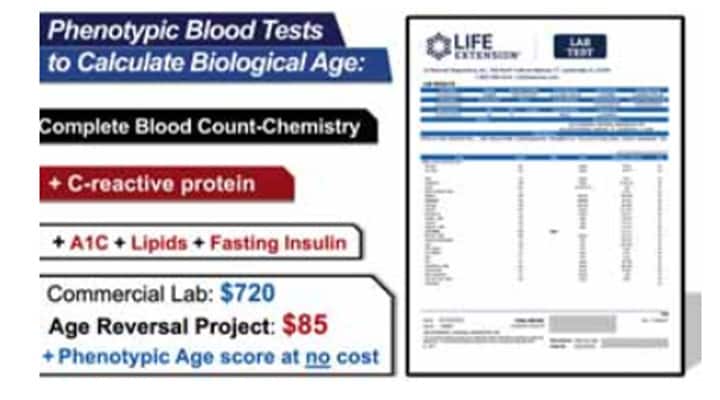
The slide below is an example of one of many comprehensive blood test panels that Life Extension® offers that include C-reactive protein (CRP).
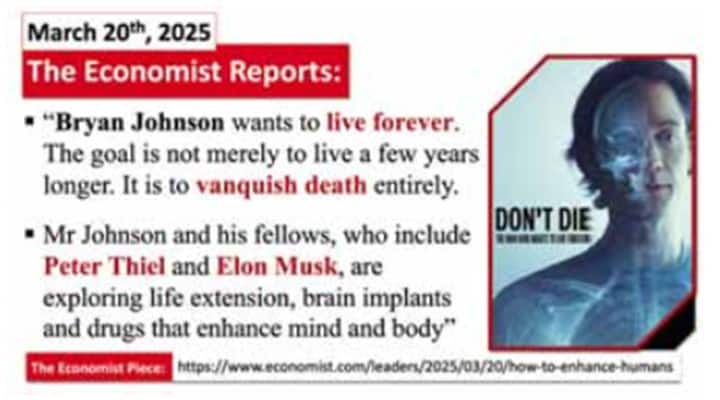
Life Extension® has offered direct-to-consumer blood tests since 1996 at prices substantially lower than commercial labs. Those who utilize these learn of modifiable risk factors that can reduce risks of many degenerative diseases and contribute to our knowledge base.
Huge Money Pouring into Aging Research
I commended the younger wealthy individuals who are pouring huge dollars into research aimed at defeating biological aging and death itself.47
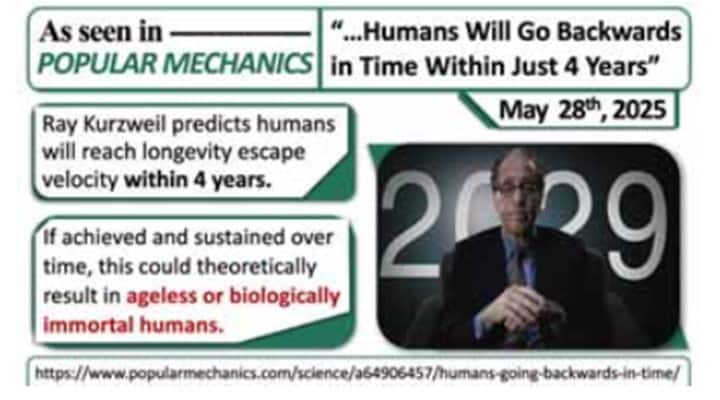
And Ray Kurzweil’s track record of predicting technological advances, including super-longevity for humans who are able to stay alive into the 2030s era.48
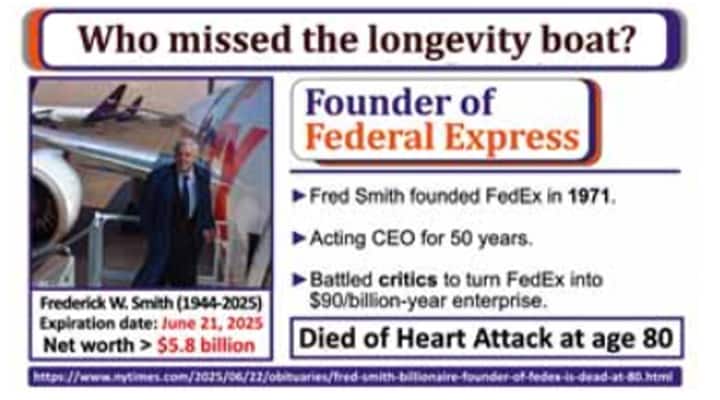
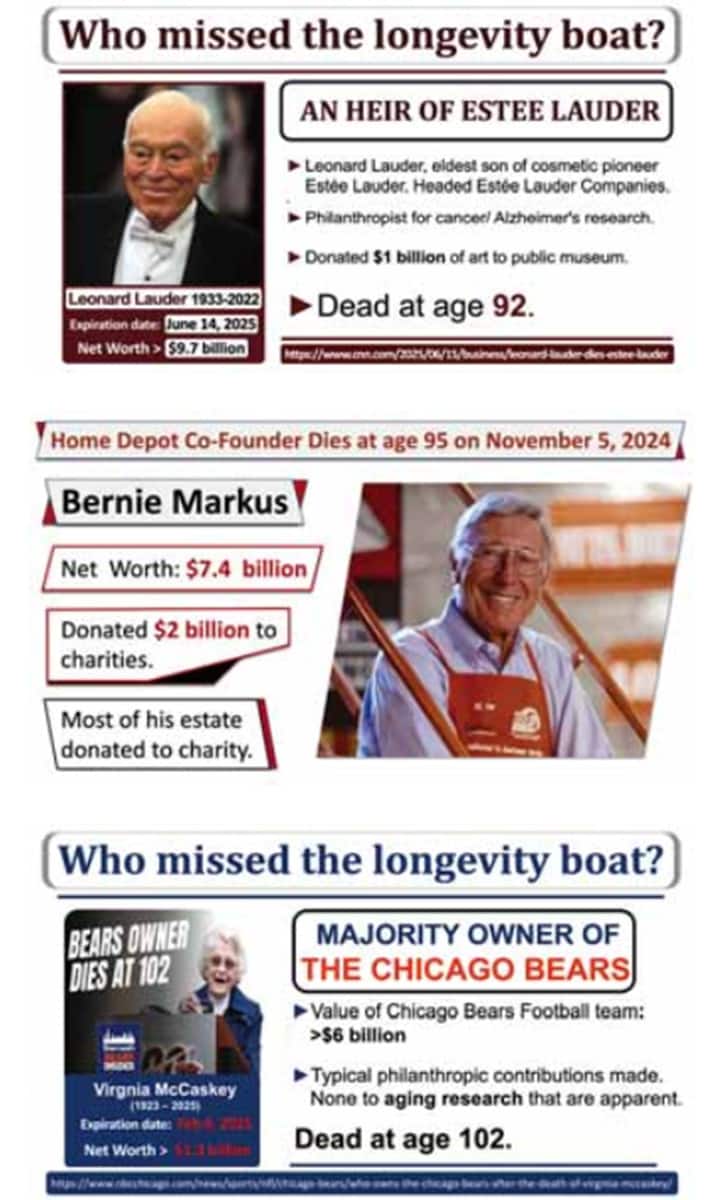
I presented my annual list of billionaires who died over the past year and my opinion many could be alive had they aggressively supported aging research initiatives with their vast fortunes.49-52

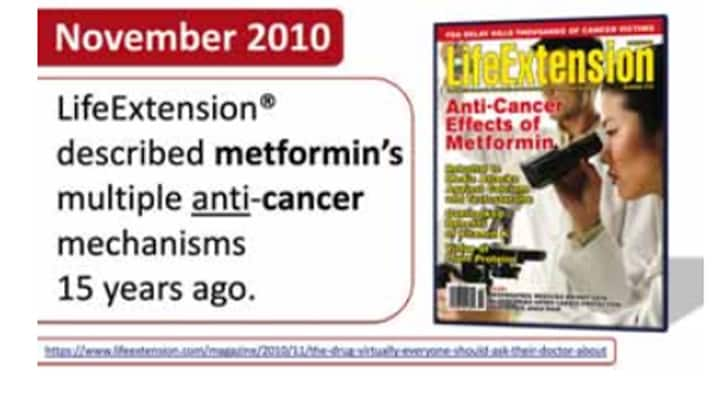
I then went back to new data on metformin showing its anti-cancer effects are even more robust than what we long ago published.53
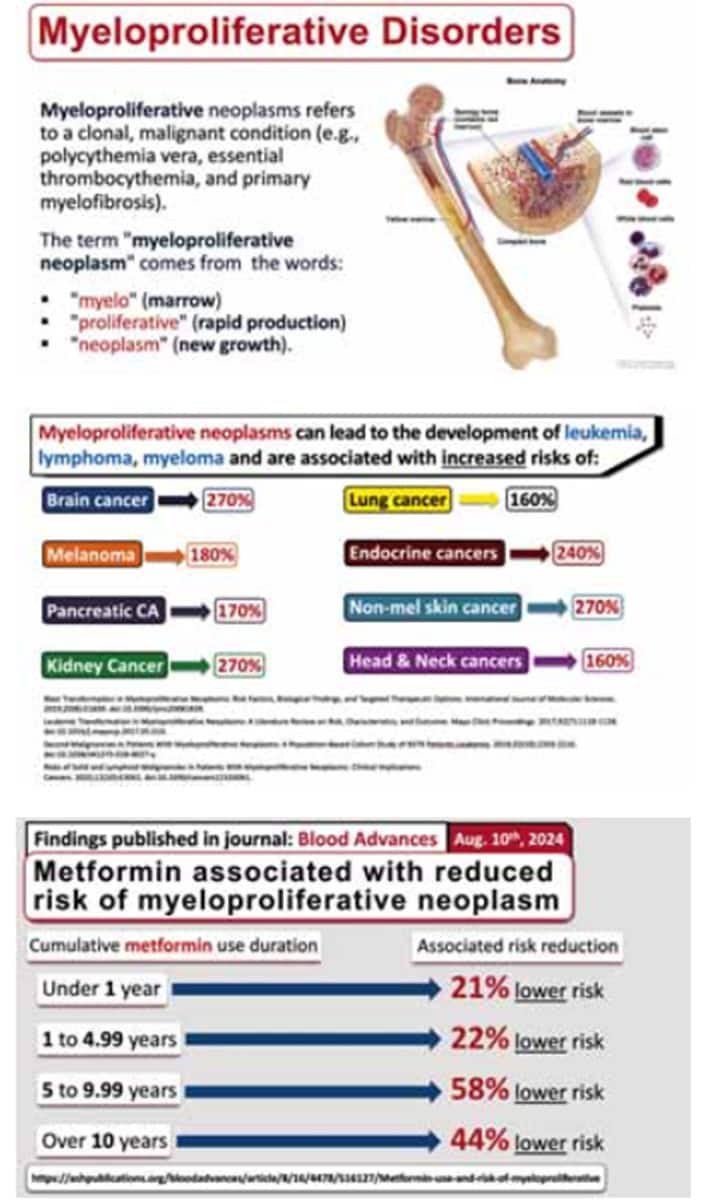
The following slides highlight a study showing those stricken with myeloproliferative disorders have strikingly higher rates of the most common and deadly malignancies.54-58
I then show even more impressive data that those taking metformin have sharply lower incidences of these cancer-inducting myeloproliferative disorders.
In my keynote presentation, there were three major new benefits attributed to metformin including:
- Reduced risk of metabolic syndrome patients advancing to type 2 diabetes,59
- Lower dementia rates in middle-aged monkeys60 and
- Sharply lower myeloproliferative disorders incidences as can be seen in the three slides below.56
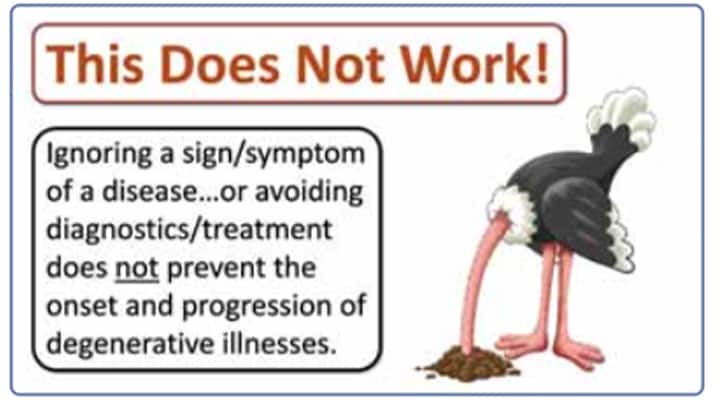
Perhaps my most important slide of immediate concern was an ostrich with its head stuck in the sand.
I reminded the group that I have been professionally involved with Life Extension® for the past 48 years.
I’ve observed countless lives needlessly lost because of the failure to have comprehensive diagnostics, failure to follow up on reversing/treating what a diagnostic test uncovers, or failure to immediately investigate a suspicious symptom (like a lump that develops anywhere on the body).
Identifying What is Effective Today
There are dozens of treatments available in the United States and/or offshore that may slow and partially reverse degenerative aging processes.
I am often asked if a particular approach, be it plasma exchange, exosomes, gene replacement and others are efficacious.
The answer is that other than anecdotal feedback, no one has solid data to validate what is meaningfully working in the field of human rejuvenation due to the significant challenges associated with conducting anti-aging clinical trials.
A few years ago, I evaluated software that would track individual baseline, treatment, and follow-up that regrettably did not meet our stringent analytic requirements.
It is nonetheless critical that we identify what experimental therapies are yielding real world results.
For individuals considering an experimental regenerative treatment we strongly encourage you to obtain copies of your medical records and diligently track your outcomes.
If you are pursuing an experimental regenerative treatment, a key part of your journey is to become an active record-keeper. Before your treatment, please gather your baseline health data such as blood test results, blood pressure, and other relevant metrics. Afterwards, continue to track these metrics.
Meanwhile, our short-term solution to address the significant knowledge gap surrounding regenerative antiaging therapies is to conduct an observational study that may translate promising results into clinical context.
Vitality in Aging Research Group is currently collecting contact information for future enrollment for a study called Assessing the Effects of Regenerative Treatments on Biological Aging: An Observational Ambispective Case Series to assess the effects of regenerative anti-aging treatments on biological aging.
This research will seek to identify and evaluate which intervention, or combination of experimental interventions may be reducing biological aging and yielding regenerative benefits.
Additionally, the study will allow for the collection of real-world safety and efficacy data, paving the way for more informed decision-making and, ultimately, the responsible translation of these therapies.
The study will be open to anyone 50 years of age or older who meets the study eligibility, is willing to complete an informed consent; agrees to provide medical history, medical records and information about their regenerative anti-aging treatments; complete monthly health questionnaires; and provide basic blood work results every six months.
For information on participating in this study go to:
https://vitalityinaging.org/ longitudinal-study/
Moving Rejuvenation Research Forward
Each year, hundreds of thousands of Americans travel to other countries for treatments not readily available in the U.S.
Others flock to onshore hotels and clinics where doctors administer unconventional therapies.
The life sciences are rapidly advancing, yet bureaucratic red tape is delaying clinical trials or denying them altogether.
Our solution is to enable aging Americans to opt out of today’s regulatory stranglehold that denies them the opportunity to live more years in good health.
Effective methods may exist today to achieve meaningful biological age-reversal, but these techniques need to be validated in human studies. A major impediment is institutional barriers that stifle clinical trials, and therefore biomedical progress.
Every second, a library of knowledge is destroyed as productive humans deteriorate into systemic frailty, dementia, and demise.
A robust slowdown or reversal of degenerative aging will improve living standards, the economy, the planet, and most other afflictions we contend with today.
Your ongoing support of organizations fighting back against institutional roadblocks could very well save your life, and the lives of those you care about.
RAADfest 2026
The first Revolution Against Aging and Death (RAADfest) conference was held in 2016.
Since then, there have been major advances in our understandings of the mechanisms of aging and what may be done to circumvent many of them.
This year’s RAADfest 2026 is being held over the Labor Day weekend (Sept 4-6) in Scottsdale, Arizona.
Unlike previous years where you might have felt lost in the crowd, the plan for RAADfest 2026 is a more intimate 300-500 people gathering with robust information sharing between attendees and speakers.
We want each attendee to gain knowledge of methods to delay biological aging today in order to live long enough to benefit from upcoming biomedical breakthroughs. Here is the schedule:
- RAADfest 2026 opens Friday evening (Sept 4) at 6:30 pm with keynote addresses and results from recent studies.
- Saturday (Sept 5) is packed with scientific presentations and meal breaks to keep the entire group interacting together.
- Sunday (Sept 6) is an informal (optional) day where speakers and attendees can have in-depth discussions with leaders in the longevity field on a wide variety of topics related to conquering aging and death in our lifetimes.
We chose the Phoenix-Scottsdale area this year to lower the high hotel cost and other expenses we encountered in Las Vegas and Southern California in previous years.
Early bird registration this year has been reduced to only $547, which includes a healthy free lunch and special discounted hotel rooms.
RAADfest is sponsored by the non-profit Coalition for Radical Life Extension. Your support for this annual event enables physicians, scientists, and the lay public to advance life sciences via robust intrapersonal knowledge exchanges.
To register for RAADfest 2026 or ask questions, log on to:
www.RAADfest.com or call 480-345-6554.
For longer life,

William Faloon, Co-Founder, Life Extension®
Life Extension® Group (Est.1977)
Age Reversal Network (Est. 2017)
To Keep Up-to-Date on Rejuvenation Technologies
If you would like to receive free age reversal updates including advanced notice of clinical projects you might want to participate in, enter your name and email address at:
To View a Video of my live RAADfest 2025 Presentation, log on to:
References
- Zhu H, Manson JE, Cook NR, et al. Vitamin D(3) and marine omega-3 fatty acids supplementation and leukocyte telomere length: 4-year findings from the VITamin D and OmegA-3 TriaL (VITAL) randomized controlled trial. Am J Clin Nutr. 2025 Jul;122(1):39-47.
- Studies DofIRoS. Data on file: Internal Review of Scientific Studies. 2025.
- Available at: https://www.statista.com/statistics/1040079/life-expectancy-united-states-all-time/. Accessed October 2, 2025.
- Available at: https://www.cdc.gov/nchs/fastats/life-expectancy.htm. Accessed October 2, 2025.
- Available at: https://www.cdc.gov/mmwr/preview/mmwrhtml/mm4829a1.htm. Accessed October 9, 2025.
- Berry J, Jr., Malt RA. Appendicitis near its centenary. Ann Surg. 1984 Nov;200(5):567-75.
- MSN. Scientist Predicts Immortality Might Be Possible In The Near Future. MSN2024.
- Journal TWS. The Scientific Fight Over Whether Aging Is a Disease. The Wall Street Journal2025. Accessed October 2, 2025.
- Post TW. Inside the scientific quest to reverse human aging. The Washington Post2025. Accessed October 2, 2025.
- Veerman L, Tarp J, Wijaya R, et al. Physical activity and life expectancy: a life-table analysis. Br J Sports Med. 2025 Feb 20;59(5):333-8.
- it M. The Mediterranean diet is the No. 1 diet for 2025: Why it’s still so popular among doctors, nutritionists. Make it2025.
- Available at: https://www.cnbc.com/2025/01/13/the-mediterranean-diet-is-the-no-1-diet-for-2025-why-its-so-popular-.html. Accessed October 9, 2025.
- Dove A, Dunk MM, Wang J, et al. Anti-Inflammatory Diet and Dementia in Older Adults With Cardiometabolic Diseases. JAMA Netw Open. 2024 Aug 1;7(8):e2427125.
- Available at: https://www.cnn.com/2025/01/15/health/red-meat-dementia-wellness. Accessed October 2, 2025.
- Li Y, Li Y, Gu X, et al. Long-Term Intake of Red Meat in Relation to Dementia Risk and Cognitive Function in US Adults. Neurology. 2025 Feb 11;104(3):e210286.
- WSJ. Americans in Their 80s and 90s Are Redefining Old Age. 2025. Accessed October 2, 2025.
- Liang X, Or B, Tsoi MF, et al. Prevalence of metabolic syndrome in the United States National Health and Nutrition Examination Survey 2011-18. Postgrad Med J. 2023 Aug 22;99(1175):985-92.
- Shin D, Kongpakpaisarn K, Bohra C. Trends in the prevalence of metabolic syndrome and its components in the United States 2007-2014. Int J Cardiol. 2018 May 15;259:216-9.
- Grundy SM, Stone NJ, Bailey AL, et al. 2018 AHA/ACC/AACVPR/AAPA/ABC/ACPM/ADA/AGS/APhA/ASPC/NLA/PCNA Guideline on the Management of Blood Cholesterol: A Report of the American College of Cardiology/American Heart Association Task Force on Clinical Practice Guidelines. J Am Coll Cardiol. 2019 Jun 25;73(24):e285-e350.
- Moore JX, Chaudhary N, Akinyemiju T. Metabolic Syndrome Prevalence by Race/Ethnicity and Sex in the United States, National Health and Nutrition Examination Survey, 1988-2012. Prev Chronic Dis. 2017 Mar 16;14:E24.
- Pasanisi P, Oliverio A, Baldassari I, et al. Metformin Treatment With or Without Mediterranean Diet for the Prevention of Age-Related Diseases in People With Metabolic Syndrome: The MeMeMe Randomized Trial. Diabetes Care. 2025 Feb 1;48(2):265-72. 22. Metformin for Prediabetes. JAMA. 2017 Mar 21;317(11):1171.
- United Kingdom Prospective Diabetes Study (UKPDS). 13: Relative efficacy of randomly allocated diet, sulphonylurea, insulin, or metformin in patients with newly diagnosed non-insulin dependent diabetes followed for three years. BMJ. 1995 Jan 14;310(6972):83-8.
- Shadyab AH, Espeland MA, Odegaard AO, et al. Comparative Effectiveness of Metformin Versus Sulfonylureas on Exceptional Longevity in Women With Type 2 Diabetes: Target Trial Emulation. J Gerontol A Biol Sci Med Sci. 2025 Jun 10;80(7).
- Available at: /magazine/2021/9/lethal-delays. Accessed October 8, 2025.
- Yang Y, Lu X, Liu N, et al. Metformin decelerates aging clock in male monkeys. Cell. 2024 Oct 31;187(22):6358-78 e29.
- Available at: https://www.cnn.com/2024/12/13/science/greenland-shark-genome-longevity-study. Accessed October 2, 2025.
- Sahm A, Cherkasov A, Liu H, et al. The Greenland shark (<em>Somniosus microcephalus</em>) genome provides insights into extreme longevity. bioRxiv. 2024:2024.09.09.611499.
- Available at: https://www.lifespan.io/topic/yamanaka-factors/#. Accessed October 2, 2025.
- Papp B, Plath K. Reprogramming to pluripotency: stepwise resetting of the epigenetic landscape. Cell Res. 2011 Mar;21(3):486-501.
- Macip CC, Hasan R, Hoznek V, et al. Gene Therapy-Mediated Partial Reprogramming Extends Lifespan and Reverses Age-Related Changes in Aged Mice. Cell Reprogram. 2024 Feb;26(1):24-32.
- Browder KC, Reddy P, Yamamoto M, et al. In vivo partial reprogramming alters age-associated molecular changes during physiological aging in mice. Nat Aging. 2022 Mar;2(3):243-53.
- Available at: https://www.salk.edu/news-release/cellular-rejuvenation-therapy-safely-reverses-signs-of-aging-in-mice/. Accessed October 2, 2025.
- Ben-Akiva E, Karlsson J, Hemmati S, et al. Biodegradable lipophilic polymeric mRNA nanoparticles for ligand-free targeting of splenic dendritic cells for cancer vaccination. Proc Natl Acad Sci U S A. 2023 Jun 27;120(26):e2301606120.
- Available at: https://www.technologyreview.com/2025/01/17/1110086/openai-has-created-an-ai-model-for-longevity-science/. Accessed October 2, 2025.
- Available at: https://www.dailymail.co.uk/sciencetech/article-11844303/First-anti-aging-pills-hit-shelves-2028-expert-predicts.html. Accessed October 9, 2025.
- Available at: /magazine/2025/3/life-extension-thymosin-alpha-1-1981?srsltid=AfmBOoq98lOlDrFhHT1YtqMgydskI8df_N_DsIamK5SyrOtU0AejT0hv. Accessed October 10, 2025.
- Gallardo MD, Girard M, Portiansky EL, et al. Oct4, Sox2, Klf4, c-My (OSKM) gene therapy in the hypothalamus prolongs fertility and ovulation in female rats. Aging (Albany NY). 2025 Jan 24;17(1):161-9.
- Available at: https://www.cdc.gov/mmwr/volumes/68/wr/mm6826a5.htm. Accessed October 10, 2025.
- Costantini C, Bellet MM, Pariano M, et al. A Reappraisal of Thymosin Alpha1 in Cancer Therapy. Front Oncol. 2019;9:873.
- Aynekulu Mersha DG, Fromme SE, van Boven F, et al. Indications for an antidepressive effect of thymosin alpha-1 in a small open-label proof of concept study in common variable immune deficiency patients with depression. Brain Behav Immun Health. 2025 Feb;43:100934.
- Available at: /about/life-extension-story/history. Accessed October 10, 2025.
- Available at: https://www.economist.com/briefing/2025/03/20/dreams-of-improving-the-human-race-are-no-longer-science-fiction. Accessed October 25, 2025.
- Ahmad S, Moorthy MV, Lee IM, et al. Mediterranean Diet Adherence and Risk of All-Cause Mortality in Women. JAMA Netw Open. 2024 May 1;7(5):e2414322.
- Ridker PM, Figtree GA, Moorthy MV, et al. C-reactive protein and cardiovascular risk among women with no standard modifiable risk factors: evaluating the ‘SMuRF-less but inflamed’. Eur Heart J. 2025 Aug 29.
- Mensah GA, Arnold N, Prabhu SD, et al. Inflammation and Cardiovascular Disease: 2025 ACC Scientific Statement: A Report of the American College of Cardiology. J Am Coll Cardiol. 2025 Sep 29;0(0).
- Available at: https://www.economist.com/leaders/2025/03/20/how-to-enhance-humans. Accessed October 10, 2025.
- Available at: https://www.popularmechanics.com/science/a64906457/humans-going-backwards-in-time/. Accessed October 2, 2025.
- Available at: https://www.nytimes.com/2025/06/22/obituaries/fred-smith-billionaire-founder-of-fedex-is-dead-at-80.html. Accessed October 10, 2025.
- Available at: https://www.cnn.com/2025/06/15/business/leonard-lauder-dies-estee-lauder. Accessed October 10, 2025.
- Available at: https://www.nbcchicago.com/news/sports/nfl/chicago-bears/who-owns-the-chicago-bears-after-the-death-of-virginia-mccaskey/3667559/. Accessed October 10, 2025.
- Available at: https://www.npr.org/2024/11/06/1226837379/bernie-marcus-home-depot-obituary. Accessed October 10, 2025.
- Available at: /magazine/2010/11/the-drug-virtually-everyone-should-ask-their-doctor-about. Accessed October 10, 2025.
- Landtblom AR, Bower H, Andersson TM, et al. Second malignancies in patients with myeloproliferative neoplasms: a population-based cohort study of 9379 patients. Leukemia. 2018 Oct;32(10):2203-10.
- Yogarajah M, Tefferi A. Leukemic Transformation in Myeloproliferative Neoplasms: A Literature Review on Risk, Characteristics, and Outcome. Mayo Clin Proc. 2017 Jul;92(7):1118-28.
- Kristensen DT, Ovlisen AK, Jakobsen LHK, et al. Metformin use and risk of myeloproliferative neoplasms: a Danish population-based case-control study. Blood Adv. 2024 Aug 27;8(16):4478-85.
- Iurlo A, Cattaneo D, Gianelli U. Blast Transformation in Myeloproliferative Neoplasms: Risk Factors, Biological Findings, and Targeted Therapeutic Options. Int J Mol Sci. 2019 Apr 13;20(8).
- Brabrand M, Frederiksen H. Risks of Solid and Lymphoid Malignancies in Patients with Myeloproliferative Neoplasms: Clinical Implications. Cancers (Basel). 2020 Oct 20;12(10).
- Patel D, Ayesha IE, Monson NR, et al. The Effectiveness of Metformin in Diabetes Prevention: A Systematic Review and Meta-Analysis. Cureus. 2023 Sep;15(9):e46108.
- Abou Zaki R, El-Osta A. Metformin: decelerates biomarkers of aging clocks. Signal Transduct Target Ther. 2024 Nov 13;9(1):319.


Wellness
Specialists
1-800-226-2370 - This service is FREE
7:30 AM - 12 AM (ET) Mon-Fri | 9 AM - 12 AM (ET) Sat-Sun