


Life Extension Magazine.

What Is Olive Leaf?
Studies show that olive leaf extract helps lower blood pressure, cholesterol, and triglycerides.
Scientifically reviewed by: Gary Gonzalez, MD, in July 2026. Written by: Laurie Mathena.
Olive oil is a key component of the Mediterranean diet.
Higher consumption has been associated with a reduced risk of dying from heart disease,1-3 cancer,3,4 or from any cause at all.1,2,4
But olive trees also provide another component that could be more beneficial: the olive leaves.
Much of olive oil's benefits come from its high concentration of polyphenols, the most abundant of which is oleuropein. This is the compound that gives unprocessed olives their characteristic bitter taste.5
Among all parts of the olive plant, olive leaves contain the highest levels of oleuropein, exceeding the concentrations found in branches, roots, buds, flowers, or any other plant tissues.5 This suggests that the leaves themselves may offer additional health-related properties.
Research on oleuropein spans cardiovascular, anti-inflammatory, antioxidant, and anti-tumor domains, with the cardiovascular effects being the most clinically studied in human trials.
Preclinical studies indicate that oleuropein exhibits anti-inflammatory, antioxidant, and anti-tumor effects.5 The strongest body of evidence relates to cardiovascular health outcomes, including blood pressure regulation,6-8 lipid profile,6-8 and inflammatory markers.9
Heart-Healthy Benefits
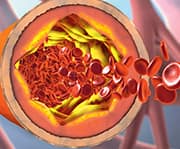
In a 12-week randomized placebo-controlled clinical trial involving 60 hypertensive patients aged 30–60, those receiving olive leaf extract showed significantly lower levels of the inflammatory markers IL-6, IL-8, and TNF-a compared with those receiving placebo.9
In a meta-analysis of 12 randomized controlled trials (819 participants), supplementation with olive leaf extract was associated with reduction in systolic blood pressure and triglycerides in overall pooled analysis. People with hypertension experienced even larger reductions in systolic blood pressure as well as reductions in total cholesterol and LDL cholesterol.8
Taking a closer look, this study showed the following reductions:
- Blood pressure: Systolic blood pressure dropped by about 3.9 mmHg overall. People with hypertension had an even larger decrease, with systolic (top number) BP decreasing by 4.8 mmHg and diastolic (bottom number) BP decreasing by 2.5 mmHg. Normal weight individuals experienced the largest reductions, with a decrease in systolic BP of 7.1 mmHg.
- Cholesterol: Total cholesterol dropped by about 9.1 mg/dL in people with hypertension and by 6.7 mg/dL in normal weight individuals. LDL-C dropped by 4.6 mg/dL in hypertensive patients.
- Triglycerides: Triglyceride levels fell by about 9.5 mg/dL on average in the whole group, and by 14.4 mg/dL in hypertensive individuals.
A 2025 multicenter, 12-week randomized controlled trial in 621 patients already on blood pressure medication found that olive leaf extract was associated with a greater reduction in systolic blood pressure than placebo.7
It was also associated with improvements in metabolic and inflammatory markers, including blood sugar, triglycerides, and C-reactive protein (CRP), with no significant safety concerns reported. Overall, the findings suggest it may be a useful adjunct for supporting cardiovascular health.7
How it Works
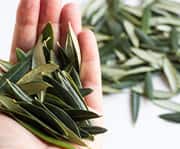
Laboratory and animal studies suggest several potential mechanisms through which olive leaf extract may support cardiovascular health:
- Promotes nitric oxide. Oleuropein has been shown to enhance nitric oxide production,10 and to induce vasodilation in blood vessels (likely involving nitric oxide pathways),11 which may help support healthy blood flow.
- Improves vascular function. Experimental evidence indicates that olive leaf extract may help support vascular function, which may contribute to overall blood vessel health.12,13
- May help reduce platelet aggregation. Olive leaf extract has anti-platelet activity,14,15 which may help support normal blood flow.
- Supports healthy cholesterol. Olive phenols, including oleuropein, have been shown to inhibit HMG-CoA reductase activity in rat hepatocytes,16 which inhibits intracellular cholesterol production.
Together, these mechanisms may contribute to cardiovascular support.
Summary

Many of olive oil's benefits are linked to the polyphenol, oleuropein. Olive leaves contain high concentrations of oleuropein, which has led researchers to investigate their potential health benefits.
Across clinical trials and meta-analysis discussed in this article, olive leaf extract was associated with reductions in blood pressure, cholesterol, and inflammatory markers.
If you have any questions on the scientific content of this article, please call a Life Extension Wellness Specialist at 1-866-864-3027.
References
- Martinez-Gonzalez MA, Sayon-Orea C, Bullon-Vela V, et al. Effect of olive oil consumption on cardiovascular disease, cancer, type 2 diabetes, and all-cause mortality: A systematic review and meta-analysis. Clin Nutr. 2022;41(12):2659-82.
- Xia M, Zhong Y, Peng Y, et al. Olive oil consumption and risk of cardiovascular disease and all-cause mortality: A meta-analysis of prospective cohort studies. Front Nutr. 2022;9:1041203.
- Guasch-Ferre M, Li Y, Willett WC, et al. Consumption of Olive Oil and Risk of Total and Cause-Specific Mortality Among U.S. Adults. J Am Coll Cardiol. 2022;79(2):101-12.
- Del Saz-Lara A, Saz-Lara A, Cavero-Redondo I, et al. Association between olive oil consumption and all-cause, cardiovascular and cancer mortality in adult subjects: a systematic review and meta-analysis. Food Funct. 2024;15(23):11640-9.
- Barbaro B, Toietta G, Maggio R, et al. Effects of the olive-derived polyphenol oleuropein on human health. Int J Mol Sci. 2014;15(10):18508-24.
- Lockyer S, Rowland I, Spencer JPE, et al. Impact of phenolic-rich olive leaf extract on blood pressure, plasma lipids and inflammatory markers: a randomised controlled trial. Eur J Nutr. 2017;56(4):1421-32.
- Lamti F, Trabelsi I, Dhaoui R, et al. Efficacy of olive leaf extracts in controlling blood pressure in hypertensive patients: a double-blind randomized clinical trial. J Hypertens. 2025;43(11):1878-84.
- Razmpoosh E, Abdollahi S, Mousavirad M, et al. The effects of olive leaf extract on cardiovascular risk factors in the general adult population: a systematic review and meta-analysis of randomized controlled trials. Diabetol Metab Syndr. 2022;14(1):151.
- Javadi H, Yaghoobzadeh H, Esfahani Z, et al. Effects of Olive Leaf Extract on Metabolic Response, Liver and Kidney Functions and Inflammatory Biomarkers in Hypertensive Patients. Pak J Biol Sci. 2019;22(7):342-8.
- Visioli F, Bellosta S, Galli C. Oleuropein, the bitter principle of olives, enhances nitric oxide production by mouse macrophages. Life Sci. 1998;62(6):541-6.
- Ilic S, Stojiljkovic N, Stojanovic N, et al. Effects of oleuropein on rat’s atria and thoracic aorta: a study of antihypertensive mechanisms. Can J Physiol Pharmacol. 2021;99(1):110-4.
- Gonzalez-Hedstrom D, Garcia-Villalon AL, Amor S, et al. Olive leaf extract supplementation improves the vascular and metabolic alterations associated with aging in Wistar rats. Sci Rep. 2021;11(1):8188.
- Romero M, Toral M, Gomez-Guzman M, et al. Antihypertensive effects of oleuropein-enriched olive leaf extract in spontaneously hypertensive rats. Food Funct. 2016;7(1):584-93.
- Singh I, Mok M, Christensen AM, et al. The effects of polyphenols in olive leaves on platelet function. Nutr Metab Cardiovasc Dis. 2008;18(2):127-32.
- Mizutani D, Onuma T, Tanabe K, et al. Olive polyphenol reduces the collagen-elicited release of phosphorylated HSP27 from human platelets. Biosci Biotechnol Biochem. 2020;84(3):536-43.
- Priore P, Siculella L, Gnoni GV. Extra virgin olive oil phenols down-regulate lipid synthesis in primary-cultured rat-hepatocytes. J Nutr Biochem. 2014;25(7):683-91.


Wellness
Specialists
1-800-226-2370 - This service is FREE
7:30 AM - 12 AM (ET) Mon-Fri | 9 AM - 12 AM (ET) Sat-Sun