



Life Extension Magazine®

Improving Brain Aging with Senolytics
A recent article in the journal Neuron linked immune dysfunction with cognitive decline. Preclinical data suggests that senolytic compounds remove senescent cells, helping to potentially protect the aging brain and improve some immune functions.
Scientifically reviewed by: Gary Gonzalez, MD, in October 2025. Written by: Stephen Randall.
The immune system has a well-known role in protecting us from infections and cancer.1
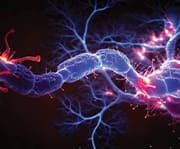
In a major article published in the journal Neuron in 2025, scientists from the Department of Brain Sciences at Israel’s Weizmann Institute of Science have proposed that brain health is more closely influenced by the immune system than had previously been known.2
In short, they explain that brain fitness depends on immune fitness.
This means aging of the immune system leads to brain aging, and that rejuvenating the immune system may help revitalize brain function.
One way researchers believe it might be possible to rejuvenate immune and brain health is with senolytics.
Preclinical studies indicate that these compounds may help eliminate dysfunctional senescent cells, which contribute to many problems associated with the aging immune system3,4 and the brain.5,6
How Senescence Harms the Brain
As cells age and accumulate damage, they can become senescent. These cells no longer function properly and fail to die off to make room for healthy new cells.7
Senescent cells can also produce a slew of pro-inflammatory compounds that circulate in the blood, potentially driving disease and harming brain health.7
Many of these pro-inflammatory compounds originate in immune cells. Elevated levels cause neuroinflammation and rapid aging in the brain. They are associated with an increased risk of cognitive impairment and dementia.2
In addition, neurons, microglia (the brain’s immune cells), and other cells in the brain can all become senescent themselves.2,6,8,9 In mice, the accumulation of senescent microglia in the aged brain correlates with cognitive decline and neuroinflammation.6,9
Restoring Immune and Brain Health
Studies in preclinical models show that restoring a more youthful immune system improves brain function.
In animal experiments, transfusing young healthy mice with the blood of elderly mice causes their brain function to deteriorate, leading to impairment in cognitive functions like learning and memory.10-13
Conversely, transfusing young, healthy blood plasma into aged mice leads to improvements in neurogenesis (the production of new brain cells), synaptic plasticity (the ability of synapses to adapt to stimuli), and cognitive function.14
As bone marrow cells age, they secrete a protein called cyclophilin A, which contributes to cognitive decline. Blocking this protein in elderly mice increases vital synaptic proteins, supports brain cell growth, and improves cognitive function.15
In mouse models, rejuvenating the immune system by transplanting young bone marrow protects older animals against cognitive decline and neuroinflammation.16 (We cannot do this safely in humans yet because of graft-versus-host risk.)
How Senolytics Can Help
The Israeli scientists who published the 2025 article note that increasing exercise and improving diet can help boost immune function, reduce inflammation, and protect cognitive function.2
One promising additional intervention that is already in clinical trials is senolytic therapy.
Plant-Derived Senolytics

One of the first effective senolytic treatments used a plant-derived polyphenol called quercetin.18
Even greater senolytic effects were found when combining quercetin with the cancer drug dasatinib.19 Quercetin and dasatinib target different senolytic activating factors in senescent cells.20 Dasatinib, however, can cause side effects.21
Recent research has identified the potential of theaflavins, polyphenols from black tea, to mitigate cellular senescence and delay the onset of age-related diseases.22-25 In mouse models, theaflavins have been shown to inhibit cellular senescence.26
Fisetin, another plant polyphenol was found to be the most potent plant-derived senolytic in a study of 10 flavonoids.27 It has been shown to be neuroprotective in animal models of Alzheimer’s28 and Parkinson’s disease29,30 and has increased lifespan27,31 in animal models.
These senolytics may help eliminate senescent cells’ burden.
Apigenin, a polyphenol found in plants like chamomile and parsley, has been found in preclinical models to reduce the pro-inflammatory compounds produced by senescent cells.32,33
A combination of these four plant-derived compounds could help reduce senescent cells and the damage they do.
Senolytics help eliminate senescent cells, including in the brain and immune system.5
Studies have shown that reducing senescent cell numbers leads to improvements in brain function in preclinical models of brain aging and cognitive decline.6,9,17
For example, giving mice a combination of two senolytics, quercetin (a plant-derived polyphenol) and dasatinib (a cancer drug), reduced the number of senescent microglial cells in the brain. This reduced the pro-inflammatory environment and improved cognitive function.6
In another study in mice, clearing senescent cells protected cognitive function from deterioration.3
Several human trials of senolytic therapy are currently underway in patients with Alzheimer’s disease and mild cognitive impairment.2
Summary

A recent article in the scientific journal Neuron reports that an age-related decline in immune function helps drive the development of cognitive decline and dementia.
Many of these changes are caused, in part, by cellular senescence in the immune system, bone marrow, and brain.
Senolytic compounds remove harmful senescent cells, including immune and brain cells, potentially decreasing neuroinflammation and protecting the brain from age-related deterioration.
If you have any questions on the scientific content of this article, please call a Life Extension Wellness Specialist at 1-866-864-3027.
References
- Candeias SM, Gaipl US. The Immune System in Cancer Prevention, Development and Therapy. Anticancer Agents Med Chem. 2016;16(1):101-7.
- Basurco L, Abellanas MA, Purnapatre M, et al. Chronological versus immunological aging: Immune rejuvenation to arrest cognitive decline. Neuron. 2025 Jan 8;113(1):140-53.
- Zhang X, Pearsall VM, Carver CM, et al. Rejuvenation of the aged brain immune cell landscape in mice through p16-positive senescent cell clearance. Nat Commun. 2022 Sep 27;13(1):5671.
- Lagoumtzi SM, Chondrogianni N. Senolytics and senomorphics: Natural and synthetic therapeutics in the treatment of aging and chronic diseases. Free Radic Biol Med. 2021 Aug 1;171:169-90.
- Zhang L, Pitcher LE, Prahalad V, et al. Targeting cellular senescence with senotherapeutics: senolytics and senomorphics. FEBS J. 2023 Mar;290(5):1362-83.
- 6. Ogrodnik M, Evans SA, Fielder E, et al. Whole-body senescent cell clearance alleviates age-related brain inflammation and cognitive impairment in mice. Aging Cell. 2021 Feb;20(2):e13296.
- Chaib S, Tchkonia T, Kirkland JL. Cellular senescence and senolytics: the path to the clinic. Nat Med. 2022 Aug;28(8):1556-68.
- Kang C, Xu Q, Martin TD, et al. The DNA damage response induces inflammation and senescence by inhibiting autophagy of GATA4. Science. 2015 Sep 25;349(6255):aaa5612.
- Rachmian N, Medina S, Cherqui U, et al. Identification of senescent, TREM2-expressing microglia in aging and Alzheimer’s disease model mouse brain. Nat Neurosci. 2024 Jun;27(6):1116-24.
- Smith LK, Verovskaya E, Bieri G, et al. The aged hematopoietic system promotes hippocampal-dependent cognitive decline. Aging Cell. 2020 Aug;19(8):e13192.
- Smith LK, He Y, Park JS, et al. β2-microglobulin is a systemic pro-aging factor that impairs cognitive function and neurogenesis. Nat Med. 2015 Aug;21(8):932-7.
- Huffels CFM, van Dijk RE, Karst H, et al. Systemic Injection of Aged Blood Plasma in Adult C57BL/6 Mice Induces Neurophysiological Impairments in the Hippocampal CA1. J Alzheimers Dis. 2022;89(1):283-97.
- Villeda SA, Luo J, Mosher KI, et al. The ageing systemic milieu negatively regulates neurogenesis and cognitive function. Nature. 2011 Aug 31;477(7362):90-4.
- Castellano JM, Mosher KI, Abbey RJ, et al. Human umbilical cord plasma proteins revitalize hippocampal function in aged mice. Nature. 2017 Apr 27;544(7651):488-92.
- Smith LK. The aged hematopoietic system promotes hippocampal-dependent cognitive decline. Aging Cell. 2020 Aug;19(8):e13192.
- Sun PY, Liu J, Hu JN, et al. Rejuvenation of peripheral immune cells attenuates Alzheimer’s disease-like pathologies and behavioral deficits in a mouse model. Sci Adv. 2024 May 31;10(22):eadl1123.
- Zhang P, Kishimoto Y, Grammatikakis I, et al. Senolytic therapy alleviates Abeta-associated oligodendrocyte progenitor cell senescence and cognitive deficits in an Alzheimer’s disease model. Nat Neurosci. 2019 May;22(5):719-28.
- Kim SR, Jiang K, Ogrodnik M, et al. Increased renal cellular senescence in murine high-fat diet: effect of the senolytic drug quercetin. Transl Res. 2019 Nov;213:112-23.
- Justice JN, Nambiar AM, Tchkonia T, et al. Senolytics in idiopathic pulmonary fibrosis: Results from a first-in-human, open-label, pilot study. EBioMedicine. 2019 Feb;40:554-63.
- Kirkland JL, Tchkonia T. Senolytic drugs: from discovery to translation. J Intern Med. 2020 Nov;288(5):518-36.
- Nekoukar Z, Moghimi M, Salehifar E. A narrative review on adverse effects of dasatinib with a focus on pharmacotherapy of dasatinib-induced pulmonary toxicities. Blood Res. 2021 Dec 31;56(4):229-42.
- Mbara KC, Devnarain N, Owira PMO. Potential Role of Polyphenolic Flavonoids as Senotherapeutic Agents in Degenerative Diseases and Geroprotection. Pharmaceut Med. 2022 Dec;36(6):331-52.
- Noberini R, Koolpe M, Lamberto I, et al. Inhibition of Eph receptor-ephrin ligand interaction by tea polyphenols. Pharmacol Res. 2012 Oct;66(4):363-73.
- Noberini R, Lamberto I, Pasquale EB. Targeting Eph receptors with peptides and small molecules: progress and challenges. Semin Cell Dev Biol. 2012 Feb;23(1):51-7.
- O’Neill EJ, Termini D, Albano A, et al. Anti-Cancer Properties of Theaflavins. Molecules. 2021 Feb 13;26(4).
- Han X, Zhang J, Xue X, et al. Theaflavin ameliorates ionizing radiation-induced hematopoietic injury via the NRF2 pathway. Free Radic Biol Med. 2017 Dec;113:59-70.
- Yousefzadeh MJ, Zhu Y, McGowan SJ, et al. Fisetin is a senotherapeutic that extends health and lifespan. EBioMedicine. 2018 Oct;36:18-28.
- Rakshit D, Goyal R, Yadav V, et al. Nanoformulated fisetin ameliorates Alzheimer’s disease via reducing proinflammatory cytokines and activating the NRF2/HO-1 pathway. Nanomedicine (Lond). 2024;19(30):2537-53.
- Prakash D, Sudhandiran G. Dietary flavonoid fisetin regulates aluminium chloride-induced neuronal apoptosis in cortex and hippocampus of mice brain. J Nutr Biochem. 2015 Dec;26(12):1527-39.
- Nabavi SF, Braidy N, Habtemariam S, et al. Neuroprotective Effects of Fisetin in Alzheimer’s and Parkinson’s Diseases: From Chemistry to Medicine. Curr Top Med Chem. 2016;16(17):1910-5.
- Park S, Kim BK, Park SK. Effects of Fisetin, a Plant-Derived Flavonoid, on Response to Oxidative Stress, Aging, and Age-Related Diseases in Caenorhabditis elegans. Pharmaceuticals (Basel). 2022 Dec 8;15(12).
- Lim H, Park H, Kim HP. Effects of flavonoids on senescence-associated secretory phenotype formation from bleomycin-induced senescence in BJ fibroblasts. Biochem Pharmacol. 2015 Aug 15;96(4):337-48.
- Perrott KM, Wiley CD, Desprez PY, et al. Apigenin suppresses the senescence-associated secretory phenotype and paracrine effects on breast cancer cells. Geroscience. 2017 Apr;39(2):161-73.


Wellness
Specialists
1-800-226-2370 - This service is FREE
7:30 AM - 12 AM (ET) Mon-Fri | 9 AM - 12 AM (ET) Sat-Sun