

Life Extension Magazine®

A Fruit That Protects The Heart
A fruit extract clinically reduced LDL cholesterol by 22%, lowered CRP by 54%, and boosted the antioxidant glutathione by 53%.
Scientifically reviewed by: Gary Gonzalez, MD, in April 2026. Written by: Marsha McCulloch, MS, RD.
Cardiovascular disease is the leading global cause of death, claiming over 19 million deaths worldwide in 2023.1
Reducing risk of heart disease involves targeting key risk factors, including unhealthy lipid levels, inflammation, and oxidative stress.2
To further support cardiovascular health, scientists developed a standardized extract from the fruit called amla.
In a clinical study, people with metabolic syndrome took 500 mg of amla extract twice daily, which resulted in:3
- Decrease in LDL cholesterol by 22%,
- Lowering of CRP, a marker of inflammation by 54%, and
- Increased levels of the antioxidant glutathione by 53%.
Together, these effects may help promote better heart health.
Understanding Cardiovascular Risk
Atherosclerosis is the underlying cause of most cardiovascular disease cases.4
Atherosclerosis is characterized by the gradual buildup of lipoproteins, inflammatory cells, and fibrous tissue within arterial walls, leading to plaque formation.These plaques can then become inflamed, and rupture, causing a coronary thrombosis (coronary artery clot, a common cause of heart attacks).4
Though atherosclerosis commonly starts in childhood, it generally doesn’t result in obvious problems until middle or late adulthood.4
Effective screening is needed to detect this silent killer sooner.
Screening for cardiovascular risk may include the following blood tests:
- Lipid-carrying proteins: Elevated lipids like low density lipoprotein (LDL) and apolipoprotein B (ApoB) are associated with increased cardiovascular disease risk5 and mortality.6
- Triglycerides: High levels of triglycerides, a type of fat that circulates in the blood, contribute to atherosclerosis.7,8
- C-reactive protein (CRP): This test helps gauge vascular inflammation.9
It is not sufficient to focus on a single measure of cardiovascular health. For example, someone with low LDL but high triglyceride levels can have a significant risk of cardiovascular disease.10,11
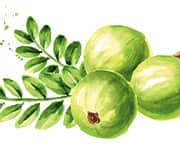
A Superfruit
Amla, also known as Indian gooseberry, has long been used in traditional Indian medicine, including Ayurveda, to support overall health.12
Preclinical research shows that it has potent antioxidant and anti-inflammatory activity.12,13
A significant portion of amla’s benefits come from its polyphenol content, particularly tannins.12,14,15
Scientists have developed and clinically tested an amla extract standardized to contain 60% bioactive tannins.
Amla Supports Artery Health
Dysfunction of the endothelium, the inner lining of arteries, contributes to arterial stiffness and atherosclerosis.14,16
The risk of endothelial dysfunction is increased by high cholesterol, smoking, obesity, hypertension, diabetes, inflammation, oxidative stress, and aging.17
Many of these risk factors reduce the production of nitric oxide, a compound made by endothelial cells17 that signals arteries to expand so blood can flow through more easily.14,18
In a 12-week clinical trial, adults with type 2 diabetes (treated with the drug metformin) were randomized to receive 250 mg or 500 mg of standardized amla extract or a placebo twice daily.14
Both amla doses improved endothelial function and nitric oxide levels (measured by a test called the reflection index) compared with baseline and the placebo.
The higher dose was more effective for improving biomarkers of oxidative stress (glutathione) and inflammation (CRP) than the lower dose.14
Combating Metabolic Syndrome
Metabolic syndrome affects about 40% of American adults. It consists of a cluster of conditions that are associated with increased risk of heart disease and type 2 diabetes.19
First-line treatment of metabolic syndrome involves diet and lifestyle changes. Individual components of metabolic syndrome, such as elevated blood sugar, high blood pressure, and high triglycerides, can be treated with medication.20 Amla extract can complement these efforts.
A 12-week clinical trial was conducted of 80 people with type 2 diabetes who had been treated with the drug metformin. The addition of standardized amla extract (twice daily at doses of 250 or 500 mg) improved blood vessel function and reduced oxidative stress as well as improved inflammation, cholesterol, and HbA1c compared to placebo.14
In another 12-week clinical trial, 59 people with metabolic syndrome were randomized to take 250 mg or 500 mg of the same standardized amla extract or a placebo twice daily.3
Amla, particularly at the higher dose, significantly improved endothelial function compared with both baseline and placebo.
The higher amla dose also improved lipid levels and markers of oxidative stress and inflammation. Compared to baseline, taking 500 mg of amla twice daily led to:3- 11% decrease in total cholesterol,
- 22% decrease in LDL ("bad") cholesterol,
- 22% increase in HDL ("good") cholesterol,
- 19% decrease in triglycerides,
- 51% increase in artery-protective nitric oxide,
- 53% increase in antioxidant glutathione levels, and
- 54% decrease in inflammation marker CRP.
The placebo group had no significant improvement in any of these measures.
What You Need To Know
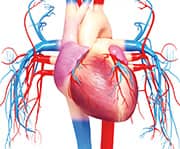
Amla Supports the Heart
- Cardiovascular disease is the leading cause of death worldwide.
- Scientists have developed an extract from the superfruit amla (Indian gooseberry) that supports heart health.
- In two clinical trials, amla extract significantly improved blood lipid levels, lowered inflammation, and increased the antioxidant glutathione, helping reduce risk factors for atherosclerosis and cardiovascular disease.
- Clinical studies show amla extract can also improve endothelial function and promote arterial flexibility, supporting healthy blood flow.
- Oral intake of 500 mg of amla extract twice daily is more cardioprotective than lower doses.
Stress-Reducing Benefits
Stress is an underappreciated risk factor for cardiovascular disease.21
Researchers can simulate the body’s stress response by using a cold pressor test (CPT), which involves briefly immersing the hand in ice water. This stress activates the sympathetic nervous system, causing temporary blood vessel constriction, increased arterial stiffness, and a short-term rise in blood pressure.22
In a preliminary trial, healthy men took either 250 mg of standardized amla extract or a placebo twice daily.23
When challenged with the cold pressor test after two weeks of treatment, the amla group had a 7% decrease in arterial stiffness compared to baseline and placebo.23
In another 14-day trial, healthy men took 500 mg of amla extract or a placebo twice daily. They were then subjected to a mentally stressful computerized test given amidst loud, distracting noises.24
Compared to pretreatment stress testing, amla intake resulted in significantly less arterial stiffness with stress, suggesting it helped protect arterial flexibility. This measure was unchanged in the placebo group.24

By supporting arterial health, improving lipid levels, and reducing inflammation and oxidative stress markers, amla extract can help ward off risk factors for heart disease.
Summary
An extract of the amla fruit may help fortify heart health in multiple ways.
In clinical studies, taking 500 mg of standardized amla extract twice daily significantly improved lipid levels, including cholesterol and triglycerides.
Amla has also been clinically shown to reduce inflammation, increase the antioxidant glutathione, and support arterial flexibility, helping protect against key drivers of cardiovascular disease.
Those concerned with cardiovascular health should consider trying 500 mg of standardized amla extract twice daily.
If you have any questions on the scientific content of this article, please call a Life Extension Wellness Specialist at 1-866-864-3027.
References
- Federica Galimberti MC, Elena Olmastroni. Global, Regional, and National Burden of Cardiovascular Diseases and Risk Factors in 204 Countries and Territories, 1990-2023. J Am Coll Cardiol. 2025 Dec 2;86(22):2167-243.
- Batty M, Bennett MR, Yu E. The Role of Oxidative Stress in Atherosclerosis. Cells. 2022 Nov 30;11(23):3843.
- Usharani P, Merugu PL, Nutalapati C. Evaluation of the effects of a standardized aqueous extract of Phyllanthus emblica fruits on endothelial dysfunction, oxidative stress, systemic inflammation and lipid profile in subjects with metabolic syndrome: a randomised, double blind, placebo controlled clinical study. BMC Complement Altern Med. 2019 May 6;19(1):97.
- Luca AC, David SG, David AG, et al. Atherosclerosis from Newborn to Adult-Epidemiology, Pathological Aspects, and Risk Factors. Life (Basel). 2023 Oct 14;13(10).
- Das P, Ingole N. Lipoproteins and Their Effects on the Cardiovascular System. Cureus. 2023 Nov;15(11):e48865.
- Jung E, Kong SY, Ro YS, et al. Serum Cholesterol Levels and Risk of Cardiovascular Death: A Systematic Review and a Dose-Response Meta-Analysis of Prospective Cohort Studies. Int J Environ Res Public Health. 2022 Jul 6;19(14).
- Akivis Y, Alkaissi H, McFarlane SI, et al. The Role of Triglycerides in Atherosclerosis: Recent Pathophysiologic Insights and Therapeutic Implications. Curr Cardiol Rev. 2024;20(2):39-49.
- Mizuta H, Ishii M, Ikebe S, et al. Triglycerides and the Risk of Atherosclerotic Cardiovascular Events Across Different Risk Categories. J Atheroscler Thromb. 2025 Jul 1;32(7):786-803.
- Mehta A, Blumenthal RS, Gluckman TJ, et al. High-sensitivity C-reactive Protein in Atherosclerotic Cardiovascular Disease: To Measure or Not to Measure? US Cardiol. 2025;19:e06.
- Bashir B, Schofield J, Downie P, et al. Beyond LDL-C: unravelling the residual atherosclerotic cardiovascular disease risk landscape-focus on hypertriglyceridaemia. Front Cardiovasc Med. 2024;11:1389106.
- Castañer O, Pintó X, Subirana I, et al. Remnant Cholesterol, Not LDL Cholesterol, Is Associated With Incident Cardiovascular Disease. J Am Coll Cardiol. 2020 Dec 8;76(23):2712-24.
- Saini R, Sharma N, Oladeji OS, et al. Traditional uses, bioactive composition, pharmacology, and toxicology of Phyllanthus emblica fruits: A comprehensive review. J Ethnopharmacol. 2022 Jan 10;282:114570.
- Li W, Zhu HW, Chen YJ, et al. Bioactivity-guided isolation of anti-inflammatory components from Phyllanthus emblica. Food Sci Nutr. 2020 Jun;8(6):2670-9.
- Usharani P, Fatima N, Muralidhar N. Effects of Phyllanthus emblica extract on endothelial dysfunction and biomarkers of oxidative stress in patients with type 2 diabetes mellitus: a randomized, double-blind, controlled study. Diabetes Metab Syndr Obes. 2013;6:275-84.
- Gul M, Liu ZW, Iahtisham Ul H, et al. Functional and Nutraceutical Significance of Amla (Phyllanthus emblica L.): A Review. Antioxidants (Basel). 2022 Apr 22;11(5).
- Gimbrone MA, Jr., García-Cardeña G. Endothelial Cell Dysfunction and the Pathobiology of Atherosclerosis. Circ Res. 2016 Feb 19;118(4):620-36.
- Naderi-Meshkin H, Setyaningsih WAW. Endothelial Cell Dysfunction: Onset, Progression, and Consequences. Front Biosci (Landmark Ed). 2024 Jun 20;29(6):223.
- Pautz A, Li H, Kleinert H. Regulation of NOS expression in vascular diseases. Front Biosci (Landmark Ed). 2021 Apr 30;26(5):85-101.
- Liang X, Or B, Tsoi MF, et al. Prevalence of metabolic syndrome in the United States National Health and Nutrition Examination Survey 2011-18. Postgrad Med J. 2023 Aug 22;99(1175):985-92.
- Available at: https://www.nhlbi.nih.gov/health/metabolic-syndrome/treatment. Accessed January 19, 2026.
- Vancheri F, Longo G, Vancheri E, et al. Mental Stress and Cardiovascular Health-Part I. J Clin Med. 2022 Jun 10;11(12).
- Gentilin A, Rakobowchuk M, Mourot L. Sex-specific responses of central artery stiffness to cold pressor test-mediated sympathetic activation. Physiol Behav. 2025 Feb 1;289:114755.
- Fatima N, Pingali U, Pilli R. Evaluation of Phyllanthus emblica extract on cold pressor induced cardiovascular changes in healthy human subjects. Pharmacognosy Res. 2014 Jan;6(1):29-35.
- Usharani P, SudhaRani K, KiranKishore K, et al. Evaluation of the effect of a standardized aqueous extract of the fruits of Emblica officinalis on mental stress induced cardiovascular changes in healthy human subjects. IJPSR. 2017;8(10):4138-46.


Wellness
Specialists
1-800-226-2370 - This service is FREE
7:30 AM - 12 AM (ET) Mon-Fri | 9 AM - 12 AM (ET) Sat-Sun