

Life Extension Magazine®

Enhance Female Sexual Health and Libido
In separate clinical trials, fenugreek seed extract increased sex hormone levels and doubled sexual activity in women in stable relationships, while saffron extract improved sexual function measures.
Scientifically reviewed by: Gary Gonzalez, MD, in July 2026. Written by: Marsha McCulloch.
Female sexual health issues affect about 40% to 50% of all women.1-3
Frequent concerns include low sexual desire, physical discomfort, and reduced pleasure.1,2,4,5
Many women are uncomfortable mentioning these concerns to healthcare providers, and current available medical treatments are limited and not appropriate for all women.6
Plant-based solutions for sexual health concerns are available for women seeking alternatives.
Scientists have developed two standardized botanical extracts clinically shown to support female sexual function:
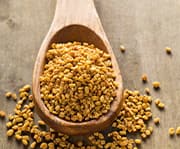
- Fenugreek seed extract increased sex hormone levels, arousal, and more than doubled the frequency of sexual activity in women in stable relationships.7
- Saffron extract improved scores in sexual function measures, including desire and satisfaction, by 62% from baseline in a study of married women.8
The two extracts have been studied separately and promote healthy sexual function in different ways.7,8
Sexual Dysfunction in Women

Women of all ages may have sexual health issues.2
A meta-analysis of 95 observational studies conducted across the globe found that 41% of younger (premenopausal) women struggle with sexual health issues.9
One of the most commonly reported concerns is low desire or libido.10
In one U.S. study, about 27% of premenopausal women and 52% of menopausal women reported low sexual desire.11
Female sexual function is impacted by complex interactions among:
- Sex hormones, including estrogen and testosterone,12
- Medical conditions, including diabetes, thyroid disorders, and other chronic ailments,13-15
- Medications, such as antidepressants, beta blockers, opioids, and birth control pills,16-18
- The autonomic (involuntary) nervous system that regulates sexual responses,19 and
- Mental outlook, such as depression, anxiety, stress, and fatigue.20,21
Changes in these factors may contribute to concerns with sexual desire, lubrication, and relationship satisfaction.3
Hormones and Female Sexual Health
Estrogen (particularly a form known as estradiol) and testosterone play key roles in female sexual health.
When estrogen levels drop during menopause, vaginal dryness and discomfort are more likely.22,23
Testosterone also plays a significant role in vaginal lubrication and sexual desire in women.24,25
Testosterone levels decline steadily across adulthood, including the premenopausal years, which may contribute to reduced sexual desire.24,26
Some birth control pills also lower testosterone levels.27,28
Fenugreek Supports Healthy Sexual Desire
The herb fenugreek is listed as an aphrodisiac in ancient Indian Ayurvedic medical texts.29
Fenugreek is rich in saponins, compounds that are believed to be responsible for its effects.30,31
Scientists have developed a fenugreek seed extract standardized to contain at least 50% saponins.7
In a clinical trial, 80 healthy women (ages 20 to 49) in stable relationships but with a low sex drive took 300 mg of this standardized fenugreek extract or a placebo twice daily for eight weeks.7
The results were stunning.
Those taking fenugreek reported significant improvements across all five domains measured on a recognized sexual function questionnaire. These domains include sexual thoughts, arousal, activity, orgasm, and drive/relationship, compared to placebo.7
Overall, those taking fenugreek increased their frequency of sexual activity from one or two times per month to once per week.
These sexual health improvements in the fenugreek group corresponded with statistically significant increases in estradiol levels (66%) and in free (biologically active) testosterone levels (24%). These improvements are based on mean changes reported in the study, in women with hormone levels within the normal range.
Sexual function measures improved a similar amount in women using birth control pills and in those who were not.7
Saffron Supports Sexual Arousal
Saffron, which comes from flowers of the Crocus sativus plant, has been studied for multiple components of mood and mental functioning, including sexual function.32,33
Two of the main beneficial components of saffron are safranal and crocins.32
Standardized saffron extract was tested in a placebo-controlled trial of 74 married women, ages 18 to 55, with low sexual function.8
The treatment group took 15 mg of standardized saffron extract twice daily for six weeks. Compared to baseline, total scores on a recognized sexual function questionnaire improved by 62% at six weeks in the saffron group.
In addition, the saffron group reported improvements in domains related to desire, lubrication, and satisfaction aspects of their sexual relationships, compared to placebo.8
Combining fenugreek seed and saffron extracts in an oral formula provides a multipronged approach to supporting female sexual health.
Get Your Libido Back

- About 27% of premenopausal and 52% of menopausal American women report struggling with low sexual desire.
- A range of factors can lower female sexual function, including age, sex hormone imbalances, some medications, and mental distress.
- Fenugreek extract has been clinically shown to improve sex hormone levels and double the frequency of sexual activity of women in stable relationships.
- Daily intake of saffron extract improved sexual desire, lubrication, and satisfaction in women with low sexual function in one clinical trial.
- Fenugreek and saffron extracts offer multifaceted support for women's sexual health.
Summary
Sexual health issues, including low desire and reduced enjoyment, are common in women of any age.
Scientists have developed two standardized herbal extracts to support sexual vitality and desire.
Fenugreek seed extract has been clinically found to improve sexual arousal and more than doubled sexual activity frequency in women in stable relationships.
Saffron extract has been clinically shown to improve desire, lubrication, and sexual satisfaction in women with low sexual function.
These extracts work in different ways to support sexual health.
If you have any questions on the scientific content of this article, please call a Life Extension Wellness Specialist at 1-866-864-3027.
References
- Heshmatnia F, Azizi M, Milani H, et al. Prevalence and correlates of female sexual dysfunction and sexual distress in reproductive-aged women: a systematic review and meta-analysis. BMC Womens Health. 2025;25(1):451.
- Shifren JL, Monz BU, Russo PA, et al. Sexual problems and distress in United States women: prevalence and correlates. Obstet Gynecol. 2008;112(5):970-8.
- Martinez Vazquez S, Hernandez Martinez A, Peinado Molina RA, et al. Association between sexual function in women and sleep quality. Front Med (Lausanne). 2023;10:1196540.
- Alidost F, Pakzad R, Dolatian M, et al. Sexual dysfunction among women of reproductive age: A systematic review and meta-analysis. Int J Reprod Biomed. 2021;19(5):421-32.
- Thomas HN, Hamm M, Hess R, et al. “I want to feel like I used to feel”: a qualitative study of causes of low libido in postmenopausal women. Menopause. 2020;27(3):289-94.
- Kingsberg SA, Schaffir J, Faught BM, et al. Female Sexual Health: Barriers to Optimal Outcomes and a Roadmap for Improved Patient-Clinician Communications. J Womens Health (Larchmt). 2019;28(4):432-43.
- Rao A, Steels E, Beccaria G, et al. Influence of a Specialized Trigonella foenum-graecum Seed Extract (Libifem), on Testosterone, Estradiol and Sexual Function in Healthy Menstruating Women, a Randomised Placebo Controlled Study. Phytother Res. 2015;29(8):1123-30.
- Kashani L, Aslzadeh S, Shokraee K, et al. Crocus sativus (saffron) in the treatment of female sexual dysfunction: a three-center, double-blind, randomized, and placebo-controlled clinical trial. Avicenna J Phytomed. 2022;12(3):257-68.
- McCool ME, Zuelke A, Theurich MA, et al. Prevalence of Female Sexual Dysfunction Among Premenopausal Women: A Systematic Review and Meta-Analysis of Observational Studies. Sex Med Rev. 2016;4(3):197-212.
- Pettigrew JA, Novick AM. Hypoactive Sexual Desire Disorder in Women: Physiology, Assessment, Diagnosis, and Treatment. J Midwifery Womens Health. 2021;66(6):740-8.
- West SL, D’Aloisio AA, Agans RP, et al. Prevalence of low sexual desire and hypoactive sexual desire disorder in a nationally representative sample of US women. Arch Intern Med. 2008;168(13):1441-9.
- Cappelletti M, Wallen K. Increasing women’s sexual desire: The comparative effectiveness of estrogens and androgens. Horm Behav. 2016;78:178-93.
- Alshehri KM, Althobaiti RA, Alqurashi AI, et al. Prevalence of Sexual Dysfunction in Women with Type 1, 2 Diabetes and Thyroid Disorder: A Cross-Sectional Study in Taif City, Saudi Arabia. Int J Womens Health. 2022;14:385-94.
- Salari N, Heidarian P, Jalili F, et al. The sexual dysfunction in women with thyroid disorders: a meta-analysis. BMC Endocr Disord. 2024;24(1):279.
- Boyd T, de Silva PS, Friedman S. Sexual Dysfunction in Female Patients with Inflammatory Bowel Disease: An Overview. Clin Exp Gastroenterol. 2022;15:213-24.
- Piha MOW, Kero K, Tornio A. Female sexual dysfunction as an adverse effect of drugs: a narrative review. Maturitas. 2025;199:108623.
- Zhong Q, Anderson Y. Management of Hypertension with Female Sexual Dysfunction. Medicina (Kaunas). 2022;58(5).
- Handy AB, McMahon LN, Goldstein I, et al. Reduction in genital sexual arousal varies by type of oral contraceptive pill. J Sex Med. 2023;20(8):1094-102.
- Hilz MJ, Wang R. Physiology and pathophysiology of female sexual function. In: Biaggioni I, Browning K, Fink G, Jordan J, Low PA, Paton JFR, eds. Primer on the Autonomic Nervous System: Academic Press; 2023:247-52.
- Basson R, Gilks T. Women’s sexual dysfunction associated with psychiatric disorders and their treatment. Womens Health (Lond). 2018;14:1745506518762664.
- Mues HM, Markert C, Feneberg AC, et al. Bidirectional associations between daily subjective stress and sexual desire, arousal, and activity in healthy men and women. Ann Behav Med. 2025;59(1).
- Ghazanfarpour M, Khadivzadeh T, Roudsari RL. Sexual Disharmony in Menopausal Women and Their Husband: A Qualitative Study of Reasons, Strategies, and Ramifications. J Menopausal Med. 2018;24(1):41-9.
- Yang JL, Hodara E, Sriprasert I, et al. Estrogen deficiency in the menopause and the role of hormone therapy: integrating the findings of basic science research with clinical trials. Menopause. 2024;31(10):926-39.
- Davis SR, Wahlin-Jacobsen S. Testosterone in women--the clinical significance. Lancet Diabetes Endocrinol. 2015;3(12):980-92.
- Maseroli E, Vignozzi L. Testosterone and Vaginal Function. Sex Med Rev. 2020;8(3):379-92.
- Fabbri E, An Y, Gonzalez-Freire M, et al. Bioavailable Testosterone Linearly Declines Over A Wide Age Spectrum in Men and Women From The Baltimore Longitudinal Study of Aging. J Gerontol A Biol Sci Med Sci. 2016;71(9):1202-9.
- Zimmerman Y, Eijkemans MJ, Coelingh Bennink HJ, et al. The effect of combined oral contraception on testosterone levels in healthy women: a systematic review and meta-analysis. Hum Reprod Update. 2014;20(1):76-105.
- Ozcan O, den Elzen WPJ, Hillebrand JJ, et al. The effect of hormonal contraceptive therapy on clinical laboratory parameters: a literature review. Clin Chem Lab Med. 2024;62(1):18-40.
- Wani SA, Kumar P. Fenugreek: a review on its nutraceutical properties and utilization in various food products. Journal of the Saudi Society of Agricultural Sciences. 2018;17:97-106.
- Singh N, Yadav SS, Kumar S, et al. Ethnopharmacological, phytochemical and clinical studies on Fenugreek (Trigonella foenum-graecum L.). Food Bioscience. 2022;46:101546.
- Khanna A, John F, Das S, et al. Efficacy of a novel extract of fenugreek seeds in alleviating vasomotor symptoms and depression in perimenopausal women: A randomized, double-blinded, placebo-controlled study. J Food Biochem. 2020;44(12):e13507.
- Jose Bagur M, Alonso Salinas GL, Jimenez-Monreal AM, et al. Saffron: An Old Medicinal Plant and a Potential Novel Functional Food. Molecules. 2017;23(1).
- Hausenblas HA, Heekin K, Mutchie HL, et al. A systematic review of randomized controlled trials examining the effectiveness of saffron (Crocus sativus L.) on psychological and behavioral outcomes. J Integr Med. 2015;13(4):231-40.


Wellness
Specialists
1-800-226-2370 - This service is FREE
7:30 AM - 12 AM (ET) Mon-Fri | 9 AM - 12 AM (ET) Sat-Sun