


What's hot

What's hot
News flashes are posted here frequently to keep you up-to-date with the latest advances in health and longevity. We have an unparalleled track record of breaking stories about life extension advances.
- Gotu kola increases macular pigment optical density in trial
- Vitamin D shows promise in inflammatory bowel disease
- Whey protein improves lung function in older adults
- Meta-Analysis Findings Indicate Omega-3 Lowers Cardiovascular Events, Premature Mortality
- Melatonin lowers cardiometabolic risk factors
- Omega-3 relieves distress
- Insufficient folate linked with adolescent obesity
- Low testosterone associated with greater risk of prostate cancer progression
- Daily multi may slow aging
- Living longer doesn’t always mean decline
- Nutrient deficiencies in GLP-1 receptor agonist users
- Umbrella review affirms benefits of collagen to skin, muscle
Gotu kola increases macular pigment optical density in trial
March 30 2026. A randomized, double-blind, placebo-controlled trial resulted in higher macular pigment optical density (MPOD), which is associated with protection against macular degeneration, among middle-aged adults who were given Centella asiatica (known as gotu kola) compared with a placebo group. The trial's findings were reported March 12, 2026, in Nutrients.
 March 30 2026. A randomized, double-blind, placebo-controlled trial resulted in higher macular pigment optical density (MPOD), which is associated with protection against
 Researchers Yuang-Im Beck and colleagues hypothesized that gotu kola would enhance MPOD by improving the retinal antioxidant environment. "Macular pigment optical density (MPOD) is a non-invasive biomarker that reflects the antioxidant status of the macula, a specialized region of the retina responsible for central and high-acuity vision," they wrote. "The macular pigment, primarily composed of the dietary carotenoids lutein, zeaxanthin, and meso-zeaxanthin, serves to filter harmful light and scavenge reactive oxygen species, thus protecting retinal tissues from photo-oxidative damage."
The clinical trial included men and women between the ages of 45 to 65 years whose MPOD values were between 0.2 and 0.4 at the beginning of the study. Thirty-eight participants received 300 milligrams per day of a standardized gotu kola extract and 37 received a placebo for 180 days. Macular pigment optical density was measured before the treatment period, on the 60th and 120th days, and at the end of the trial.
At 180 days, participants who received gotu kola showed a significant increase in MPOD in the left eye, right eye and the average of both eyes compared with the placebo. Significant differences between the groups were also found on the 120th day of the study.
"Long-term supplementation with C. asiatica extract significantly improved MPOD, supporting its potential role in enhancing macular nutritional status," Beck and associates concluded. "These results indicate that nutritional interventions can enhance macular antioxidant status during midlife, a time when retinal vulnerability starts to increase, even in the absence of obvious ocular disease."
—D Dye
Vitamin D shows promise in inflammatory bowel disease
March 27 2026. Findings from a study reported March 26, 2026, in Cell Reports Medicine revealed how vitamin D helps normalize overactive immune response to gut bacteria that occurs in inflammatory bowel disease (IBD).
 March 27 2026. Findings from a study reported March 26, 2026, in
 Inflammatory bowel disease, which includes Chron disease and ulcerative colitis, is characterized by inflammation of the gastrointestinal tract. "Loss of immune tolerance to the gut microbiome plays a pathogenic role in inflammatory bowel disease (IBD)," authors John Mark Gubatan, MD, of the Mayo Clinic and colleagues elaborated. "How dietary factors alter host immune-gut microbiome interactions in IBD is unclear."
The investigation included 48 men and women with IBD and low levels of vitamin D. Participants received 50,000 IU of vitamin D weekly for twelve weeks. Blood and stool samples were analyzed before and after treatment.
At the end of the study, participants showed higher vitamin D levels, a decline in disease activity scores, an increase in quality-of-life scores and other beneficial effects. The researchers found improvement in participants' gut microbiota and immune cell function. "Taken together, our results provide insights into host immune-microbe interactions and the vitamin D regulation of immune tolerance to gut microbiota in patients with IBD," the authors concluded.
Dr Gubatan and his associates noted that the addition of vitamin D to the diet and higher vitamin D levels have been associated with increased gut microbiome diversity and enrichment of beneficial bacteria in people with IBD as well as healthy adults. Additionally, vitamin D has immunomodulatory effects on B and T cells.
"This study suggests vitamin D may help rebalance how the immune system sees gut bacteria," Dr Gubatan stated. "That's an important step toward understanding how we might restore immune tolerance in IBD."
"Vitamin D is widely available, but dosing needs to be individualized, especially in patients with chronic inflammation," he added. "Patients should work with their healthcare team."
—D Dye
Whey protein improves lung function in older adults
March 25 2026. A randomized, controlled trial that included older adults found that daily whey protein improved aspects of lung function as well as the body’s immune response. The findings were reported January 29, 2026, in the Journal of the American Nutrition Association.
 March 25 2026. A randomized, controlled trial that included older adults found that daily whey protein improved aspects of lung function as well as the body’s
 "Maintaining optimal protein intake is recommended to support respiratory function and immune resilience in aging individuals," authors Meiry Souza Moura-Maia and colleagues noted.
The trial compared 27 participants who were given 25 grams per day of whey protein isolate for three months with 38 members of a control group who did not receive whey. Lung function, muscle strength, markers of immune function and inflammatory response, and other parameters were assessed at the beginning and end of the trial.
After three months, individuals who consumed whey showed significant improvements in lung function. The group who received whey experienced an increase in forced expiratory volume in one second (FEV1) compared with the beginning of the study and increased peak expiratory volume compared with the beginning of the study and compared with the control group. Breath condensate markers of inflammation and exhaled nitric oxide (a marker of airway inflammation) also declined in whey-treated individuals compared with levels measured prior to treatment and compared with the control participants. Interleukin 10, which supports a healthy inflammatory response, increased in the group who received whey in comparison with the beginning of the study and with the control group. Klotho, a protein that also supports a healthy inflammatory response and regulates aging, additionally showed improvement compared with pretreatment levels.
Blood sample analysis revealed improvement in aspects of systemic immune response in participants who received whey. The group also experienced improved functional capacity (as assessed by a one-minute sit-to-stand test) and expiratory and peripheral muscle strength.
"Isolated whey protein improved pulmonary and systemic immune response, lung function and functional capacity of older adults," the authors concluded. "These findings highlight the potential of whey protein as a simple and effective nutritional strategy to promote respiratory health and reduce inflammatory burden in aging populations."
—D Dye
Meta-Analysis Findings Indicate Omega-3 Lowers Cardiovascular Events, Premature Mortality
March 23 2026. A systematic review and meta-analysis of clinical trials and observational studies published March 18, 2026, in Future Cardiology add evidence to the cardiovascular benefit of omega-3 polyunsaturated fatty acids among people receiving dialysis for chronic kidney disease.
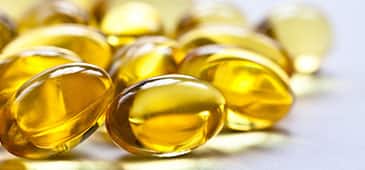 March 23 2026. A systematic review and meta-analysis of clinical trials and observational studies published March 18, 2026, in
 Researchers affiliated with the University of British Columbia, Canada, identified three randomized, controlled trials and nine observational studies for their review and meta-analysis. Analysis of two of the three trials that evaluated the effects of the addition of omega-3 to the diet on the incidence of cardiovascular events in people receiving dialysis found a 44% reduction compared with the control groups. Omega-3's protective effects against stroke, heart attack and premature all-cause mortality were examined in two trials, which found a statistically significant 48% decrease in heart attack compared with the control groups. The observational study, which analyzed the association between the addition of EPA to the diet and all-cause mortality during follow-up, found a significant 71% lower risk.
Five observational studies compared the association between red blood cell, serum or plasma levels of omega-3 at the beginning of the studies and mortality from all causes during follow-up. Pooled analysis of the results found a 31% reduction in all-cause mortality associated with higher levels.
Three observational studies examined the association between all-cause mortality and high or low omega-3 fatty acid intake from food. Pooled analysis found a trend toward lower mortality in association with higher omega-3 intake that did not reach significance.
"Taken together, these findings suggest a potential role for appropriately dosed omega-3 polyunsaturated fatty acid(s) . . . in cardiovascular and mortality risk reduction among patients receiving hemodialysis," authors Arveen Shokrai and colleagues concluded.
—D Dye
Melatonin lowers cardiometabolic risk factors
March 20 2026. A systematic review and meta-analysis of clinical trials published December 30, 2025, in the journal Nutrients found that individuals who were given melatonin showed improvement in several risk factors for metabolic syndrome and cardiovascular disease.
 March 20 2026. A systematic review and meta-analysis of clinical trials published December 30, 2025, in the journal
 “Cardiometabolic risk refers to the interrelationship between cardiovascular and metabolic conditions, emphasizing the risk factors that contribute to diseases such as hypertension, cardiovascular disease, dyslipidemia, and diabetes mellitus,” Shooka Mohammadi of the University of Malaya and colleagues explained. “No prior meta-analysis has synthesized the comprehensive, multidimensional impact of melatonin on the full spectrum of integrated cardiometabolic risk factors, including anthropometric, glycemic, lipid, inflammatory, oxidative stress, and liver function parameters.”
The meta-analysis included 63 randomized, controlled trials that included a total of 3,157 participants, among whom 1,606 were assigned to melatonin and 1,551 were part of control groups. Participants included healthy individuals or those with metabolic syndrome, type 2 diabetes, chronic kidney disease, diabetic kidney disease, kidney transplant, coronary artery disease, heart failure with reduced ejection fraction, high cholesterol, overweight, obesity, polycystic ovary syndrome (PCOS), menopause, metabolic dysfunction-associated steatotic liver disease, metabolic dysfunction-associated steatohepatitis, periodontal disease, lupus, ulcerative colitis, rheumatoid arthritis, ulcerative colitis, high night-time blood pressure, shift work, insomnia, chronic obstructive pulmonary disease, viral respiratory disease, athletic training, multiple sclerosis, schizophrenia, drug dependency or sedentariness.
Meta-analysis of the trials’ data determined that melatonin significantly reduced hip circumference, systolic blood pressure, fasting blood glucose, total cholesterol, low-density lipoprotein (LDL) cholesterol, alanine aminotransferase (ALT, a liver enzyme), malondialdehyde (a marker of oxidative stress), and markers of inflammation that included C-reactive protein, tumor necrosis factor-alpha and interleukin-6. Melatonin was additionally associated with improvement in serum total antioxidant capacity.
“This meta-analysis revealed that melatonin supplementation exerts beneficial effects on multiple cardiometabolic risk factors,” Dr Mohammadi and her associates concluded. “These findings highlight the potential clinical relevance of melatonin as part of an integrative strategy for reducing cardiometabolic disease risk.”
—D Dye
Omega-3 relieves distress
March 18 2026. The April 15, 2026, issue of the Journal of Affective Disorders published the findings of a reduction in anxiety, depression, sleep quality and stress, along with a boost in everyday memory, in men and women with psychologic distress who were given omega-3 polyunsaturated fatty acids.
 March 18 2026. The April 15, 2026, issue of the
 “Psychological distress can lead to an increase in heart rate, elevation of blood pressure, and release of stress hormones,” Wedad Azhar, PhD, and colleagues at Al-Qura University in Saudi Arabia wrote. “These changes might lead to increasing the risk of heart attack, sudden cardiac death, heart failure, or arrhythmias. Additionally, more consequences of long-term anxiety and stress include muscle tension, an increased risk of coronary disease, irritable bowel syndrome, peptic ulcers, gastroesophageal reflux disease, and overall life impairment.”
The randomized, double-blind, trial included 64 adults with psychological distress who were free of chronic physical illness. Thirty-two participants were given omega-3 fatty acid capsules that provided 500 mg EPA and 250 mg DHA and the remainder received a placebo daily for three months. Assessments of psychological measures were conducted at the beginning and end of the study using validated scales that included the Perceived Stress Scale, Generalized Anxiety Disorder-7, the Patient Health Questionnaire-9, the Pittsburgh Sleep Quality Index, the Epworth Sleepiness Scale and the Everyday Memory Questionnaire.
At the end of three months, participants who received omega-3 had significant improvements in stress, anxiety, depression, sleep quality, and memory compared with the beginning of the study and compared with the placebo group.
“Omega-3 supplementation resulted in notable psychological and cognitive improvements, suggesting its potential as a safe and effective adjunct for managing stress, mood disorders, and sleep disturbances among participants with psychological distress,” Azhar and associates concluded. They recommended that future studies explore the effects of a higher dose omega-3 and longer treatment duration.
—D Dye
Insufficient folate linked with adolescent obesity
March 16 2026. Parents’ ever-insistent admonishment to "Eat your vegetables!" could pay off in the development of less obesity in their children, according to findings from a study reported January 13, 2026, in BMC Pediatrics. The investigation revealed a lower risk of obesity among adolescents who had a higher intake of the B vitamin folate, which is abundant in leafy green vegetables, in comparison with those whose intake was low.
 March 16 2026. Parents’ ever-insistent admonishment to "Eat your vegetables!" could pay off in the development of less obesity in their children, according to findings from a study reported January 13, 2026, in
 Yan and associates analyzed data from 9,404 participants aged 6-19 in the National Health and Nutrition Examination Survey (NHANES), which assessed health and nutrition status among U.S. children and adults. Dietary recall interview responses were analyzed for folate intake. Overweight or obesity was identified among participants whose body mass index (BMI) was among the 85th or higher percentile.
A declining risk of obesity was associated with rising folate intake. Individuals whose folate consumption was among the top 25% of subjects in the study had a risk of obesity that was 35% lower than the risk experienced by subjects whose intake was among the lowest 25%. The association was significant among adolescents. A similar trend emerged when central obesity (a risk factor for metabolic syndrome) was evaluated. Female adolescents experienced a significant 58% lower risk when their folate intake was among the top 25%.
"The study found that there is a threshold effect in this association: when the intake is below the inflection points of 190 mcg/1,000 kcal (overweight/obesity) and 195 mcg/1,000 kcal (central obesity), an increase of 100 mcg/1,000 kcal in dietary folate intake is associated with a 35% reduction in overweight/obesity odds and a 34% reduction in central obesity odds," Fugui Yan and colleagues at Ganzhou Maternal Child Health Hospital noted.
"This study provides important epidemiological clues and scientific hypotheses for exploring dietary intervention strategies for children and adolescents with obesity in the future," they concluded.
—D Dye
Low testosterone associated with greater risk of prostate cancer progression
March 11 2026. A study that involved men undergoing active surveillance for prostate cancer found that those who had low levels of testosterone had an increased risk of their cancer progressing to a higher grade compared with those whose levels of the hormone were higher.
 March 11 2026. A study that involved men undergoing active surveillance for
 Active surveillance involves "watchful waiting" rather than aggressive treatment of cancers that are confined to the prostate gland and are unlikely to progress to higher-grade disease during a man's remaining lifetime. This prevents overtreatment that can lead to urinary incontinence or erectile dysfunction.
"Active surveillance is a safe and effective option for many men with early-stage prostate cancer," corresponding author Justin R. Gregg, MD, of the University of Texas MD Anderson Cancer Center stated. "However, identifying which patients may be more likely to experience progression remains a key challenge. Understanding how hormonal factors influence prostate cancer biology may help us refine surveillance strategies."
The retrospective study included 924 men enrolled in active surveillance programs between 2001 and 2024. The median follow-up period was 46.1 months among those whose cancer did not progress.
Low testosterone levels, categorized as 300 nanograms per deciliter (ng/dL) or less, were detected among 29.4% of the men at the beginning of the study. Although this group did not show a risk of their cancer progressing to the higher prostate cancer Gleason Grade Group 2, they had a 61% greater risk of progressing to more aggressive Gleason Grade Group 3 or higher in comparison with men whose testosterone levels were higher than 300 ng/dL.
The authors remarked that their finding "suggests that low testosterone at active surveillance initiation may serve as a prognostic marker for more aggressive disease behavior, challenging traditional assumptions about testosterone's role in prostate cancer progression."
The study was reported February 24, 2026, in the Journal of Urology.
—D Dye
Daily multi may slow aging
March 09 2026. A study reported March 9, 2026, in Nature Medicine revealed an association between consuming a daily multivitamin-multimineral and slower biologic aging.
 March 09 2026. A study reported March 9, 2026, in
 While chronologic aging refers to the number of years lived, biologic aging is based on measurements of decline that occur in an individual with time. "Biological aging reflects a gradual and progressive functional decline in system integrity occurring with advancing chronological age and exhibits considerable variation in populations," authors Li Sidong, PhD, and colleagues stated.
The current investigation assessed biologic aging from 2,815 blood samples derived from 958 participants in the COcoa Supplement and Multivitamin Outcomes Study (COSMOS) trial, which was a two-year randomized, placebo-controlled study that examined the effects of a daily multivitamin-multimineral and/or cocoa flavonols. Blood samples collected at the beginning of the study, and at years one and two were analyzed for methylation, which affects gene expression and is used to evaluate biologic aging.
Compared with the group of participants who received a placebo only, men and women who received the multivitamin showed slowing of biologic aging in five epigenetic clocks that assess DNA methylation. "We plan to do follow-up research to determine if the slowing of biological aging—observed through these five epigenetic clocks, and additional or new ones—persists after the trial ends," co-author Yanbin Dong, MD, PhD stated.
"A lot of people take a multivitamin without necessarily knowing any benefits from taking it, so the more we can learn about its potential health benefits, the better," senior author Howard Sesso, ScD, MPH, noted. "Within COSMOS, we are fortunate and excited to build upon a rich resource of biomarker data to test how two interventions may improve biological aging and reduce age-related clinical outcomes."
"There is a lot of interest today in identifying ways to not just live longer, but to live better," he added. "It was exciting to see benefits of a multivitamin linked with markers of biological aging."
—D Dye
Living longer doesn’t always mean decline
March 06 2026. Findings from a study reported March 4, 2026, in the journal Geriatrics indicate that people can improve their wellness with more years lived, and that the likelihood of this may depend upon an individual's beliefs about aging.
 March 06 2026. Findings from a study reported March 4, 2026, in the journal
 "Many people equate aging with an inevitable and continuous loss of physical and cognitive abilities," corresponding author Becca R. Levy of Yale School of Public Health remarked. "What we found is that improvement in later life is not rare, it's common, and it should be included in our understanding of the aging process."
The study involved 11,314 participants in the Health and Retirement Study conducted by the University of Michigan. Men and women included in the current investigation had an average age of 68.12 at the beginning of the study. Participants were followed for up to 12 years, during which cognitive status or walking speed (as a measure of physical improvement), and beliefs concerning aging were assessed.
Among participants with available measurements, 31.88% demonstrated improvement in cognition and 28% improved their walking speed. But among participants who defied the belief of decline as an inevitable part of aging, cognition improved or remained stable in 51.06% and walking speed improved among 37.56%. Forty-four percent of those with improved cognitive function also had improved walking speed.
"What's striking is that these gains disappear when you only look at averages," Levy commented. "If you average everyone together, you see decline. But when you look at individual trajectories, you uncover a very different story. A meaningful percentage of the older participants that we studied got better."
"Our findings suggest there is often a reserve capacity for improvement in later life," she added. "And because age beliefs are modifiable, this opens the door to interventions at both the individual and societal level."
—D Dye
Nutrient deficiencies in GLP-1 receptor agonist users
March 04 2026. A review published January 19, 2026, in Clinical Obesity reported the findings of six recent studies that revealed insufficient intake of essential nutrients among individuals using popular glucagon-like peptide-1 receptor agonist (GLP-1RA) drugs.
 March 04 2026. A review published January 19, 2026, in
 GLP-1RA drugs, including semaglutide, liraglutide and tirzepatide, treat obesity and type 2 diabetes by suppressing appetite as well as by altering nutrient absorption and delaying stomach emptying. The review included six studies that evaluated nutritional intake during treatment with GLP-1RAs among a total of 480,825 adults. Vitamin D deficiency was the most common nutrient deficit, occurring among 7.5% of study participants after six months of GLP-1 RA use and among 13.6% of participants after 12 months. Intake of the vitamin averaged 20% of recommended amounts. Insufficiencies of vitamins B1 and B12 were found to increase over time with GLP1-RA use.
Among minerals, GLP1-RA users had 26% to 30% lower levels of ferritin which indicated decreased iron stores in comparison with individuals who were prescribed SGLT2 inhibitor drugs for weight management. Calcium and iron were consumed by over 60% of GLP1-RA users at amounts that were lower than estimated requirements. Insufficient calcium as well as protein were reported as contributors to lean body mass loss.
"GLP-1RA therapy is associated with meaningful nutritional deficiencies," authors Jorge Urbina and his associates concluded. "Targeted nutritional assessment and individualized laboratory evaluation may be appropriate for patients at increased risk of malnutrition."
Another recent review appearing January 5, 2026, in the journal Obesity Reviews identified "a critical gap" in the assessment of the dietary intake of recipients of GLP-1 and GIP (glucose-dependent insulinotropic polypeptide) receptor agonists in clinical trials. In 41 randomized trials that evaluated GLP-1 or GIP RA use that were evaluated by the team, only two measured or reported dietary intake or changes.
—D Dye
Umbrella review affirms benefits of collagen to skin, muscle
March 02 2026. An umbrella review that included 16 systematic reviews and meta-analyses concluded that consuming collagen has benefits for skin, bone and muscle. The review was published January 30, 2026, in Aesthetic Surgery Journal.
 March 02 2026. An umbrella review that included 16 systematic reviews and meta-analyses concluded that consuming collagen has benefits for
 "Collagen is a protein with multiple roles within the human body such as supporting fibroblast formation in the dermis, replacing dead skin cells, protection of organs, giving structure, strength and elasticity to the skin, and a primary role in blood clotting," authors Roshan Ravindran, MD, and colleagues explained. "It has been suggested that the body's collagen production slows down over time, decreasing by 1% a year beginning in early adulthood."
The umbrella review's 16 meta-analyses included 113 randomized, controlled trials involving a total of 7,983 participants. Analysis of the meta-analyses data concluded favorable outcomes for collagen in skin rejuvenation, with benefits in hydration and elasticity. Trials that examined musculoskeletal health revealed improvements in fat-free mass and muscle architecture, with modest increases in maximal strength. When osteoarthritis was evaluated, collagen was associated with improvements in pain as well as Visual Analogue Scale scores and Western Ontario and McMaster Universities Osteoarthritis Index total scores. Effects on oral health were mixed. The cardiometabolic benefits of collagen were less definitive, although worthy of further exploration according to the authors.
"Given the scale and scope of this umbrella review, the most comprehensive to date, there is now a compelling rationale for clinical guideline bodies, research councils, and public health institutions to reappraise the role of collagen in preventive health strategies," they remarked. "The signal is clear: collagen, once relegated to cosmetic marketing, now shows potential as a legitimate adjunct in the prevention or management of age-related decline in connective tissue integrity."
—D Dye
