

Life Extension Magazine®

How Quercetin Boosts Heart Health
Research shows that the flavonoid quercetin supports heart health in multiple ways including improving inflammatory markers.
Scientifically reviewed by: Gary Gonzalez, MD, in January 2026. Written by: Ryan McCormick.
Cardiovascular disease is the leading cause of death worldwide.1
Scientists have long known that a diet rich in plant-derived compounds called flavonoids correlates with a reduced risk of cardiovascular diseases.2
Quercetin is one of the most common flavonoids.3
Research shows that it supports heart health in multiple ways, reducing mechanistic factors for cardiovascular disorders and displaying cardio- protective properties.3,4
In human studies, quercetin:
- Lowered blood pressure,5-7
- Reduced total cholesterol8 and oxidized LDL cholesterol,9
- Lowered markers of chronic inflammation tied to cardiovascular disease,8,10,11
- And more.
These actions can help improve heart health and reduce risk for heart disease.
Cardiovascular Risk Factors

Risk factors for cardiovascular disease include obesity, poor diet, smoking, high blood pressure , high blood glucose, elevated triglycerides, high apolipoprotein B that indicates greater numbers of circulating atherogenic particles such as small dense LDL, and low HDL (“good”) cholesterol.12
Any one of the above factors can cause occlusion of arteries feeding the heart, brain and other tissues.
Identifying and managing these risk factors can significantly lower the chance of developing cardiovascular disease and reduce the risk of complications such as fatal heart attacks and strokes in those who already have it.12
Quercetin Protects the Heart
Flavonoids are compounds found in plant foods like fruits, vegetables, and whole grains. They have properties that are known to help protect the heart.2
Quercetin is one of the most potent flavonoids. It is found in onions, apples, tea, citrus fruits, and red wine.13
It has a long list of benefits, including anti-cancer activity, blood glucose control, and many different actions that support heart health.3,14
Chronic inflammation and oxidative stress are drivers of most chronic illnesses, including cardiovascular disease. They contribute to the development and progression of atherosclerosis (the buildup of plaque in blood vessels) and to degenerative changes in the heart.15
As an antioxidant/anti-inflammatory, quercetin protects against this damage.3,4
Quercetin has been shown to improve other cardiovascular risk factors in preclinical and clinical studies:
- Reducing blood pressure,5,6
- Activating key metabolic pathways, such as AMPK, which enhance metabolism and help reverse insulin resistance,16-18
- Supporting endothelial function,19
- Improving blood glucose control,20
- Reducing plaque-promoting adhesion molecules, protecting blood vessel function, and helping to prevent clot formation,21,22
- Blocking the formation of oxidized LDL, a major driver of vascular damage in blood vessels and plaque formation and growth,20
- Reducing inflammation and oxidative stress,23 and
- Decreasing liver fat accumulation.24
What Human Studies Show
A meta-analysis of 39 population studies found that higher flavonoid intake is associated with lower cardiovascular risk.2
When researchers looked at specific flavonoids, they found that quercetin intake was associated with reduced risk of coronary heart disease,2 which occurs when the arteries do not deliver enough oxygen-rich blood to the heart. This is the most common type of heart disease.25
Clinical studies have shown the benefits of quercetin. For example, quercetin intake (ranging from 150 mg to 1,000 mg daily) has been shown to lower blood pressure.5-7,26 Human studies have also shown that quercetin intake improves abnormal lipid levels.8,9,27
In a randomized, placebo-controlled crossover trial of overweight adults with metabolic risk factors, 150 mg of quercetin daily raised blood levels of the compound and led to small but significant reductions in systolic blood pressure and oxidized LDL, an atherogenic marker. These benefits occurred without adverse effects.9
One meta-analysis of human trials found that quercetin supplementation reduced both systolic and diastolic blood pressure. In individuals who took quercetin for more than eight weeks, it also lowered triglycerides and raised HDL (“good”) cholesterol.5
Other trials have shown that quercetin intake can lower markers of systemic chronic inflammation tied to cardiovascular disease.8,10,11 Some of this effect is a result of quercetin’s ability to inhibit activity of NF-kB (nuclear factor-kappa B), a protein complex that produces pro-inflammatory compounds.10
A systematic review and meta-analysis of human studies found that quercetin reduced total cholesterol, LDL (“bad”) cholesterol, and C-reactive protein (a marker of systemic inflammation) among patients with metabolic disease.8
Quercetin doesn’t just reduce risk factors for cardiovascular disease. It also improves heart function itself.
What You Need To Know
Quercetin’s Cardiovascular Benefits

- Cardiovascular disease is the leading cause of death worldwide.
- Risk factors for heart disease include high blood pressure, abnormal cholesterol levels, elevated blood glucose, obesity, poor diet, and smoking.
- Quercetin is a flavonoid found in fruits, vegetables, and herbs. It supports heart health by multiple mechanisms.
- In human studies, quercetin reduced high blood pressure, lowered LDL cholesterol, raised HDL cholesterol, and reduced markers of chronic inflammation, all of which help lower the risk of developing cardiovascular disease, and of cardio-vascular incidents.
- Quercetin also improved heart function in people with a history of heart disease or metabolic risk factors.
In a 12-month controlled trial in patients being treated for gout and high blood pressure (which are both associated with increased risk of heart disease), the addition of quercetin to standard therapy improved heart function and normalized blood pressure.28
In another study, quercetin intake improved the heart function of patients with a history of coronary artery disease.29 Electrocardiogram monitoring in these individuals found fewer episodes of cardiac ischemia (reduction of blood flow to the heart) and of abnormal heartbeats.
These and other studies show that quercetin can reduce risk factors for heart disease and improve heart function.
Summary
Increased intake of flavonoids, compounds found in many plant foods, is associated with lower risk of cardiovascular disease.
Quercetin, one of the most potent flavonoids, supports heart health by multiple mechanisms, including lowering blood pressure, improving lipid levels (reducing LDL, increasing HDL), reducing markers of chronic inflammation, protecting blood vessels, and improving heart function.
Human studies show that quercetin intake can reduce cardiovascular risk factors and improve heart function in people with or at risk for heart disease.
If you have any questions on the scientific content of this article, please call a Life Extension Wellness Specialist at 1-866-864-3027.
Fenugreek Seed Fibers Help Boost Quercetin Bioavailability
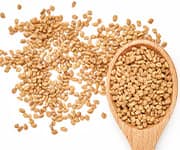
Flavonoids like quercetin suffer from poor bioavailability, but scientists have found that when combined with fenugreek seed fibers, bioavailability improves tremendously.
In one clinical study, researchers compared a fenugreek-quercetin formulation to unformulated quercetin. They found that formulated quercetin delivered up to 62 times greater bioavailability compared to unformulated quercetin.30
References
- GBD Cardiovascular Disease Collaborators. Global, Regional, and National Burden of Cardiovascular Diseases and Risk Factors in 204 Countries and Territories, 1990-2023. J Am Coll Cardiol. 2025.
- Micek A, Godos J, Del Rio D, et al. Dietary Flavonoids and Cardiovascular Disease: A Comprehensive Dose-Response Meta-Analysis. Mol Nutr Food Res. 2021;65(6):e2001019.
- Zhang W, Zheng Y, Yan F, et al. Research progress of quercetin in cardiovascular disease. Front Cardiovasc Med. 2023;10:1203713.
- Nazari-Khanamiri F, Ghasemnejad-Berenji M, Aluko R. Quercetin and Heart Health: From Molecular Pathways to Clinical Findings. Journal of Food Biochemistry. 2023;2023(4):1-9.
- Huang H, Liao D, Dong Y, Pu R. Effect of quercetin supplementation on plasma lipid profiles, blood pressure, and glucose levels: a systematic review and meta-analysis. Nutr Rev. 2020;78(8):615-26.
- Serban MC, Sahebkar A, Zanchetti A, et al. Effects of Quercetin on Blood Pressure: A Systematic Review and Meta-Analysis of Randomized Controlled Trials. J Am Heart Assoc. 2016;5(7).
- Tamtaji OR, Milajerdi A, Dadgostar E, et al. The Effects of Quercetin Supplementation on Blood Pressures and Endothelial Function Among Patients with Metabolic Syndrome and Related Disorders: A Systematic Review and Meta-analysis of Randomized Controlled Trials. Curr Pharm Des. 2019;25(12):1372-84.
- Tabrizi R, Tamtaji OR, Mirhosseini N, et al. The effects of quercetin supplementation on lipid profiles and inflammatory markers among patients with metabolic syndrome and related disorders: A systematic review and meta-analysis of randomized controlled trials. Crit Rev Food Sci Nutr. 2020;60(11):1855-68.
- Egert S, Bosy-Westphal A, Seiberl J, et al. Quercetin reduces systolic blood pressure and plasma oxidised low-density lipoprotein concentrations in overweight subjects with a high-cardiovascular disease risk phenotype: a double-blinded, placebo-controlled cross-over study. Br J Nutr. 2009;102(7):1065-74.
- Chekalina N, Burmak Y, Petrov Y, et al. Quercetin reduces the transcriptional activity of NF-kB in stable coronary artery disease. Indian Heart J. 2018;70(5):593-7.
- Zahedi M, Ghiasvand R, Feizi A, et al. Does Quercetin Improve Cardiovascular Risk factors and Inflammatory Biomarkers in Women with Type 2 Diabetes: A Double-blind Randomized Controlled Clinical Trial. Int J Prev Med. 2013;4(7):777-85.
- Bays HE, Taub PR, Epstein E, et al. Ten things to know about ten cardiovascular disease risk factors. Am J Prev Cardiol. 2021;5:100149.
- Batiha GE, Beshbishy AM, Ikram M, et al. The Pharmacological Activity, Biochemical Properties, and Pharmacokinetics of the Major Natural Polyphenolic Flavonoid: Quercetin. Foods. 2020;9(3).
- Zhou Y, Qian C, Tang Y, et al. Advance in the pharmacological effects of quercetin in modulating oxidative stress and inflammation related disorders. Phytother Res. 2023;37(11):4999-5016.
- Zhong S, Li L, Shen X, et al. An update on lipid oxidation and inflammation in cardiovascular diseases. Free Radic Biol Med. 2019;144:266-78.
- Dhanya R, Arya AD, Nisha P, Jayamurthy P. Quercetin, a Lead Compound against Type 2 Diabetes Ameliorates Glucose Uptake via AMPK Pathway in Skeletal Muscle Cell Line. Front Pharmacol. 2017;8:336.
- Eid HM, Nachar A, Thong F, et al. The molecular basis of the antidiabetic action of quercetin in cultured skeletal muscle cells and hepatocytes. Pharmacogn Mag. 2015;11(41):74-81.
- Yi H, Peng H, Wu X, et al. The Therapeutic Effects and Mechanisms of Quercetin on Metabolic Diseases: Pharmacological Data and Clinical Evidence. Oxid Med Cell Longev. 2021;2021:6678662.
- Khoo NK, White CR, Pozzo-Miller L, et al. Dietary flavonoid quercetin stimulates vasorelaxation in aortic vessels. Free Radic Biol Med. 2010;49(3):339-47.
- Hussain SA, Ahmed ZA, Mahwi TO, Aziz TA. Quercetin dampens postprandial hyperglycemia in type 2 diabetic patients challenged with carbohydrates load. International Journal of Diabetes Research. 2012;1(3):32-5.
- Patel RV, Mistry BM, Shinde SK, et al. Therapeutic potential of quercetin as a cardiovascular agent. Eur J Med Chem. 2018;155:889-904.
- Luo M, Tian R, Lu N. Quercetin Inhibited Endothelial Dysfunction and Atherosclerosis in Apolipoprotein E-Deficient Mice: Critical Roles for NADPH Oxidase and Heme Oxygenase-1. J Agric Food Chem. 2020;68(39):10875-83.
- Su L, Zeng Y, Li G, et al. Quercetin improves high-fat diet-induced obesity by modulating gut microbiota and metabolites in C57BL/6J mice. Phytother Res. 2022;36(12):4558-72.
- Gnoni A, Di Chiara Stanca B, Giannotti L, et al. Quercetin Reduces Lipid Accumulation in a Cell Model of NAFLD by Inhibiting De Novo Fatty Acid Synthesis through the Acetyl-CoA Carboxylase 1/AMPK/PP2A Axis. Int J Mol Sci. 2022;23(3).
- Available at: https://www.cdc.gov/heart-disease/prevention/. Accessed November 18, 2025.
- Brull V, Burak C, Stoffel-Wagner B, et al. Effects of a quercetin-rich onion skin extract on 24 h ambulatory blood pressure and endothelial function in overweight-to-obese patients with (pre-)hypertension: a randomised double-blinded placebo-controlled cross-over trial. Br J Nutr. 2015;114(8):1263-77.
- Pfeuffer M, Auinger A, Bley U, et al. Effect of quercetin on traits of the metabolic syndrome, endothelial function and inflammation in men with different APOE isoforms. Nutr Metab Cardiovasc Dis. 2013;23(5):403-9.
- Kondratiuk VE, Synytsia YP. Effect of quercetin on the echocardiographic parameters of left ventricular diastolic function in patients with gout and essential hypertension. Wiad Lek. 2018;71(8):1554-9.
- Chekalina NI, Shut SV, Trybrat TA, et al. Effect of quercetin on parameters of central hemodynamics and myocardial ischemia in patients with stable coronary heart disease. Wiad Lek. 2017;70(4):707-11.
- Joseph A, Shanmughan P, Balakrishnan A, et al. Enhanced Bioavailability and Pharmacokinetics of a Natural Self-Emulsifying Reversible Hybrid-Hydrogel System of Quercetin: A Randomized Double-Blinded Comparative Crossover Study. ACS Omega. 2022;7(50):46825-32.


Wellness
Specialists
1-800-226-2370 - This service is FREE
7:30 AM - 12 AM (ET) Mon-Fri | 9 AM - 12 AM (ET) Sat-Sun