Newsletter
Newsletter
Vegetable compounds may go beyond prevention
 | |||||||||||||||||||||||||||||||||
| January 06, 2004 | |||||||||||||||||||||||||||||||||
| |||||||||||||||||||||||||||||||||
 | |||||||||||||||||||||||||||||||||
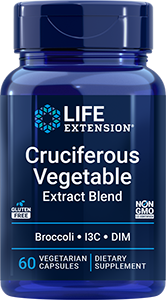
| Life Extension Weekly Update Exclusive Vegetable compounds may go beyond prevention Steve Safe MD and colleagues studied cancer-preventing compounds found in cruciferous vegetables and discovered that they target a protein known as PPAR gamma, which is highly active in fat cells. PPAR is also overexpressed in tumors, therefore compounds that prevent cancer may also help treat tumors. Safe's lab modified DIM to create several patented derivatives that target PPAR gamma. Preliminary research found them to inhibit the growth of cultured breast, pancreatic, colon, bladder and ovarian cancer cells. Dr Safe commented, "We took advantage of a natural chemical, that research has shown will prevent cancer, and developed several more analogs. DIM is a potent substance. But we made it even more potent against various tumors. One of the best parts is that this treatment appears to have minimal or no side effects in the mice trials; it just stops tumor growth. The hope now is that the patented chemicals can be developed into useful drugs for clinical trials and then be used for cancer treatment. It looks promising in cancer cells and animals at this time. We need future studies in humans to see if it is beneficial with people as well.” | |||||||||||||||||||||||||||||||||
| |||||||||||||||||||||||||||||||||
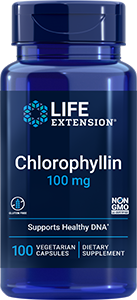
| Cancer Prevention This one sentence description enlightens us to the critical importance of maintaining gene integrity if we are to prevent cancer from developing in our bodies. Cells operate under the direction of genes located in the DNA. Our very existence is dependent on the precise genetic regulation of all cellular events. Healthy young cells have relatively perfect genes. Aging and environmental factors cause genes to mutate, resulting in cellular metabolic disorder. Gene mutations can turn healthy cells into malignant cells. As gene mutations accumulate, the risk of cancer sharply increases. The first lines of defense against the many carcinogens in the human diet are agents that prevent gene mutation. Many antimutagenic agents have been identified in fruits and vegetables, the most potent being the indole-3-carbinols, the chlorophylls, and chlorophyllin (Negishi et al. 1997). The traditional dietary antioxidants should be considered only as a secondary line of defense against cancer because it is more important to inactivate or neutralize carcinogens in the first place than to try to protect the cells and proteins downstream from their effects. Chlorophyllin is the modified, water-soluble form of chlorophyll that has been tested as an antimutagenic agent for more than 20 years. In one of the great ironies of natural product science, we now have a very large body of data concerning the anticancer, antimutagenic, antioxidant, and potentially life-extending benefits of chlorophyllin but much less information on the effects of natural chlorophyll itself (Negishi et al. 1997; Tsunoda et al. 1998). For example, chlorophyllin can cross cell membranes, organelle membranes, and blood-brain barriers while chlorophyll cannot. Chlorophyllin even enters into the mitochondria, the energy-producing organelles of the cell where 91% of oxygen reductions occur and where the majority of free radicals are produced (Boloor et al. 2000; Kamat et al. 2000). | |||||||||||||||||||||||||||||||||
| |||||||||||||||||||||||||||||||||
Each day our cells undergo about 10,000 DNA gene mutations. About 70% of gene mutations are caused by environmental factors such as diet and smoking. Aflatoxin molds, nitrosamine preservatives, and pesticide-herbicide residues are some of the damaging substances that are present in our food supply. Even healthy foods contain small amounts of these undesirable substances. It is not just environmental toxins that pose a concern. Foods cooked at high temperatures also inflict cellular damage. Deep-fried foods along with well-done beefsteak, hamburgers, and bacon cause the formation of gene-mutating heterocyclic amines.Chlorophyllin is the modified, water-soluble form of chlorophyll that has been shown to have DNA protective and antioxidant properties. It can cross cell membranes, organelle membranes, and blood brain barriers (natural chlorophyll cannot). Chrolophyllin can even enter the mitochondria where 91% of oxygen reductions occur and where the majority of free radicals are produced. Chlorophyllin quenches all major oxygen species and acts to protect mitochondria from a variety of external chemical, biological, and radiation insults. Chlorophyllin also protects mitochondria from auto-oxidation, a reaction considered to be one of the major causes of aging.*
I3C has been shown to:
| |||||||||||||||||||||||||||||||||
| |||||||||||||||||||||||||||||||||
| Life Extension Magazine January 2004 issue now online | |||||||||||||||||||||||||||||||||
| |||||||||||||||||||||||||||||||||
| Life Extension's book, Disease Prevention and Treatment, To Appear on QVC! On January 13, 2004 between 10:00 and 11:00 am ET, our very own Dr. Michelle Morrow, certified family practitioner and Life Extension medical advisor, will be appearing on the shopping network, QVC, to discuss the fourth edition of Disease Prevention and Treatment during a 6-8 minute segment. Please tune in and encourage your family and friends to watch as well. Disease Prevention and Treatment is the perfect tool in helping to achieve your goal of better health in 2004. Please check your cable guide's local listing for the QVC channel. | |||||||||||||||||||||||||||||||||
| |||||||||||||||||||||||||||||||||
| If you have questions or comments concerning this issue or past issues of Life Extension Weekly Update, send them to ddye@lifeextension.com or call 954 766 8433 extension 7716. For longer life, Dayna Dye Help spread the good news about living longer and healthier – forward this email to a friend! | |||||||||||||||||||||||||||||||||