Newsletter
Newsletter
Eye disorders linked with shorter lifespan zinc improves survival
 | ||||||||||||||||||||||||||||||
| May 10, 2004 | ||||||||||||||||||||||||||||||
| ||||||||||||||||||||||||||||||
 | ||||||||||||||||||||||||||||||
| Life Extension Update Exclusive Eye disorders linked with shorter lifespan, zinc improves survival AREDS enrolled 4,753 men and women over the age of 55, between November of 1992 and January of 1998. Antioxidant supplements, zinc, antioxidants plus zinc or a placebo were administered to a subgroup of participants. Death occurred in 11 percent of the subjects during the 6.5 year follow-up. The research group found that participants with advanced age-related macular degeneration had a 41 percent higher risk of death during the study period than those who had no signs or minimal signs of the disease. Cardiovascular disease was a significant cause of death among this group. Poor vision in one eye increased the risk of death during the study by 36 percent, and cataract surgery was associated with a 55 percent increase in all-cause mortality. Cataract was particularly associated with death from cancer. Among those who were administered zinc supplements as part of the study, the risk of death was 27 percent lower than those who did not receive zinc. AREDS is the first large randomized trial which has reported a benefit for high dose zinc supplementation on survival. The authors conclude, "The decreased survival of AREDS participants with AMD and cataract suggests that these conditions may reflect systemic rather than only local processes. The improved survival in individuals randomly assigned to receive zinc requires further study." | ||||||||||||||||||||||||||||||
| ||||||||||||||||||||||||||||||
| Protocol Cataract Free radicals reside in the aqueous fluid and bathe the lens of the eye, destroying enzymes that produce energy and maintain cellular metabolism. Free radicals also break down fatty molecules in membranes and lens fibers, generating more free radicals and creating a cross-linking (denaturing or breakdown) of the laminated-like structural proteins inside the lens capsule. The lens capsule has the ability to swell or dehydrate. In doing so, the increase and/or decrease in pressure can cause breaks in the lens fiber membranes, resulting in microscopic spaces in the eye in which water and debris can reside (KaLuzny et al. 1997). Although it is difficult to treat cataracts with oral antioxidants since there is only minimal blood circulation within the eye compared to other parts of the body, nutritional supplements have been shown to reduce the risks of cataracts as well as slow or reverse their progression (Bantseev 1997). The eye consists of 65% water and 35% protein (the highest protein content in the body). The eye also contains the highest percentage of potassium in the body, along with a high percentage of vitamin C and glutathione. Higher levels of glutathione are present in the cortex (edge) of the lens, preventing free radical-induced photochemical generation of harmful by-products. Oxyradicals (free-radicals) generate cataracts, and experiments demonstrate that glutathione reactivates oxidized vitamin C, which in turn improves antioxidant potential within the lens. Vitamin C, selenium, and N-acetylcysteine (NAC) fight free-radical damage and help increase vital levels of glutathione. It is crucial for cataract patients to wear protective eyeglasses to shield against free-radical damage induced by UV sunlight. If UV-blocking sunglasses were to be worn throughout life, the risk of cataract would be reduced greatly. Exposure to sunlight is a major risk factor in the development and progression of cataract disease. Low-cost, wrap-around sunglasses are available; they fit over regular glasses to provide almost 100% protection against UV penetration to the eye. | ||||||||||||||||||||||||||||||
| ||||||||||||||||||||||||||||||
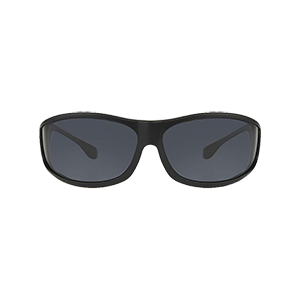
Solarshield sunglasses block solar radiation in three ways:
https://www.lifeextension.com/newshop/items/item00657.html
Glutathione (gamma-L-glutamyl-L-cysteinyl-glycine) is a peptide (short protein)-like molecule synthesized in the body from the three amino acids L-glutamic acid, L-cysteine, and glycine. Glutathione is one of the body's most important and powerful antioxidants, helping to detoxify xenobiotics. A major function of vitamin C is to keep glutathione, L-cysteine, and N-acetyl-cysteine in reduced form so that they can continue to provide free radical quenching effects. | ||||||||||||||||||||||||||||||
| ||||||||||||||||||||||||||||||
| Life Extension Magazine May 2004 An Eye to the Future by Dean S. Cunningham, MD, PhD https://www.lifeextension.com/magazine/mag2004/may2004_report_eye_01.htm | ||||||||||||||||||||||||||||||
| ||||||||||||||||||||||||||||||
| Questions? Comments? Send them to ddye@lifeextension.com or call 954 766 8433 extension 7716. For longer life, Dayna Dye Sign up for Life Extension Update at https://mycart.lifeextension.com/subscribe.asp Help spread the good news about living longer and healthier. Forward this email to a friend! | ||||||||||||||||||||||||||||||