


Newsletter
Newsletter
Resveratrol Improves Memory Glucose Metabolism In Older Men And Women
Resveratrol improves memory, glucose metabolism in older men and women |
|||
Tuesday, August 5, 2014. On June 4, 2014, the Journal of Neuroscience reported the results of a double-blinded trial which found brain benefits for resveratrol, a compound occurring in red grapes and wine. The trial included 23 healthy, overweight individuals between the ages of 50 and 80 years who supplemented with 200 milligrams resveratrol per day for 26 weeks, matched with 23 subjects given a placebo. Functional magnetic resonance imaging (fMRI) of the brain was conducted, anthropometric measurements were obtained, and memory performance, blood factors and vascular markers were assessed before and after treatment. At the trial's conclusion, participants who received resveratrol had better retention of words after a one-half hour delay in comparison with subjects who received the placebo. Neuroimaging revealed greater functional connectivity of the hippocampus (which plays an important role in memory) to several areas of the brain in the resveratrol group. Resveratrol treatment was additionally associated with a reduction in hemoglobin A1C, a marker of long term glucose control, in comparison with the placebo. While body fat percentage slightly increased in the control group, it declined among those who received resveratrol. "We found evidence that 26 weeks of supplementary resveratrol improved memory performance and functional connectivity of the hippocampus in healthy overweight older adults," authors A. Veronica Witte and colleagues conclude. "We also demonstrated improved glucose metabolism as a potential underlying mechanism, which even in the normal range could exert harmful effects when chronically elevated. Therefore, our findings further support the hypothesis that resveratrol acts as an easy caloric restriction mimetic, inducing similar positive effects on glucose metabolism and subsequent neuronal function and cognitive performance." "The present results may pave the way to implement larger randomized clinical trials for the use of caloric restriction mimetics as one potential strategy to maintain brain health until old age," they conclude. |
|||


| What's Hot | ||||
| Resveratrol improves glucose control, insulin sensitivity in diabetics | ||||
The results of a meta-analysis published in the June 2014 issue of the American Journal of Clinical Nutrition indicate that supplementing with resveratrol, a compound that occurs in red grapes and wine, could help improve glucose control and insulin sensitivity in men and women with diabetes without affecting glycemic measures in those without the disease. Researchers from Chongqing, China selected eleven randomized, controlled trials of resveratrol supplementation that included a total of 388 participants for their analysis. Resveratrol dose ranged from 8 to 1500 milligrams per day for periods of two weeks to six months. Three of the trials involved diabetic subjects. While resveratrol did not impact glucose, insulin, insulin resistance or hemoglobin A1C in nondiabetics, these measures were improved among participants with diabetes. As potential mechanisms for resveratrol, authors Kai Liu and colleagues note that the compound has been shown to activate the expression of sirtuin 1, which benefits glucose control. Resveratrol also increases the expression of the insulin-dependent glucose transporter GLUT4 and activates glucose uptake in the absence of insulin. Studies involving animal pancreatic islets have shown that resveratrol inhibits insulin secretion. By activating the expression of Akt (protein kinase B), resveratrol modulates insulin-signaling pathways. Furthermore, resveratrol helps protect against inflammation via several mechanisms. "Resveratrol significantly improves glucose control and insulin sensitivity in persons with diabetes but does not affect glycemic measures in nondiabetic persons," the authors conclude. "Additional high-quality studies are needed to further evaluate the potential benefits of resveratrol in humans." |
||||

| Latest Products | |||||
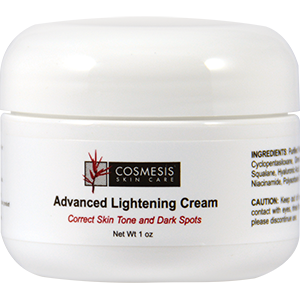 |
Advanced Lightening Cream, 1 ounce Item #80154 |
||||
Cosmesis Advanced Lightening Cream contains three natural compounds that, in combination, correct skin tone and dark spots—resulting in younger-looking skin.
|
|||||
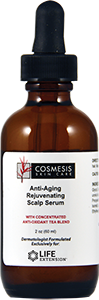 |
Anti-Aging Rejuvenating Scalp Serum, 2 oz Item #80153 |
||||
The new Rejuvenating Scalp Serum contains argan oil, which is unlike any other oil. It is a "dry" oil, easily absorbed by the skin so it leaves no residue or build-up on the hair or scalp. Argan oil has been shown to be exceptionally effective at targeting scalp skin cells to prevent dry scalp conditions, nourish hair follicles, and revive dull, tired, brittle hair. The effectiveness of the argan oil in Rejuvenating Scalp Serum is enhanced by four compounds:
|
|||||
| Related Articles | |||
| Living Longer, Healthier Lives with Resveratrol | Age Related Cognitive Decline | ||
 |
 |
||


