


Newsletter
Newsletter
Omega-3s again show their worth in recent studies
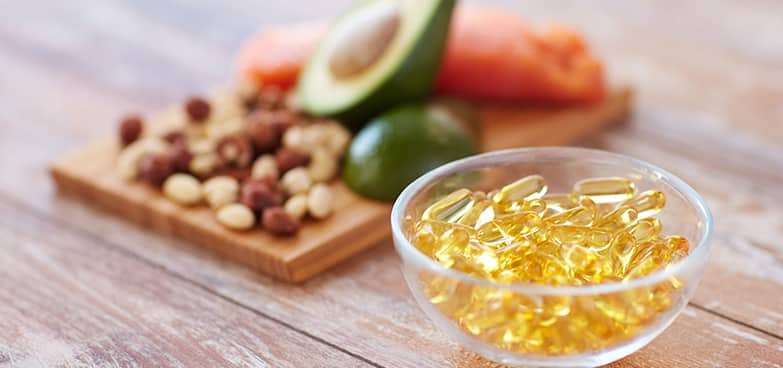
This issue is the next in our "Best of Life Extension® Update” series, in which we look back at some of the most important stories to be published during the past few years.
August 13, 2019
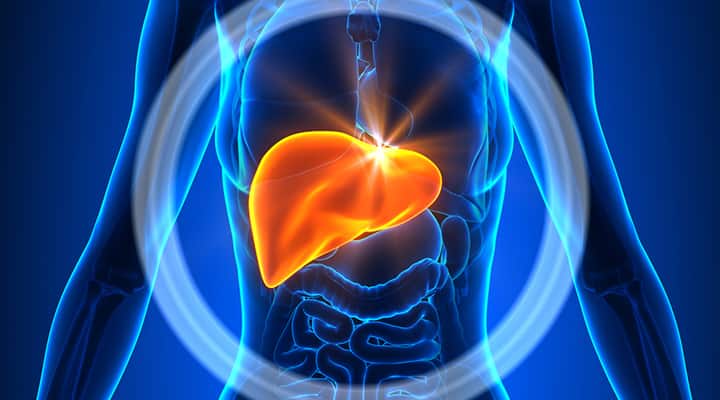
Results from a systematic review and meta-analysis published in the September 2018 issue of the journal Medicine suggest that supplementing with omega-3 polyunsaturated fatty acids (PUFA) may have a beneficial effect on nonalcoholic fatty liver disease in humans.
“Nonalcoholic fatty liver disease (NAFLD) encompasses a histological spectrum that ranges from simple steatosis to nonalcoholic steatohepatitis (NASH), which can lead to cirrhosis and liver cancer and is projected to be the principal factor for liver transplantation by 2020,” write Jian-Hui Yan and colleagues at Fujian Medical University. “NAFLD is more prevalent in patients with metabolic diseases such as obesity and type 2 diabetes mellitus and is recognized as the hepatic manifestation of the metabolic syndrome.”
For their review, Dr Yan and associates selected 18 controlled clinical trials that investigated the effects of omega-3 fatty acid supplementation on liver fat or markers of liver function among a total of 1,424 participants with NAFLD. Meta-analysis of the seven studies that reported data on liver fat content found that subjects who received omega-3 fatty acid supplements were likelier to experience improvement than control subjects who received a placebo or no treatment. Among studies that provided data concerning serum levels of the liver enzymes alanine aminotransferase (ALT), aspartate aminotransferase (AST), and g-glutamyl transferase (GGT), which are elevated in NAFLD, greater improvement was observed in association with omega-3 supplementation compared to the controls. Improvements in glucose and triglyceride levels, and insulin resistance were also greater in omega-3 fatty acid supplemented participants. “Omega-3 PUFA supplementation may improve metabolic and cardiovascular risk factors and surrogate makers for liver disease progression,” the authors conclude.
In other recent research, which appeared in Oral Health & Preventive Dentistry, treatment with omega-3 fatty acids was associated with a decrease in periodontal inflammation. A double-blind trial that included 50 postmenopausal women treated for chronic periodontitis revealed that six months of twice-daily supplementation with capsules that each contained 300 milligrams EPA plus 200 milligrams DHA was associated with a greater reduction in average probing pocket depth and a larger increase in superoxide dismutase (SOD, which is one of the body’s antioxidant enzymes) compared to the control capsules.
These studies are just two of a number of investigations that continue to demonstrate positive effects in association with omega-3 fatty acid supplementation for a number of health conditions. The findings contribute to a large body of research that supports the use of omega-3 fatty acid supplements in human health.
Latest Products
 |
|
|||||||||||||||||
|
||||||||||||||||||
 |
|
|||||||||||||||||
|
||||||||||||||||||
Apply What You’ve Learned: Omega-3
- It’s not fat in general that’s undesirable in the diet, but the type of fat we consume. Omega-3 polyunsaturated fatty acids, which include EPA, DHA, DPA and ALA, have been associated with positive health effects in hundreds of studies.
- Human studies have revealed benefits for omega-3 fatty acid supplementation in numerous health conditions. Improvements in vascular endothelial dysfunction, heart disease, high blood pressure, cognitive decline, mood disorders, glucose management, inflammation and more have been associated with supplementation with omega-3.1-7
- Many people who consume a Western diet are deficient in omega-3 fatty acids. Blood tests such as the Omega-3 Index can tell you if you’re one of them.
- If you’re not a fish and seafood lover, concentrated omega-3 fatty acid capsules that contain high amounts of EPA and DHA are a convenient and effective way to ensure sufficient intake.
References
- Tousoulis D et al. Atherosclerosis. 2014 Jan;232(1):10-6.
- Alexander DD et al. Mayo Clin Proc. 2017 Jan;92(1):15-29.
- Jiang J et al. PLoS One. 2016 Jan 25;11(1):e0147351.
- Miller PE et al. Am J Hypertens. 2014 Jul;27(7):885-96.
- Zhang YP et al. J Neurol Neurosurg Psychiatry. 2018 Apr;89(4):382-388.
- O’Mahoney LL et al. Cardiovasc Diabetol. 2018 Jul 7;17(1):98.
- Rutkofsky IH et al. Adv Mind Body Med. 2017 Summer;31(3):8-16.
Whole Body Health Sale

Brain Health Supplement Guide


Related Life Extension Magazine® Articles


Life Extension Update August 2019 Issue Now Online

Life Extension Events

September 6-8, 2019 |
*FREE standard shipping (regularly $5.50 USD) to any U.S. mailing address, excluding U.S. territories and wholesalers. Discounted flat-rate shipping of $12 USD for Canadian orders of $75 USD or more ($17.50 USD shipping for orders below $75 USD). Premier Rewards program fees, gift cards, and Life Extension Magazine® subscriptions do not apply to $75 USD order total. Discounts available for nonstandard and international shipping.


