


Life Extension Newsletter

Life Extension Newsletter
Alpha-lipoic acid supports heart function, healthy inflammatory response in the heart

A clinical trial that included men and women with type 2 diabetes and ischemic cardiomyopathy resulted in improvement in fibrosis markers (a factor in the development of heart failure) and heart function, as well as an improved inflammatory response among participants who were given the antioxidant alpha-lipoic acid.
Ischemic cardiomyopathy is a decrease in the ability of the heart to pump blood efficiently, resulting from cumulative injury to the heart muscle due to reduced blood supply. It is one of the most common causes of heart failure and contributes to an increased risk of premature mortality. Modifiable risk factors include diabetes, high blood pressure, smoking, unhealthy blood lipid levels, sedentary lifestyle and obesity.
"This study demonstrated that ALA can significantly reduce inflammatory and fibrosis biomarkers, thus improving ventricular remodeling and cardiac function in patients with ischemic cardiomyopathy," authors Aya M. Sharma and colleagues concluded.
Participants who received ALA had significantly decreased markers of inflammation, including tumor necrosis factor-alpha (TNF-a) and C-reactive protein (CRP), in comparison with values measured at the beginning of the trial and compared with the placebo group at the end of the trial. Markers of heart muscle fibrosis that included transforming growth factor-beta-1 (TGF-β1) and matrix metalloproteinase-2 (MMP-2) also improved, while increasing in the placebo group. Additionally, heart function markers measured by echocardiography significantly improved among participants who were given ALA.
The trial included 60 individuals with type 2 diabetes and ischemic cardiomyopathy. Thirty participants were given 600 milligrams of ALA, and the rest received a placebo daily for three months. All participants continued to use their medications for ischemic cardiomyopathy. Blood samples collected at the beginning and end of the trial were analyzed for markers of inflammation and fibrosis and echocardiograms evaluated heart structure and function at these time points.
The findings were published this year in the Journal of Dietary Supplements.1
Products
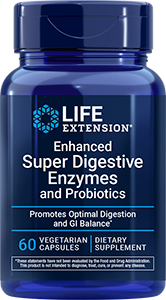

Apply What You’ve Learned: Alpha-Lipoic Acid
- Alpha-lipoic acid (ALA) is an antioxidant produced in the body and found in red and organ meats and yeast, as well as such vegetables as beets, broccoli, carrots, spinach and yams.2 It exists in two isomers that have different properties: the R form, which is biologically active and a synthetic S form that has less biologic activity. Many alpha-lipoic acid products contain a mixture of both forms. The R-lipoic acid form is the same as that produced in the body and is responsible for its antioxidant effect.3
- R-lipoic acid supports healthy mitochondria, which are the power plants of our cells. It therefore supports the production of cellular energy.4
- Alpha-lipoic acid may be useful in the maintenance of eye health. A clinical trial that included 100 men and women with dry age-related macular degeneration found that alpha-lipoic acid improved vision-related quality of life.5 Preclinical research findings reported in an American Diabetes Association journal indicate that alpha-lipoic acid may help protect against diabetic retinopathy, a complication of diabetes.6
- Other research suggests a use for lipoic in bone maintenance, and to support a healthy inflammatory response as well as healthy weight.7-10 In one randomized, controlled trial that included 64 obese men and women, R-lipoic acid resulted in a significantly lower body mass index after 24 weeks compared with a placebo.10
References
- Shama AM, El-Bassiouny NA, Bahnacy YE, et al. Impact of alpha lipoic acid as an adjuvant therapy on inflammation and fibrosis in type 2 diabetic patients with ischemic cardiomyopathy: a randomized controlled trial. J Diet Suppl. 2026;23(1):1-22.
- Vincent HK, Bourguignon CM, Vincent KR, et al. Effects of alpha-lipoic acid supplementation in peripheral arterial disease: a pilot study. J Altern Complement Med. 2007 Jun;13(5):577-84.
- Superti F, Russo R. Alpha-lipoic acid: biological mechanisms and health benefits. Antioxidants (Basel). 2024 Oct 12;13(10):1228.
- Jiang T, Yin F, Yao J, et al. Lipoic acid restores age-associated impairment of brain energy metabolism through the modulation of Akt/JNK signaling and PGC1α transcriptional pathway. Aging Cell. 2013 Dec;12(6):1021-31.
- Tao Y, Jiang P, Wang P, et al. α-Lipoic Acid Treatment Improves Vision-Related Quality of Life in Patients with Dry Age-Related Macular Degeneration. Tohoku J Exp Med. 2016 Nov;240(3):209-214.
- Kowluru RA, Odenback S. Effect of long-term administration of α-lipoic acid on retinal capillary cell death and the development of retinopathy in diabetic rats. Diabetes. 2004 Dec;53(12):3233-8.
- Roberts JL. Moreau R. Emerging role of alpha-lipoic acid in the prevention and treatment of bone loss. Nutr Rev. 2015 Feb;73(2):116-25.
- Moura FA, de Andrade KQ, Farias dos Santos JC, et al. Lipoic acid: its antioxidant and anti-inflammatory role and clinical applications. Curr Top Med Chem. 2015;15(5):458-83.
- Kucukgoncu S, Zhou E, Lucas KB, et al. Alpha-Lipoic Acid (ALA) as a supplementation for weight loss: Results from a meta-analysis of randomized controlled trials. Obes Rev. 2017 Mar 13;18(5):594–601.
- Bobe G, Michels AJ, Zhang WJ, et al. A randomized controlled trial of long-term (R)-α-lipoic acid supplementation promotes weight loss in overweight or obese adults without altering baseline elevated plasma triglyceride concentrations. J Nutr. 2020 Sep 1;150(9):2336-2345.

Health
Quiz

Health
Quiz
Related Life Extension Magazine® Articles

Protect Peripheral Nerves with Lipoic Acid
For decades, lipoic acid has been used to treat peripheral neuropathy in Germany. Clinical studies show that it can improve nerve function and reduce pain and numbness.

Help Your Heart Pump Better
In a clinical trial, a plant extract improved the heart’s pumping ability, increased ejection fraction and reduced physical fatigue by 23%.
Life Extension Magazine® Issue Now Online

Neck pain is often caused by a variety of correctable lifestyle factors. A new clinical study showed that two plant compounds reduced neck pain and stiffness by targeting underlying inflammatory mechanisms.

