


What's hot

What's hot
News flashes are posted here frequently to keep you up-to-date with the latest advances in health and longevity. We have an unparalleled track record of breaking stories about life extension advances.
- Review suggests benefit for plant compounds in obesity-related condition
- Low vitamin D associated with increased uterine fibroid risk
- Tomatoes, rich in lycopene, improved cognitive performance in middle-aged adults
Review suggests benefit for plant compounds in obesity-related condition
October 07 2026. A review published October 7, 2026, in the International Journal of Molecular Sciences discussed evidence for the role of ferroptosis in dysfunctional tissue and inflammation observed in obesity. Authors Stefano Ruga, PhD, of Magna Graecia University of Catanzaro, Italy, and colleagues identified plant-derived compounds, such as curcumin, quercetin and resveratrol, which they suggest may help inhibit ferroptosis.
 October 07 2026. A review published October 7, 2026, in the
 Ferroptosis describes a form of cell death caused by iron-dependent peroxidation of lipids (fats). While iron is an essential nutrient, iron equilibrium may become altered in the fat tissue of obese individuals, resulting in iron overload that is conducive to ferroptosis. In their review, the authors provide evidence that fat tissue in obese individuals may have other conditions favorable to ferroptosis, including the accumulation of phospholipids that contain a high amount of polyunsaturated fatty acids which are susceptible to peroxidation, and impaired defenses by antioxidants, which combat oxidation.
"The study of adipocyte ferroptosis offers a valuable molecular framework for understanding how metabolic stress can be translated into persistent tissue inflammation," coauthor Antonio Giordano, MD, PhD, stated. "By connecting iron metabolism, lipid peroxidation, antioxidant defenses and immune-cell signaling, this emerging field may help identify new biological targets for the prevention and management of obesity-related metabolic disorders."
"The next challenge is to determine which mechanisms are truly causal in human disease and how they can be translated into safe and effective interventions," he added. "The review further explores the potential of plant-derived nutraceutical compounds, including curcumin, resveratrol, quercetin, bergamot polyphenolic fraction, sulforaphane, oleuropein, and astaxanthin, which may influence multiple components of ferroptotic pathways through mechanisms such as modulation of oxidative stress, iron homeostasis, lipid peroxidation, and activation of antioxidant signaling."1
1. Sbarro Health Research Organization. Obesity-Related Inflammation Driven by Fat Cells, Iron, and Free Radicals. News Release. 2026 Oct 7. Accessed 2026 Oct 7. /articles/obesity-related-inflammation-driven-by-fat-cells-iron-and-free-radicals
—D Dye
Low vitamin D associated with increased uterine fibroid risk
October 05 2026. A systematic review and meta-analysis published September 22, 2026, in The Journal of Nutrition found that women with uterine fibroids had significantly lower serum vitamin D levels than those without the condition and that adding vitamin D to the diet reduced was associated with improved symptoms.
 October 05 2026. A systematic review and meta-analysis published September 22, 2026, in
 Uterine fibroids are benign tumors of the uterus and surrounding tissue that may cause abnormal uterine bleeding, pelvic pressure and/or pain, or infertility. Treatment options include surgery, uterine artery embolization, focused ultrasound and prescription drugs.
Meta-analysis of 22 studies that analyzed the relationship between serum vitamin D levels and fibroid prevalence in a total of 3,636 participants revealed significantly lower levels of the vitamin among women with fibroids compared with women without fibroids. Twenty-one of these studies found a large negative effect size, meaning that women with fibroids had markedly lower levels of vitamin D in comparison with women who did not have the condition.
Of ten clinical studies that evaluated the effects of adding vitamin D to the diet that included a total of 2,460 participants, nine found improved symptoms such as urinary frequency, painful menstruation and heavy menstrual bleeding in association with vitamin D, and some showed decreased fibroid size and progression compared with the control groups. The study that evaluated the effect of added vitamin D in secondary prevention found that fibroids recurred in 18.5% of the placebo group and 9.1% of women who received the vitamin.
"Evidence from clinical studies has shown that vitamin D . . . can be associated with improvement of fibroid associated symptoms and may play a role in reducing fibroid size or halting further progression of existing fibroids," Adriana I. Gutiérrez-Camacho and colleagues at Johns Hopkins University School of Medicine wrote. "The data supports a promising role for vitamin D . . . in regulating fibroids and highlights the need for further clinical investigation of vitamin D as a potential alternative therapy."
—D Dye
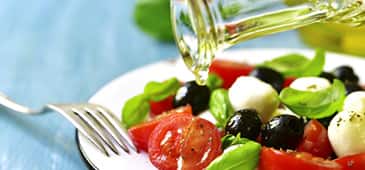
Tomatoes, rich in lycopene, improved cognitive performance in middle-aged adults
October 02 2026. Findings from a randomized, crossover trial published May 18, 2026, in Antioxidants indicate a beneficial effect for daily tomato intake in cognitive function and brain connectivity in middle-aged men and women. Tomatoes are the main food source of the carotenoid lycopene, which has antioxidant effects, supports a healthy inflammatory response and may cross the blood-brain barrier, according to preliminary research.
 October 02 2026. Findings from a randomized, crossover trial published May 18, 2026, in
 The trial included 42 healthy individuals aged 40–55 years. Eighteen participants consumed concentrated tomato paste daily in addition to their habitual diets and 22 participants were assigned to a low-lycopene control diet in which the consumption of lycopene-rich foods was limited for three months. At the end of the three-month period, dietary regimens assigned to each group were switched following a one-month washout period during which no dietary modifications were assigned. Cognitive performance and plasma levels of lycopene and brain-derived neurotrophic factor (a protein involved in memory, learning and brain health) were evaluated at the beginning of the study and at the end of each three-month treatment period. A subsample of 14 participants additionally underwent magnetic resonance imaging (MRI) to assess brain connectivity at these time points.
Tomato intake significantly improved aspects of selective attention and associative memory compared with a low lycopene diet. In the group that consumed tomatoes, a borderline increase occurred in plasma brain-derived neurotrophic factor. Magnetic resonance imaging showed changes in brain connectivity after tomato consumption that were correlated with cognitive gains. "To our knowledge, this is the first clinical trial to link changes in the antioxidant lycopene with alterations in functional brain connectivity," authors Ricardo López-Solís and colleagues announced.
"Beyond lycopene, tomatoes contain a wide array of bioactive compounds, including other carotenoids (e.g., phytoene, β-carotene, and lutein), vitamins (A, C, and E), and (poly)phenols (e.g., naringenin, quercetin, caffeic acid, kaempferol, chlorogenic acid, rutin), that may jointly contribute to cognitive improvements through their antioxidant and anti-inflammatory activities," they noted.
—D Dye
