


What's hot

What's hot
News flashes are posted here frequently to keep you up-to-date with the latest advances in health and longevity. We have an unparalleled track record of breaking stories about life extension advances.
- More on curcumin and diabetes
- Curcumin shows promise in prevention of cardiovascular damage associated with diabetes
- Vitamin D may help prevent diabetes in adults with common gene variants
- Omega-3 fatty acid may help reduce tobacco use
- NAD precursors nicotinamide riboside and NMN raise blood, brain NAD in human study
- High dose B vitamin lowers birth defect risk in children born to women using antiseizure drugs
- Gotu kola improves macular pigment optical density
- Curcumin, resveratrol could be combined with current Alzheimer drugs
- Curcumin, ginger show promise for joint replacement patients
- Critically ill have low vitamin levels at ICU admission
- High-dose vitamin D associated with reduced MS relapse rate
- Study suggests vitamins, minerals lower risk of aging-related diseases
More on curcumin and diabetes
April 29 2026. A systematic review meta-analysis of clinical trials involving people with type 2 diabetes and prediabetes adds evidence to an ability of curcumin or turmeric (the spice that is the source of curcumin) to lower oxidative stress and inflammation. "These biological processes play an important role in the development and progression of metabolic diseases, so reducing them may help support better metabolic health and potentially reduce insulin resistance," lead author Hossein Rafiei, PhD, of Saint Louis University explained. "In our study, we systematically reviewed and combined the evidence from many randomized clinical trials to better understand whether curcumin supplementation truly helps improve inflammation and oxidative stress in people with prediabetes and type 2 diabetes."
 April 29 2026. A systematic review meta-analysis of clinical trials involving people with type 2
 The meta-analysis included 28 randomized, controlled trials that included men and women with diabetes or prediabetes. The trials compared markers of inflammation and indicators of oxidative stress in participants who received curcumin/turmeric with measurements obtained in individuals assigned to control groups.
Participants who received curcumin or turmeric showed reductions in C-reactive protein (CRP), tumor necrosis factor-alpha and interleukin-6, which are markers of inflammation, as well as malondialdehyde, a marker of oxidative stress. "By helping reduce these biological processes that contribute to disease progression, curcumin may help improve the metabolic environment and potentially lower the risk of complications when combined with appropriate medical care and healthy lifestyle strategies," Dr Rafiei stated.
Participants who received curcumin additionally showed increases in total antioxidant capacity and the antioxidant glutathione. Higher doses were found to be associated with greater improvements in CRP, glutathione and total antioxidant capacity.
"Overall, the findings suggest that dietary bioactive compounds like curcumin may play a supportive role in metabolic health, although larger and well-designed clinical trials are still needed to confirm these benefits," Dr Rafiei concluded.
The findings were published November 15, 2025, in the journal Inflammopharmacology.
—D Dye
Curcumin shows promise in prevention of cardiovascular damage associated with diabetes
April 27 2026. Findings from a study presented at the annual American Physiology Summit, held April 23-26, 2026, in Minneapolis, suggests a protective role for curcumin, a compound found in the spice turmeric, against type 1 diabetes-associated cardiovascular damage.
 April 27 2026. Findings from a study presented at the annual American Physiology Summit, held April 23-26, 2026, in Minneapolis, suggests a protective role for curcumin, a compound found in the spice turmeric, against type 1
 Type 1 diabetes is an autoimmune disease that results in a failure of the pancreas to produce adequate insulin. Despite lifelong insulin therapy, many individuals with type 1 diabetes experience damage to blood vessels caused by high blood glucose. "Curcumin, a natural polyphenol derived from Curcuma longa (turmeric), exhibits broad pharmacological properties, well-known for treating various cardiovascular conditions," first author and PhD candidate Swasti Rastogi of Florida Institute of Technology noted.
The study included 6 to 7-week-old rats in which type 1 diabetes was induced, along with a control group of rats. Some of the animals were given curcumin for one month. At the end of the study, there was less inflammation and calcium dynamics were normalized in the diabetic rats that received curcumin. Vascular structural analysis revealed that curcumin decreased collagen deposition and restored elastin levels, thereby improving the elastin-collagen ratio.
While heat shock protein 70 (HSP70) within the cells is protective, HSP70 outside of the cells promotes inflammation. Diabetic rats treated with curcumin exhibited restoration of heat shock protein 70 balance (which is disrupted in diabetes) to a ratio measured in the control animals.
The findings suggest that curcumin may help protect against changes that degrade vascular elasticity and strength which contribute to cardiovascular disease in diabetics.
"Curcumin acts as more than a simple compound found in a spice or an antioxidant," Rastogi noted. "It not only helps to improve blood sugar levels but also reduces inflammation, restores cellular responses, and preserves both structure and function of the aorta in type 1 diabetes."
—D Dye
Vitamin D may help prevent diabetes in adults with common gene variants
April 24 2026. An analysis of data from a previously published study revealed that specific genetic variants could be responsible for an ability of high-dose vitamin D3 to help protect against diabetes in prediabetic individuals.
 April 24 2026. An analysis of data from a previously published study revealed that specific genetic variants could be responsible for an ability of high-dose vitamin D3 to help protect against
 The current findings were reported April 23, 2026, in JAMA Network Open. The investigation included data from 2,098 prediabetic individuals who participated in D2d, a study that compared the risk of developing diabetes among participants who were given 4,000 IU vitamin D3 per day or a placebo for a median 2.5-year period. The study found no significant difference between the groups. "But the D2d results raised an important question: could vitamin D still benefit some people?" first author Bess Dawson-Hughes, MD, of Tufts University asked. "Diabetes has so many serious complications that develop slowly over years. If we can delay the time period that an individual will spend living with diabetes, we can stop some of those harmful side effects or lessen their severity."
In the current investigation, Dr Dawson-Hughes and colleagues analyzed the association between variants in the ApaI vitamin D receptor gene (which include AA, AC and CC variants) and the risk of developing diabetes among D2d participants. While those with the AA variant who received vitamin D were not protected against diabetes, vitamin D recipients with AC or CC variants had a 19% lower risk of developing the disease.
"The findings may represent an important step toward developing a personalized approach to lowering the risk of developing type 2 diabetes among high-risk adults," senior author Anastassios Pittas stated. "Part of what makes vitamin D appealing as a potential preventive tool is that it is inexpensive, widely available, and easy for people to take."
"Our findings suggest we may eventually be able to identify which patients with prediabetes are most likely to benefit from additional vitamin D," Dr Dawson-Hughes added. "In principle, this could involve a single, relatively inexpensive genetic test."
—D Dye
Omega-3 fatty acid may help reduce tobacco use
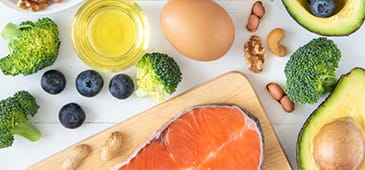
April 22 2026. The April 2026 issue of the Journal of the Association of Physicians of India reported findings from a randomized, single-blind, placebo-controlled study which found a significant reduction in tobacco use and craving among tobacco users who were given alpha-linolenic acid (ALA), an omega-3 fatty acid that occurs in plants.
 April 22 2026. The April 2026 issue of the
 Tobacco smoking has been implicated in approximately 85% of lung cancers.
The study included 83 men and women, among whom 22 were smokers and 61 used smokeless tobacco. Forty-three participants were assigned to a group who were given 5.1 grams ALA from flax oil and 40 individuals received a placebo oil to be consumed daily for six months. Participants were instructed to consume the oil in place of tobacco when they experienced cravings. Assessments completed before and after the treatment period provided information concerning tobacco use frequency, craving and nicotine dependence.
At the end of six months, tobacco use frequency was significantly reduced by more than half in the group who received omega-3 in comparison with the beginning of the study, while a significant but minor decline was observed in the placebo group. Dependency on tobacco declined in both the omega-3-treated and placebo groups, resulting in changes that were not significantly different when compared at the end of the study. And while cravings also declined significantly in both placebo groups, a significant difference favoring those who received omega-3 was observed compared with the placebo.
"Omega-3 deficiency impairs neurotransmission, resulting in hypofunctioning of the mesocortical system, which is a reward and dependency system that can raise tobacco cravings," Anjali Singh of King George's Medical University and colleagues explained. "This study helps in providing a noteworthy direction towards further research on both forms of tobacco (smoking as well as smokeless) and nonpharmacological management for tobacco cessation."
—D Dye
NAD precursors nicotinamide riboside and NMN raise blood, brain NAD in human study
April 20 2026. A phase I pharmacokinetic trial affirmed that oral intake of the nicotinamide adenine dinucleotide (NAD) precursors nicotinamide riboside (NR, a form of vitamin B3) and nicotinamide mononucleotide (NMN, which NR converts to in the body) increased brain and blood levels of NAD in human volunteers. NAD is a compound formed in the body that is needed to produce energy within the cells and has been shown to decline during aging.
 April 20 2026. A phase I pharmacokinetic trial affirmed that oral intake of the nicotinamide adenine dinucleotide (NAD) precursors nicotinamide riboside (NR, a form of vitamin B3) and nicotinamide mononucleotide (NMN, which NR converts to in the body) increased brain and blood levels of NAD in human volunteers. NAD is a compound formed in the body that is needed to produce energy within the cells and has been shown to decline during aging.
The first stage of the trial involved a cross-over design that included six healthy individuals who received 1,200 mg NR or an equal amount of NMN for eight days, followed by a washout period during which no additional nutrients were consumed. This was followed by another eight-day period during which each participant was given the treatment they had not previously received. An additional washout period occurred at the end of the trial. The researchers observed an increase in blood levels of NAD in association with NR as well as NMN throughout the eight-day period and gradual declines during the washout period. No significant change in brain NAD was observed.
The team then evaluated an extended NR treatment period of four weeks in healthy participants and people with Parkinson disease. They observed stabilization of the participants' blood and brain NAD levels after two weeks as well as a significant increase in brain NAD after four weeks compared with levels measured at the beginning of the study.
"These data suggest that effective NAD augmentation requires sustained oral administration over at least 2–4 weeks and that once-daily dosing is sufficient to maintain stable NAD levels," the authors concluded. "NAD responses exhibited considerable interindividual variability, but were not influenced by disease status or sex, indicating broad applicability."
The findings were reported in the March 20, 2026, issue of iScience.
—D Dye
High dose B vitamin lowers birth defect risk in children born to women using antiseizure drugs
April 17 2026. A study reported March 24, 2026, in the Journal of Neurology, Neurosurgery & Psychiatry found a 45% reduction in the risk of birth defects in the children of women using anti seizure medications who were prescribed a high dose of the B vitamin folic acid (4 or 5 milligrams per day) prior to conception.
 April 17 2026. A study reported March 24, 2026, in the
 Antiseizure drugs such as valproate, topiramate, carbamazepine, phenobarbital and phenytoin are known to increase the risk of developmental malformations or birth defects in an embryo or fetus. Physicians often recommend high-dose folic acid to prevent major congenital anomalies in the children born to women treated with these drugs. Yet, according to authors Yuelian Sun of Aarhus University Hospital and colleagues, "The evidence for such recommendations is limited, and findings are inconsistent, leading to varied guidelines on folic acid."
The investigators evaluated records from over 13,000 pregnancies that occurred among women treated with antiseizure medications. While birth defects occurred in approximately 48 of 1,000 pregnancies that occurred in women who did not use high-dose folic acid, those who were prescribed the vitamin within one to twelve weeks prior to pregnancy had 26 cases of birth defects per 1,000, resulting in a relative 45% decrease in risk. When antiseizure medications known to have a high risk of fetal harm were examined, the use of high-dose folic acid was associated with an 86% risk reduction.
Initiating high-dose folic acid after pregnancy or within 13 to 52 weeks before pregnancy was not associated with a protective effect.
"Previous studies of folic acid have not adequately accounted for timing of the treatment," Dr Sun noted. "Our study shows that this is a crucial factor."
"The key message is that planning before pregnancy is essential," coauthor Julie Werenberg Dreier of Aarhus University concluded.
—D Dye
Gotu kola improves macular pigment optical density
April 15 2026. Findings from a trial reported March 11, 2026, in Nutrients revealed improvement in macular pigment optical density (MPOD) in participants who received an extract of gotu kola (Centella asiatica) in comparison with a placebo. Low MPOD levels are found in people with age-related macular degeneration (AMD), a disease in which the macula of the retina of the eyes deteriorates, resulting in central vision impairment.
 April 15 2026. Findings from a trial reported March 11, 2026, in
 "Macular pigment optical density is a noninvasive biomarker that reflects the antioxidant status of the macula, a specialized region of the retina responsible for central and high-acuity vision," authors Hyang-Im Baek of Woosuk University and colleagues explained. "The macular pigment, primarily composed of the dietary carotenoids lutein, zeaxanthin, and meso-zeaxanthin, serves to filter harmful light and scavenge reactive oxygen species, thus protecting retinal tissues from photo-oxidative damage."
The randomized, double-blind trial included 40 men and women who were given 300 milligrams of an extract of gotu kola and 40 participants who received a placebo for six months. Macular pigment optical density was measured on the 60th, 120th and 180th days of the study.
Significant differences between the groups were evident on day 120 of the trial. The number of responders was significantly greater in the group who received gotu kola. At the end of the trial, participants who received gotu kola showed a significant increase in MPOD in the left and right eyes and average of both eyes compared with the placebo.
"This randomized, double-blind, placebo-controlled clinical trial demonstrates that six months of supplementation with a standardized Centella asiatica extract significantly improves MPOD in middle-aged adults with low MPOD," Baek and associates concluded. "These results indicate that nutritional interventions can enhance macular antioxidant status during midlife, a time when retinal vulnerability starts to increase, even in the absence of obvious ocular disease."
—D Dye
Curcumin, resveratrol could be combined with current Alzheimer drugs
April 13 2026. Research findings reported February 20, 2026, in the American Chemical Society journal ACS Chemical Neuroscience suggest that adding the plant-derived molecules curcumin and resveratrol to existing therapies for Alzheimer disease could boost treatment outcomes.
 April 13 2026. Research findings reported February 20, 2026, in the American Chemical Society journal
 Plaques found in the brains of people with Alzheimer disease contain a sticky protein known as amyloid-beta, which causes damage to areas that are critical for memory and learning. Drugs known as anti-amyloid antibodies that are approved for the treatment of Alzheimer disease target amyloid before plaques form or when plaques are pre-existing, although they are not a cure for the disease.
The study evaluated whether the addition of curcumin and resveratrol could build on the results obtained from anti-amyloid antibodies. Curcumin and resveratrol have been shown to reduce inflammation that occurs in Alzheimer disease. "We already know the small molecules resveratrol or curcumin, which are found in some common foods, block the buildup of amyloid," coauthor Dr Praveen Nekkar Rao of the University of Waterloo noted. "What's new and exciting is our combination of these molecules with the anti-amyloid antibodies. This approach could allow clinicians to use lower doses of antibodies, potentially reducing the risk of serious treatment-related side effects."
While anti-amyloid antibody drugs lecanemab and aducanumab inhibited the aggregation of amyloid-beta 42 by 50%–71%, adding curcumin and resveratrol suppressed aggregation by 89%–97%. In cells derived from the hippocampal area of the brains of mice, the combination of the drugs and the plant compounds was nontoxic to brain cells known as neurons and outperformed treatment with the drugs alone in mitigating toxicity induced by amyloid-beta 42.
"I was inspired by chemotherapy, which involves taking multiple medications for effective treatment," Dr Nekkar Rao stated. "Alzheimer's is a complex disease, but there are very few combination therapy approaches. Our results show that the way forward is definitely combination therapy."
—D Dye
Curcumin, ginger show promise for joint replacement patients
April 08 2026. Approximately seven million men and women in the U.S. have knee or hip implants. Infection and failure of metal implants to bond strongly with bone are among complications that can lead to failure. Recent research suggests that two common spices, ginger root and curcumin (a compound derived from the spice turmeric), could help protect against these causes of failure as well as cancer of the bone. The findings were reported February 11, 2026, in the Journal of the American Ceramic Society.
 April 08 2026. Approximately seven million men and women in the U.S. have knee or hip implants. Infection and failure of metal implants to bond strongly with bone are among complications that can lead to failure. Recent research suggests that two common spices, ginger root and curcumin (a compound derived from the spice turmeric), could help protect against these causes of failure as well as
 "Often, an infection will require the removal of the implant," corresponding author Susmita Bose of Washington State University commented. "There is no other way of fixing bone in patient's body. So, infection-related problems can cause eally a huge health issues and financial burden."
In rats, coating implants with extracts of ginger and curcumin doubled bone bonding of a titanium implant within six weeks and terminated over 90% of implant surface bacteria compared with a control group. In other experimentation, the combination decreased the viability of osteosarcoma cells (a type of bone cancer) on the implant surface.
Dr Bose noted that reducing infection and cancerous cells are only two of the benefits associated with ginger and turmeric, which have antioxidant effects. "I'm very passionate about these natural medicinal compounds, because I feel that they can be used so easily as preventative care in our everyday life," she remarked. "Curcumin, from turmeric, has very good anti-inflammatory effect – and inflammatory bone loss is a big challenge. And ginger may have an anti-cancer effect. We can use these compounds as preventative care."
"Basically, I say it's combining the best with the latest," Dr Bose concluded. "The best part is from the food, and the latest aspect comes from the biomedical device."
—D Dye
Critically ill have low vitamin levels at ICU admission
April 06 2026. The February 2026 issue of Clinical Nutrition ESPEN reported the findings of a study that revealed significantly lower levels of vitamins and longer hospital stays among critically ill men and women who were admitted to a hospital intensive care unit (ICU).
 April 06 2026. The February 2026 issue of
 "Vitamins are essential for maintaining various physiological functions and play a role in managing the response against illness," Maryory Galvis-Pedraza of the University of Groningen and colleagues wrote. "These micronutrients are key players in oxidative stress management, immune response, and inflammation regulation; accordingly, abnormal blood levels may exacerbate the severity of the condition and hinder patient recovery, both in the short and long term."
Galvis-Pedraza and associates examined hospital records from 79 older adults admitted to an ICU in the Netherlands. Blood samples collected at admission were analyzed for levels of vitamins A, B1, B6, B12, C, D and E, and the B vitamin folate. Patient interviews provided information concerning routine food intake prior to admission.
Seven patients had adequate blood vitamin levels. Sixty-seven percent of the patients had two or more vitamins below normal range. Levels of vitamins A, C and D were below reference ranges for 43%, 40.5% and 78.5% of patients. Reported dietary intake was not always reflected by blood values.
Patients who were in the ICU for 48 hours or more had a greater percentage of vitamins that were out of range compared with those who were transferred out of the ICU earlier. Men and women with multiple low vitamin levels stayed an average of ten days in the hospital in comparison with six days for the remainder of the group.
Higher blood levels of C-reactive protein (CRP, a marker of inflammation) were observed among individuals who had more than one low vitamin and were associated with significantly lower levels of folate and vitamins A and C.
"This study emphasizes the need for individual nutritional care in critical illness," the authors concluded.
—D Dye
High-dose vitamin D associated with reduced MS relapse rate
April 03 2026. A systematic review and meta-analysis published March 29, 2026, in Frontiers in Immunology revealed an association between the intake of high-dose vitamin D and a lower rate of multiple sclerosis (MS) relapse.
 April 03 2026. A systematic review and meta-analysis published March 29, 2026, in
 Multiple sclerosis is a neurodegenerative disease characterized by four stages: clinically isolated syndrome, relapsing-remitting MS, secondary progressive MS and primary progressive MS. For their review and meta-analysis, a team from Chaoyang Central Hospital in China identified 40 studies that compared serum 25-hydroxyvitamin D levels in men and women with MS and healthy control subjects who did not have the disease, and 22 studies that investigated the effects of the addition of vitamin D3 to the diets of MS patients. They found that vitamin D levels were significantly lower in people with MS compared with healthy individuals. Among individuals with relapsing-remitting MS, vitamin D levels were revealed to be lower during relapse compared with remission. Vitamin D levels were significantly higher in people with the relapsing-remitting form of the disease compared with secondary progressive MS, which is a later stage in which neurologic function gradually worsens. Furthermore, individuals with the highest serum vitamin D had a lower risk of MS onset when compared with people whose levels were lowest.
When the addition of vitamin D3 to the diet of people with MS was examined, no overall effect on annualized relapse rate or disability scores was observed. However, when the effect of high-dose vitamin D was evaluated, it was associated with a significantly lower annual relapse rate.
"Future studies should prioritize large-scale, long-term randomized controlled trials with low dropout rates, particularly focusing on the long-term efficacy and safety of high-dose vitamin D (e.g., ≥5,000 IU per day)," authors Yanlan Li and colleagues wrote.
—D Dye
Study suggests vitamins, minerals lower risk of aging-related diseases
April 01 2026. A substudy of a randomized, double-blind, placebo-controlled trial revealed lower metabolomic risk scores for 16 chronic diseases among men and women who received a daily multivitamin/mineral. Metabolomics involves the study of metabolites: byproducts of the body's metabolism that are found in the blood. Research has determined that some metabolites change in response to specific vitamins. Individual metabolomic profiles have been associated with the incidence of health conditions and diseases.
 April 01 2026. A substudy of a randomized, double-blind, placebo-controlled trial revealed lower metabolomic risk scores for 16 chronic diseases among men and women who received a daily multivitamin/mineral. Metabolomics involves the study of metabolites: byproducts of the body's metabolism that are found in the blood. Research has determined that some metabolites change in response to specific vitamins. Individual metabolomic profiles have been associated with the incidence of health conditions and diseases.
"We tested the long-term effect of multivitamin/minerals . . . on changes in metabolomics profiles from three different approaches, including individual metabolites, metabolomic clocks of biological aging, and metabolomic risk scores for chronic diseases," Sidong Li and colleagues wrote. They hypothesized that multivitamin/minerals "would result in specific changes in circulating metabolites that may contribute to and help explain the benefits observed for several aging-related chronic diseases."
The two-year COSMOS trial compared the effects of a multivitamin/mineral formula plus a cocoa extract, a multivitamin/mineral plus a placebo, cocoa extract plus a placebo, or both placebos in older men and women.
The current substudy included 399 individuals who provided blood samples at the beginning of the COSMOS trial and after one and two years. In comparison with a placebo, multivitamin/minerals were associated with an increase in DHA and omega-3 fatty acid levels. Multivitamin/minerals lowered metabolomic risk scores for major adverse cardiovascular events and cardiovascular disease subtypes, asthma, cataracts, dementia, glaucoma, kidney disease, liver disease, nonmelanoma skin cancer and prostate cancer after two years of follow-up; however, adjustment of the data reduced the significance of the findings. Nonsignificant reductions in measures determined from metabolomic clocks of biologic aging were also revealed in individuals who received multivitamin/minerals. "Despite the limited sample size, COSMOS provides preliminary evidence that daily multivitamin/minerals . . . may modestly improve metabolomic profiles in older adults," Li and associates concluded.
The findings were reported March 30, 2026, in Geroscience.
—D Dye
