

Life Extension Magazine®

Pomegranate: The Powerhouse of Nutrients
Densely packed with synergistic nutrients, pomegranate may help forestall common disorders related to biological aging.
Scientifically reviewed by: Gary Gonzalez, MD, in March 2026. Written by: Stuart Rey.
Pomegranate contains diverse compounds that have demonstrated a range of biological activities in preclinical and clinical studies.1-3
In other words, pomegranate is a fruit with body-wide health benefits.
Across preclinical studies, pomegranate extracts have been shown to support processes involved in mitochondrial function,4 vascular and cardiovascular health,5,6 inflammatory balance,7 and glucose metabolism.8
Collectively, these findings have led to investigations of pomegranate and its extracts for their potential role in promoting healthy aging.9,10
Clinical studies indicate that pomegranate consumption may improve blood flow in healthy adults,11,12 and help lower blood pressure.13-16
Pomegranate as a Source of Diverse Nutrients

All parts of the pomegranate—bark, flowers, and leaves—have traditional therapeutic uses. They have been studied in relation to digestive, metabolic, cardiovascular, and antimicrobial functions, as well as hair and skin structure.2
But why is pomegranate so packed with benefits?
Every component of the plant contains a potent assortment of polyphenols. These include an abundance of anthocyanins and flavonoids, many of which have demonstrated antioxidant and anti-inflammatory activity in experimental studies.6,17
Pomegranate also contains special polyphenols like ellagic acid, ellagitannins, and punicalagin.17,18 These compounds have been studied for their potential health-promoting properties.18
One of the most potent nutrients derived from pomegranate is urolithin A which has been studied for its role in supporting cellular health.19
Urolithin A: A Mitochondrial Booster
While pomegranate and its extracts contain a wide array of nutrients, they do not contain urolithin A—it needs to be made in the body from nutrients contained in pomegranate.

Pomegranate provides raw materials from which some people can make urolithin A for themselves.
In the body, urolithin A is created from the polyphenol called punicalagin which can be present in relatively high amounts in pomegranate products20—some pomegranate supplements are even standardized to contain a specific punicalagin content.21
When we consume punicalagin, our healthy gut bacteria metabolizes it and converts it into urolithin A, which can then be absorbed and distributed throughout the body.22
Urolithin A has various bioactive properties including anti-inflammatory activity. The primary area of research is its role in mitochondrial health.
What You Need To Know
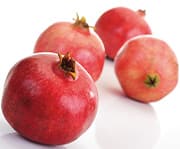
Pomegranate: A Nutrient Powerhouse
- Pomegranate is a nutrient-dense source of bioactive compounds.
- Multiple parts of the pomegranate plant contain notable concentrations of various bioactive compounds including various polyphenols and ellagitannins.
- Punicalagin—the most abundant ellagitannin found in pomegranate—can, in some people, be converted in the body to urolithin A–a metabolite that has been studied for its role in mitochondrial function.
- Both preclinical and human studies have examined associations between pomegranate consumption and diverse health-related outcomes.
Mitochondria are present in abundance in most cells in the body. Some exceptions include red blood cells and bacteria. For all other cells, the mitochondria are the primary source of cellular energy they use to grow, repair themselves, and function.
In various preclinical studies urolithin A improves mitochondrial function and helps rejuvenate mitochondria.23 It activates cellular quality-control processes that remove damaged mitochondria and support mitochondrial turnover.23,24
In multiple cell and animal studies, supplementation with urolithin A has been associated with improvements in markers related to healthy functions.
In various animal models it improves healthspan and lifespan with protection against an array of age-related disorders such as cardiovascular, metabolic, neurologic, joint, and inflammatory bowel disease.23
Human studies of urolithin A are still in their early stages. But results so far support its potential to influence markers of mitochondrial health.25
Furthermore, trials report improvements in certain measures of muscle function, including strength and endurance—in both young athletes26 as well as middle-aged26 and older adults.27 In one study, muscle strength increased by approximately 12% while also increasing aerobic endurance and physical performance in middle-aged adults.26
Benefits of Pomegranate Consumption
Pomegranate has been investigated for its potential effects against common threats to health in older adulthood.
Cardiovascular

Cardiovascular disease is the most prevalent chronic disease of older age.28 Pomegranate has been reported to beneficially influence numerous cardiometabolic risk factors in both preclinical and clinical studies.
In preclinical studies it has been shown to:
- Support blood vessel function,5,6,29,30
- Reduce markers associated with atherosclerotic plaque development,13,31-34 and
- Influence pathways involved in blood clot formation.31,35-37
Whereas in clinical studies:
- It lowers blood pressure,16,38,39 and
- Improves blood lipid abnormalities and prevents lipid oxidation.40
Obesity & Metabolic Health
Obesity, metabolic syndrome, and type 2 diabetes share overlapping signs like high blood pressure and abnormal lipid levels.
In two clinical trials involving adults with type 2 diabetes or poor glucose control, consumption of pomegranate juice was associated with improvements in insulin sensitivity and glycemic indices.41,42
A 2024 systematic review and meta-analysis of 28 human trials found that pomegranate consumption in adults was associated with modest reductions in body weight (about 4.41 lbs.) and BMI compared with controls.43
Pomegranate consumption was associated with lower liver enzyme levels and reduced liver markers of fatty liver disease—even in individuals already suffering from this disorder.38,44
In another study, data from 32 different randomized controlled trials of pomegranate consumption were pooled. Overall, the researchers reported that pomegranate consumption was associated with lowered:45
- Fasting blood glucose,
- Fasting insulin,
- Hemoglobin A1c—a marker of long-term glucose control, and
- HOMA-IR—an index indicating level of insulin resistance.
Cancer
Pomegranate has been studied for mechanisms that may help reduce both cancer risk and progression.46,47
In experimental models involving carcinogenic exposures, pomegranate has shown it may reduce cancer incidence.48-50
Multiple mechanisms of pomegranate have been identified that may influence tumor progression, making it potentially relevant for more than just prevention. These include effects on cancer cell proliferation and survival, and pathways involved in metastasis such as angiogenesis.51,52
In studies on people with prostate cancer, researchers evaluated the effects of pomegranate consumption on PSA levels.53-55 PSA is an important blood marker of prostate disease. It is commonly used to monitor prostate cancer progression, as levels tend to increase with tumor growth. In these studies, pomegranate consumption was associated with a slower rise in PSA levels following cancer treatment, suggesting a potential role as an adjunct to standard therapy.
Summary

Pomegranate is a nutrient-dense fruit that contains a wide range of health-relevant compounds.
Some of the important nutrients associated with pomegranate—punicalagin and polyphenols, anthocyanins, and flavonoids,—have demonstrated biological activity in experimental and clinical studies. Research suggests that the combined activity of all these nutrients may be relevant to healthy aging.
Owing to multiple mechanisms of action, pomegranate has been studied for effects across an array of physiological systems.
Animal and human studies have reported associations with several outcomes that impact cardiovascular and metabolic health.
If you have any questions on the scientific content of this article, please call a Life Extension Wellness Specialist at 1-866-864-3027.
References
- Basu A, Penugonda K. Pomegranate juice: a heart-healthy fruit juice. Nutr Rev. 2009 Jan;67(1):49-56.
- Maphetu N, Unuofin JO, Masuku NP, et al. Medicinal uses, pharmacological activities, phytochemistry, and the molecular mechanisms of Punica granatum L. (pomegranate) plant extracts: A review. Biomed Pharmacother. 2022 Sep;153:113256.
- Liu C, Wang N, Zhang YY, et al. Pomegranate: historical origins, nutritional composition, health functions and processing development research. Crit Rev Food Sci Nutr. 2025;65(33):8447-69.
- Verdu D, Valls A, Serna-Garcia M, et al. Pomegranate Extract Modulates Oxidative Stress by Reducing Basal ROS Levels and Protecting White Blood Cells from Induced Oxidative Damage in Aging Mice. Int J Mol Sci. 2025 Jun 20;26(13).
- Delgado NTB, Rouver WN, Dos Santos RL. Protective Effects of Pomegranate in Endothelial Dysfunction. Curr Pharm Des. 2020;26(30):3684-99.
- Wang D, Ozen C, Abu-Reidah IM, et al. Vasculoprotective Effects of Pomegranate (Punica granatum L.). Front Pharmacol. 2018;9:544.
- Moradnia M, Mohammadkhani N, Azizi B, et al. The power of Punica granatum: A natural remedy for oxidative stress and inflammation; a narrative review. J Ethnopharmacol. 2024 Aug 10;330:118243.
- Olvera-Sandoval C, Fabela-Illescas HE, Fernandez-Martinez E, et al. Potential Mechanisms of the Improvement of Glucose Homeostasis in Type 2 Diabetes by Pomegranate Juice. Antioxidants (Basel). 2022 Mar 15;11(3).
- Cordiano R, Gammeri L, Di Salvo E, et al. Pomegranate (Punica granatum L.) Extract Effects on Inflammaging. Molecules. 2024 Sep 3;29(17).
- Farhat G, Malla J, Hanson L, et al. Effects of Pomegranate Extract on IGF-1 Levels and Telomere Length in Older Adults (55-70 Years): Findings from a Randomised Double-Blinded Controlled Trial. Nutrients. 2025 Sep 16;17(18).
- Roelofs EJ, Smith-Ryan AE, Trexler ET, et al. Effects of pomegranate extract on blood flow and vessel diameter after high-intensity exercise in young, healthy adults. Eur J Sport Sci. 2017 Apr;17(3):317-25.
- Asgary S, Keshvari M, Sahebkar A, et al. Clinical investigation of the acute effects of pomegranate juice on blood pressure and endothelial function in hypertensive individuals. ARYA Atheroscler. 2013 Nov;9(6):326-31.
- Aviram M, Rosenblat M, Gaitini D, et al. Pomegranate juice consumption for 3 years by patients with carotid artery stenosis reduces common carotid intima-media thickness, blood pressure and LDL oxidation. Clin Nutr. 2004 Jun;23(3):423-33.
- Ghaemi F, Emadzadeh M, Atkin SL, et al. Impact of pomegranate juice on blood pressure: A systematic review and meta-analysis. Phytother Res. 2023 Oct;37(10):4429-41.
- Asgary S, Sahebkar A, Afshani MR, et al. Clinical evaluation of blood pressure lowering, endothelial function improving, hypolipidemic and anti-inflammatory effects of pomegranate juice in hypertensive subjects. Phytother Res. 2014 Feb;28(2):193-9.
- Bahari H, Omidian K, Goudarzi K, et al. The effects of pomegranate consumption on blood pressure in adults: A systematic review and meta-analysis. Phytother Res. 2024 May;38(5):2234-48.
- Russo M, Fanali C, Tripodo G, et al. Analysis of phenolic compounds in different parts of pomegranate (Punica granatum) fruit by HPLC-PDA-ESI/MS and evaluation of their antioxidant activity: application to different Italian varieties. Anal Bioanal Chem. 2018 Jun;410(15):3507-20.
- Shaygannia E, Bahmani M, Zamanzad B, et al. A Review Study on Punica granatum L. J Evid Based Complementary Altern Med. 2016 Jul;21(3):221-7.
- Zhao H, Song G, Zhu H, et al. Pharmacological Effects of Urolithin A and Its Role in Muscle Health and Performance: Current Knowledge and Prospects. Nutrients. 2023 Oct 19;15(20).
- Yin Y, Martinez R, Zhang W, et al. Crosstalk between dietary pomegranate and gut microbiota: evidence of health benefits. Crit Rev Food Sci Nutr. 2024;64(27):10009-35.
- Johanningsmeier SD, Harris GK. Pomegranate as a functional food and nutraceutical source. Annu Rev Food Sci Technol. 2011;2:181-201.
- D’Amico D, Andreux PA, Valdés P, et al. Impact of the Natural Compound Urolithin A on Health, Disease, and Aging. Trends in Molecular Medicine. 2021;27(7):687-99.
- D’Amico D, Andreux PA, Valdes P, et al. Impact of the Natural Compound Urolithin A on Health, Disease, and Aging. Trends Mol Med. 2021 Jul;27(7):687-99.
- Garcia-Villalba R, Gimenez-Bastida JA, Cortes-Martin A, et al. Urolithins: a Comprehensive Update on their Metabolism, Bioactivity, and Associated Gut Microbiota. Mol Nutr Food Res. 2022 Nov;66(21):e2101019.
- Andreux PA, Blanco-Bose W, Ryu D, et al. The mitophagy activator urolithin A is safe and induces a molecular signature of improved mitochondrial and cellular health in humans. Nat Metab. 2019 Jun;1(6):595-603.
- Singh A, D’Amico D, Andreux PA, et al. Urolithin A improves muscle strength, exercise performance, and biomarkers of mitochondrial health in a randomized trial in middle-aged adults. Cell Rep Med. 2022 May 17;3(5):100633.
- Liu S, D’Amico D, Shankland E, et al. Effect of Urolithin A Supplementation on Muscle Endurance and Mitochondrial Health in Older Adults: A Randomized Clinical Trial. JAMA Netw Open. 2022 Jan 4;5(1):e2144279.
- Available at: https://www.who.int/news/item/09-12-2020-who-reveals-leading-causes-of-death-and-disability-worldwide-2000-2019 Accessed April 15, 2021.
- Liu X, Cao K, Lv W, et al. Punicalagin attenuates endothelial dysfunction by activating FoxO1, a pivotal regulating switch of mitochondrial biogenesis. Free Radic Biol Med. 2019 May 1;135:251-60.
- Vilahur G, Padro T, Casani L, et al. Polyphenol-enriched diet prevents coronary endothelial dysfunction by activating the Akt/eNOS pathway. Rev Esp Cardiol (Engl Ed). 2015 Mar;68(3):216-25.
- Aviram M, Dornfeld L, Rosenblat M, et al. Pomegranate juice consumption reduces oxidative stress, atherogenic modifications to LDL, and platelet aggregation: studies in humans and in atherosclerotic apolipoprotein E-deficient mice. Am J Clin Nutr. 2000 May;71(5):1062-76.
- de Nigris F, Williams-Ignarro S, Lerman LO, et al. Beneficial effects of pomegranate juice on oxidation-sensitive genes and endothelial nitric oxide synthase activity at sites of perturbed shear stress. Proc Natl Acad Sci U S A. 2005 Mar 29;102(13):4896-901.
- de Nigris F, Williams-Ignarro S, Sica V, et al. Effects of a pomegranate fruit extract rich in punicalagin on oxidation-sensitive genes and eNOS activity at sites of perturbed shear stress and atherogenesis. Cardiovasc Res. 2007 Jan 15;73(2):414-23.
- Salama AA, Ismael NM, Bedewy M. The Anti-inflammatory and Antiatherogenic In Vivo Effects of Pomegranate Peel Powder: From Waste to Medicinal Food. J Med Food. 2021 Feb;24(2):145-50.
- Mattiello T, Trifiro E, Jotti GS, et al. Effects of pomegranate juice and extract polyphenols on platelet function. J Med Food. 2009 Apr;12(2):334-9.
- Lafdil FZ, Legssyer A, Ziyyat A, et al. Antithrombotic activity of Punica granatum, L (Pomegranate): Experimental investigation and exploration of its mechanism of action on primary and secondary hemostasis in vitro and ex vivo. Journal of Molecular Structure. 2025 2025/02/05/;1321:140195.
- Riaz A, Khan RA. Anticoagulant, antiplatelet and antianemic effects of Punica granatum (pomegranate) juice in rabbits. Blood Coagul Fibrinolysis. 2016 Apr;27(3):287-93.
- Barghchi H, Milkarizi N, Belyani S, et al. Pomegranate (Punica granatum L.) peel extract ameliorates metabolic syndrome risk factors in patients with non-alcoholic fatty liver disease: a randomized double-blind clinical trial. Nutr J. 2023 Aug 22;22(1):40.
- Farhat G, Malla J, Vadher J, et al. Effects of Pomegranate Extract on Inflammatory Markers and Cardiometabolic Risk Factors in Adults Aged 55-70 Years: A Randomised Controlled Parallel Trial. Nutrients. 2025 Apr 1;17(7).
- Barghchi H, Milkarizi N, Belyani S, et al. Pomegranate (Punica granatum L.) peel extract ameliorates metabolic syndrome risk factors in patients with non-alcoholic fatty liver disease: a randomized double-blind clinical trial. Nutr J. 2023 Aug 22;22(1):40.
- Banihani SA, Fashtaky RA, Makahleh SM, et al. Effect of fresh pomegranate juice on the level of melatonin, insulin, and fasting serum glucose in healthy individuals and people with impaired fasting glucose. Food Sci Nutr. 2020 Jan;8(1):567-74.
- Banihani SA, Makahleh SM, El-Akawi Z, et al. Fresh pomegranate juice ameliorates insulin resistance, enhances beta-cell function, and decreases fasting serum glucose in type 2 diabetic patients. Nutr Res. 2014 Oct;34(10):862-7.
- Bahari H, Pourreza S, Goudarzi K, et al. The effects of pomegranate consumption on obesity indices in adults: A systematic review and meta-analysis. Food Sci Nutr. 2024 Feb;12(2):641-60.
- Bahari H, Rafiei H, Goudarzi K, et al. The effects of pomegranate consumption on liver function enzymes in adults: A systematic review and meta-analysis. Complement Ther Med. 2024 Mar;80:103008.
- Bahari H, Ashtary-Larky D, Goudarzi K, et al. The effects of pomegranate consumption on glycemic indices in adults: A systematic review and meta-analysis. Diabetes Metab Syndr. 2024 Jan;18(1):102940.
- Cheng X, Yao X, Xu S, et al. Punicalagin induces senescent growth arrest in human papillary thyroid carcinoma BCPAP cells via NF-kappaB signaling pathway. Biomed Pharmacother. 2018 Jul;103:490-8.
- Mandal A, Bhatia D, Bishayee A. Anti-Inflammatory Mechanism Involved in Pomegranate-Mediated Prevention of Breast Cancer: the Role of NF-kappaB and Nrf2 Signaling Pathways. Nutrients. 2017 Apr 28;9(5).
- Husari A, Hashem Y, Zaatari G, et al. Pomegranate Juice Prevents the Formation of Lung Nodules Secondary to Chronic Cigarette Smoke Exposure in an Animal Model. Oxid Med Cell Longev. 2017;2017:6063201.
- Kim ND, Mehta R, Yu W, et al. Chemopreventive and adjuvant therapeutic potential of pomegranate (Punica granatum) for human breast cancer. Breast Cancer Res Treat. 2002 Feb;71(3):203-17.
- Mehta R, Lansky EP. Breast cancer chemopreventive properties of pomegranate (Punica granatum) fruit extracts in a mouse mammary organ culture. Eur J Cancer Prev. 2004 Aug;13(4):345-8.
- Khwairakpam AD, Bordoloi D, Thakur KK, et al. Possible use of Punica granatum (Pomegranate) in cancer therapy. Pharmacol Res. 2018 Jul;133:53-64.
- Turrini E, Ferruzzi L, Fimognari C. Potential Effects of Pomegranate Polyphenols in Cancer Prevention and Therapy. Oxid Med Cell Longev. 2015;2015:938475.
- Paller CJ, Ye X, Wozniak PJ, et al. A randomized phase II study of pomegranate extract for men with rising PSA following initial therapy for localized prostate cancer. Prostate Cancer Prostatic Dis. 2013 Mar;16(1):50-5.
- Pantuck AJ, Zomorodian N, Seeram N, et al. Long term follow up of pomegranate juice for men with prostate cancer and rising PSA shows durable improvement in PSA doubling time. Paper presented at: American Society of Clinical Oncology 2008 Genitourinary Cancers Symposium2008; San Francisco.
- Pantuck AJ, Leppert JT, Zomorodian N, et al. Phase II Study of Pomegranate Juice for Men with Rising Prostate-Specific Antigen following Surgery or Radiation for Prostate Cancer. Clinical Cancer Research. 2006;12(13):4018-26.


Wellness
Specialists
1-800-226-2370 - This service is FREE
7:30 AM - 12 AM (ET) Mon-Fri | 9 AM - 12 AM (ET) Sat-Sun