


Newsletter
Newsletter
Review finds theanine may help with stress, anxiety

December 31, 2019
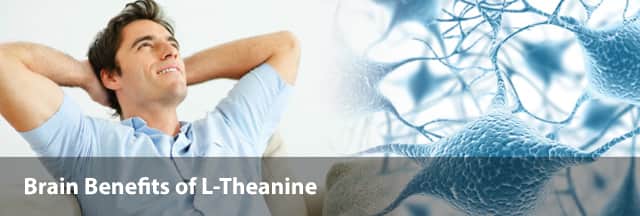
A systematic review published on November 22, 2019 in the journal Plant Foods for Human Nutrition concluded that supplementation with the green tea amino acid L-theanine could help reduce feelings of stress and anxiety in individuals exposed to stress-inducing conditions.
Researchers in Australia selected eight randomized, double-blind, placebo-controlled trials and one randomized, single-blind, placebo-controlled trial for their review. The total number of participants included 134 men and 88 women. Theanine doses ranged from 200 milligrams to 900 milligrams per day in trials designed to administer the compound acutely during stressful situations or chronically for up to eight weeks.
Various effects of L-theanine supplementation on responses to stressful situations included lower systolic and diastolic blood pressure, reduced activation of the sympathetic nervous system, lower levels of salivary alpha-amylase or cortisol (markers of chronic stress) and decreased subjective stress responses in comparison with the placebo. When anxiety was evaluated, participants who received L-theanine experienced such effects as improvement in the Hamilton Anxiety Rating Scale (including improvements in anxious mood, tension, and intellectual, muscular and sensory somatic complaints), improved Visual Analog Mood Scale assessment, lower heart rate, better reaction time responses, lower salivary alpha-amylase, less psychosocial stress and decreased subjective stress responses in comparison with the placebo groups.
“Kinetic studies indicate that L-theanine crosses the blood-brain barrier,” author Jackson L. Williams of the University of Canberra and colleagues noted. “The potential health benefits associated with the consumption of L-theanine include improvements in emotional status, quality of sleep, suppression of hypertension, and improvements in mood and cognition.”
“Our findings suggest that supplementation of 200–400 mg/day of L-theanine may assist in the reduction of stress and anxiety in people exposed to stressful conditions,” they conclude.
Products

|
|
||||||||||||||||||||||
|
|||||||||||||||||||||||

|
|
||||||||||||||||||||||
|
|||||||||||||||||||||||
Apply What You’ve Learned: Anxiety
-
Anxiety can be an acute response to a stressful situation, or a chronic condition in which people experience anxious feelings or panic on a regular basis.
-
While anxiety as an occasional reaction to a situation is a common occurrence, chronic anxiety may have other causes that could be metabolic, hormonal and/or genetic, as well as psychological, emotional and social.
-
Although there are effective drug therapies available for severe or disabling anxiety, natural alternatives including theanine, lemon balm (Melissa officinalis), magnesium, omega-3 fatty acids, Rhodiola rosea, ashwagandha or Ginkgo biloba may be helpful.1-7
-
People who find that anxiety or stress are interfering with their lives should seek help from a qualified medical professional.
References
- Williams JL et al. Plant Foods Hum Nutr. 2019 Nov 22.
- Cases J et al. Med J Nutrition Metab. 2011 Dec;4(3):211-218
- Kiecolt-Glaser JK et al. Brain Behav Immun. 2011 Nov;25(8):1725-34.
- Boyle NB et al. Nutrients. 2017 Apr 26;9(5).
- Cropley M et al. Phytother Res. 2015 Dec;29(12):1934-9.
- Pratte MA et al. J Altern Complement Med. 2014 Dec;20(12):901-8.
- Singh SK et al. Curr Drug Metab. 2017;18(2):112-119.
Heart Health Supplement Guide

Related Life Extension Magazine® Articles
Super Sale

Life Extension® Clinical Research Update

Participate in an Inflammation Study at our Fort Lauderdale location
Or call a study consultant for details: 1-866-517-4536


