



What's hot

What's hot
News flashes are posted here frequently to keep you up-to-date with the latest advances in health and longevity. We have an unparalleled track record of breaking stories about life extension advances.
- Spermidine intake linked with better liver function, BMI in overweight adults
- Vitamin C associated with less postoperative pain, morphine utilization
- Mediterranean diet associated with lower mortality in long-term studies
- High-dose EPA extends survival after surgical removal of colorectal cancer liver metastases
Spermidine intake linked with better liver function, BMI in overweight adults
November 09 2026. A study reported July 15, 2026, in the European Journal of Nutrition found improvements in fatty liver, liver enzymes (which, when elevated, indicate reduced liver function) and hemoglobin A1c (a marker of long-term glucose control) in people with higher intake of the polyamine nutrient spermidine.
 November 09 2026. A study reported July 15, 2026, in the
"Polyamines and particularly spermidine, regulate key biological processes such as DNA stability, cellular growth, metabolic homeostasis, and autophagy," authors Andrés López-González and colleagues explained. "Moreover, spermidine has been identified as a major polyamine involved in the autophagy enhancement observed during calorie restriction and fasting. These dietary regimens increase spermidine levels in yeast, flies, mice and humans."
Spermidine-rich foods include vegetables, fruit, legumes, nuts and whole grains, which characterize a healthy Mediterranean diet and have been suggested to contribute to the diet's benefits. The study included 2,664 overweight and obese older adults with metabolic syndrome whose spermidine intake was calculated from dietary questionnaire responses completed in the PREDIMED-Plus trial at the beginning of the study, at six months and at one year. PREDIMED-Plus compared the effects of a calorie-restricted Mediterranean diet to an unrestricted Mediterranean diet in older adults.
Men and women who had the highest spermidine intake at the beginning of the study as well as the highest increase at one year showed the greatest reduction in fatty liver index, hepatic steatosis index (another estimation of fatty liver), liver enzymes ALT and AST and hemoglobin A1c. Individuals with the highest spermidine intake also had decreases in body mass index (BMI) and waist and hip circumference.
López-González and his associates concluded that "A one-year increase in dietary spermidine intake was associated with improvements in hepatic function indexes and cardiometabolic traits in overweight and obese older adults with metabolic syndrome."
—D Dye
Vitamin C associated with less postoperative pain, morphine utilization
November 06 2026. A systematic review and meta-analysis of randomized trials published in the November 2026 issue of the Journal of Clinical Anesthesia concluded that consuming vitamin C within the period surrounding surgery was associated with reductions in postoperative pain, opioid pain-reliever consumption, nausea and vomiting, and more.
 November 06 2026. A systematic review and meta-analysis of randomized trials published in the November 2026 issue of the
"Inadequate pain control compromises postoperative recovery, quality of life, and physical function, disturbs sleep, hinders early mobilization, and prolongs hospital stays," Jialin Xiong and colleagues at the First Affiliated Hospital of Chongqing Medical University noted in their introduction to the article. "Vitamin C (ascorbic acid) is a micronutrient with potential analgesic effects. It directly scavenges reactive oxygen species, regenerates endogenous antioxidants, activates the Nrf2 pathway, and inhibits the NF-κB signaling pathway, thereby reducing pro-inflammatory cytokines such as interleukin-1, interleukin-6, and tumor necrosis factor, and attenuating oxidative stress and inflammatory responses."
The met-analysis included 27 randomized, controlled trials that included a total of 3,041 participants. The trials evaluated vitamin C's effect on postoperative pain, opioid consumption and other outcomes.
In comparison with control participants, individuals who received perioperative vitamin C experienced reductions in acute postoperative pain, opioid intake and the need for additional pain relief beyond that which was initially provided. Vitamin C lowered the incidence of nausea and vomiting one hour after surgery by 52% and was additionally associated with a 64% reduction in the risk of postoperative complex regional pain syndrome-1, a condition that develops in a minority of individuals following surgery or injury. No increase in blood loss during surgery or serious adverse effects were noted in association with vitamin C.
"This systematic review and meta-analysis suggested that perioperative vitamin C may be associated with attenuated acute postoperative pain, reduced opioid consumption, and decreased requirement for rescue analgesia," Xiong and associates concluded. They recommended additional randomized controlled trials to further confirm vitamin C's benefits.
—D Dye
Mediterranean diet associated with lower mortality in long-term studies
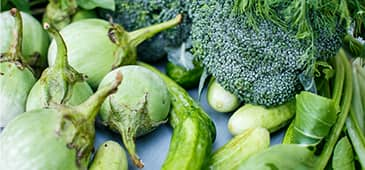
November 04 2026. On October 19, 2026, the American Journal of Clinical Nutrition reported findings from an analysis of four study cohorts which revealed a significantly lower risk of mortality during follow-up in association with higher blood plasma metabolites indicative of Mediterranean diet adherence. The diet is characterized by high intake of vegetables, fruit, legumes, fish and olive oil, moderate dairy product and wine consumption, and avoidance of red and processed meat, animal fat, butter, refined grain and sweets.
 November 04 2026. On October 19, 2026, the
Estefania Toledo and colleagues analyzed plasma metabolites of 1,880 participants measured at enrollment in the PREDIMED trial, which evaluated the health effects of a Mediterranean diet. They found a 23% lower risk of mortality during a median follow-up period of 13.2 years among those whose metabolic signatures reflective of Mediterranean diet adherence were among the highest one-third of participants compared with participants whose signatures were among the lowest third.
To support the findings, data from 12,705 participants in the Nurses" Health Studies I and II and the Health Professionals Follow-Up Study were analyzed. Those whose plasma metabolite levels indicative of Mediterranean diet adherence were among the top 20% of participants had a 23% lower risk of mortality during 25 years of follow-up compared with participants whose levels were among the lowest fifth.
“To our knowledge, this is the first study on the association between a MedDiet metabolomic signature and long-term mortality—an important outcome because all-cause mortality summarizes competing life-threatening diseases, where reductions in one cause can be offset by increases in another," the authors announced.
“Our findings suggest that this metabolomic signature may not only reflect the biological effects of the MedDiet but may also serve as a tool to identify individuals who could benefit most from dietary or lifestyle interventions aimed at reducing risk of premature death," they concluded.
—D Dye
High-dose EPA extends survival after surgical removal of colorectal cancer liver metastases
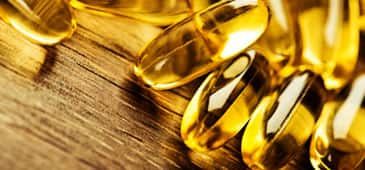
November 02 2026. A phase 3 randomized, double-blind trial found improved survival in colorectal cancer patients who consumed a high daily dose of the omega-3 fatty acid eicosapentaenoic acid (EPA) before and after surgery to remove liver metastases in comparison with a placebo. The results were presented at the European Society for Medical Oncology Congress 2026.1
 November 02 2026. A phase 3 randomized, double-blind trial found improved survival in
The EPA for Metastasis Trial 2 (EMT2) enrolled 528 men and women scheduled for colorectal liver metastasis removal. Half of the participants received 4 grams EPA and the remainder received a placebo beginning at least one day prior to surgery for a two-to-four-year period.
While colorectal cancer progression was not different between the groups after surgery, participants who received EPA had a 30% lower risk of dying during follow-up compared with the placebo group. The addition of EPA to the diet was reported as having no adverse impact on quality of life. "The overall survival benefit seen with EPA in EMT2, if confirmed in other studies, is clinically meaningful for the group of patients who have had surgery for bowel cancer spread to the liver and in whom the cancer frequently comes back," lead author Mark Hull of the University of Leeds in England stated. "This is particularly the case as EPA is well-tolerated and safe, even when other cancer treatments are needed."1
Professor Hull suggested that the improved survival associated with EPA might be due to its effects on the body's response to cancer, which can include decreased appetite, weight loss and fatigue. "Longer overall survival but no significant improvement in progression-free survival has also been seen in trials of cancer immunotherapy, and more research is needed to work out whether EPA works by improving the body's immune response to cancer," he remarked.1
ESMO Congress 2026. 2026 Oct 25. Accessed 2026 Oct 27. https://www.esmo.org/press-releases/omega-3-epa-linked-to-longer-survival-after-surgery-for-colorectal-cancer-liver-metastases
In a human trial that included 24 individuals with psoriasis, orally administered pantethine plus topical treatment helped alleviate symptoms and reduce disease progression. "Our investigator-initiated clinical trial demonstrated encouraging therapeutic efficacy of pantethine as an adjunctive therapy in psoriasis, but these findings should be interpreted as proof-of-concept for clinical feasibility rather than direct mechanistic validation," Dr Zhang stated. "Overall, our study uncovers the Vanin-pantethine-cholesterol axis as a key metabolic pathway governing dendritic cell activation and provides a foundation for therapeutic strategies targeting several dendritic cell-mediated autoimmune diseases."1
—D Dye
