


Life Extension Newsletter

Life Extension Newsletter
Lower venous thromboembolism risk associated with higher omega-3 fatty acid levels
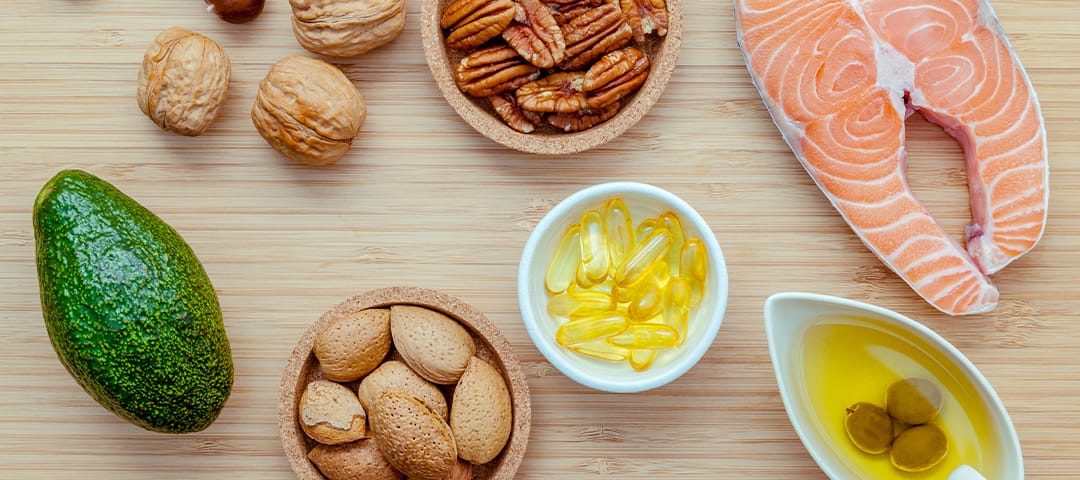
A study found a reduced risk of first-ever venous thromboembolism (VTE) among individuals who had high serum levels of omega-3 fatty acids in comparison with people who had low levels.1
Venous thromboembolism, which includes deep vein thrombosis and pulmonary (lung) embolism, occurs in nearly 10 million people worldwide each year.
“In this population-based cohort, higher serum omega-3 PUFA concentrations were associated with decreased risk of future incident overall venous thromboembolism,” authors Magdalena Johansson and colleagues concluded. They reported that the association was most pronounced for deep vein thrombosis and venous thromboembolism provoked by such incidents as surgery, trauma, heart attacks, and severe infections.
Among individuals whose serum omega-3 fatty acid levels were among the top one-third of subjects, the adjusted risk of developing a VTE during follow-up was 28% lower than the risk experienced by people whose omega-3 levels were among the lowest third. When provoked VTE events were analyzed, men and women who had an omega-3 level among the top third had a 38% lower risk of VTE and a 39% lower risk of deep vein thrombosis, compared with individuals whose omega-3 levels were among the lowest third.
The current investigation included 17,087 adults enrolled in the HUNT Study, a Norwegian follow-up study that conducts repeated health surveys of inhabitants of the Nord-Trøndelag region of Norway. Banked blood samples were analyzed in 2019 for total omega-3 polyunsaturated fatty acids. People in the current study enrolled between August 2007 and June 2008 and had no previous occurrence of VTE. Between enrollment and the end of 2019, 340 individuals had a first-ever VTE event, including 222 provoked VTEs. Deep vein thrombosis occurred among 150 men and women and pulmonary embolism occurred in 190 individuals.
Products


Apply What You've Learned: Venous Thromboembolism
- Venous thromboembolism is a term that encompasses deep vein thrombosis (DVT) and pulmonary embolism. Deep vein thrombosis occurs when a potentially dangerous blood clot forms in a deep vein, including lower leg, thigh, pelvic, or arm veins. DVTs can obstruct blood flow and are at risk of breaking loose and traveling through the veins. When a blood clot breaks free and travels to the lungs (where it can become lodged), it is called a pulmonary embolism.2
- Anticoagulation (“blood-thinning”) drugs are the main, and almost always the first, treatment for venous thromboembolism. Although a percentage of certain types of cases resolve without treatment, immediate initiation of therapy is common. In some cases, surgical excision of the clot may be necessary. 3 Approximately one-third of individuals who have a venous thromboembolism will develop another one within the following decade.4
- Besides omega-3 fatty acids and fish oil, other foods and nutrients may help reduce the risk of blood clots. These include Pycnogenol® from French maritime pine bark, nattokinase, and more.5,6 Foods that are abundant in a Mediterranean diet, including vegetables, fruits nuts seeds, legumes, fish, whole grains and olive oil, have been shown to have protective effects.7
- In addition to a healthy diet, regular physical activity helps lower venous thromboembolism risk.8
References
- Johansson M, Brækkan SK, Giskeødegård SK, et al. High concentrations of polyunsaturated n–3 fatty acids in serum are inversely associated with risk of future incident venous thromboembolism – the HUNT cohort study. Am J Clin Nutr. 2025 Oct 9.
- Deep Vein Thrombosis (DVT). https://www.uvmhealth.org/conditions-specialties/thrombosis-hemostasis/deep-vein-thrombosis-dvt Accessed 2025 Oct 31.
- Venous thromboembolism treatment. National Heart, Lung and Blood Institute. National Institutes of Health. 2022 Sep 20. https://www.nhlbi.nih.gov/health/venous-thromboembolism/treatment Accessed 2025 Oct 28.
- Venous thromboembolism recovery. National Heart, Lung and Blood Institute. National Institutes of Health. 2022 Sep 20. https://www.nhlbi.nih.gov/health/venous-thromboembolism/recovery Accessed 2025 Oct 28.
- Gulati OP. Pycnogenol® in chronic venous insufficiency and related venous disorders. Phytother Res. 2014 Mar;28(3):348-62. doi: 10.1002/ptr.5019.
- Weng Y, Yao J, Sparks S, et al. Nattokinase: an oral antithrombotic agent for the prevention of cardiovascular disease. Int J Mol Sci. 2017 Feb 28;18(3):523. doi: 10.3390/ijms18030523.
- Violi F, Pastori D, Pignatelli P, et al. Nutrition, thrombosis, and cardiovascular disease. Circ Res. 2020 May 8;126(10):1415-1442. doi: 10.1161/CIRCRESAHA.120.315892.
- Kunutsor SK, Mäkikallio TH, Seidu S, et al. Physical activity and risk of venous thromboembolism: systematic review and meta-analysis of prospective cohort studies. Eur J Epidemiol. 2020 May;35(5):431-442. doi: 10.1007/s10654-019-00579-2.

Health
Quiz

Health
Quiz
Related Life Extension Magazine® Articles

Lower Risks from Prolonged Sitting
Prolonged sitting is a major risk for deep vein thrombosis (DVT) or blood clot. Clinical data showed that, during long flights, two plant extracts reduced leg swelling 15% and prevented DVT.

Restore Healthy, Youthful-Looking Legs
Two flavonoids derived from citrus were found to improve vein health including varicose veins, and chronic venous insufficiency.
Highlight
AutoShip & Save
When it comes to supplements, it’s okay to play favorites. In fact, we reward you for reordering by offering an automatically discounted price and FREE shipping when you choose AutoShip & Save at checkout!
Learn MoreLife Extension Magazine® Issue Now Online

Neck pain is often caused by a variety of correctable lifestyle factors. A new clinical study showed that two plant compounds reduced neck pain and stiffness by targeting underlying inflammatory mechanisms.
Magtein® is protected under a family of patents, pending patents, and is protected worldwide. Magtein® is a trademark of and is licensed exclusively by ThreoTech LLC.

