


Life Extension Newsletter

Life Extension Newsletter
Higher folate and vitamin D levels appear protective against premature mortality risk associated with phthalate metabolite and bisphenol A exposure
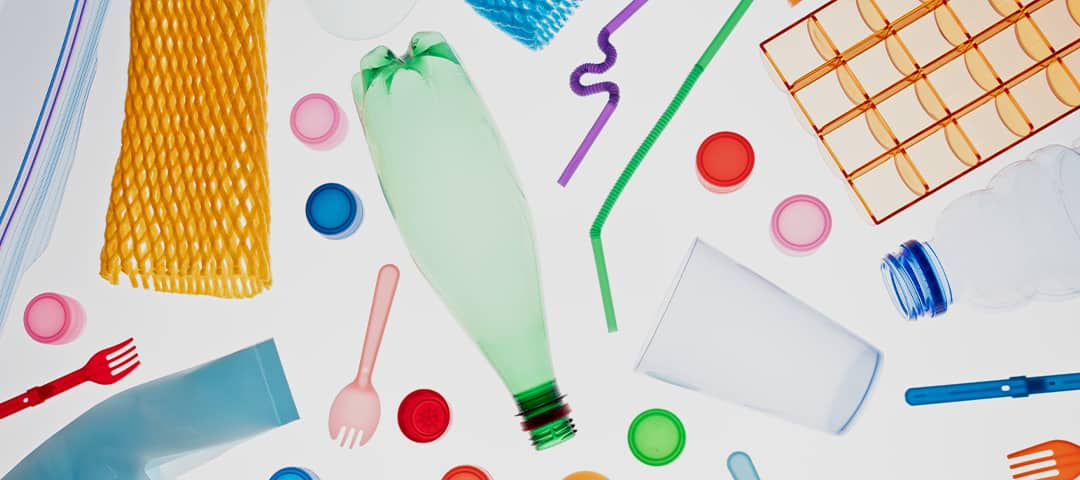
Plasticizers are chemicals found in cosmetics, food packaging and other sources that improve plastics’ durability and flexibility. In the December 2025 issue of The Lancet Planetary Health, researchers reported an association between greater exposure to a mixture of common plasticizers and an increased risk of cardiovascular mortality, cancer mortality and mortality from any cause during an average 8.5-year follow-up period.1 However, the risk was only found among a group of individuals who had the lowest red blood cell folate and serum vitamin D levels.
“Although humans are exposed to complex mixtures of plasticizer chemicals that share common exposure sources and can interact with each other, leading to synergistic or antagonistic actions, no previous study has examined the contribution of plasticizer mixture exposure to mortality risk,” authors Yu Zhang, PhD, and colleagues announced.
The study found that exposure to a mixture of eight phthalate metabolites and bisphenol A was associated with a greater risk of cancer, cardiovascular disease and all-cause mortality during follow-up. This association was observed only among individuals whose red blood cell folate and serum vitamin D levels were among the lowest one-third of people included in the study. “These findings highlight the enormous health burden posed by human exposure to plastic-associated chemicals, urging efforts to intervene and reduce exposure levels, optimize folate and vitamin D status, and regulate chemicals on a mixture basis,” Dr. Zhang and associates wrote. They suggested that the vitamins may act by counteracting oxidative stress associated with plasticizer exposure.
The study included 8,378 adults enrolled in the US National Health and Nutrition Examination Survey 2005–16. Researchers divided the individuals in the study into thirds according to their urinary levels of eight phthalate metabolites plus bisphenol-A. During the 8.5-year follow-up period, 633 deaths occurred. At least 10% of total deaths were associated with each one-third increase in urinary levels of the plasticizer mixture.
Products
Apply What You’ve Learned: Plasticizers
- Plasticizers are chemical additives, including two major groups known as phenols and phthalates, which are used to enhance the durability and flexibility of plastic materials.1 These plasticizer phenols are not to be confused with phenols that naturally occur in plants (polyphenols), which have healthy effects.
- Plasticizers are found in food containers, toys, medicines, building materials, electronic devices, cosmetics, perfumes and personal care items.2 People may ingest plasticizers through food consumption, breathing or skin contact.3
- Some phenols and phthalates disrupt the human endocrine system and have been linked with cancer and cardiometabolic diseases.1
- To reduce exposure to chemicals in plastic, avoid plastic food storage containers and avoid heating them in a microwave oven or using them to store hot food. Fast food, which has high levels of plasticizers, should also be avoided. Focus on fresh food that is minimally processed. Use glass or steel water bottles rather than plastic.4
References
- Zhang Y, Sun Q, Wang YX, et al. Plasticisers chemical mixture, vitamin status, and mortality in US adults: a prospective population-based cohort. Lancet Planet Health. 2025 Dec;9(12):101394. doi: 10.1016/j.lanplh.2025.101394.
- Huang PC, Chou WC. Unveiling the hidden dangers of plasticizers: a call for immediate action. Toxics. 2023 Jun 12;11(6):527. doi: 10.3390/toxics11060527.
- Eales J, Bethel A, Galloway T, et al. Human health impacts of exposure to phthalate plasticizers: An overview of reviews. Environ Int. 2022 Jan:158:106903. doi: 10.1016/j.envint.2021.106903.
- Friedman LF. How to reduce your exposure to plastic in food (and everywhere else). Consumer Reports. 2024 Jan 4. https://www.consumerreports.org/health/food-contaminants/how-to-reduce-exposure-to-plastic-in-food-everywhere-else-a9640874767/ Accessed 2025 Jan 7.

Health
Quiz

Health
Quiz
Related Life Extension Magazine® Articles

Testing for Toxins and Pollutants in Your Body
Three billion pounds of toxic chemicals were released into the environment in 2021. An at-home urine test can measure harmful toxins to determine one’s need for detoxification.

Environmental Toxins and Cancer Risk
We are surrounded by environmental toxins that lead to DNA damage and cancer. Compelling studies show how specific nutrients can protect and help counteract these harmful chemicals.
Highlight
Life Extension Magazine® Issue Now Online

Neck pain is often caused by a variety of correctable lifestyle factors. A new clinical study showed that two plant compounds reduced neck pain and stiffness by targeting underlying inflammatory mechanisms.

