


Life Extension Newsletter

Life Extension Newsletter
Review identifies nutrients that may help individuals formerly treated with GLP-1 receptor agonists
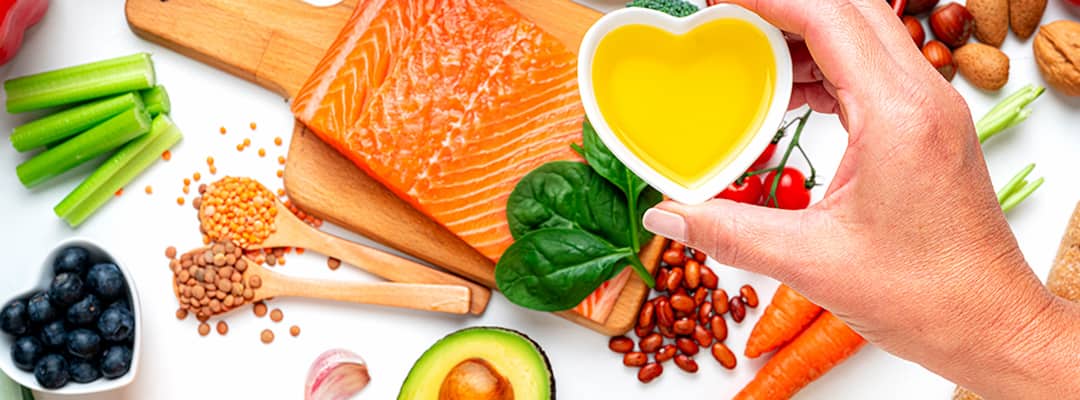
People who discontinue using glucagon-like peptide-1 receptor agonist (GLP-1 RAs) medications often experience increased appetite and weight regain: challenges that can be helped with the addition of specific nutrients plus lifestyle improvements, according to a review published on July 3, 2026, in The Journal of Nutrition.1
GLP-1Ras have revolutionized weight management. While GLP-1RA prescriptions have significantly increased, more than half of the people who have been prescribed these medications discontinue their use within the first year of treatment due to side effects and high cost. "Traditional dietary recommendations to maintain weight loss include eating breakfast, eating minimally processed foods, choosing foods higher in protein, fiber, and nutrients, and controlling portions and calorie intake," review author Brittany V. B. Johnson, PhD, RDN, wrote. "A sole focus on only food intake misses opportunities to optimize long-term weight management."
She noted that green tea extract, green coffee bean extract and caffeine have been found to be generally safe and helpful for maintaining a healthy weight. Thermogenic ingredients, which may increase calorie expenditure, include capsaicinoids, the active components of chili peppers. Whey protein has been found to reduce hunger, weight and fat mass, in addition to helping support a higher protein need for weight maintenance. Fiber can reduce calorie intake during meals by improving satiety and reducing appetite.
A meta-analysis of 21 randomized, controlled trials found that alpha-lipoic acid was associated with a reduction in body mass index (BMI) and supported healthy weight. Alpha-lipoic acid, as well as mulberry leaf extract, cinnamon and vitamin D, are nutrients that improve glycemic control. Chromium picolinate helps stabilize blood glucose, aids in appetite control, and supports healthy body weight and BMI in overweight individuals.
"Lifestyle behaviors focused on healthy diets and exercise should lay the foundation for preventing weight gain," Dr Johnson recommended. She concluded that dietary additions "could potentially serve as an adjunct tool for patients transitioning off GLP-1RA treatments."
Products

Apply What You’ve Learned: GLP-1RAs
Glucagon-like peptide-1 receptor agonist (GLP-1RA) drugs are medications originally approved for the treatment of type 2 diabetes. Some GLP-1RA drugs are also approved for weight management in obese or overweight individuals, who are at risk of developing type 2 diabetes. For example, semaglutide is a GLP-1RA marketed under the name of Ozempic® for type 2 diabetes and as Wegovy® for weight management.
While GLP-1RAs have been life-changing for many individuals, side effects have led to their discontinuance among a significant percentage of users. Possible gastrointestinal side effects include nausea, vomiting, diarrhea, constipation, abdominal pain, pancreatitis and bowel obstruction.2,3 Standard of care guidelines recommend gradually ascending from a low dose of GLP-1RAs to minimize the risk of experiencing these effects.4
Nutrient combinations may be helpful for people who have discontinued GLP-1RAs or for anyone else who seeks healthy weight management. Two studies that were not conducted in the context of GLP-1RA discontinuation show the promise of this approach. In a randomized, double-blind trial, lemon verbena plus hibiscus given to 26 overweight or obese women for eight weeks improved weight, abdominal circumference and body fat percentage compared with a placebo group of 20 participants. No participants had adverse effects.5 Another randomized, double-blind study in which 29 overweight men and women were given a combination of Indian Sphaeranthus indicus and mangosteen extracts and 28 overweight participants received a placebo for 16 weeks, reductions in weight, BMI, and waist and hip measurements occurred among those who received the nutrients compared with the placebo, again with no related adverse events.6
References
- Johnson BVB. Considerations for dietary Supplements after GLP-1RA treatment: a narrative review. J Nutr. 2026 Jul 3:101695.
- Sodhi M, Rezaeianzadeh R, Kezouh A. Risk of Gastrointestinal adverse events associated with glucagon-like peptide-1 receptor agonists for weight loss. JAMA. 2023 Nov 14;330(18):1795-1797.
- Rodriguez PJ. Zhang V, Gratzl S, et al. Discontinuation and reinitiation of dual-labeled GLP-1 receptor agonists among US adults with overweight or obesity. JAMA Netw Open. 2025 Jan 2;8(1):e2457349.
- Gruvald E, Shah R, Hernaez R, et al. AGA Clinical Practice Guideline on pharmacological interventions for adults with obesity. Gastroenterology. 2022 Nov;163(5):1198-1225.
- Herranz-López M, Olivares-Vicente M, Boix-Castejón M, et al. Differential effects of a combination of Hibiscus sabdariffa and Lippia citriodora polyphenols in overweight/obese subjects: A randomized controlled trial. Sci Rep. 2019 Feb 28;9(1):2999.
- Kudiganti V, Kodur R, Kodur S, et al. Efficacy and tolerability of Meratrim for weight management: a randomized, double-blind, placebo-controlled study in healthy overweight human subjects. Lipids Health Dis. 2016 Aug 24;15(1):136.
Related Life Extension Magazine® Articles

GLP-1 Agonists for Diabetes, Obesity, and Heart Health
GLP-1 agonist drugs have emerged as game changers in controlling blood sugar and body weight. Clinical trials show that they also result in a 20% reduction in cardiovascular events and death.

Curb Hunger to Lose Weight
In a clinical trial of overweight adults, taking a blend of plant extracts, along with a modest diet and exercise program, led to close to 5% weight loss in just two months.
Highlight
Health Topics: Wellness Starts Here
Living your longest, healthiest life starts with making the right choices every day—from what you eat, to whether you exercise, to how you manage stress. Life Extension is proud to be your partner as you navigate this journey.
Learn MoreLife Extension Magazine® Issue Now Online

Neck pain is often caused by a variety of correctable lifestyle factors. A new clinical study showed that two plant compounds reduced neck pain and stiffness by targeting underlying inflammatory mechanisms.


