


Life Extension Newsletter

Life Extension Newsletter
Creatine, with or without exercise and healthy diet, boosts muscle strength, endurance, and more in middle-aged and older adults
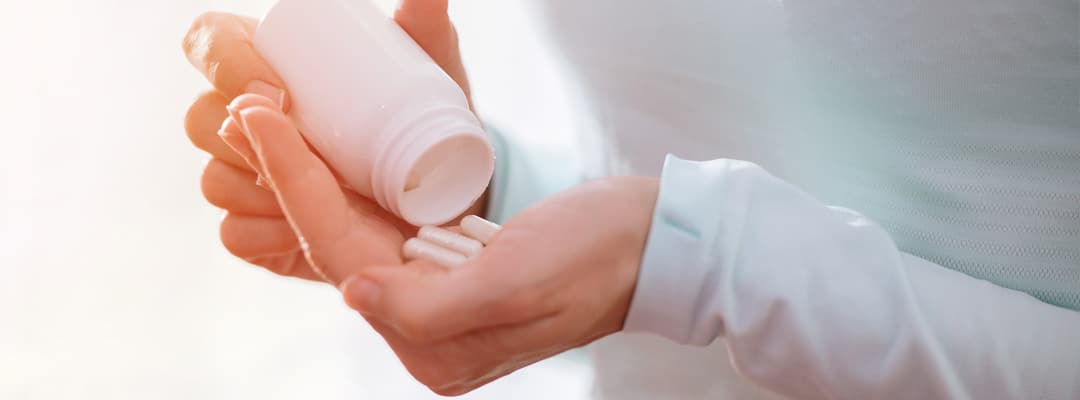
A clinical trial found improvements in muscle and more among healthy men and women between 45 and 65 years of age who consumed 12 weeks of creatine monohydrate, a nutrient commonly used for improved stamina and strength.1
Participants who were given creatine and followed their normal diet and activity levels had greater lean tissue mass, strength and muscular endurance at the end of the study in addition to beneficial changes in certain blood lipids, hemoglobin A1c (a marker of long-term glucose control) and markers of memory and cognitive function. Individuals who received creatine in addition to participating in an exercise program and a diet program that reduced energy intake by 300–500 calories per day also experienced increases in lean tissue mass, strength, and muscular endurance, as well as a reduction in body fat percentage and improvements in markers of memory and cognitive function. However, authors Jisun Chun and colleagues at Texas A&M University noted that "individual cognitive and metabolic findings are exploratory and require confirmation."
"The main findings of this study are that creatine monohydrate supplementation during exercise and a diet-induced weight-loss program increased lean tissue mass and promoted a greater reduction in body fat percentage than in participants in the no exercise-plus-placebo and exercise-plus-placebo groups," they reported. "Additionally, creatine monohydrate supplementation without exercise training increased lean tissue mass and strength."
Trial participants consisted of 64 untrained men and women, including 38 participants in a supervised resistance and aerobic training program who were assigned to a reduced calorie diet. Among those participating in the exercise and diet programs, 20 were given five grams of creatine monohydrate twice per day and the remainder received a placebo. Among participants who did not take part in the exercise and diet program, 13 received creatine monohydrate and 13 received a placebo. Body mass, resting heart rate and blood pressure, dietary intake, daily physical activity, resting metabolic rate, body composition, muscle strength and endurance, peak aerobic capacity, cognitive function, memory, mood, health-related quality of life, and laboratory values were assessed at the beginning of the study, and at six and twelve weeks. The findings were reported August 11, 2026, in the Journal of the International Society of Sports Nutrition.
Products
Apply What You’ve Learned: Exercise Enhancement
- In addition to helping maintain physical function, exercise supports healthy weight and glucose levels, cardiovascular health, immune function, bone health, cognitive function, positive mood and other aspects of wellness.
- We all know that exercise is good for us, but how much do we need and how do we get the most out of it? According to the U.S. Department of Health and Human Services Physical Activity Guidelines for Americans, second edition, adults need 150–300 minutes of moderate-intensity aerobic (cardio) activity or 75–150 minutes of vigorous aerobic activity (or a combination of both) per week.2
- An ideal exercise program includes cardio, muscle strengthening, balance and flexibility exercises. These exercises are helpful in slowing some of the physical decline that occurs with aging and benefit younger individuals as well. If you have health concerns, consult your physician before beginning an exercise regimen.
- Additional nutrients that support exercise performance and/or recovery include L-carnitine, branched chain amino acids, whey protein, HMB and others.3-6
References
- Chun J, Liu Y, Kibler GL, et al. Effects of creatine supplementation with and without exercise and diet intervention on body composition, cognitive function, and markers of health in middle-aged and older adults. J Int Soc Sports Nutr. 2026 Aug 21;23(sup1):2716273.
- U.S. Department of Health and Human Services. Physical Activity Guidelines for Americans, 2nd edition. Washington, DC: U.S. Department of Health and Human Services; 2018. https://odphp.health.gov/sites/default/files/2019-09/Physical_Activity_Guidelines_2nd_edition.pdf Accessed 2026 Aug 25.
- Stefan M, Sharp M, Gheith R, et al. L-carnitine tartrate supplementation for 5 weeks improves exercise recovery in men and women: a randomized, double-blind, placebo-controlled trial. Nutrients. 2021 Sep 28;13(10):3432.
- Lian C, Wang Y, Li J, et al. Branched-chain amino acid supplementation enhances substrate metabolism, exercise efficiency and reduces post-exercise fatigue in active young males. Nutrients. 2025 Apr 7;17(7):1290.
- Liao CD, Huang SW, Chen HC, et al. Comparative efficacy of different protein supplements on muscle mass, strength, and physical indices of sarcopenia among community-dwelling, hospitalized or institutionalized older adults undergoing resistance training: a network meta-analysis of randomized controlled trials. Nutrients. 2024 Mar 25;16(7):941.
- Meza-Valderrama DM, Sánchez-Rodríguez D, Messaggi-Sartor M, et al. Supplementation with β-hydroxy-β-methylbutyrate after resistance training in post-acute care patients with sarcopenia: A randomized, double-blind placebo-controlled trial. Arch Gerontol Geriatr. 2024 Apr:119:105323.

Related Life Extension Magazine® Articles

Boost Physical and Mental Energy
Clinical trials showed that creatine boosted workout capacity, while carnitine increased energy, muscle mass, and cognitive function scores.

In the News: Creatine May Improve Cognition in Alzheimer’s Patients
Creatine improved cognition in Alzheimer’s patients; melatonin improved multiple sclerosis symptoms; how statins help prevent cancer; curcumin improved GI symptoms in obese women.
Life Extension Magazine® Issue Now Online

Neck pain is often caused by a variety of correctable lifestyle factors. A new clinical study showed that two plant compounds reduced neck pain and stiffness by targeting underlying inflammatory mechanisms.


