


Life Extension Newsletter

Life Extension Newsletter
Review concludes Mediterranean diet, curcumin, lemon verbena/hibiscus hold promise for weight management
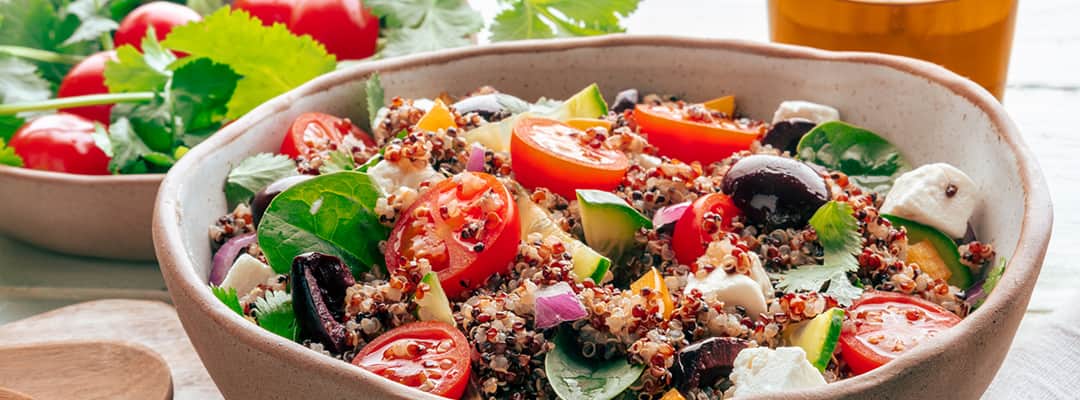
A review of 61 studies that examined the effects of plant-based interventions in overweight or obese individuals concluded that a green-Mediterranean diet, curcumin, and a combination of the herbs lemon verbena and hibiscus were among plant-based therapies that demonstrated clinically meaningful metabolic improvements. "This study aims to identify the most effective plant-based strategies for combating obesity based on clinical trials, while also examining how the intake of plants or plant-derived extracts can complement pharmacological treatments to enhance therapeutic efficacy and mitigate the rebound weight gain that frequently follows the cessation of anti-obesity drugs," Aurelian Vasile and colleagues wrote in the journal Nutrients.1
GLP-1 receptor agonists that mimic the hormone GLP-1's beneficial action in blood glucose regulation and appetite reduction are popular drugs for weight management. While effective, the drugs may be associated with gastrointestinal adverse effects and loss of muscle mass during long-term treatment.
The reviewers determined that versions of a Mediterranean diet, curcumin, and bergamot fruit polyphenols showed high effectiveness in the management of obesity. A combination of polyphenolic extracts from lemon verbena (Lippia citriodora) and hibiscus (Hibiscus sabdariffa) additionally showed high efficacy for weight management and significantly increased levels of GLP-1 when administered for two months.
In their discussion of the findings, Vasile and associates noted that polyphenols act as prebiotics to support beneficial gut bacteria and inhibit pathogens, resulting in increased production of short-chain fatty acids that bind to intestinal receptors to stimulate the secretion of GLP-1 and PYY, a hormone that signals fullness and helps regulate appetite.
"Plant-derived bioactive compounds offer a safe, accessible adjunctive strategy for obesity management, particularly relevant for patients ineligible for or discontinuing pharmacotherapy," they concluded. "Future clinical trials should directly evaluate plant-polyphenol combinations alongside GLP-1 receptor agonists to establish synergistic protocols and address the current treatment gap."
Products

Apply What You’ve Learned: Type 2 Diabetes
- Up to 95% of diabetes cases are type 2 diabetes. Unlike type 1, most cases of type 2 diabetes develop slowly. Many individuals are not aware that they are affected by the disease until a blood test reveals high glucose. This emphasizes the importance of regular blood testing as a part of a wellness regimen.
- Symptoms of type 2 diabetes include frequent urination, excessive thirst and/or hunger, fatigue, blurred vision, slow wound healing, and tingling, pain or numbness of the hands and/or feet. Early diagnosis and treatment of diabetes lower the risk of diabetes complications. Treatment includes a healthy eating plan, regular physical activity and, for some individuals, oral medications such as metformin or injectable medications.2
- Being overweight can impair glucose and insulin metabolism. Insulin is a hormone produced by the pancreas that moves glucose from the blood into the body's cells. Early type 2 diabetes is characterized by insulin resistance, in which cells don't respond as they should to the hormone. Later in the disease, insulin-producing cells of the pancreas begin to stop producing insulin, resulting in a need for insulin treatment in the affected individual to maintain healthy glucose levels.
- Helpful nutrients for people with type 2 diabetes include, but are not limited to, insulin sensitizers like chromium, inhibitors of the enzyme alpha-glucosidase such as white mulberry leaf (which helps reduce the severity of post-meal elevations of glucose), oxidative stress inhibitors like resveratrol, and nutrients that support a healthy inflammatory response, including curcumin.3-6
References
- Vasile A, Anghel A, Trasca TI, et al. Beyond GLP-1 agonists: plant-derived bioactive compounds as adjunctive strategies for obesity management. Nutrients. 2026 Jul 10;18(14):2266.
- American Diabetes Association. https://diabetes.org/about-diabetes/type-2 Accessed 2026 Aug 10.
- Babakr AT, Mukhtar MH, Ali ASE, et al. Chromium as a modulator of insulin receptor activity: a systematic review of its role in metabolic syndrome and type 2 diabetes. Diabetes Metab Syndr Obes. 2026 May 15:19:581925.
- Tian JL, Zhao M, Xu JY, et al. Inhibitory mechanism of prenylated flavonoids isolated from mulberry leaves on α-glucosidase by multi-spectroscopy and molecular dynamics simulation. J Agric Food Chem. 2023 Jun 14;71(23):9135-9147.
- Mahjabeen W, Khan DA, Mirza SA. Role of resveratrol supplementation in regulation of glucose hemostasis, inflammation and oxidative stress in patients with diabetes mellitus type 2: A randomized, placebo-controlled trial. Complement Ther Med. 2022 Jun:66:102819.
- Mokgalaboni K, Mashaba RG, Phoswa W, et al. Curcumin attenuates hyperglycemia and inflammation in type 2 diabetes mellitus: quantitative analysis of randomized controlled trial. Nutrients. 2024 Nov 30;16(23):4177.

Related Life Extension Magazine® Articles
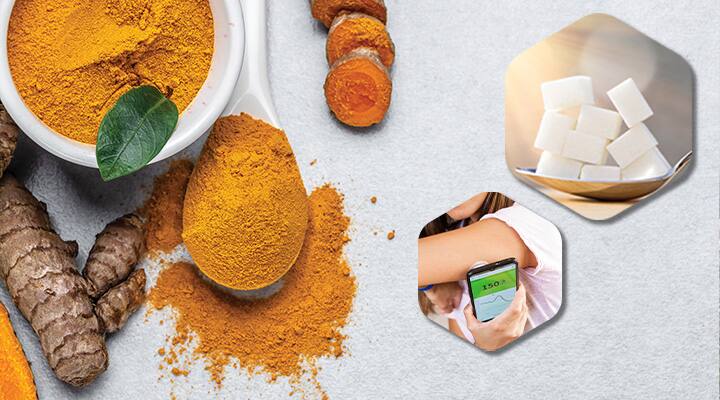
Curcumin’s Multiple Diabetes Benefits
In clinical trials curcumin reduces many risk factors for type II diabetes including insulin resistance.

In the News: CoQ10 May Help Prevent Diabetes in Statin-Treated Individuals
CoQ10 lowered diabetes risk in statin users; black cumin Page 7 linked to reduced inflammatory markers; L-carnitine and alpha-linolenic acid improved migraines in women; magnesium lowered 28-day mortality risk in heart failure patients.
Life Extension Magazine® Issue Now Online

Neck pain is often caused by a variety of correctable lifestyle factors. A new clinical study showed that two plant compounds reduced neck pain and stiffness by targeting underlying inflammatory mechanisms.


