


What's hot

What's hot
News flashes are posted here frequently to keep you up-to-date with the latest advances in health and longevity. We have an unparalleled track record of breaking stories about life extension advances.
- Calcium normalization associated with improved blood pressure
- NAC shows promise for genetically induced brain disorders in preclinical investigation
- JAMA journal reports vitamin D helps skin recover from chemo, radiation effects
- Curcumin shows promise for rare soft tissue cancer
- Higher omega-3 associated with lower risk of kidney disease progression, premature mortality
- Meta-analysis affirms melatonin relieves musculoskeletal pain
- Vitamin B3 helps prevent open-angle glaucoma in JAMA study
- Study suggests more than half the U.S. population may be low in omega-3
- Longer telomeres, longer life
- Added nutrients have stronger impact on nutritional biomarker variance than diet
- Coffee supports liver health
- Probiotic Activates Anti-Cancer Immunity
Calcium normalization associated with improved blood pressure
July 27 2026. Study findings reported June 19, 2026, in BMC Nutrition revealed a reduction in blood pressure among women with hypertension and low serum calcium who were given calcium carbonate.
 July 27 2026. Study findings reported June 19, 2026, in
 The study included 300 postmenopausal women diagnosed with hypertension by having two blood pressure measurements of 140 mmHg or higher systolic pressure and 90 mmHg diastolic blood pressure. Participants were instructed to consume 500 milligrams calcium carbonate twice per day along with their standard blood pressure medications for three months. Serum calcium levels and blood pressure were assessed at the beginning and end of the study.
After three months, 157 participants had normal serum calcium levels. Researchers Ahmed Farouk Alaarag, MD, PhD, and colleagues compared women who achieved normal serum calcium with those whose calcium levels did not normalize. While both groups had reductions in systolic and diastolic blood pressure following treatment, women with normalized calcium at the end of the study had significantly lower systolic and diastolic blood pressure compared with those who experienced persistent low serum calcium concentrations. More women who achieved normalized calcium met target blood pressure goals defined as systolic blood pressure of less than 130 mmHg and diastolic blood pressure of less than 80 mmHg, compared with women who had persistent low calcium levels.
"Mean systolic blood pressure and diastolic blood pressure were lower at the end of the study in those with normocalcemia than those with persistent hypocalcemia by 3.52 mmHg in systolic blood pressure and 2.11 mmHg in diastolic blood pressure," Dr Alaarag and colleagues reported. "Even this minimal reduction in blood pressure in different clinical trials was associated with reduced mortality from coronary artery and cerebrovascular disease."
"Use of calcium . . . to achieve normocalcemia in postmenopausal women with hypertension may improve their response to antihypertensive medication and help in achieving target blood pressure goals, which will help to reduce their future cardiovascular risk," they concluded.
—D Dye
NAC shows promise for genetically induced brain disorders in preclinical investigation
July 29 2026. Research findings reported June 19, 2026, in Disease Models and Mechanisms suggest a way to improve brain function in people with a genetic abnormality that increases the risk of schizophrenia, autism spectrum disorder and other conditions. The mutation—22q11.2 deletion syndrome—is the second most common genetic deletion disorder, affecting one in every 2,000–4,000 births.
 July 29 2026. Research findings reported June 19, 2026, in
 Following the identification of oxidative stress within brain cells as a contributor to abnormal brain development in mice affected by 22q11.2 deletion, researchers determined that giving the animals the antioxidant nutrient N-acetylcysteine (NAC), which crosses the blood-brain barrier, helped brain cells known as neurons grow and connect.
While not restoring genes affected by 22q11.2 deletion, NAC activated another gene network that allowed neurons to develop more normally. "That was surprising because the assumption behind most therapies is that you have to restore gene expression to its normal ground state," corresponding author Anthony-Samuel LaMantia, PhD, of Virginia Tech-Carilion School of Medicine remarked. "Our findings suggest that may not always be possible or even necessary. There can be therapeutic benefits from taking an alternate route."
"Think of it as a detour around a network of winding roads where several trees have fallen," Dr LaMantia explained. "The detour still gets you to your destination even though the original route remains blocked. In this case, the therapy activates a different set of genes that helps neurons form functional brain circuits despite the genetic deletion."
"Gene networks are remarkably flexible," he added. "We may be able to develop therapies that engage that flexibility instead of trying to correct a specific genetic or molecular disruption that may be too difficult to manipulate directly."
—D Dye
JAMA journal reports vitamin D helps skin recover from chemo, radiation effects
July 27 2026. An article published in the American Medical Association journal JAMA Dermatology reported the finding of rapid symptomatic skin relief following chemotherapy or radiation for cancer among individuals who received high dose oral vitamin D.
 July 27 2026. An article published in the American Medical Association journal
 "Severe cutaneous toxic effects from chemotherapy and radiation pose substantial challenges due to limited treatment options and the need to continue oncologic therapy," authors Mihir K. Patil of the University of Illinois at Urbana-Champaign and colleagues remarked. "Vitamin D, a fat-soluble hormone involved in calcium homeostasis and bone metabolism, has shown therapeutic potential for these toxic effects."
The case series included 33 cancer patients with toxic erythema (skin redness) from chemotherapy or acute radiation dermatitis. Patients received one or two doses of 100,000 international units (IU) of vitamin D.
Subjective symptom relief was reported by 26 individuals within 10 days of treatment. Twenty-three patients experienced improvement that was confirmed by a clinician. The group's median time to improvement was five days. Among the 12 participants who were inpatients, time to improvement was three days. Twenty-four patients were able to continue their anticancer therapies without interruption.
No significant changes in serum calcium levels or adverse effects were reported in association with vitamin D.
"As cancer treatments grow increasingly complex, incorporating high-dose vitamin D into supportive care protocols may minimize treatment interruptions, mitigate cutaneous toxic effects, and improve patient outcomes," the authors concluded. "High-dose vitamin D warrants further exploration to define its role in the evolving oncodermatology landscape, where rapid, effective, and safe interventions are urgently needed, particularly for toxic effects from chemotherapy and radiation."
—D Dye
Curcumin shows promise for rare soft tissue cancer
July 22 2026. Research findings reported June 2, 2026, in the International Journal of Molecular Sciences suggest a role for curcumin and other natural compounds in the treatment of fibrosarcoma, a soft tissue cancer that originates in fibrous connective tissue including ligaments, tendons and, sometimes, bone.
 July 22 2026. Research findings reported June 2, 2026, in the
 Julita Kulbacka, PhD, of Wroclaw Medical University in Poland and colleagues investigated the effects of curcumin and four other compounds that had a history of use in traditional medicine for proliferative conditions. The compounds modulate nuclear factor kappa B (NF-KB) signaling, which is involved in inflammation. "NF-κB acts like a central control switch that integrates cellular stress signals and determines whether a cell activates inflammatory pathways, fights for survival or changes its metabolism," Dr Kulbacka explained.
Evaluation of the compounds' effects in fibrosarcoma cells revealed that they disrupted function of the mitochondria, which are cellular organelles that produce energy. Levels of the energy molecule ATP were reduced by 83%–92% in treated cancer cells. All compounds significantly induced cellular senescence (a state in which cells stop dividing) in fibrosarcoma cells, which suggests inhibition of tumor growth. Curcumin was associated with an approximate 3.2-fold increase in the proportion of senescent cells compared with untreated cells.
Mitophagy, the process used by cells to remove damaged mitochondria, was enhanced by three of the compounds, including berberine, curcubitacin E and CAPE (caffeic acid phenethyl ester, a component of bee propolis). "Berberine, cucurbitacin E and CAPE enhanced PINK1/PARKIN-dependent mitophagy in fibrosarcoma cells," Dr Kulbacka elaborated. "Combined with the marked reduction in ATP levels, this indicates not a protective response but an overwhelmed adaptive mechanism leading to cellular senescence and death."
"Our findings come from laboratory experiments and preliminary tests in wax moth larvae," she noted. "The next step is to evaluate these compounds in more advanced in vivo models and to better understand their mechanisms of action, optimal dosing and delivery methods."
—D Dye
Higher omega-3 associated with lower risk of kidney disease progression, premature mortality
July 20 2026. A study reported May 30, 2026, in the journal Nutrients revealed a lower risk of kidney disease progression, cardiovascular events including myocardial infarction (heart attack) or stroke, and mortality from all causes during a decade of follow-up among adults with chronic kidney disease who had high blood levels of omega-3 polyunsaturated fatty acids.
The study included 77 men and women treated for chronic kidney disease who had not received renal replacement therapy (dialysis, kidney transplant) ten years prior to the current investigation when blood fatty acid profiles were analyzed. During the ten-year follow-up, 23 patients developed the need for renal replacement therapy, nine had heart attacks, six had strokes and five deaths occurred. People who experienced these outcomes had a lower median level of omega-3 fatty acids, including EPA, DHA and ALA, compared with patients who had higher levels.
When individual outcomes were analyzed, median EPA levels were significantly lower among patients who started renal replacement therapy compared with those who did not initiate therapy. A higher omega-3/omega-6 ratio was associated with improved event-free survival. People who experienced heart attack or stroke had significantly higher median levels of omega-6 polyunsaturated fatty acids compared with individuals who had not experienced these conditions. Studies have suggested that high levels of omega-6 fatty acids may be associated with an increase in the risk of cardiovascular disease.
The authors remarked that adding omega-3 fatty acids to the diet may lower the risk of progression to end-stage kidney disease due to an ability to support healthy lining of the blood vessels, blood pressure and oxidative stress levels.
They concluded that their findings “demonstrate that lower serum omega-3 polyunsaturated fatty acid levels were associated with adverse long-term outcomes, including stroke, myocardial infarction, initiation of renal replacement therapy, and death among patients with chronic kidney disease.”
—D Dye
Meta-analysis affirms melatonin relieves musculoskeletal pain
July 17 2026. A systematic review and meta-analysis published June 30, 2026, in the journal Pain found a benefit for melatonin, a hormone that supports sleep, in the management of musculoskeletal pain, including low back pain and osteoarthritis.
 July 17 2026. A systematic review and meta-analysis published June 30, 2026, in the journal
 "Musculoskeletal pain negatively affects sleep, and vice versa—with this bidirectional relationship being consistently documented in the literature," authors Kangchao Wu of the University of Sydney and colleagues explained. "Pain often causes discomfort and activates stress responses, making it harder to fall and stay asleep. Conversely, sleep disturbance heightens pain severity and pain sensitivity by increasing the concentration of substances (e.g. interleukin-1β, interleukin-6, and tumor necrosis factor-alpha) that promote inflammation and disrupt central pain inhibitory mechanisms."
The systematic review included 23 randomized, controlled trials that enrolled a total of 2,208 participants experiencing chronic or postoperative musculoskeletal pain. Meta-analysis of nine trials that investigated the effect of melatonin in people with chronic musculoskeletal pain revealed significant pain relief when compared with control groups treated with pain medications such as diclofenac. Melatonin additionally supported sleep in this population. When the results of studies that examined postoperative musculoskeletal pain were analyzed, melatonin was associated with a significant reduction in pain compared with a placebo and showed similar effects as analgesic and nonanalgesic drugs.
In their discussion of the current findings, Wu and colleagues noted that melatonin engages receptors that reduce neuron excitability and neuropathic pain.
"Melatonin may provide modest benefits for pain in people with chronic musculoskeletal pain, while evidence in postoperative pain remains limited," they concluded. "Melatonin may be considered as a potential adjunct rather than a primary treatment, pending randomized controlled trials with standardized dosing and longer follow-ups."
—D Dye
Vitamin B3 helps prevent open-angle glaucoma in JAMA study
July 15 2026. A study reported July 9, 2026, in JAMA Ophthalmology found an association between the addition of a form of vitamin B3 known as nicotinamide to the diet and prevention or delay of the development of primary open-angle glaucoma, the most common form of glaucoma, which is the second leading cause of blindness.
 July 15 2026. A study reported July 9, 2026, in
 "Glaucoma has been increasingly recognized as a metabolic neurodegenerative disease, wherein the age-related depletion of nicotinamide adenine dinucleotide renders retinal ganglion cells acutely vulnerable to bioenergetic failure and metabolic stress," Jawad Muayad, MD, and colleagues wrote. "Clinical interest in systemic nicotinamide (vitamin B3) . . . has focused primarily on its neuroprotective capacity to rescue compromised retinal ganglion cells and enhance visual function in patients with established glaucoma. However, its potential utility as a prophylactic intervention, aimed specifically at preventing the initial conversion from ocular hypertension to primary open-angle glaucoma before irreversible structural damage occurs, represents a distinct, novel approach to managing glaucoma."
The study included 2,920 men and women with ocular hypertension (elevated pressure within the eye) which is a primary risk factor for developing primary open-angle glaucoma. Nicotinamide was used by 1,460 patients who were matched with an equal number of subjects who were not using the vitamin.
During an average follow-up period of 3.7 years, primary open-angle glaucoma developed among 3.5% of people who were using nicotinamide and 9.0% of the group who were not using nicotinamide. Among those who were using the vitamin, 13.6% developed the need for topical intraocular pressure-reducing medication compared with 21.2% of the control group. The need for laser trabeculoplasty, a procedure that improves fluid drainage from the eye, developed in 0.8% of nicotinamide users as opposed to 1.9% of non-users.
"By potentially delaying primary open angle diagnosis and decreasing the rate of subsequent prescribed interventions, nicotinamide represents a potential adjunctive strategy complementary to standard therapy," the authors concluded.
—D Dye
Study suggests more than half the U.S. population may be low in omega-3
July 13 2026. The June 2026 issue of the American Society for Nutrition journal Current Developments in Nutrition reported the finding of low blood levels of omega-3 fatty acids in over half of a representative sample of the U.S. population.
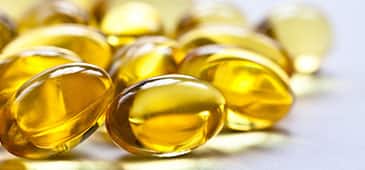 July 13 2026. The June 2026 issue of the American Society for Nutrition journal
 The intake of fish and additional omega-3 fatty acids directly impact the risk of coronary artery disease mortality, authors Carissa D. Powers of the U.S. Centers for Disease Control and Prevention (CDC) and colleagues noted.
The current investigation included 7,213 males and females aged six years and older who participated in the National Health and Nutrition Examination Survey (NHANES) August 2021 to August 2023 cycle. NHANES is an ongoing survey of U.S. residents conducted by the CDC's National Center for Health Statistics. Participants' dietary and additional nutrient intake information was collected during telephone interviews. Omega-3 Index values, defined as the sum of the omega-3 fatty acids EPA and DHA as a percentage of total fatty acids in red blood cell membranes, were measured in blood samples collected during participant health examinations. Values were categorized as undesirable, intermediate or optimal, which were respectively associated with high, intermediate or low coronary artery disease risk.
Fifty-four percent of the individuals in the study had an undesirable Omega-3 Index. Being a female, non-Hispanic Asian, nonsmoker or above the poverty line, having a healthy weight, greater than a high school education or specific heart health conditions, or using cholesterol-reducing medications or omega-3 products were associated with higher Omega-3 Index values. After adjustment for all variables, using omega-3 fatty acid products remained the greatest predictor of a high Omega-3 Index.
"Our findings demonstrate that the United States population falls short of dietary recommendations to achieve an optimal Omega-3 Index," Powers and associates concluded.
—D Dye
Longer telomeres, longer life
June 10 2026. The July 2026, issue of the American Journal of Medical Sciences reported the results of a study that uncovered a significantly lower risk of dying during a 16.73-year average period among men and women who had longer telomeres compared with people whose telomeres were shorter.
 June 10 2026. The July 2026, issue of the
 Telomeres are segments of noncoding DNA that cap and protect the ends of the cells' chromosomes. Telomere shortening impairs cellular proliferation, leading to senescence and cell death, and are considered a marker of aging. Previous investigations concerning the relationship between telomere length and mortality have resulted in inconsistent findings and variations based on age and ethnicity.
The current study utilized data obtained from 6,516 participants aged 25 years or older in the National Health and Nutrition Examination Survey (NHANES) 1999-2002 who had available telomere measurements. Additional data was obtained from 2019 Linked Mortality Files from the National Death Index.
By the end of 2019, 2,163 men and women had died. During an average 16.73-year follow-up, individuals whose telomere length was among the shortest 25% of people in the study had an adjusted 57% higher risk of mortality than those whose telomeres were among the longest 25%. Each kilobase pair decrease in telomere length was associated with an adjusted 36% greater risk of mortality. Adults aged 65 years or older, men, Caucasians and individuals with less than a high school education were more likely to die than younger adults, women, Mexican-Americans and those with a college education. However, the association between telomere length and all-cause mortality risk remained the same regardless of age, race or ethnicity.
After 12 weeks, men who received fisetin alone had reductions in the inflammatory markers interleukin-6 and tumor necrosis factor-alpha, as well as metabolic factors that included fasting blood glucose, insulin and insulin resistance. Men who were assigned to training with or without fisetin showed significant increases in maresin-1 in addition to the same improvements observed in the group that received fisetin without training. The greatest increase in maresin-1 and reductions in metabolic markers in comparison with the beginning of the trial occurred among men who were assigned to training plus fisetin. "The synergy between exercise‑induced adaptations and fisetin's anti‑inflammatory properties offers a promising nonpharmacological strategy for mitigating obesity‑related metabolic risk," the authors concluded.
"The consistent inverse relationship between telomere length and all-cause mortality supports the role of telomere length in identifying individuals at a higher risk of premature death and emphasizes its use in assessment and preventive strategies in the future," authors Hanish P. Kodali, MBBS, MPH, PhD, and Luisa N. Borrell, DDS, PhD concluded.
—D Dye
Added nutrients have stronger impact on nutritional biomarker variance than diet
July 08 2026. The May 2026 issue of Current Developments in Nutrition published findings of a study thatrevealed a greater effect for nutrients added to the diet than from those consumed from food on blood markers of nutritional status.
 July 08 2026. The May 2026 issue of
 "Nutritional biomarkers are used as objective measures of nutritional status to inform public health strategies," first author Maya R. Sternberg, PhD, of the Centers for Disease Control and Prevention (CDC) in Atlanta, Georgia, explained. "The relationship between dietary intake and biomarkers varies across population subgroups due to biological, demographic, and behavioral factors. Understanding these differences is important for identifying nutritional interventions."
The investigation utilized data from 4,205 participants in the 2003–2004 cycle of the National Health and Nutrition Examination Survey (NHANES) and 4,167 participants in the 2005–2006 cycle. Twenty-four-hour dietary recall interviews obtained information concerning the participants' diets. Responses to questionnaires provided data concerning the intake of added nutrients that included calcium, folate, and vitamins A, B6, B12, C and E. (Vitamin D intake was separately calculated.) Blood nutrient biomarker levels were analyzed during NHANES 2003-2006 by the CDC Nutritional Biomarkers Laboratory.
While food intake explained 0.8% to 8.8% of nutrient biomarker variability, the use of added nutrients explained approximately 3% to 21%. Among added nutrients, vitamin C and folate had the greatest impact on biomarker status. Both food and added nutrient intake remained independently associated with biomarker concentrations after adjustment for sociodemographic, physiologic and lifestyle factors.
Dr Sternberg and colleagues concluded that nutrients added to the diet explain "a larger portion of between-person differences in vitamin status than dietary intake." They remarked that the findings indicate that both diet and added nutrients need to be considered separately and in combination when interpreting the relationship between nutrient intake and nutritional biomarkers.
—D Dye
Coffee supports liver health
July 06 2026. A large study reported July 1, 2026, in Clinical Gastroenterology and Hepatology revealed protective effects for coffee against liver cancer, cirrhosis, and mortality related to liver diseases.
 July 06 2026. A large study reported July 1, 2026, in
 "Previous studies suggested that coffee might benefit the liver, but most were smaller or looked at only one piece of the puzzle," corresponding author Hyunseok Kim, MD, MPH, PhD, of Cedars-Sinai Health Sciences University commented. "We followed hundreds of thousands of people for more than a decade and looked at their health outcomes along with liver MRI scans and blood protein analyses. Together, those findings help explain the biological mechanisms behind coffee's association with better liver health."
The investigation included 354,957 adults who participated in UK Biobank, a medical database centered in England. Questionnaire responses provided information concerning coffee intake.
During a median follow-up period of 13 years, individuals who consumed five or more cups of coffee per day had a 32% lower risk of cirrhosis, a 47% lower risk of liver cancer and a 42% lower risk of dying from diseases of the liver compared with people who did not drink coffee. A separate analysis of 28,961 UK Biobank participants who received magnetic resonance imaging (MRI) of the liver found lower liver fat, iron, fibrosis and inflammation in coffee drinkers.
"Our findings support moderate coffee consumption for people who already enjoy and tolerate it well," senior author Ju Dong Yang, MD, of the Liver Cancer Program at Cedars-Sinai concluded. "However, we would not recommend that someone begin drinking coffee solely for liver protection based on this study alone. Prevention should continue to focus on maintaining a healthy weight, limiting alcohol, exercising regularly, and managing blood sugar, blood pressure and cholesterol."
"The next step in our research is to identify the specific compounds in coffee that are responsible for these liver-protective associations," coauthor Shelly Lu, MD, added.
—D Dye
Probiotic Activates Anti-Cancer Immunity
July 01 2026. The May 2026 issue of Cancer Biology & Medicine published the finding of an anti-tumor property of Bifidobacterium animalis (B. animalis) in a mouse model of melanoma, an aggressive and potentially deadly type of skin cancer.
"Within the genus Bifidobacterium, B. animalis is one of the most widely used and best-characterized probiotic species and is extensively incorporated into fermented dairy products," authors Chengyi Li and colleagues wrote.
They noted that immune checkpoint inhibitors, a type of cancer immunotherapy, have revolutionized melanoma treatment, yet more than half of patients who have received the drugs develop resistance and experience treatment-related adverse effects.
By evaluating the effects of five Bifidobacterium species obtained from humans, the research team identified Bifidobacterium animalis as having the strongest effect against melanoma cell growth. In mice, orally administered B. animalis decreased melanoma weight and volume and increased tumor-infiltrating effector T cells. The active component of the bacterium was identified as a sugar known as mannose. When given to mice, mannose replicated the antitumor effects of B. animalis by increasing tumor-infiltrating T cells and their production of tumor-destructive molecules. Combining B. animalis with a checkpoint inhibitor immunotherapy produced a greater antitumor effect than either treatment alone.
"We were surprised to find that a simple sugar like mannose could have such a profound effect on T-cell immunity," the authors commented. "What's exciting is that mannose doesn't just activate T cells—it does so by targeting a specific molecular pathway, the Hippo-YAP1 axis, that has not been previously linked to microbial metabolites in cancer immunotherapy. This gives us a clear mechanistic roadmap for how a gut bacterium can systemically influence anti-tumor immunity. The fact that mannose also enriches other beneficial gut bacteria suggests a dual benefit: it directly empowers immune cells while simultaneously fostering a more favorable microbial ecosystem."
—D Dye
