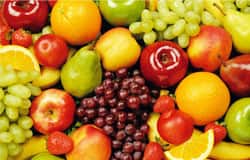
Increased fiber intake associated with lower risk of dying over twelve year period Tuesday, June 5, 2012. The American Journal of Clinical Nutrition published an article online on May 30, 2012 which revealed the finding of an international team of researchers of a reduction in mortality during 12.7 years of follow-up among men and women who consumed higher amounts of fiber. The study included 452,717 participants in the European Prospective Investigation into Cancer and Nutrition (EPIC), a prospective cohort study of different dietary patterns across ten European countries. The average age upon enrollment was 50.8 years. Questionnaires concerning diet, physical activity and other lifestyle factors completed upon recruitment were analyzed for total fiber intake (for which bread, vegetables and fruit were the most common sources). Over an average follow-up period of 12.7 years, 23,582 deaths occurred. Subjects whose fiber intake was among the top 20 percent of participants at 28.5 grams or more per day had a 24 percent lower risk of dying from any cause over follow-up in comparison with those whose intake was among the lowest 20 percent at less than 16.4 grams daily. Each 10 gram per day increase in total fiber was associated with a 10 percent lower mortality risk. When deaths were examined by cause, a protective effect for fiber was observed for smoking-related cancers as well as circulatory, respiratory, digestive and inflammatory diseases. The greatest benefit was associated with digestive disorders, with men and women whose fiber intake levels were highest experiencing a 71 and 58 percent lower risk of dying from this cause than to those whose intake was lowest. Fiber could promote health via several mechanisms, including helping to control weight, improving glycemic control, and aiding in the maintenance of a favorable intestinal environment. Fiber may help protect against circulatory diseases by lowering low density lipoprotein (LDL) cholesterol, which, when elevated, is a major risk factor for cardiovascular disease. Fiber intake has also been associated with a reduction in inflammatory markers including C-reactive protein, interleukin-6 and tumor necrosis factor-alpha. The authors note that greater total fiber intake could be a marker of an overall dietary pattern that benefits health. "We observed inverse associations between total dietary fiber intake and mortality, and specifically mortality from circulatory, digestive, and non-cardiovascular disease, noncancer inflammatory diseases," the authors conclude. "These results show that high fiber intake, mainly from cereals and vegetables, may reduce the risk of death from these diseases." |
 |  | | The results of a meta-analysis published online on November 11, 2011 in the British Medical Journal support the decades-old claim that increased intake of dietary fiber could aid in the prevention of colorectal cancer. Dagfinn Aune and colleagues at Imperial College London along with Ellen Kampman of Wageningen University in the Netherlands selected 21 prospective studies including nearly 2 million participants for their analysis. They observed a modest association between increased fiber intake and a reduction in colorectal cancer risk. For every ten grams per day increase in total fiber and cereal fiber, a 10 percent reduction in colorectal cancer risk was observed in comparison with the risk experienced by those whose intake was lowest. Intake of whole grains, which are high in fiber, had a more pronounced effect, with those consuming three servings per day experiencing an average 17 percent lower disease risk. Although no association between fiber from fruit or vegetables was noted, previous research has uncovered a protective benefit for whole fruits and vegetables against colorectal cancer risk. Mechanisms suggested for fiber's protective effect include increased stool bulk and dilution of carcinogens in the colonic lumen, reduced transit time, and bacterial fermentation of fiber to short chain fatty acids. "A high intake of dietary fiber, in particular cereal fiber and whole grains, was associated with a reduced risk of colorectal cancer," the authors conclude. They recommend further studies involving subtypes of fiber and analysis of colorectal cancer risk according to its site within the colon. In an accompanying editorial, Anne Tjønneland and Anja Olsen write that "Although a high intake of whole grain can be recommended, research is still needed to explain the biological mechanisms responsible for the beneficial effects of these foods in detail, including the effects of different types of grain." | 
- On the cover:
- Suzanne Somers' quest to educate the world about how to delay aging
- Reports:
- Departments:
- Journal abstracts:
| |

|  | Creatine Powder
Item #00610 |  | | Creatine exerts various effects upon entering the muscle. It is these effects that elicit improvements in exercise performance and may be responsible for the improvements of muscle function and energy metabolism seen under certain conditions. Several mechanisms have been proposed to explain the increased exercise performance seen after creatine intake. - Optimizing energy metabolism by maintaining higher levels of the body's energy compound adenosine triphosphate or ATP
- Increasing myofibrillar mRNA content and protein synthesis, and reducing amino acid oxidation and protein breakdown
- Increasing satellite cell and myonuclei number and activity in human skeletal muscle
- Preventing tissue damage by stabilizing cellular membranes and maintaining reserves of ATP
| |  | Super Selenium Complex
Item #00578 | | | As an essential cofactor of glutathione peroxidase, selenium is an important antioxidant. Selenium is incorporated into proteins to make selenoproteins, which are important antioxidant enzymes. The antioxidant properties of selenoproteins help protect cells from free radicals. Other selenoproteins help regulate thyroid function and play a role in the immune system, DNA function, and the detoxification of heavy metals. High doses of vitamin C (over one gram) may enhance the absorption of selenium. This mineral is best taken in conjunction with antioxidant supplements, such as vitamins C or E. This product provides the most advanced forms of selenium on the market. Vitamin E has been added because it works synergistically with selenium. | | |