


Newsletter
Newsletter
Trial finds lower type 2 diabetes risk markers in people who consumed fish oil
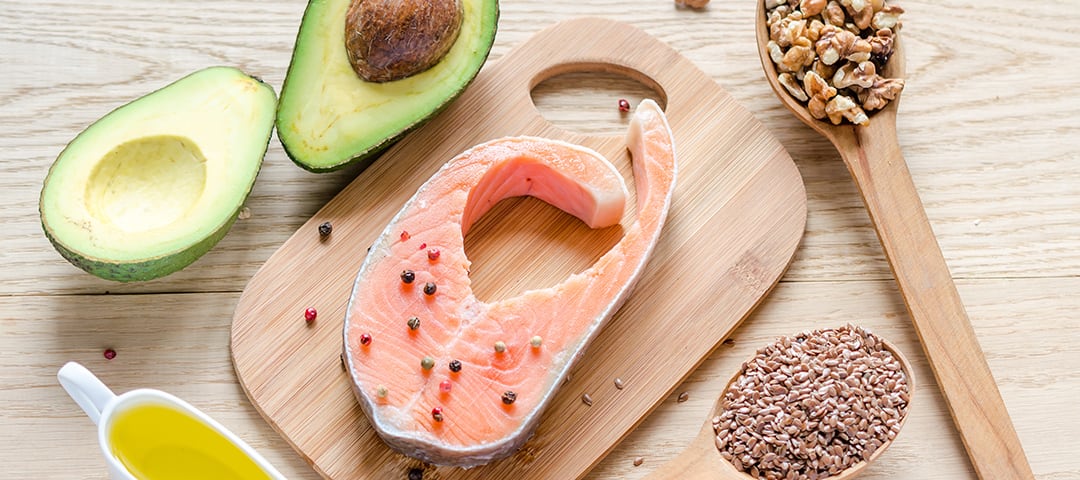
A clinical trial resulted in reductions of early type 2 diabetes risk blood markers in men and women who consumed fish oil for 12 weeks.
The double-blind, randomized controlled trial included 201 healthy middle-aged and older participants who were divided into four groups that received either fish oil containing 310 mg of the omega-3 fatty acids EPA and DHA, 620 mg EPA/DHA, or 1.24 grams EPA/DHA, or no fish oil daily (control group). Serum levels of EPA and DHA, traditional glucose control blood markers, and novel biomarkers of early diabetes risk were assessed at the beginning and end of the study. “The objective of this study was to ascertain whether fish oil has the capacity to intervene with novel biomarkers of early type 2 diabetes in order to reverse prediabetes and reduce the risk of type 2 diabetes,” authors Zhaoyang Nian and colleagues wrote.
Participants who consumed fish oil had increased serum levels of EPA and DHA after 12 weeks, with the highest EPA/DHA dose associated with the greatest increase. Compared with the control group, fasting insulin and insulin resistance significantly declined among the groups that received fish oil. Fasting blood glucose exhibited a downward trend, with all groups showing a significant reduction compared with the beginning of the study. Novel biomarkers of type 2 diabetes risk that included mannan-binding lectin serine protease 1 (MASP1), uric acid to high-density lipoprotein cholesterol (HDL-C) ratio (UHR) and lipid-related indices also showed favorable downward trends in comparison with levels measured at the beginning of the study, with some groups showing significant improvements. “These novel predictive biomarkers and indices of type 2 diabetes risk have been shown to identify prediabetes more effectively than the common fasting blood glucose, fasting insulin, and homeostatic model assessment for insulin resistance (HOMA-IR),” the authors explained.
The findings are noteworthy due to the benefits obtained with moderate doses of EPA and DHA and the evaluation of novel biomarkers of early type 2 diabetes risk. The trial was reported May 13, 2025, in Food & Function.
Products


Apply What You've Learned: Prediabetes
- Diabetes was the eighth leading cause of U.S. deaths in 2021. Of approximately 38.4 million U.S. adults with diabetes that year, an estimated 8.7 million were undiagnosed.2
- The American Diabetes Association states that before people are diagnosed with type 2 diabetes, they almost always have prediabetes.3 According to the National Institute of Diabetes and Digestive and Kidney Diseases, prediabetes exists when people have a fasting blood glucose level of 100 milligrams per deciliter (mg/dL) to 125 mg/dL, hemoglobin A1C (HbA1C) of 5.7% to 6.4%, or a two-hour oral glucose challenge result of 140 to 199 mg/dL, indicating impaired glucose tolerance.4 They noted that even when test results are lower than these ranges, type 2 diabetes can still develop.4
- Regular blood testing for glucose levels and other factors is suggested for people with or without diabetes. Life Extension suggests a fasting glucose level between 80 and 86 mg/dL, HbA1C of 5% to 5.4%, and two-hour post-meal glucose levels of 125 mg/dL or lower for optimal health. Individuals who are concerned about their blood glucose levels should consult their medical care providers.
- Consuming a Mediterranean diet or other healthy eating pattern, regular physical activity and maintaining a healthy weight can aid in the prevention of type 2 diabetes. Cinnamon, brown seaweed and mulberry leaf have shown benefits for aspects of glucose control in human research.5-7
References
- Nian Z, Lin Y, Tang W, et al. Effects of fish oil intervention on type 2 diabetes early risk novel biomarkers in healthy middle-aged and elderly adults: a double-blind randomized controlled trial. Food Funct. 2025 May 13. doi: 10.1039/d5fo01018g.
- Statistics about diabetes. American Diabetes Association. https://diabetes.org/about-diabetes/statistics/about-diabetes Accessed 2025 May 21.
- With prediabetes, action is the best medicine. American Diabetes Association. https://diabetes.org/about-diabetes/prediabetes Accessed 2025 May 20.
- Recommended Tests for Identifying Prediabetes. National Institute of Diabetes and Digestive and Kidney Diseases. National Institutes of Health. https://www.niddk.nih.gov/health-information/professionals/clinical-tools-patient-management/diabetes/game-plan-preventing-type-2-diabetes/prediabetes-screening-how-why/recommended-tests-identifying-prediabetes Accessed 2025 May 20.
- Kutbi EH, Sohouli MH, Fatahi S, et al. The beneficial effects of cinnamon among patients with metabolic diseases: A systematic review and dose-response meta-analysis of randomized-controlled trials. Crit Rev Food Sci Nutr. 2022;62(22):6113-6131. doi: 10.1080/10408398.2021.1896473.
- Paradis ME, Couture P, Lamarche B. A randomised crossover placebo-controlled trial investigating the effect of brown seaweed (Ascophyllum nodosum and Fucus vesiculosus) on postchallenge plasma glucose and insulin levels in men and women. Appl Physiol Nutr Metab. 2011 Dec;36(6):913-9. doi: 10.1139/h11-115.
- Kim JY, Ok HM, Kim J, et al. Mulberry leaf extract improves postprandial glucose response in prediabetic subjects: a randomized, double-blind placebo-controlled trial. J Med Food. 2015 Mar;18(3):306-13. doi: 10.1089/jmf.2014.3160.

Health
Quiz

Health
Quiz
Related Life Extension Magazine® Articles

Safely Manage Blood Sugar Levels
Scientists have identified plant-derived ingredients and minerals that can reduce blood glucose levels and improve insulin sensitivity.

Manage After-Meal Blood Sugar Spikes
Studies show that extracts of clove and maqui berry can reduce dangerous after-meal blood glucose spikes.
Life Extension Magazine® Issue Now Online

Neck pain is often caused by a variety of correctable lifestyle factors. A new clinical study showed that two plant compounds reduced neck pain and stiffness by targeting underlying inflammatory mechanisms.

