


Newsletter
Newsletter
Meta-analysis shows benefits for fatty acids, omega-3s in rheumatoid arthritis patients

A review and meta-analysis of 24 randomized, controlled trials concluded that fatty acids—mostly omega-3s—were of benefit in men and women with rheumatoid arthritis.
Rheumatoid arthritis, a chronic autoimmune disease, causes joint inflammation that can lead to pain, tenderness, stiffness, swelling and loss of function. As a systemic inflammatory disease, it can cause complications throughout the body, including potentially severe ones, as well as generalized symptoms like fatigue or occasional fever.1
Trial participants who received fatty acids had significantly improved Disease Activity Score in 28 joints, as well as significant improvements in tender joint count and health assessment questionnaire scores compared with control participants.
“The findings of this meta-analysis demonstrate the benefits of fatty acids as complementary nonpharmacological interventions that can be used to assist in decreasing pain, improving patients' quality of life, and reducing symptoms of arthritis,” authors Bing Xu of the Affiliated Hospital of Shandong University of Traditional Chinese Medicine and colleagues concluded. “Fatty acids were shown to improve outcomes related to inflammation such as tenderness and swelling in the joints and contribute positively to the functional capacity of patients.”
Fatty acid interventions included fish oil containing the omega-3 fatty acids EPA and DHA (including cod liver oil), borage oil containing the beneficial omega-6 fatty acid GLA, microalgae oil (a source of DHA), fish oil plus canola oils, conjugated linoleic acid (CLA), omega-3 plus the nonsteroidal anti-inflammatory drug indomethacin and a fatty acid liquid that contained EPA, GLA and micronutrients.
The findings were reported July 21, 2025, in Food Science & Nutrition.2
Products
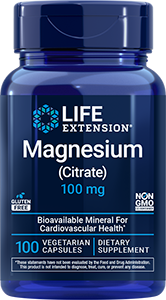
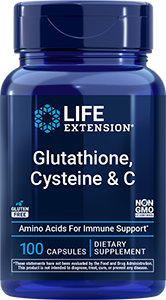
Apply What You've Learned: Rheumatoid arthritis
- Rheumatoid arthritis is a body-wide inflammatory disease that attacks the soft tissue in peripheral joints. Signs and symptoms include pain, malaise, fatigue, weight loss, loss of function and damage to other areas of the body.
- Physicians use blood test results as an aid in diagnosing rheumatoid arthritis. These include high-sensitivity C-reactive protein (hs-CRP), erythrocyte sedimentation rate (ESR), rheumatoid factor and anti-citrullinated protein antibodies (ACPAs).
- Medications prescribed for rheumatoid arthritis include disease-modifying antirheumatic drugs, such as methotrexate, leflunomide, hydroxychloroquine and sulfasalazine. Glucocorticoids are often used to manage symptoms. Biologic therapies are also available. Medications must be selected and adjusted for each individual patient.
- Non-drug options for rheumatoid arthritis include vitamin K2, black cumin oil (Nigella sativa), curcumin, white peony extract and more.3-6 Additionally, exercise has helped reverse muscle loss and improve function in people with rheumatoid arthritis.7
References
- Rheumatoid arthritis. Johns Hopkins Medicine. https://www.hopkinsmedicine.org/health/conditions-and-diseases/arthritis/rheumatoid-arthritis. Accessed 2025 Aug 7.
- Xu B, Liang D, Chen G. Evaluation of the clinical outcomes associated with the use of fatty acids and vitamin D in rheumatoid arthritis patients: a systematic review and meta-analysis. Food Sci Nutr. 2025 Jul 21;13(7):e70473. doi: 10.1002/fsn3.70473.
- Ebina K, Shi K, Hirao M, et al. Vitamin K2 administration is associated with decreased disease activity in patients with rheumatoid arthritis. Mod Rheumatol. 2013 Sep;23(5):1001-7. doi: 10.1007/s10165-012-0789-4.
- Gheita TA, Kenaway SA. Effectiveness of Nigella sativa oil in the management of rheumatoid arthritis patients: a placebo controlled study. Phytother Res. 2012 Aug;26(8):1246-8. doi: 10.1002/ptr.3679.
- Chandaran B, Goel A. A randomized, pilot study to assess the efficacy and safety of curcumin in patients with active rheumatoid arthritis. Phytother Res. 2012 Nov;26(11):1719-25. doi: 10.1002/ptr.4639.
- Fent ZT, He GC, Cai SJ, et al. A systemic review and meta-analysis of the clinical efficacy and safety of total glucosides of peony combined with methotrexate in rheumatoid arthritis. Clin Rheumatol. 2018 Jan;37(1):35-42. doi: 10.1007/s10067-017-3770-y.
- Cooney JK, Law RJ, Matschke V, et al. Benefits of exercise in rheumatoid arthritis. J Aging Res. 2011 Feb 13:2011:681640. doi: 10.4061/2011/681640.

Health
Quiz

Health
Quiz
Related Life Extension Magazine® Articles

Impact of Vitamin D on Autoimmune Risk
A major clinical trial showed that supplementing with vitamin D3 and omega-3 reduced incidence of autoimmune disease by 25%-30%.

PQQ Reduces Arthritis Inflammation
PQQ, or pyrroloquinoline quinone, can improve heart and brain health, and possibly slow the progression of aging. Researchers have found that PQQ has potential to decelerate the deterioration of joints in rheumatoid arthritis and osteoarthritis, exerting a protective effect in the joints.
Highlight
Live Forever...ish
Join Dr. Mike and Dr. Crystal as they sit down with some of today’s leading medical, health, and wellness experts to discuss a variety of health-related topics.
Learn MoreLife Extension Magazine® Issue Now Online

Neck pain is often caused by a variety of correctable lifestyle factors. A new clinical study showed that two plant compounds reduced neck pain and stiffness by targeting underlying inflammatory mechanisms.

