


Newsletter
Newsletter
Melatonin Improves Muscle, Mood and More in People with Multiple Sclerosis

A study found better muscle strength, manual dexterity, postural balance, cognition and mood in people with multiple sclerosis who consumed nightly melatonin compared with participants who received a placebo.
Multiple sclerosis is an autoimmune disease of the central nervous system that damages the myelin sheath which surrounds and protects the nerves and damages and even destroys nerve cells and the nerves themselves. This results in symptoms that can include pins and needles sensations, arm and leg weakness and difficulty in walking and balancing, fatigue, visual disturbances, problems with bladder control, cognitive impairment, mood alterations and more.1
Impairment of pineal gland function in the brain of people with MS can lower the hormone melatonin. In addition to helping maintain restful sleep, the authors of the report noted that melatonin is neuroprotective in people with MS due to its ability to lower oxidative damage and support a healthy inflammatory response and nervous system health.
"Muscle weakness, poor manual dexterity, and postural imbalance have been shown to adversely affect quality of life and independence during daily life,” they wrote. “This study revealed an improvement in knee muscle strength, manual dexterity, and static postural balance following 12-week nocturnal melatonin supplementation that was also effective in enhancing cognitive functions and mood status in people with multiple sclerosis."
The study included 15 men and women with MS who received 3 milligrams melatonin and 12 participants who received a placebo to be consumed 30 minutes before bedtime for 12 weeks. Knee muscle strength, manual dexterity, postural balance, mood and cognition were assessed at the beginning of the study and the end of the treatment period. The findings were published in 2025 in the Journal of Dietary Supplements.2
Products
Apply What You've Learned: Multiple sclerosis (MS)
- In the autoimmune disease multiple sclerosis, the immune system attacks the protective sheaths surrounding the nerves, which impairs the nerves' ability to communicate. Eighty-five percent of MS cases are relapsing-remitting, meaning that symptoms come and go.3 Ten to 15% of cases consist of primary progressive MS in which the disease steadily progresses, and function rapidly deteriorates.4 A secondary progressive form is characterized by relapsing-remitting MS followed by progressive disease.
- Although nonmodifiable factors such as genetics and exposure to pathogenic microorganisms are believed to play a role in MS, some risk factors, including smoking and low vitamin D levels, can be modified.5
- Drugs and other therapies are currently used to treat MS and its symptoms. Non-drug rehabilitative therapies include physical therapy, occupational therapy, speech-language pathology therapy, vocational rehabilitation, cognitive rehabilitation and functional electrical stimulation.6
- Melatonin is among several nutrients that have evidence of effectiveness in MS. Vitamin D, coenzyme Q10 (CoQ10), lipoic acid, omega-3 fatty acids and more may also help people with the disease.7-10
References
- Levin MC. Multiple Sclerosis (MS). Merk Manual. https://www.merckmanuals.com/professional/neurologic-disorders/demyelinating-disorders/multiple-sclerosis-ms Accessed 2025 Jul 8.
- Jallouli S, Ghroubi S, Bouattour N, et al. Effects of melatonin supplementation on muscle strength, manual dexterity, and postural balance in patients living with multiple sclerosis - A randomized controlled trial. J Diet Suppl. 2025;22(2):236-261. doi: 10.1080/19390211.2024.2449030.
- National Multiple Sclerosis Society. Relapsing-Remitting Multiple Sclerosis (RRMS). Accessed 2025 Jul 2. https://www.nationalmssociety.org/understanding-ms/what-is-ms/types-of-ms/relapse-remitting-ms
- National Multiple Sclerosis Society. Primary progressive multiple sclerosis (PPMS). Accessed 2025 Jul 2. https://www.nationalmssociety.org/understanding-ms/what-is-ms/types-of-ms/primary-progressive-ms
- National Multiple Sclerosis Society. What causes MS? Accessed 2025 Jul 2. https://www.nationalmssociety.org/What-is-MS/What-Causes-MS
- National Multiple Sclerosis Society. Rehabilitation. Accessed Jul 2. https://www.nationalmssociety.org/managing-ms/treating-ms/rehabilitation
- Thouvenot E, Laplaud D, Lebrun-Frenay C, et al. High-dose vitamin D in clinically isolated syndrome typical of multiple sclerosis: the D-lay MS randomized clinical trial. JAMA. 2025 Apr 22;333(16):1413-1422. doi: 10.1001/jama.2025.1604.
- Moccia M, Capacchione A, Lanzillo R, et al. Coenzyme Q10 supplementation reduces peripheral oxidative stress and inflammation in interferon-β1a-treated multiple sclerosis. Ther Adv Neurol Disord. 2019 Feb 18:12:1756286418819074. doi: 10.1177/1756286418819074.
- Loy BD, Fling BW, Horak FB, et al. Effects of lipoic acid on walking performance, gait, and balance in secondary progressive multiple sclerosis. Complement Ther Med. 2018 Dec:41:169-174. doi: 10.1016/j.ctim.2018.09.006.
- AlAmmar WA, Albeesh FH, Ibrahim LM, et al. Effect of omega-3 fatty acids and fish oil supplementation on multiple sclerosis: a systematic review. Nutr Neurosci. 2021 Jul;24(7):569-579. doi: 10.1080/1028415X.2019.1659560.

Health
Quiz

Health
Quiz
Related Life Extension Magazine® Articles

Vitamin D Offers Hope for Multiple Sclerosis
A study published in the Journal of the American Medical Association found that low vitamin D levels are associated with the risk of developing multiple sclerosis. Other studies show that optimal vitamin D levels can help slow MS activity and delay disease progression

Anti-Aging Effects of Melatonin
In this exclusive interview, Dr. Roman Rozencwaig shares his vast experience with the therapeutic benefits of melatonin.
Highlight
Life Extension Magazine® Issue Now Online

Neck pain is often caused by a variety of correctable lifestyle factors. A new clinical study showed that two plant compounds reduced neck pain and stiffness by targeting underlying inflammatory mechanisms.
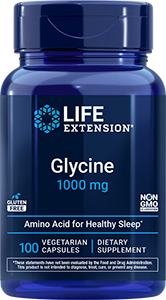
Glycine (item #01669): For occasional sleeplessness.

